.webp&w=384&q=75)

Loading, please wait...
Loading, please wait...
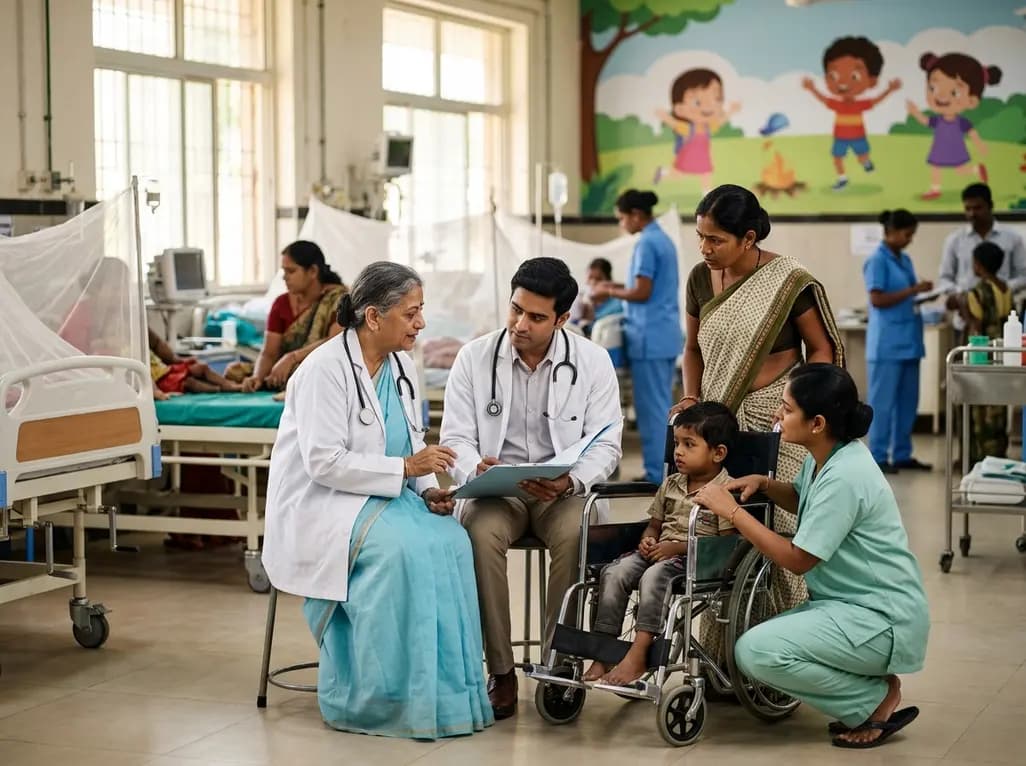
Recent research reveals a significant shift in childhood disability trends across South Asia. As under-5 mortality rates continue to drop, the prevalence of childhood disability is paradoxically rising. This ecological panel study, spanning from 1985 to 2023, analyzed extensive data from UNICEF and the WHO. Notably, it highlights a critical intersection where survival no longer guarantees a life free of functional impairment.
The study found that the mean under-5 mortality rate was 62.8 per 1000 live births. However, the disability rate reached 47.0 per 1000 population. Between 2005 and 2015, these two distinct trends crossed. Specifically, the data shows a significant inverse association with a coefficient of -0.245. This indicates that as more children survive the neonatal period, the number of children living with disabilities increases. Therefore, healthcare systems must prepare for this growing population of survivors with special needs. In addition, the shift requires a transformation in pediatric healthcare delivery.
Researchers identified several key factors associated with these rising rates. For instance, higher disability prevalence strongly correlates with increased health expenditure. Additionally, the preterm birth rate plays a major role. Since South Asia has some of the highest preterm birth rates globally, this is a major concern. Consequently, improvements in neonatal care that save lives must also focus on neuroprotection and long-term outcomes. Furthermore, clinicians must follow neonatal survival with robust developmental support.
The findings suggest that the decline in mortality poses a dual challenge for the region. While fewer children are dying, more require long-term medical and social support. Therefore, policymakers must prioritize integrated health policies. Specifically, early intervention for newborns with birth complications is absolutely vital. Moreover, strengthening surveillance systems will help identify developmental delays early. In fact, this approach ensures that the survival achieved through modern medicine translates into a high quality of life. Similarly, we must educate local communities to support inclusive growth for all children.
The primary driver is the significant decline in under-5 mortality. As more infants survive birth complications and preterm births, there is a higher prevalence of children living with long-term functional impairments.
Studies indicate a positive correlation between increased health expenditure and disability rates. This often reflects the higher costs of maintaining life for vulnerable neonates and providing long-term supportive care for survivors.
Disclaimer: This content is for informational and educational purposes only and does not constitute medical advice or a professional recommendation. The information provided is based on available research and should be used at the discretion of the healthcare professional. Refer to the latest local and national guidelines for clinical practice.
References
1. Khan MN et al. Increased childhood disability and reduced overall child mortality in South Asia. Dev Med Child Neurol. 2026 Jun 12. doi: 10.1111/dmcn.70363. PMID: 42286434.
2. World Health Organization (WHO). Child mortality (under 5 years) - Global and Regional Trends. Published May 1, 2026.
3. UNICEF Data. Children with Disabilities in Asia and the Pacific: A statistical overview. Published March 2025.

Read summarized clinical updates, watch expert medical content, and earn CME certifications right from your smartphone.
Open your smartphone camera to scan and install.





This ecological panel study (1985-2023) reveals a significant inverse association between declining under-5 mortality and rising childhood disability in South Asia. Higher disability rates correlate with increased health expenditure and preterm birth rates, highlighting a dual challenge for healthcare.
4 months ago
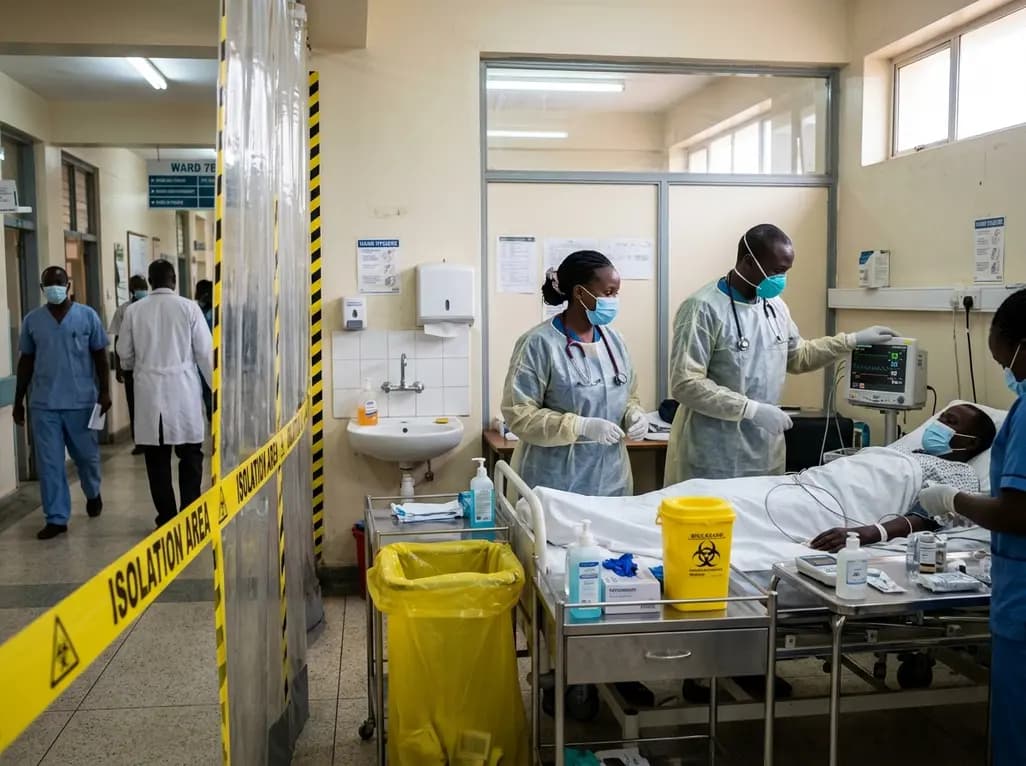
Kenya's confirmation of its eighth Ebola infection highlights the acute risk of secondary transmission in hospital environments. Clinicians must maintain high vigilance, enforce strict infection prevention protocols, and implement rapid triage mechanisms for viral hemorrhagic fevers across healthcare settings.
4 days back
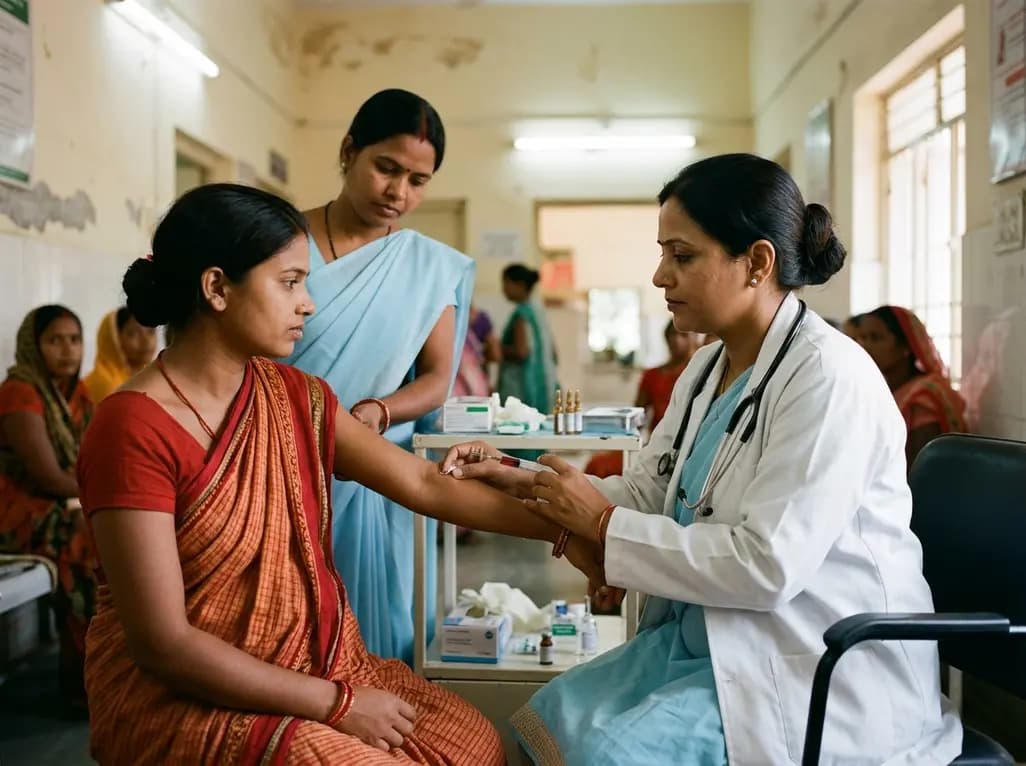
Maternal anaemia contributes to nearly half of pregnancy-related fatalities across India. To prevent complications, Uttar Pradesh has added single-dose parenteral iron to its essential medicines list. This clinical transition aims to restore haemoglobin rapidly and protect high-risk mothers across rural facilities.
Last week
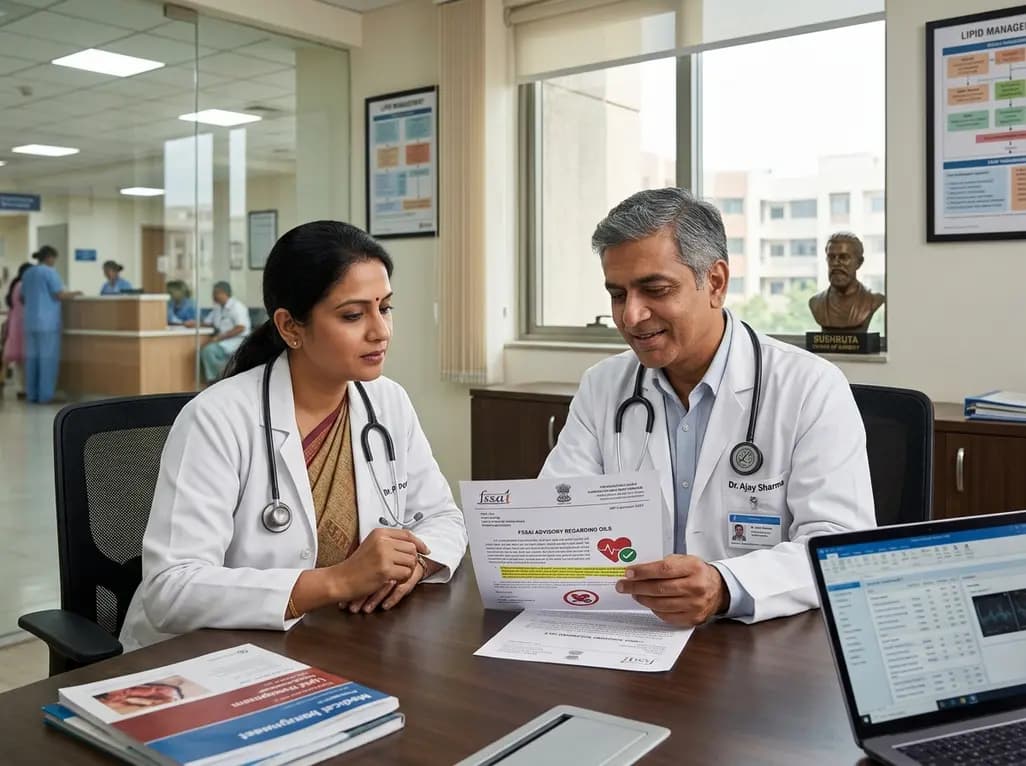
India's food safety authority FSSAI has issued show-cause notices to Gemini Edibles, BigBasket, and Flipkart for unpermitted cardiovascular claims regarding Freedom Rice Bran Oil. This regulatory move highlights the strict enforcement of advertising standards and the clinical necessity of evidence-based lipid care.
6 days back
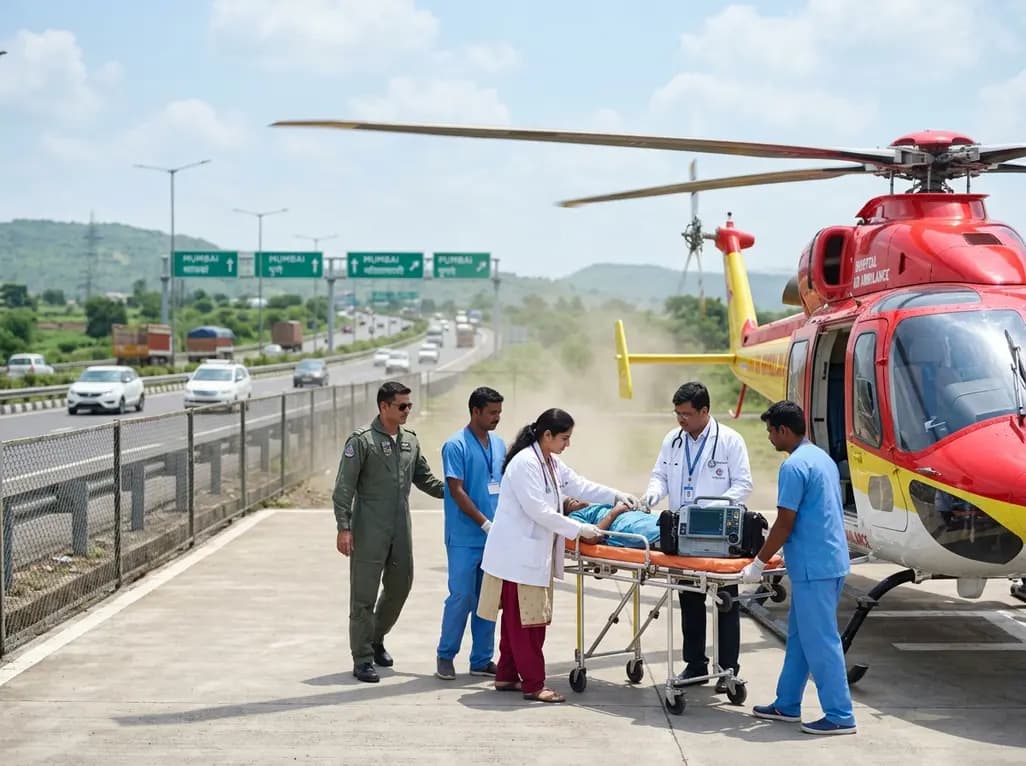
The state government is deploying helicopter emergency medical services across the Mumbai-Pune Expressway, Samruddhi Mahamarg, and Mumbai-Goa Highway. This initiative establishes unified standard operating procedures to enable rapid triage, advanced prehospital resuscitation, and seamless trauma care transfers.
Last week
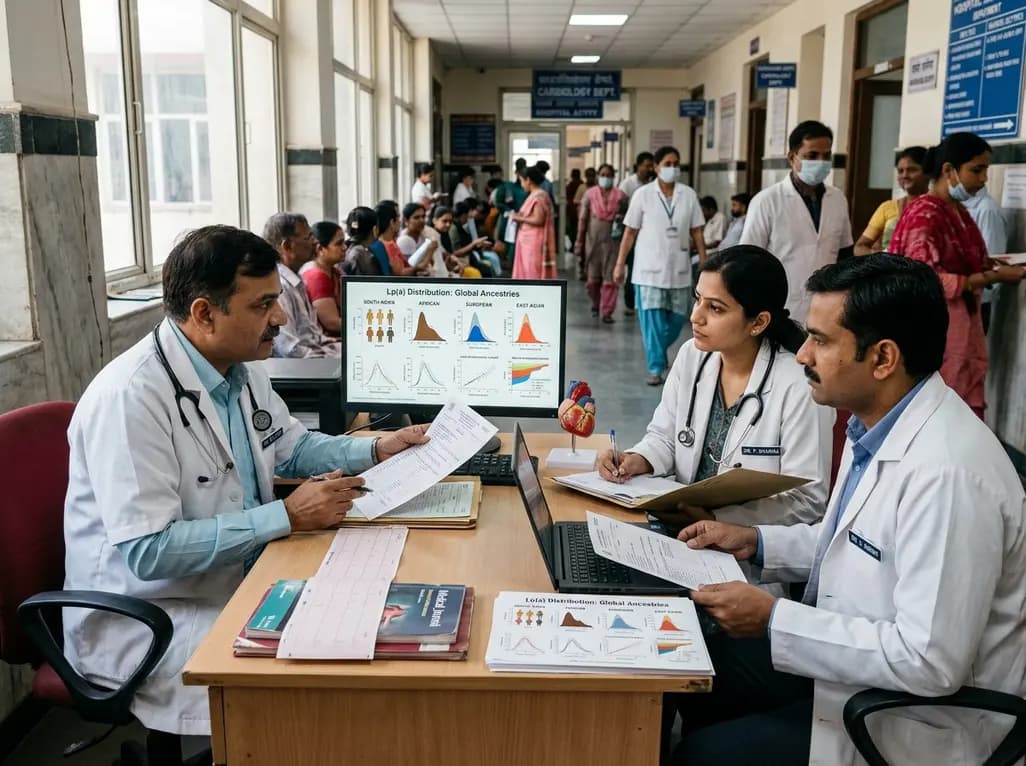
Atherosclerotic cardiovascular disease guidelines often rely on European-derived lipoprotein(a) cutoffs. However, baseline Lp(a) levels vary widely across ancestries, including South Asians and Africans. Clinicians must interpret Lp(a) values within overall absolute cardiovascular risk.
Last week
