.webp&w=384&q=75)

Loading, please wait...
Loading, please wait...
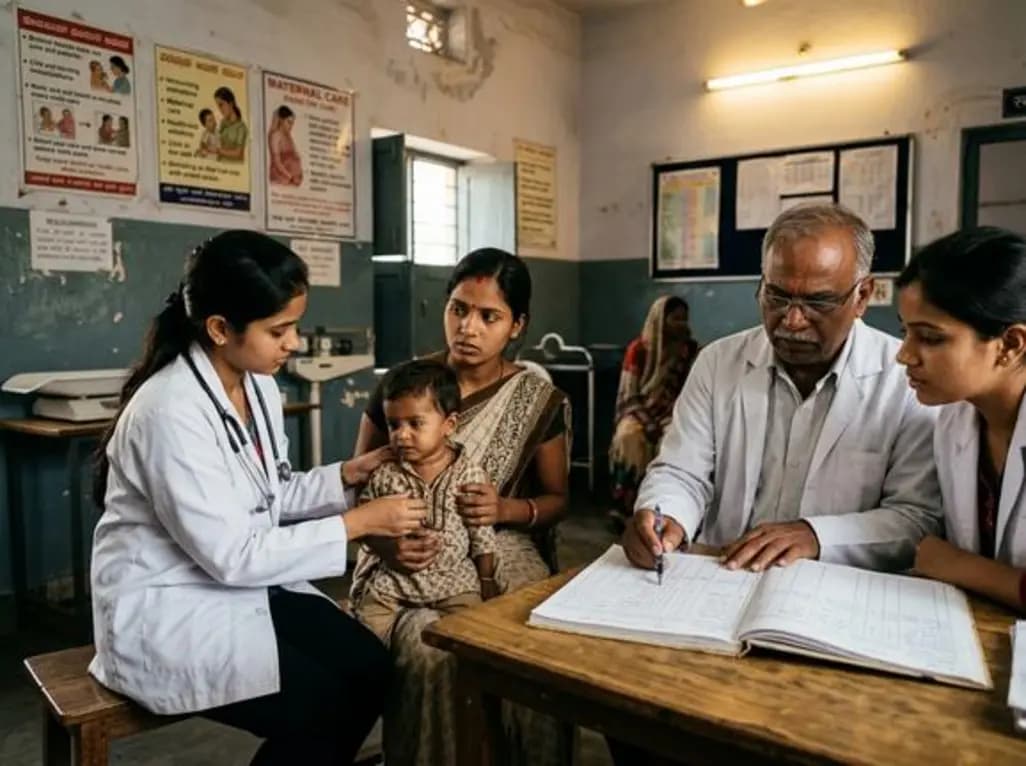
Analyzing child mortality trends India provides critical insights into the nation's progress toward global health targets. A recent spatial and regression analysis reveals that while mortality rates are declining, significant subnational disparities persist. Specifically, the highest burden remains concentrated in socioeconomically deprived regions. Consequently, understanding the multi-dimensional determinants of child survival is essential for healthcare providers and policymakers to refine clinical strategies.
The study highlights that maternal factors are primary independent predictors of child survival. Specifically, maternal education and age at birth significantly influence health outcomes. Furthermore, higher birth order and multiple births correlate with an increased mortality risk. Low birth weight or size also remains a critical challenge. Therefore, improving maternal healthcare utilization and institutional delivery practices is mandatory to address these underlying risks effectively.
To achieve Sustainable Development Goal 3.2, which targets a reduction in under-five mortality, India must prioritize high-burden districts. The analysis demonstrates that continuity of antenatal and intrapartum care reduces neonatal risks. Moreover, enhancing early postnatal practices and improving household environmental conditions are vital. In addition, quality healthcare access must be scaled in states like Uttar Pradesh and Bihar to ensure national goals are met by 2030.
The primary determinants include maternal education, socioeconomic status, birth weight, and geographic location. Factors like higher birth order and lack of maternal healthcare utilization also significantly increase mortality risk in high-burden regions.
Reaching these targets requires a focus on neonatal care, improved institutional delivery, and socio-demographic development. Targeted interventions in high-risk districts and the continuity of maternal care from pregnancy through the postnatal period are crucial strategies.
Disclaimer: This content is for informational and educational purposes only. It does not constitute professional medical advice, diagnosis, or treatment. Always seek the advice of your physician or other qualified healthcare provider with any questions you may have regarding a medical condition. Refer to the latest local and national guidelines for clinical practice.
References
Devi P et al. Current Trends in Child Mortality in India: A Spatial, Survival and Regression Analysis. Indian J Pediatr. 2026 Jun 19. doi: 10.1007/s12098-026-06288-5. PMID: 42319746.
UNICEF. Levels and Trends in Child Mortality: Report 2025. Estimates Developed by the UN Inter-agency Group for Child Mortality Estimation. New York: 2026.
NITI Aayog. Healthy States Progressive India: Report on the Ranks of States and Union Territories. New Delhi: Government of India; 2025.

Read summarized clinical updates, watch expert medical content, and earn CME certifications right from your smartphone.
Open your smartphone camera to scan and install.





A comprehensive analysis of child mortality trends in India identifies regional disparities and maternal health as key determinants. The study offers evidence-based recommendations for reducing the under-five mortality burden and achieving SDG 3.2 through targeted clinical and social interventions.
4 months ago

Kenya's confirmation of its eighth Ebola infection highlights the acute risk of secondary transmission in hospital environments. Clinicians must maintain high vigilance, enforce strict infection prevention protocols, and implement rapid triage mechanisms for viral hemorrhagic fevers across healthcare settings.
4 days back
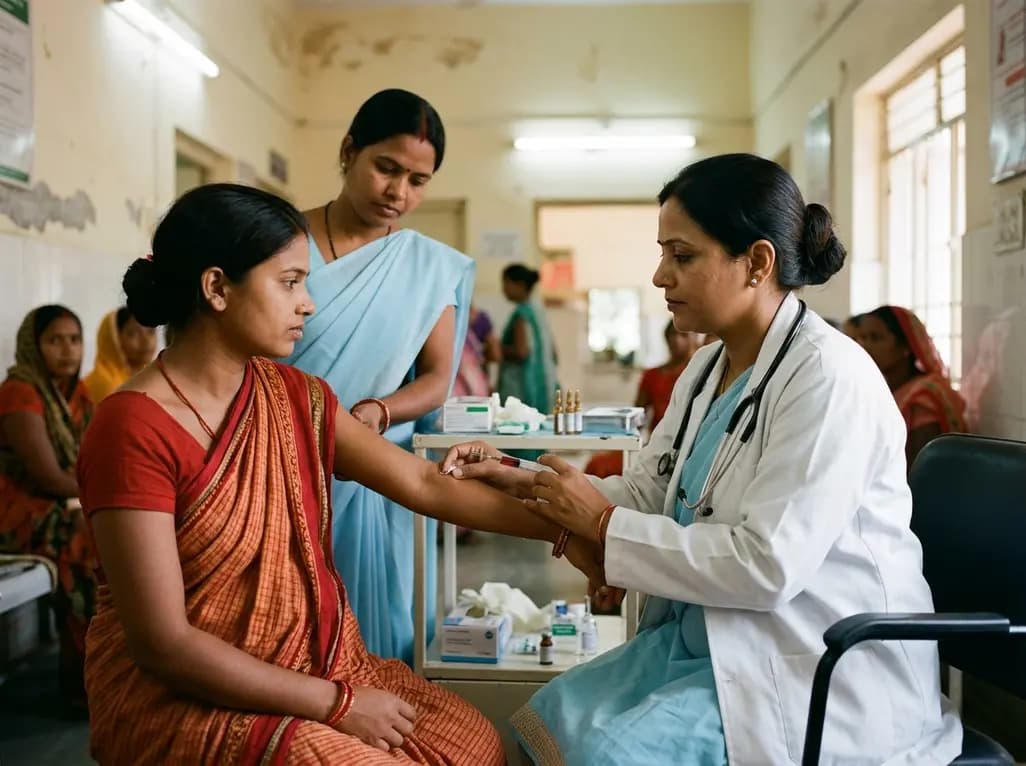
Maternal anaemia contributes to nearly half of pregnancy-related fatalities across India. To prevent complications, Uttar Pradesh has added single-dose parenteral iron to its essential medicines list. This clinical transition aims to restore haemoglobin rapidly and protect high-risk mothers across rural facilities.
Last week

India's food safety authority FSSAI has issued show-cause notices to Gemini Edibles, BigBasket, and Flipkart for unpermitted cardiovascular claims regarding Freedom Rice Bran Oil. This regulatory move highlights the strict enforcement of advertising standards and the clinical necessity of evidence-based lipid care.
6 days back
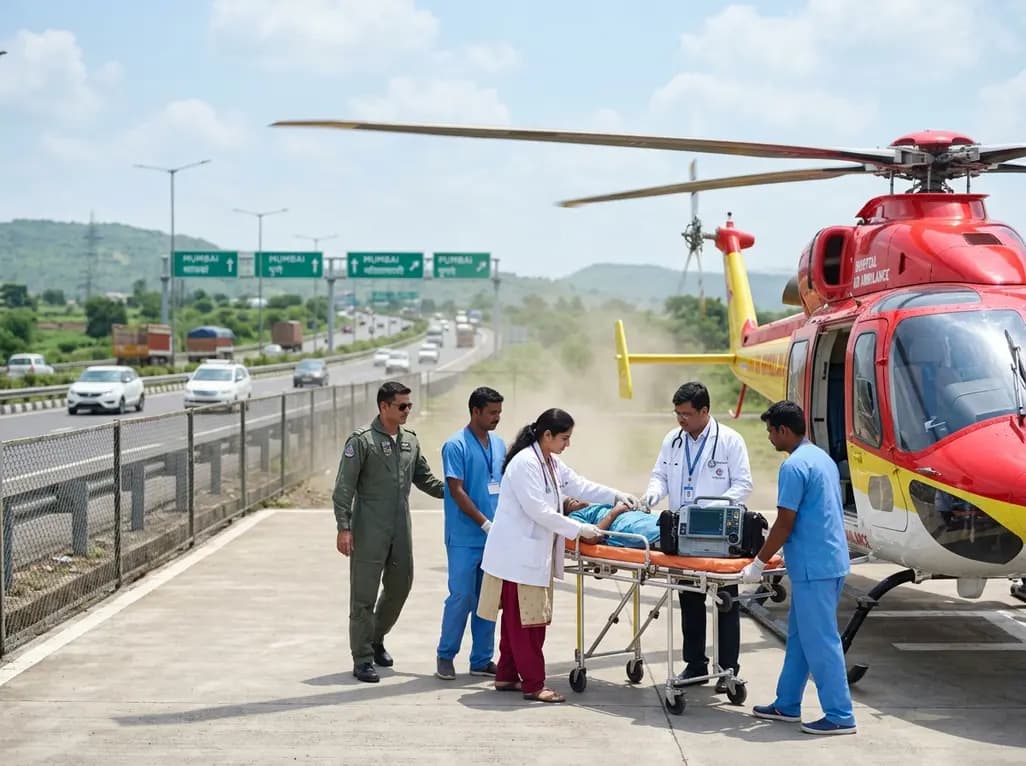
The state government is deploying helicopter emergency medical services across the Mumbai-Pune Expressway, Samruddhi Mahamarg, and Mumbai-Goa Highway. This initiative establishes unified standard operating procedures to enable rapid triage, advanced prehospital resuscitation, and seamless trauma care transfers.
Last week
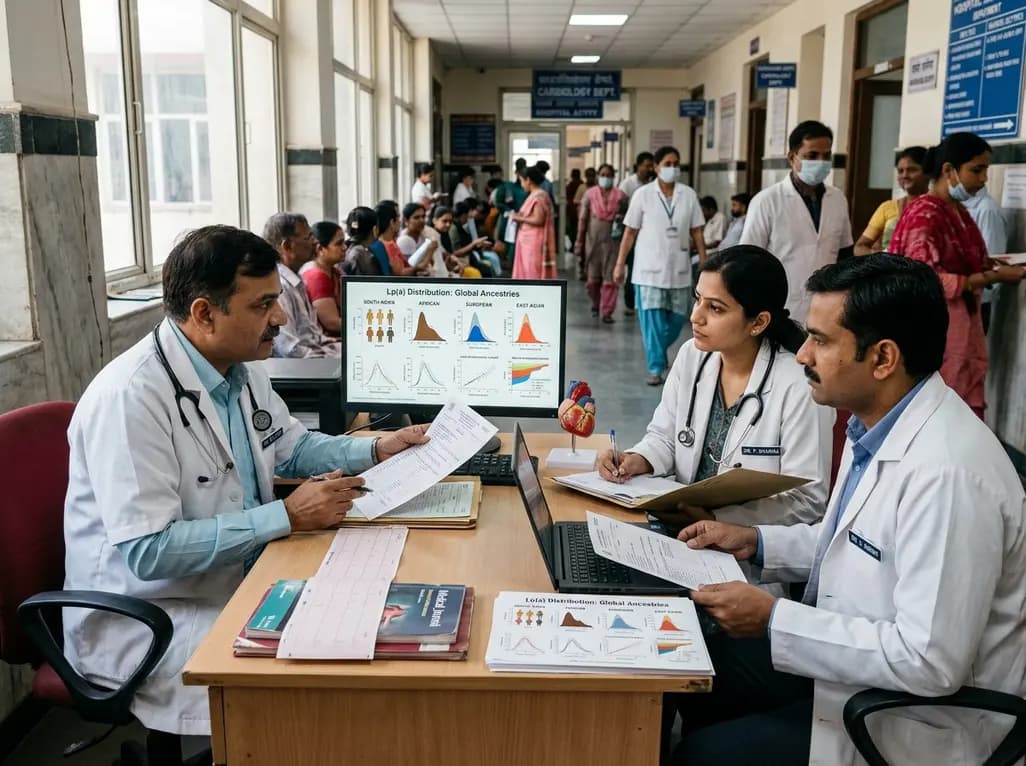
Atherosclerotic cardiovascular disease guidelines often rely on European-derived lipoprotein(a) cutoffs. However, baseline Lp(a) levels vary widely across ancestries, including South Asians and Africans. Clinicians must interpret Lp(a) values within overall absolute cardiovascular risk.
Last week
