.webp&w=384&q=75)

Loading, please wait...
Loading, please wait...
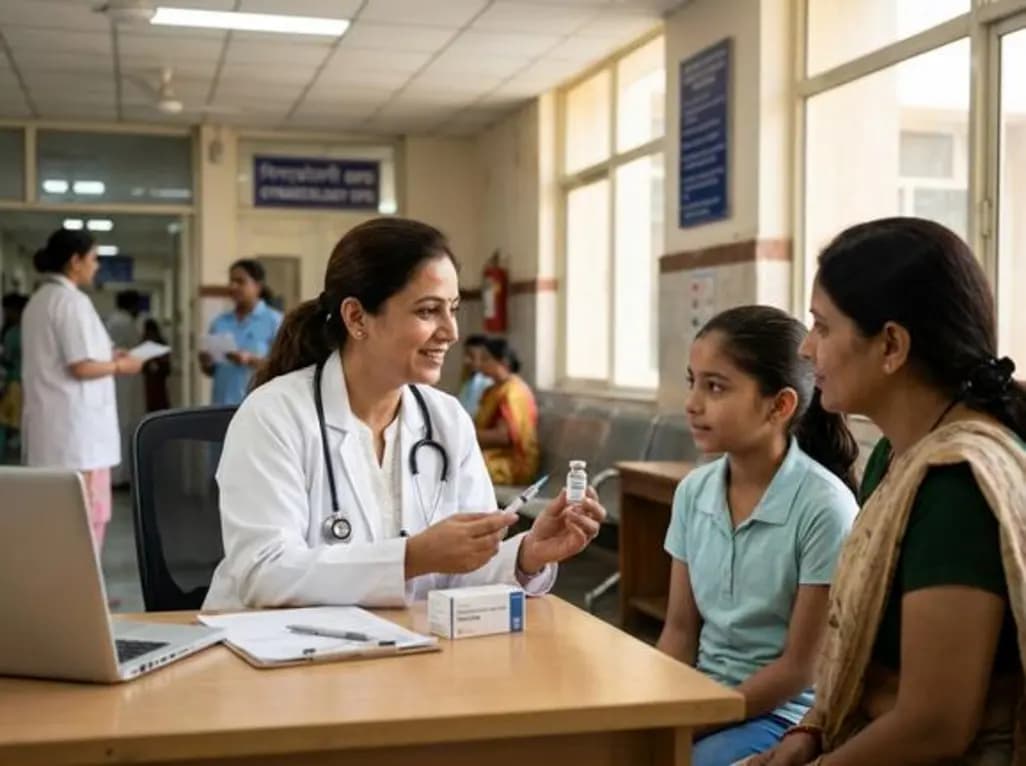
A landmark study in The Lancet reports an extraordinary milestone in women's health. Specifically, researchers observed that England recorded zero cervical cancer deaths among young women aged 20 to 24 between 2020 and 2024. Consequently, this achievement marks the first time in recorded history that this age group experienced no mortality from the disease. Remarkably, the national Human Papillomavirus (HPV) vaccination program drove this drop to absolute zero.
The national school-based immunization program began in England in 2008. Initially, health workers offered the vaccine to adolescent girls aged 12 to 13. In addition, the program expanded to boys in 2019. This extensive cohort analysis demonstrates that early vaccination provides the strongest defense. Indeed, children vaccinated at age 12 or 13 now carry an almost zero risk of dying from cervical cancer before age 30.
The team at Queen Mary University of London analyzed population-level mortality data. Previously, proving a direct correlation between vaccination and reduced mortality was challenging. However, because vaccinated generations have reached adulthood, researchers can now confirm this direct survival benefit. Specifically, the vaccine saved approximately 200 lives in England up to late 2024. Furthermore, the researchers observed an 80 percent mortality reduction in the 20 to 24 age group between 2015 and 2019 compared to unvaccinated cohorts.
Despite these historic results, health experts express deep concern over falling immunization rates. Currently, UK vaccine uptake sits between 76 and 86 percent. Consequently, this falls short of the 90 percent elimination target that the World Health Organization recommends. Ultimately, if uptake continues to decline, we risk reversing this incredible progress. Therefore, healthcare providers must actively engage with communities to promote vaccine confidence and ensure high coverage.
Q1: How effective is the HPV vaccine in preventing cervical cancer deaths?
Based on the latest clinical data from England, early HPV vaccination at age 12 to 13 reduces the risk of dying from cervical cancer before age 30 to almost zero. In fact, England reported no deaths in this age group between 2020 and 2024.
Q2: Who should receive the HPV vaccine to achieve maximum protection?
Ideally, children should receive the vaccine between ages 11 and 12, though they can start as early as age 9. Additionally, catch-up programs in many countries provide vaccines up to age 25 for individuals who missed their initial doses.
Q3: Why are experts concerned despite the success of the vaccination program?
Unfortunately, vaccine uptake has dropped below the World Health Organization's 90 percent target in recent years. This decline poses a severe threat to the goal of completely eliminating cervical cancer, making community outreach essential.
Disclaimer: This content is for informational and educational purposes only. It does not constitute medical advice or replace professional judgment. Refer to the latest local and national guidelines for clinical practice.
References

Read summarized clinical updates, watch expert medical content, and earn CME certifications right from your smartphone.
Open your smartphone camera to scan and install.





A groundbreaking Lancet study reveals that HPV vaccination has reduced cervical cancer deaths to zero among women aged 20–24 in England. Researchers from Queen Mary University of London report that early immunization at age 12–13 virtually eliminates the risk of dying from the disease before the age of 30.
4 months ago
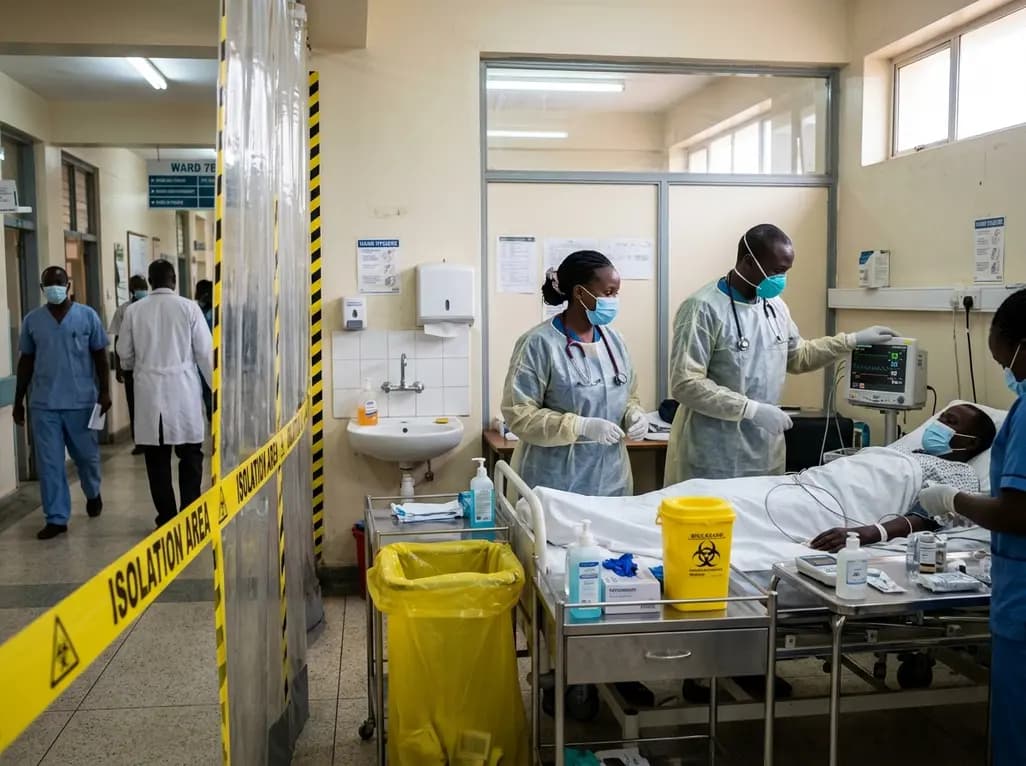
Kenya's confirmation of its eighth Ebola infection highlights the acute risk of secondary transmission in hospital environments. Clinicians must maintain high vigilance, enforce strict infection prevention protocols, and implement rapid triage mechanisms for viral hemorrhagic fevers across healthcare settings.
3 days back
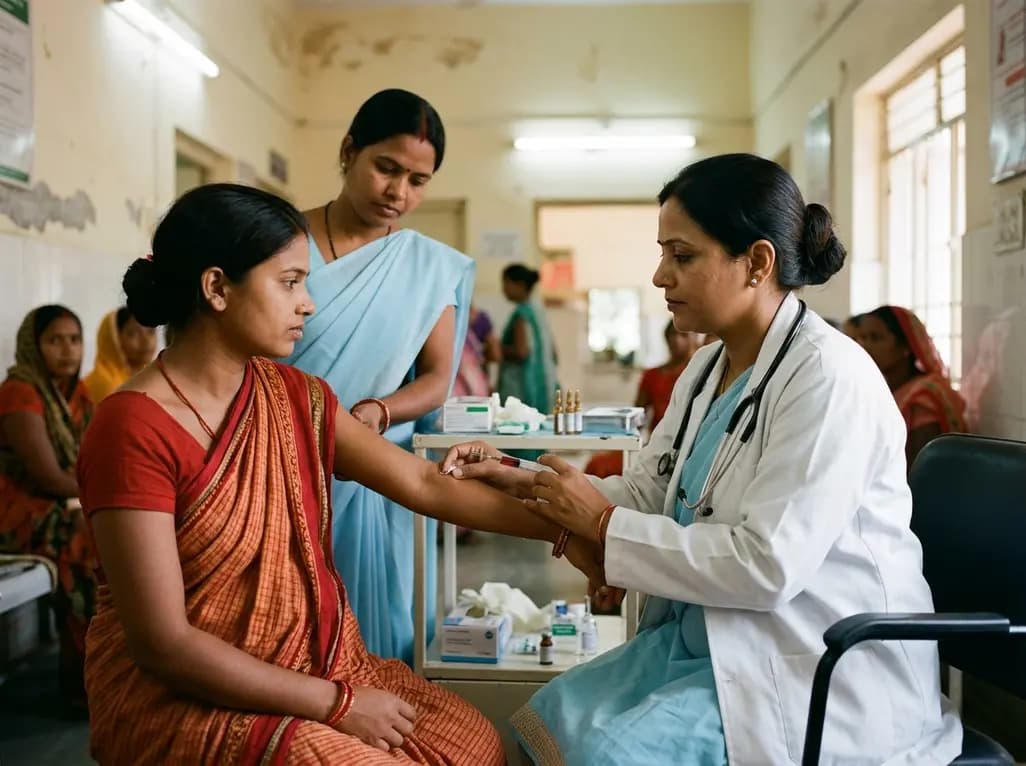
Maternal anaemia contributes to nearly half of pregnancy-related fatalities across India. To prevent complications, Uttar Pradesh has added single-dose parenteral iron to its essential medicines list. This clinical transition aims to restore haemoglobin rapidly and protect high-risk mothers across rural facilities.
Last week

India's food safety authority FSSAI has issued show-cause notices to Gemini Edibles, BigBasket, and Flipkart for unpermitted cardiovascular claims regarding Freedom Rice Bran Oil. This regulatory move highlights the strict enforcement of advertising standards and the clinical necessity of evidence-based lipid care.
5 days back

The state government is deploying helicopter emergency medical services across the Mumbai-Pune Expressway, Samruddhi Mahamarg, and Mumbai-Goa Highway. This initiative establishes unified standard operating procedures to enable rapid triage, advanced prehospital resuscitation, and seamless trauma care transfers.
Last week
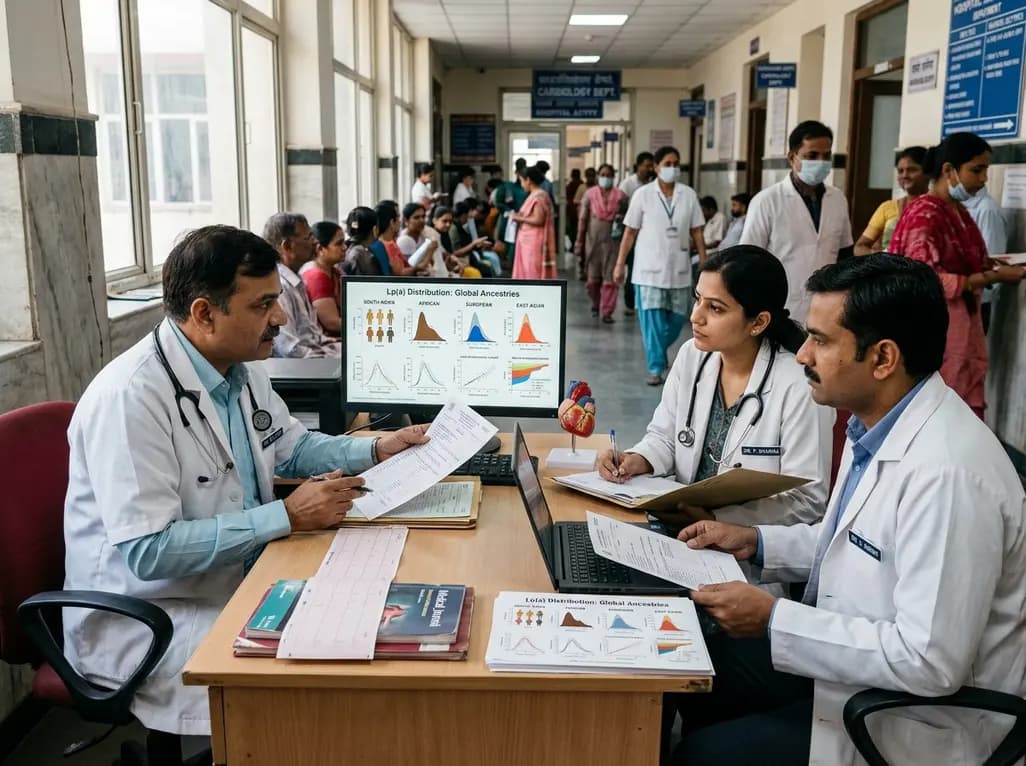
Atherosclerotic cardiovascular disease guidelines often rely on European-derived lipoprotein(a) cutoffs. However, baseline Lp(a) levels vary widely across ancestries, including South Asians and Africans. Clinicians must interpret Lp(a) values within overall absolute cardiovascular risk.
Last week
