.webp&w=384&q=75)

Loading, please wait...
Loading, please wait...
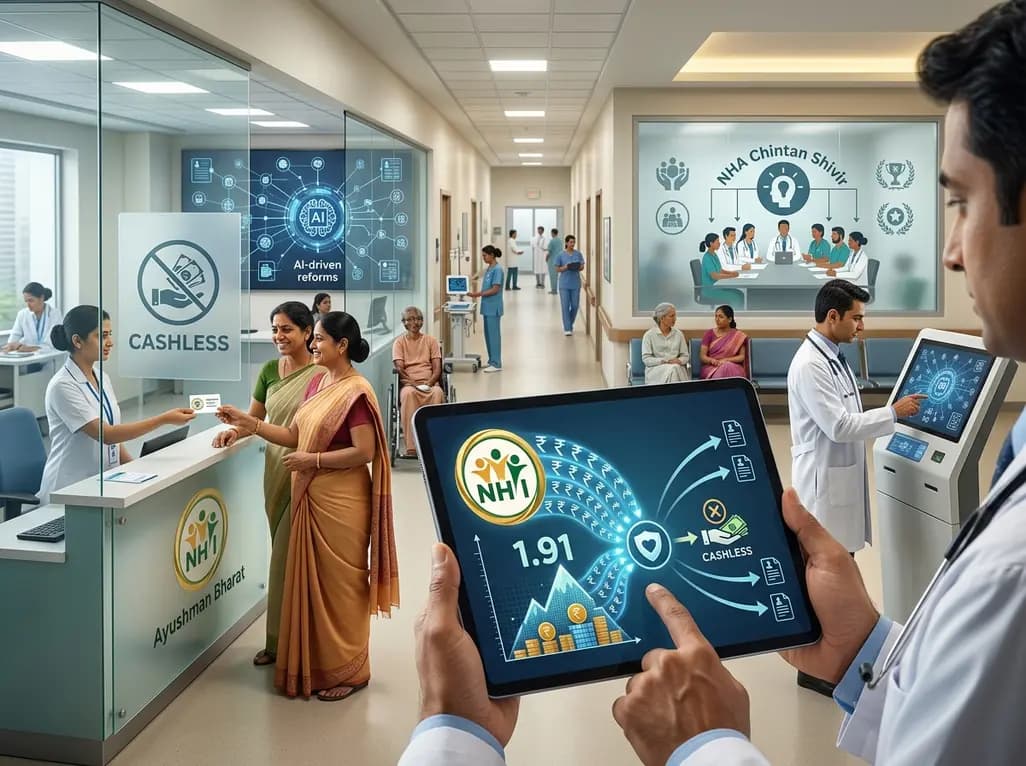
Monumental national policies are driving a massive transformation in the Indian healthcare landscape. Most notably, this flagship health scheme has significantly enhanced cashless healthcare in India for vulnerable families. Recently, Prataprao Jadhav, the Union Minister of State for Health, shared key achievements. Specifically, he highlighted how the Ayushman Bharat Pradhan Mantri Jan Arogya Yojana has successfully altered clinical access. This massive program has now facilitated medical treatments worth over Rs 1.91 lakh crore. Consequently, millions of needy citizens can access life-saving medical services without facing immediate financial distress.
The spirit of 'Antyodaya' deeply guides these massive healthcare reforms. This principle emphasizes serving the very last person in the queue. Therefore, the government designs programs that prioritize marginalized communities. Historically, these vulnerable populations faced catastrophic out-of-pocket medical expenditures. However, the introduction of systematic public health assurance has altered this trajectory. During the National Health Authority's review meeting, officials reiterated their core commitment to this inclusive vision. They emphasized that every single cashless treatment validates this national promise. Consequently, the poorest citizens now receive priority when seeking high-quality clinical interventions. Furthermore, the expansion of empanelled facilities ensures that geographic barriers no longer prevent critical care. As a result, rural families can access the same state-of-the-art medical treatments as urban populations. This inclusive approach directly addresses systemic health inequities across the nation. Moreover, it empowers people to seek timely medical attention instead of delaying treatment due to poverty. Indeed, these targeted health policies provide a reliable shield against severe financial crises for millions of families. Ultimately, this philosophy has become the practical foundation of modern Indian public healthcare delivery.
Over the past seven years, the Ayushman Bharat scheme has evolved into the world's largest health assurance model. It delivers a comprehensive safety net of five lakh rupees per family annually. Consequently, the scheme has successfully minimized the financial burden on vulnerable households. Specifically, the program has facilitated cashless healthcare in India worth over Rs 1.91 lakh crore. This colossal expenditure reflects millions of successful inpatient admissions and complex surgeries. To support this demand, the government has empanelled a vast network of over 37,000 hospitals. Both public and private healthcare facilities participate actively in this network. Thus, patients enjoy the freedom to choose their preferred clinical providers. Additionally, this massive coverage has contributed to a dramatic decline in out-of-pocket health expenditure. Recent reports indicate that national out-of-pocket spending has decreased from 64 percent to 49 percent. This positive shift is a direct result of structured public funding. Moreover, the integration of diverse clinical specialties ensures that patients receive holistic care. Ultimately, this joint effort empowers poor families significantly. Healthcare administrators are now working diligently to sustain this upward trajectory.
Parallel to clinical coverage, the Ayushman Bharat Digital Mission is revolutionizing the nation's technological infrastructure. This mission serves as the digital foundation for a modern, future-ready medical ecosystem. For instance, authorities have already created over 94 crore unique Ayushman Bharat Health Account numbers. Additionally, hospitals have successfully linked more than 100 crore digital health records. This extensive digitization enables seamless sharing of clinical history across different states. Consequently, patients no longer need to carry bulky physical files when seeking second opinions. Instead, doctors can instantly access verified electronic health records. Furthermore, this seamless data flow facilitates quicker diagnostic decisions and minimizes diagnostic redundancies. However, the government is not stopping at these initial achievements. Under the new ABDM 2.0 framework, administrators focus intensely on everyday usability. They aim to make the discovery of nearby facilities simpler for common citizens. Therefore, deeper integration between digital records and the insurance scheme remains a high priority. In short, this technological shift represents the true potential of Digital India. It bridges the gap between complex technology and practical clinical application.
The vast repository of clinical data generated under the national program offers invaluable insights. Specifically, healthcare administrators can analyze regional disease patterns to design targeted interventions. To achieve this, the National Health Authority plans to deploy advanced data analytics. For example, emerging technologies like artificial intelligence can assist in predicting local health crises. Consequently, state governments can allocate resources more efficiently to vulnerable districts. Moreover, these innovative tools help detect and prevent potential claim frauds. This protective measure ensures that authorities utilize public funds honestly. Additionally, the recent launch of upgraded mobile applications has improved citizen engagement. Platforms like the Ayushman app and Aarogya Setu 2.0 empower beneficiaries to check eligibility instantly. Meanwhile, the new National Drug Registry ensures standardization across clinical prescriptions. Therefore, technology-driven reforms are significantly enhancing clinical governance and operational transparency. Furthermore, this proactive approach guarantees that clinical standards constantly reflect real-world outcomes. Ultimately, these unified digital systems enable evidence-based policymaking at the highest levels of government. By leveraging these modern digital tools, India is creating a highly transparent, accountable, and resilient healthcare infrastructure.
During the recent Chintan Shivir, senior government officials drafted a comprehensive roadmap for future expansions. A primary goal is the complete saturation of eligible beneficiaries across all states. For purpose of card generation, local authorities are intensifying drives at the grassroots level. Specifically, they are currently prioritizing the enrollment of essential community workers. These include Accredited Social Health Activists and Anganwadi workers. Furthermore, the government is accelerating the implementation of the Ayushman Vay Vandana Yojana. This specific initiative targets senior citizens aged 70 and above, regardless of income. Consequently, older populations will receive specialized geriatric support and financial protection. To ensure smooth delivery, the NHA released updated guidelines for district implementation units. These compendiums aim to standardize administrative procedures and empower local healthcare coordinators. However, successful execution will require seamless collaboration between central and state governments. Therefore, regular joint reviews will address localized challenges. Overall, collaboration remains vital for achieving sustainable healthcare outcomes. In conclusion, the next phase will focus heavily on quality, reach, and inclusion. This concerted effort will solidify India's position as a global leader in healthcare.
Q1: What are the primary achievements of the AB PM-JAY scheme in terms of funding and empanelled hospitals?
The Ayushman Bharat Pradhan Mantri Jan Arogya Yojana has emerged as a monumental success. Specifically, it has facilitated cashless treatments worth over Rs 1.91 lakh crore. To deliver these benefits, the government empanelled over 37,000 hospitals nationwide. This public-private network ensures that vulnerable families easily access quality medical care. Consequently, they do not face any immediate financial distress or heavy debts.
Q2: How is the Ayushman Bharat Digital Mission transforming health records in India?
The Ayushman Bharat Digital Mission serves as a robust technological foundation. Authorities have already created over 94 crore unique Ayushman Bharat Health Account numbers. Furthermore, the system successfully linked more than 100 crore digital records. Consequently, patients can seamlessly share their medical histories across states. This interoperable network reduces diagnostic redundancies and empowers clinical teams to make accurate healthcare decisions.
Q3: What specific focus areas are outlined for the next phase of AB PM-JAY reforms?
During the recent national review, administrators outlined vital priorities for the future. Crucially, the government aims to achieve complete saturation of eligible beneficiaries. This includes the rapid enrollment of Accredited Social Health Activists and Anganwadi workers. Additionally, officials are rapidly accelerating the implementation of the Ayushman Vay Vandana Yojana. This program provides five lakh rupees in annual health coverage to senior citizens. Crucially, this benefit applies regardless of their socio-economic or income status.
Disclaimer: This content is for informational and educational purposes only. It does not constitute medical advice or replace professional judgment. Refer to the latest local and national guidelines for clinical practice.
References

Read summarized clinical updates, watch expert medical content, and earn CME certifications right from your smartphone.
Open your smartphone camera to scan and install.





India's flagship health assurance scheme, AB PM-JAY, has delivered over Rs 1.91 lakh crore in cashless treatment. This comprehensive review highlights key achievements from the NHA's Chintan Shivir, detailing how digital health records and AI-driven reforms are revolutionizing the healthcare landscape.
3 months ago
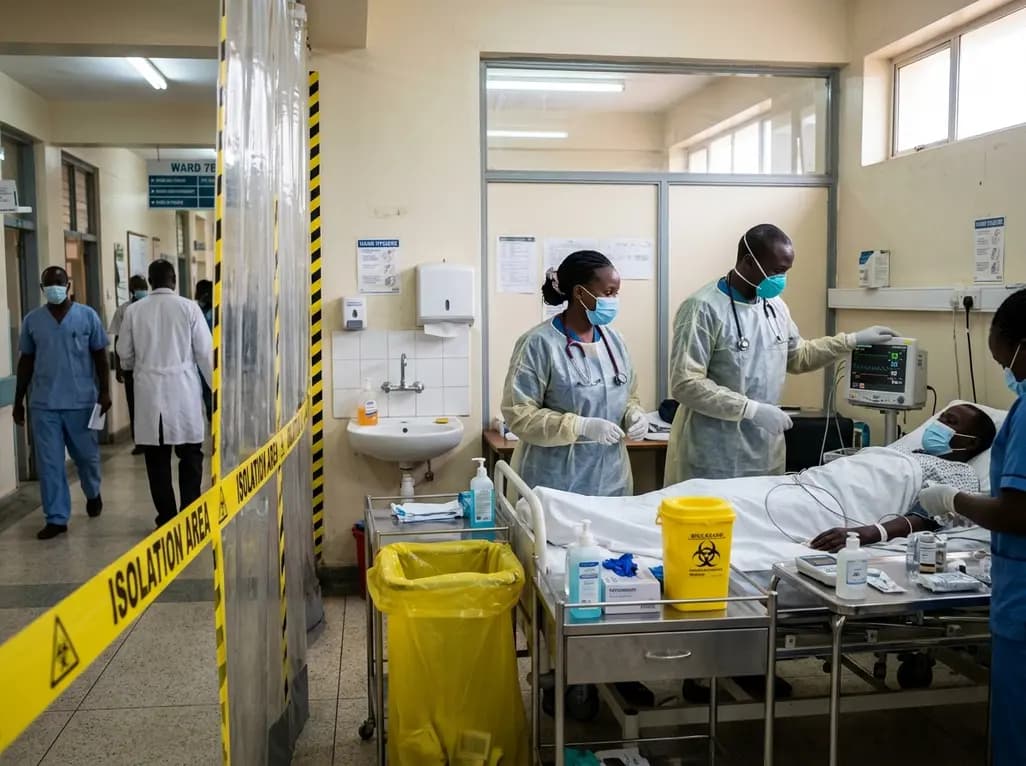
Kenya's confirmation of its eighth Ebola infection highlights the acute risk of secondary transmission in hospital environments. Clinicians must maintain high vigilance, enforce strict infection prevention protocols, and implement rapid triage mechanisms for viral hemorrhagic fevers across healthcare settings.
4 days back
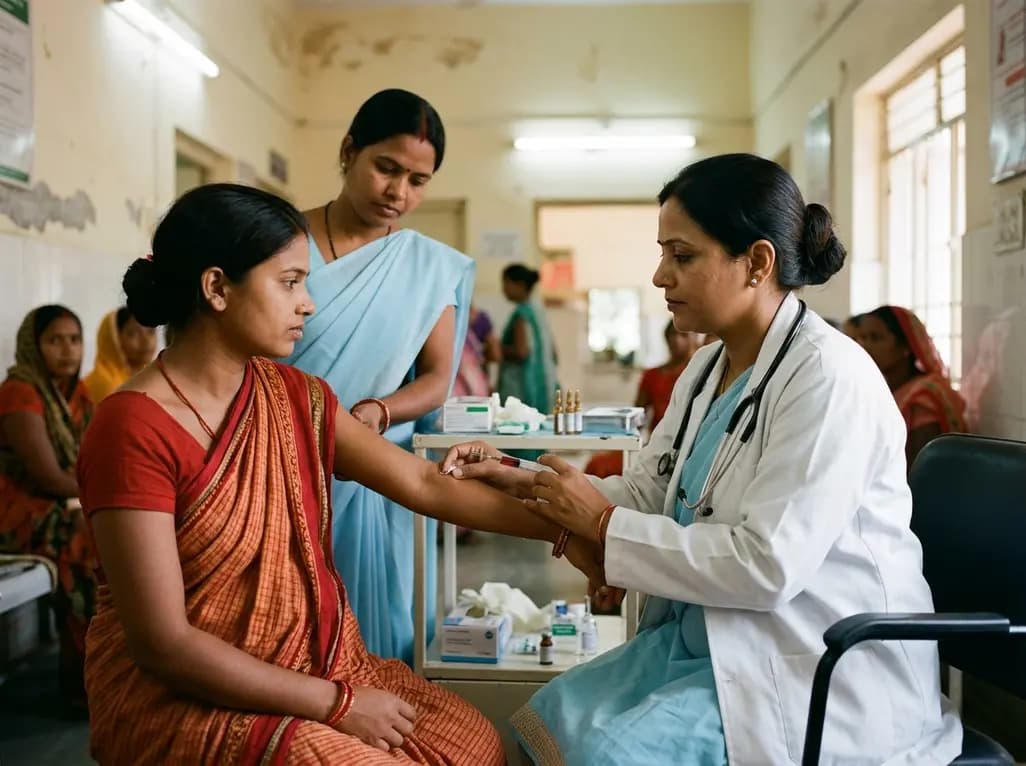
Maternal anaemia contributes to nearly half of pregnancy-related fatalities across India. To prevent complications, Uttar Pradesh has added single-dose parenteral iron to its essential medicines list. This clinical transition aims to restore haemoglobin rapidly and protect high-risk mothers across rural facilities.
Last week
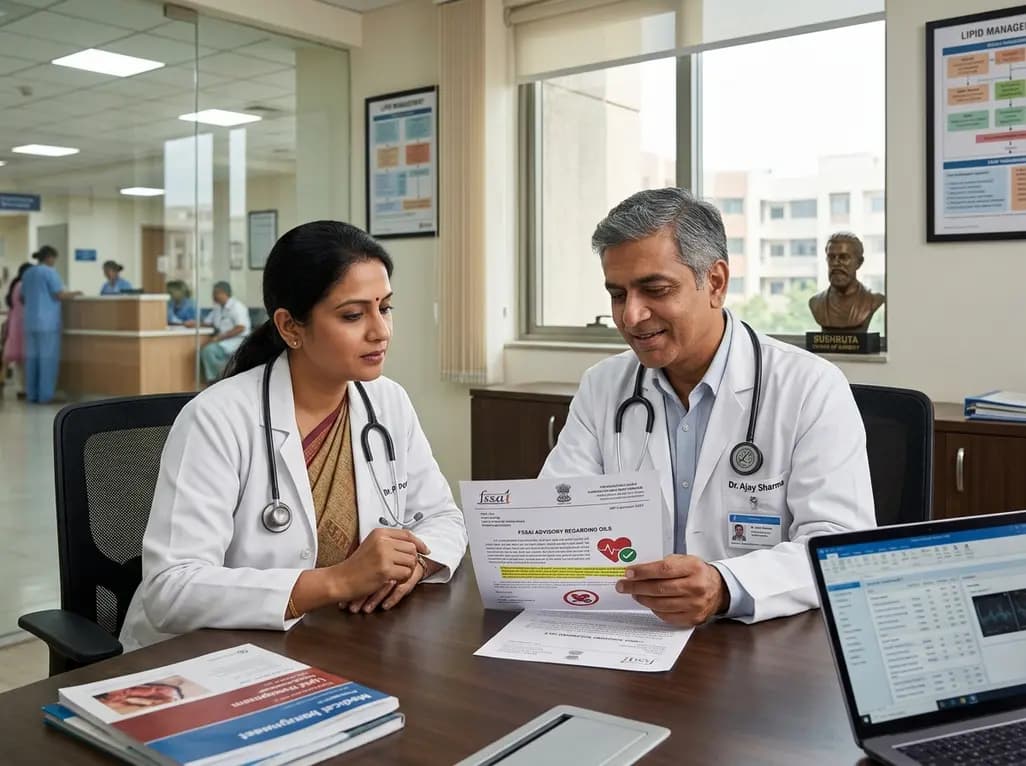
India's food safety authority FSSAI has issued show-cause notices to Gemini Edibles, BigBasket, and Flipkart for unpermitted cardiovascular claims regarding Freedom Rice Bran Oil. This regulatory move highlights the strict enforcement of advertising standards and the clinical necessity of evidence-based lipid care.
6 days back
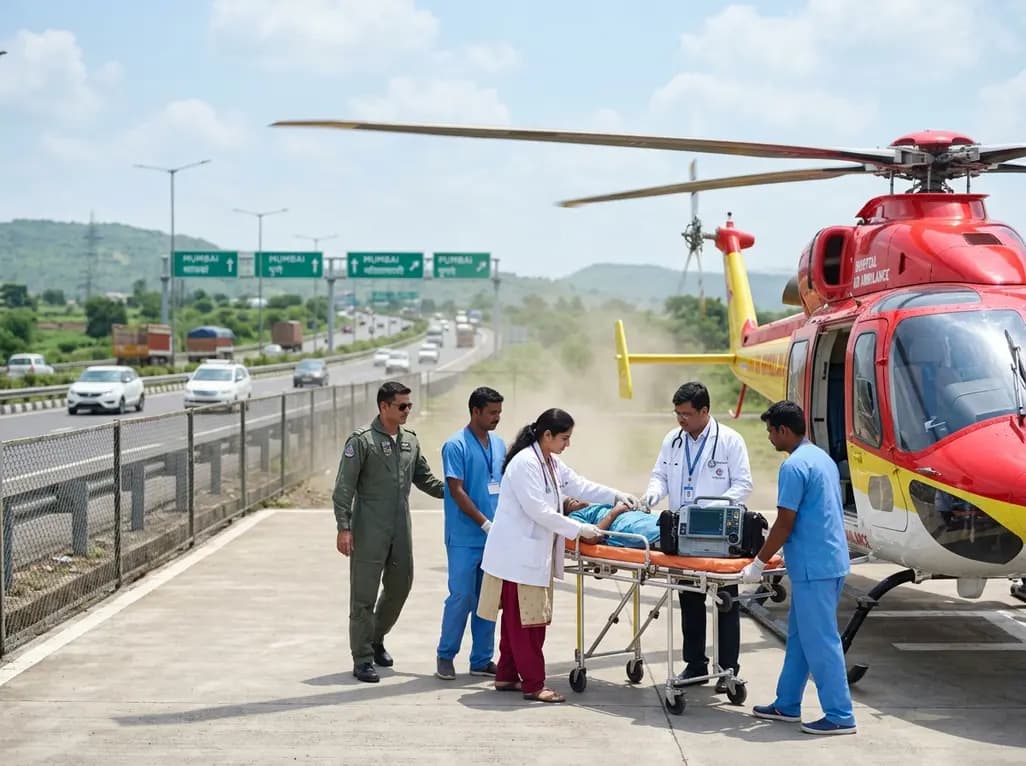
The state government is deploying helicopter emergency medical services across the Mumbai-Pune Expressway, Samruddhi Mahamarg, and Mumbai-Goa Highway. This initiative establishes unified standard operating procedures to enable rapid triage, advanced prehospital resuscitation, and seamless trauma care transfers.
Last week
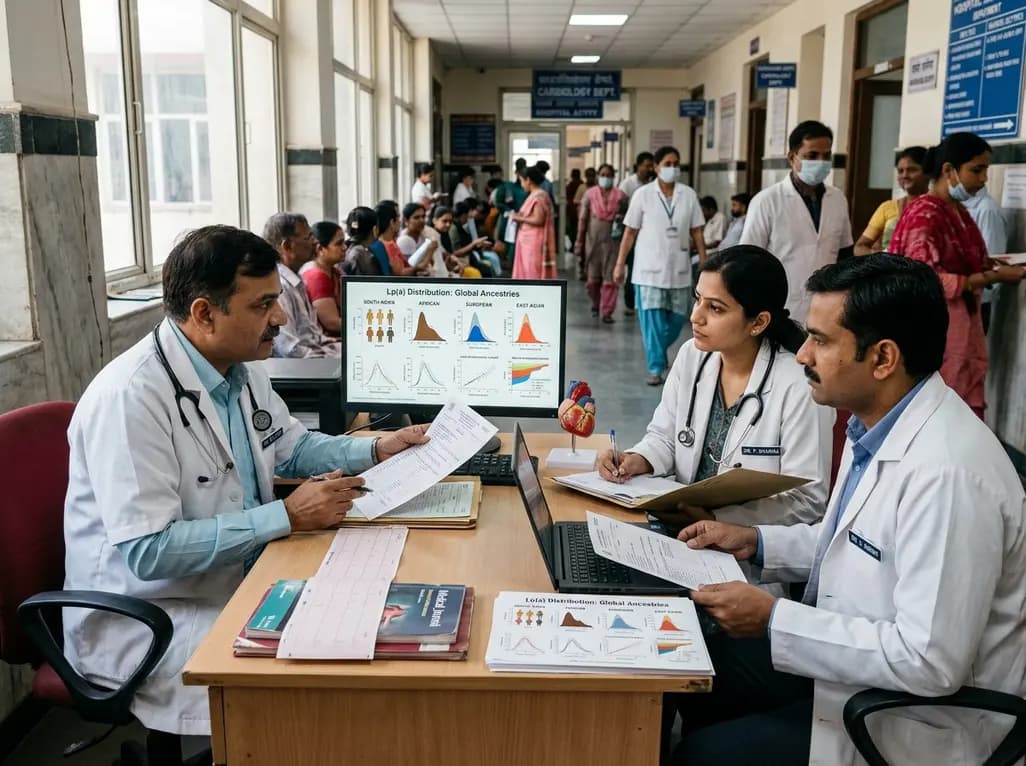
Atherosclerotic cardiovascular disease guidelines often rely on European-derived lipoprotein(a) cutoffs. However, baseline Lp(a) levels vary widely across ancestries, including South Asians and Africans. Clinicians must interpret Lp(a) values within overall absolute cardiovascular risk.
Last week
