.webp&w=384&q=75)

Loading, please wait...
Loading, please wait...

The latest findings from the National Family Health Survey-6 (NFHS-6) show a rapid rise in obesity rates across India. Consequently, healthcare experts warn that many young adults possess a cardiac age that far exceeds their chronological age. This metabolic shift significantly elevates the early onset of cardiovascular diseases.
According to the survey, 30.7% of women aged 15-49 were overweight or obese in 2023-24, compared to 24% in the previous round. Similarly, obesity among men rose from 22.9% to 27.3% during the same period. This trend, coupled with rising diabetes and hypertension, poses a significant threat to public health. Moreover, urban areas showed a higher prevalence of obesity compared to rural regions. Experts emphasize that the silent epidemic of visceral adiposity is sweeping South Asia. Consequently, younger populations are developing early-onset cardiometabolic diseases at lower body weights.
Chronological age often fails to reflect actual cardiovascular health. Specifically, cardiac age measures the biological condition of the heart and blood vessels based on key cardiovascular risk factors. A sedentary lifestyle, coupled with chronic stress and poor diet, rapidly accelerates cardiovascular decline. Therefore, a 35-year-old individual with multiple risk factors can have the cardiovascular profile of a 60-year-old. Furthermore, excess visceral fat behaves like an active endocrine organ, constantly releasing inflammatory signals that damage blood vessels. Consequently, significant cardiovascular damage can accumulate silently years before any clinical symptoms manifest.
Fortunately, patients can entirely prevent and even reverse accelerated heart ageing. Clinical evidence suggests that regular physical exercise and healthy eating habits significantly reduce visceral fat. In addition, avoiding ultra-processed foods and carbonated drinks lowers the risk of insulin resistance. Doctors also recommend maintaining 7 to 8 hours of restorative sleep each night. Additionally, strict control of diabetes, hypertension, and abnormal lipid levels remains vital. Consequently, proactive lifestyle modifications are the best investment for a younger and healthier heart.
Q1: What is cardiac age and how does it differ from chronological age?
Cardiac age is a measure of the biological health and physiological condition of the heart and blood vessels. Unlike chronological age, which is based on the calendar years a person has lived, cardiac age is calculated using cardiovascular risk factors such as blood pressure, glucose control, and lifestyle habits.
Q2: Why is abdominal obesity particularly dangerous for cardiovascular health?
Abdominal or visceral obesity is dangerous because this fat wraps around vital internal organs. Unlike subcutaneous fat, visceral fat acts like an endocrine organ that constantly produces inflammatory signals and drives insulin resistance, which silently damages blood vessels.
Q3: How can patients improve or reverse an advanced cardiac age?
Patients can improve their cardiac age through weight management, regular physical activity, and eating a healthy diet while avoiding ultra-processed foods and carbonated drinks. Additionally, getting 7 to 8 hours of sleep and managing clinical risk factors like diabetes and hypertension are critical.
Disclaimer: This content is for informational and educational purposes only. It does not constitute medical advice or replace professional judgment. Refer to the latest local and national guidelines for clinical practice.
References

Read summarized clinical updates, watch expert medical content, and earn CME certifications right from your smartphone.
Open your smartphone camera to scan and install.





The National Family Health Survey-6 reveals a sharp rise in obesity in India. Consequently, experts warn that many young adults have a cardiac age much older than their chronological age, significantly increasing cardiovascular risk. Learn how metabolic and visceral fat factors drive this silent health epidemic.
4 months ago
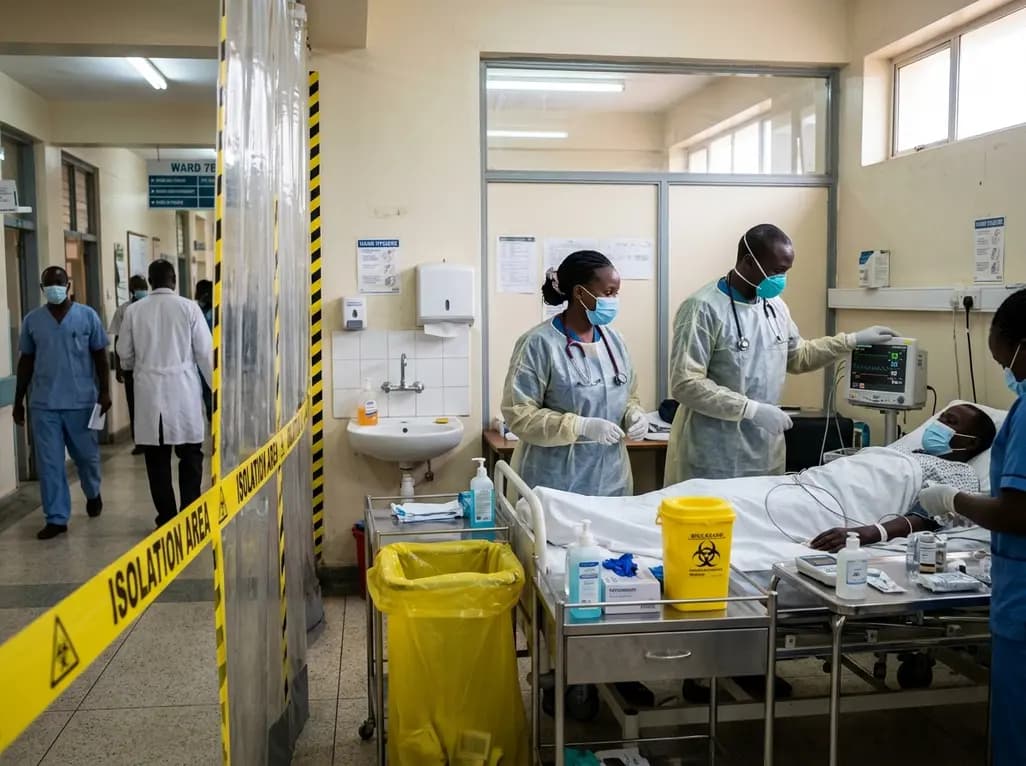
Kenya's confirmation of its eighth Ebola infection highlights the acute risk of secondary transmission in hospital environments. Clinicians must maintain high vigilance, enforce strict infection prevention protocols, and implement rapid triage mechanisms for viral hemorrhagic fevers across healthcare settings.
3 days back
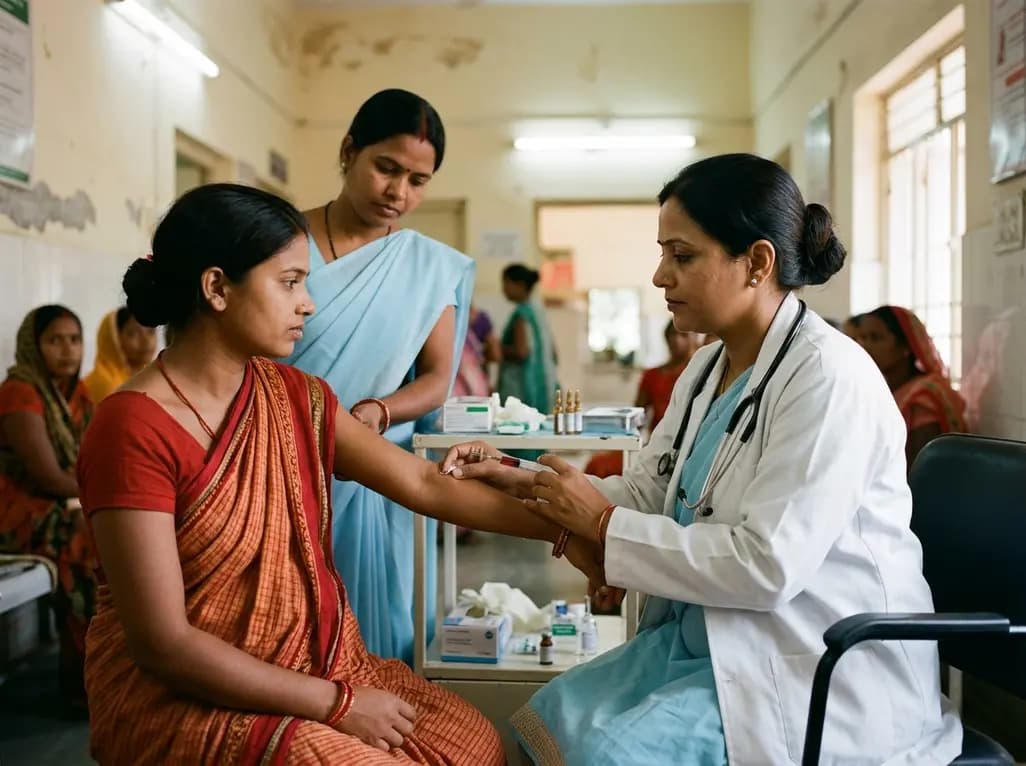
Maternal anaemia contributes to nearly half of pregnancy-related fatalities across India. To prevent complications, Uttar Pradesh has added single-dose parenteral iron to its essential medicines list. This clinical transition aims to restore haemoglobin rapidly and protect high-risk mothers across rural facilities.
Last week

India's food safety authority FSSAI has issued show-cause notices to Gemini Edibles, BigBasket, and Flipkart for unpermitted cardiovascular claims regarding Freedom Rice Bran Oil. This regulatory move highlights the strict enforcement of advertising standards and the clinical necessity of evidence-based lipid care.
5 days back

The state government is deploying helicopter emergency medical services across the Mumbai-Pune Expressway, Samruddhi Mahamarg, and Mumbai-Goa Highway. This initiative establishes unified standard operating procedures to enable rapid triage, advanced prehospital resuscitation, and seamless trauma care transfers.
Last week
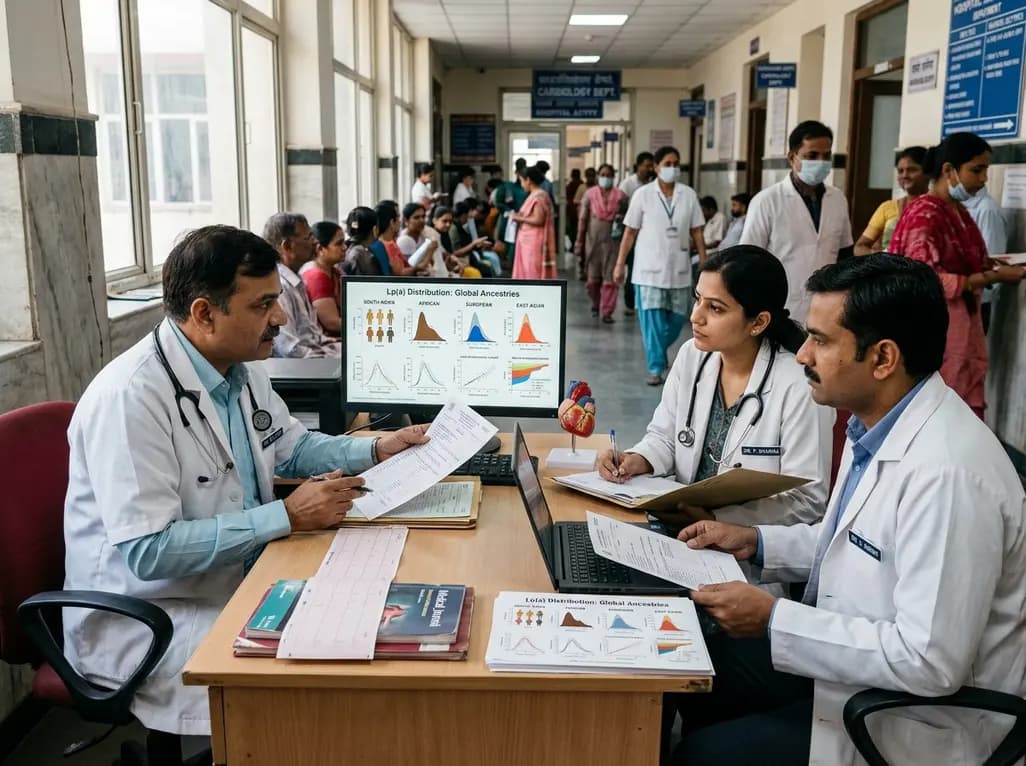
Atherosclerotic cardiovascular disease guidelines often rely on European-derived lipoprotein(a) cutoffs. However, baseline Lp(a) levels vary widely across ancestries, including South Asians and Africans. Clinicians must interpret Lp(a) values within overall absolute cardiovascular risk.
Last week
