.webp&w=384&q=75)

Loading, please wait...
Loading, please wait...

Black communities in Canada face a significantly increasing burden of the national HIV epidemic. While they represent less than 5% of the total population, they accounted for 27% of new HIV cases in 2023. This stark disparity underscores the critical need for HIV health equity across all levels of public health and research policy. Moreover, Black individuals have an elevated risk of AIDS-related mortality compared to white Canadians. This gap has persisted and grown over the last four decades despite various interventions.
The concept of 'Black Emancipation' serves as a transformational framework to address these disparities. It distinguishes between 19th-century legal freedom and the ongoing systemic barriers that hinder Black livelihoods today. Specifically, the framework encourages researchers to look at how past policies may have reproduced health inequities. By prioritizing self-determined and community-focused advocacy, experts aim to reshape the trajectory of the epidemic. Furthermore, the 2022 Black HIV Manifesto provides a roadmap for this evidence-informed approach.
Scholars identify several new directions for clinical practice and research. These directions foreground community-led scholarship and a reimagined policy response. Consequently, the goal is to shift from reactive measures to proactive, culturally responsive systems. Such changes are essential to dismantle the structural racism embedded in healthcare. Ultimately, the focus remains on ensuring that resources and urgency match the scale of the crisis.
The Black HIV Manifesto is a 2022 document created by the Interim Committee on HIV among Black Communities in Canada. It outlines community-led and evidence-informed advocacy strategies to address the HIV crisis.
While legal emancipation occurred in the 19th century, the Black Emancipation framework focuses on overcoming modern systemic \"amputations\" of livelihoods and health inequities that persist today.
Disclaimer: This content is for informational and educational purposes only. It does not constitute professional medical advice, diagnosis, or treatment. Always seek the advice of your physician or other qualified health provider with any questions you may have regarding a medical condition. Refer to the latest local and national guidelines for clinical practice.
References
1. Husbands W et al. Black Emancipation and the Burden of Canada's HIV Epidemic among Black Communities. J Racial Ethn Health Disparities. 2026 Jun 19. doi: 10.1007/s40615-026-03027-6. PMID: 42319735.
2. Public Health Agency of Canada. HIV in Canada, Surveillance Report to December 31, 2023. Ottawa: Government of Canada; 2025.
3. Husbands W et al. A Manifesto for transformative action on HIV among Black communities in Canada. J Racial Ethn Health Disparities. 2024;11(1):1-10.
"
Read summarized clinical updates, watch expert medical content, and earn CME certifications right from your smartphone.
Open your smartphone camera to scan and install.





Black communities in Canada represent 27% of new HIV cases despite being only 5% of the population. A new 'Black Emancipation' framework and the 2022 Black HIV Manifesto aim to address these systemic inequities through community-led advocacy and policy reform to achieve better health outcomes.
4 months ago

Kenya's confirmation of its eighth Ebola infection highlights the acute risk of secondary transmission in hospital environments. Clinicians must maintain high vigilance, enforce strict infection prevention protocols, and implement rapid triage mechanisms for viral hemorrhagic fevers across healthcare settings.
3 days back
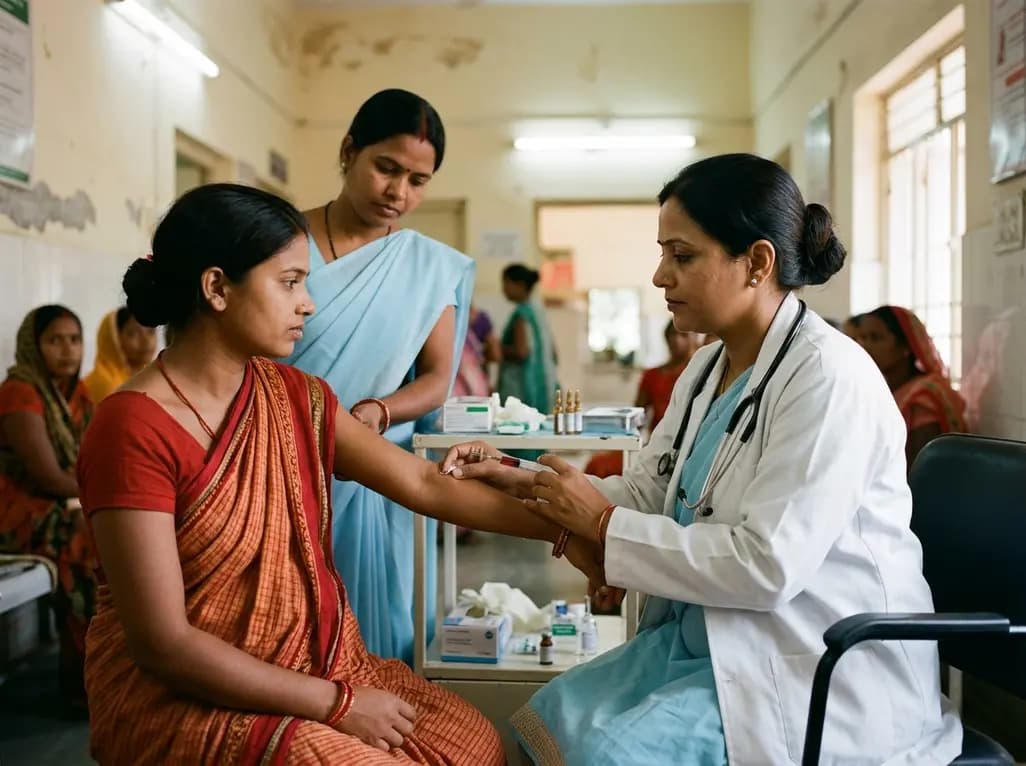
Maternal anaemia contributes to nearly half of pregnancy-related fatalities across India. To prevent complications, Uttar Pradesh has added single-dose parenteral iron to its essential medicines list. This clinical transition aims to restore haemoglobin rapidly and protect high-risk mothers across rural facilities.
Last week

India's food safety authority FSSAI has issued show-cause notices to Gemini Edibles, BigBasket, and Flipkart for unpermitted cardiovascular claims regarding Freedom Rice Bran Oil. This regulatory move highlights the strict enforcement of advertising standards and the clinical necessity of evidence-based lipid care.
5 days back

The state government is deploying helicopter emergency medical services across the Mumbai-Pune Expressway, Samruddhi Mahamarg, and Mumbai-Goa Highway. This initiative establishes unified standard operating procedures to enable rapid triage, advanced prehospital resuscitation, and seamless trauma care transfers.
Last week
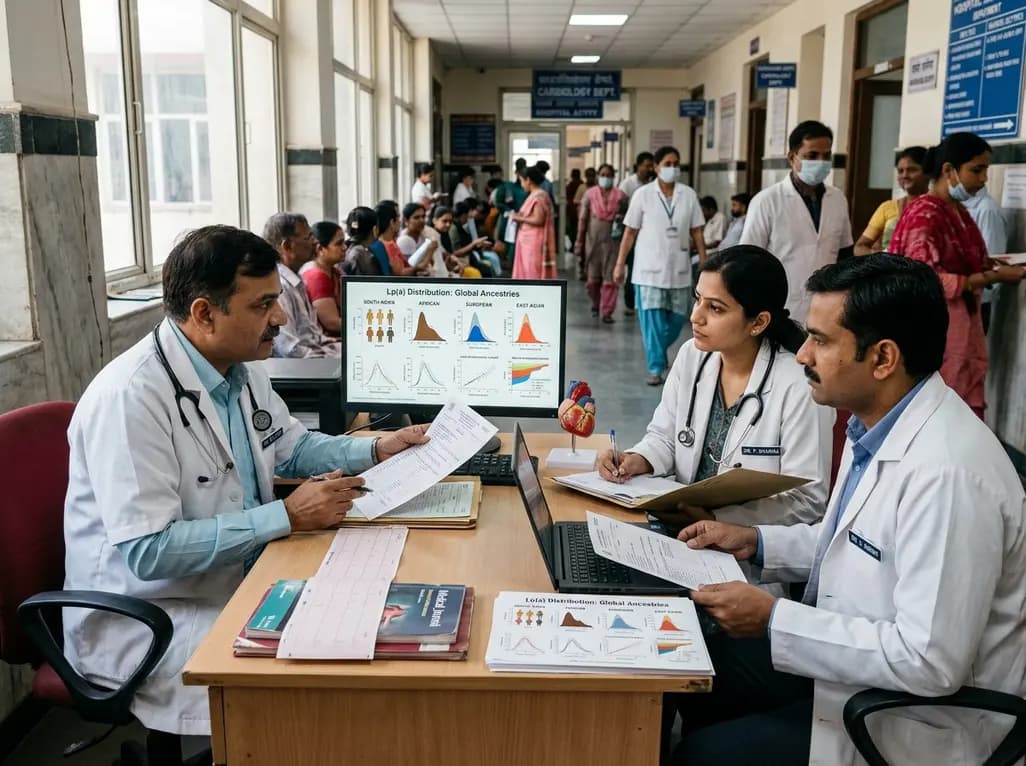
Atherosclerotic cardiovascular disease guidelines often rely on European-derived lipoprotein(a) cutoffs. However, baseline Lp(a) levels vary widely across ancestries, including South Asians and Africans. Clinicians must interpret Lp(a) values within overall absolute cardiovascular risk.
Last week
