.webp&w=384&q=75)

Loading, please wait...
Loading, please wait...
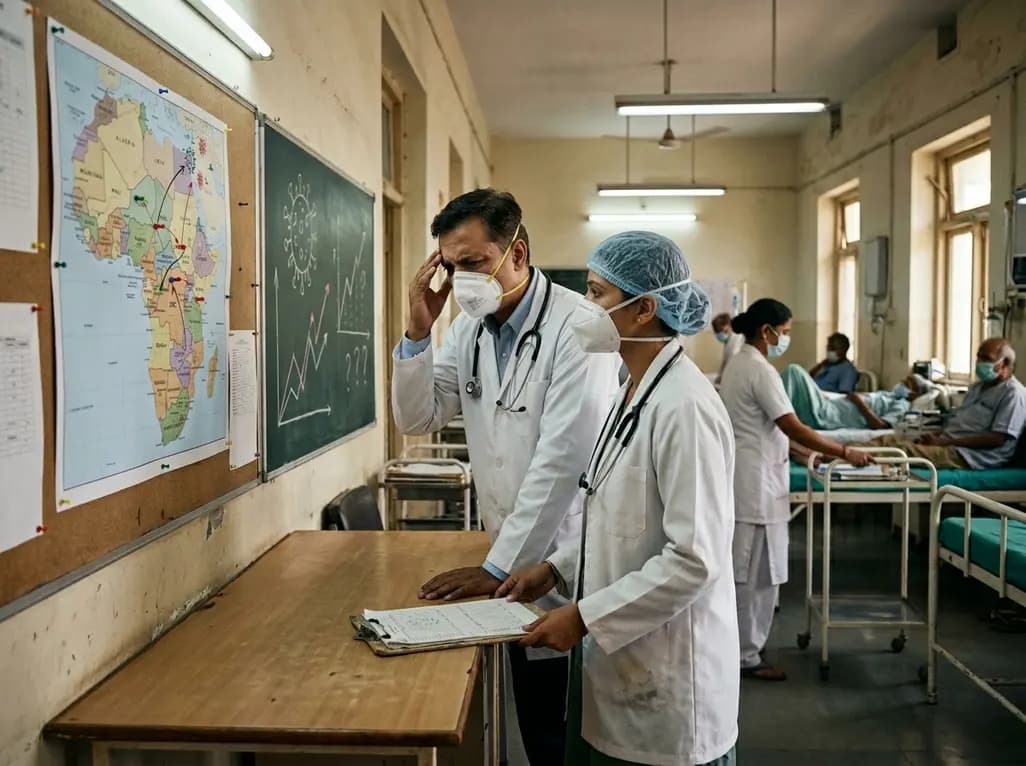
The Democratic Republic of the Congo (DRC) is currently facing a rapid escalation in its 17th Ebola epidemic. Specifically, authorities recently confirmed that the Bundibugyo virus outbreak has reached 782 cases and 181 deaths. In addition, this pathogen differs significantly from the more common Zaire strain. Consequently, global healthcare agencies are closely monitoring the spread to prevent wider transmission.
Historically, the Zaire ebolavirus caused most of Congo's past Ebola outbreaks. However, the current epidemic involves the rare Bundibugyo species. Indeed, existing vaccines and monoclonal antibody therapies do not protect against this strain. Therefore, clinicians must rely entirely on early supportive care to improve patient survival. This care includes aggressive fluid resuscitation, electrolyte correction, and symptomatic treatment. Currently, the fatality rate of this outbreak stands at approximately 23%.
Managing this outbreak is exceptionally difficult due to complex regional issues. First, ongoing armed conflict in the eastern province of Ituri has displaced nearly a million people. As a result, tracing contacts is extremely difficult because communities move constantly. Second, many artisanal miners frequently travel between remote, forested areas, which complicates tracking even further. Furthermore, community skepticism and attacks on health workers continue to hinder active intervention. Because of these factors, the contact tracing coverage rate has sharply decreased to 56%.
The virus has already spread across the border into neighboring Uganda. Consequently, international bodies have declared this epidemic a Public Health Emergency of International Concern. In response to the threat, organizations are scaling up regional preparedness. Specifically, the CDC and other agencies are implementing enhanced travel screening measures. However, the lack of approved therapeutics remains a major bottleneck. Therefore, researchers must accelerate clinical trials for Bundibugyo-specific candidate vaccines to prevent future global threats.
Q1: Why are existing Ebola vaccines ineffective against this outbreak?
Researchers specifically developed existing Ebola vaccines, such as Ervebo, to target the Zaire ebolavirus strain. Indeed, the rare Bundibugyo virus species causes this outbreak. Consequently, these vaccines and current monoclonal antibody therapies do not offer protection.
Q2: What are the primary symptoms and treatment options for Bundibugyo virus disease?
Symptoms resemble other Ebola infections and include fever, severe headache, muscle pain, vomiting, and unexplained bleeding. However, no approved targeted antiviral therapies exist for the Bundibugyo strain. Therefore, clinicians must rely entirely on early supportive care, including intensive fluid and electrolyte management.
Q3: Why is contact tracing particularly challenging in the current outbreak?
First, ongoing armed conflict has displaced nearly a million people in the affected regions. Second, the high mobility of artisanal miners across remote areas complicates tracking. Furthermore, community skepticism and attacks on health workers continue to hinder surveillance efforts.
Disclaimer: This content is for informational and educational purposes only. It does not constitute medical advice or replace professional judgment. Refer to the latest local and national guidelines for clinical practice.
References

Read summarized clinical updates, watch expert medical content, and earn CME certifications right from your smartphone.
Open your smartphone camera to scan and install.





As confirmed Ebola cases in the Democratic Republic of the Congo climb to 782 with 181 deaths, health officials face severe tracking and treatment hurdles. The rare Bundibugyo strain lacks approved vaccines, while ongoing conflict and community displacement further complicate active contact tracing efforts.
4 months ago
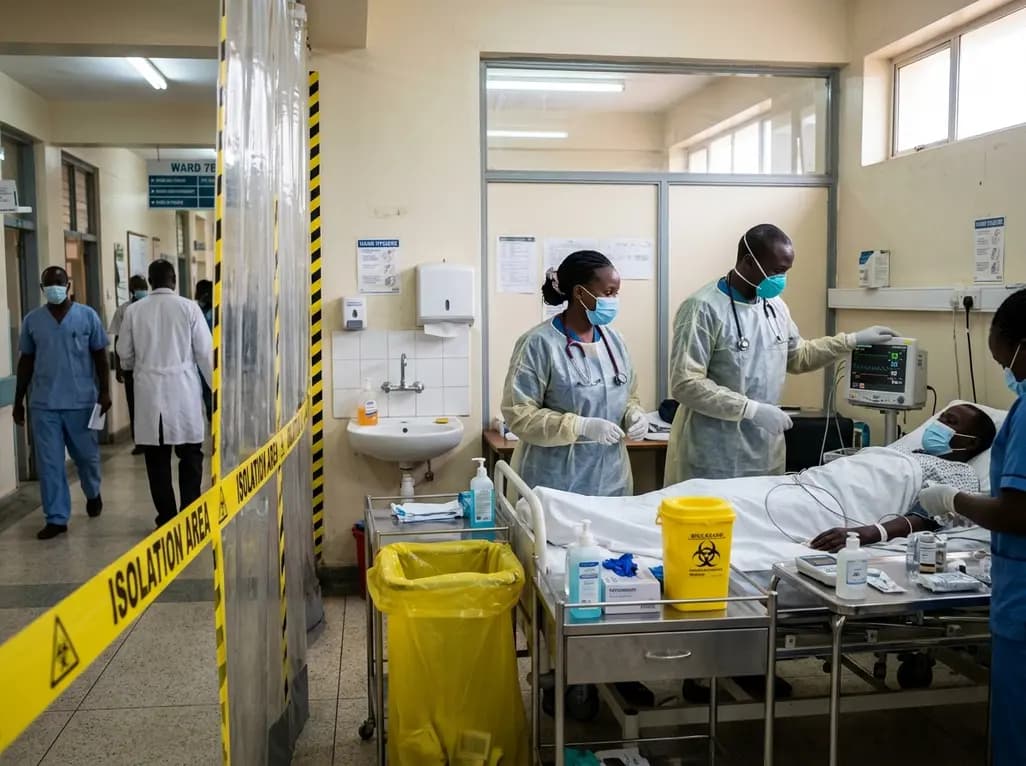
Kenya's confirmation of its eighth Ebola infection highlights the acute risk of secondary transmission in hospital environments. Clinicians must maintain high vigilance, enforce strict infection prevention protocols, and implement rapid triage mechanisms for viral hemorrhagic fevers across healthcare settings.
4 days back
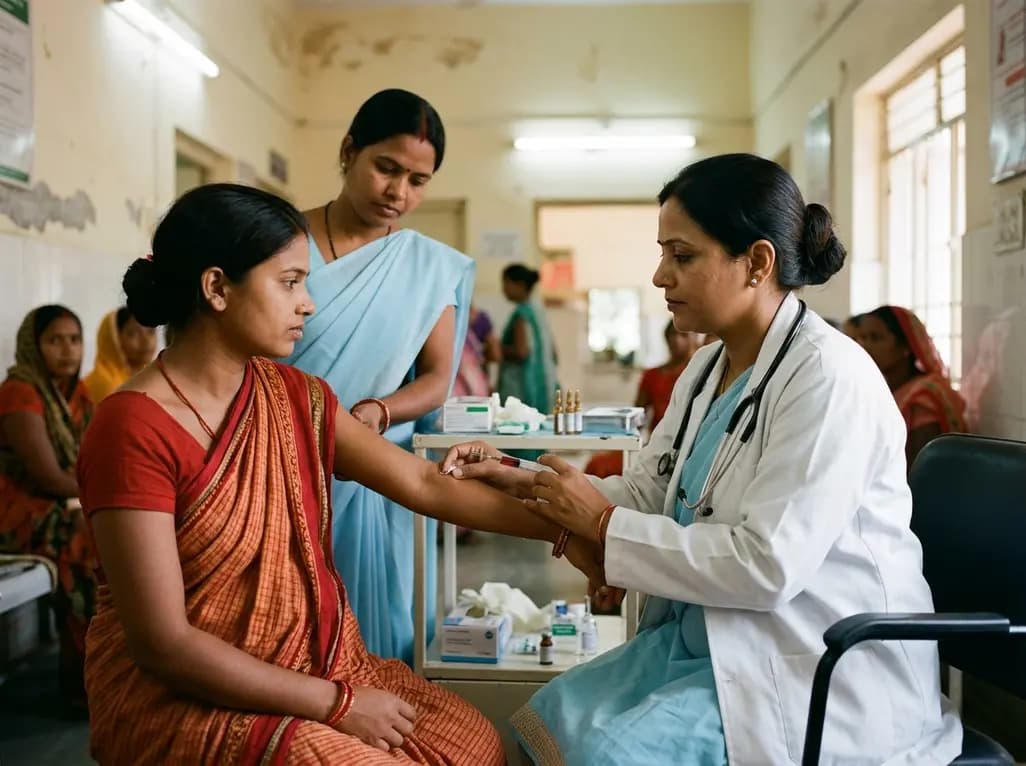
Maternal anaemia contributes to nearly half of pregnancy-related fatalities across India. To prevent complications, Uttar Pradesh has added single-dose parenteral iron to its essential medicines list. This clinical transition aims to restore haemoglobin rapidly and protect high-risk mothers across rural facilities.
Last week

India's food safety authority FSSAI has issued show-cause notices to Gemini Edibles, BigBasket, and Flipkart for unpermitted cardiovascular claims regarding Freedom Rice Bran Oil. This regulatory move highlights the strict enforcement of advertising standards and the clinical necessity of evidence-based lipid care.
6 days back
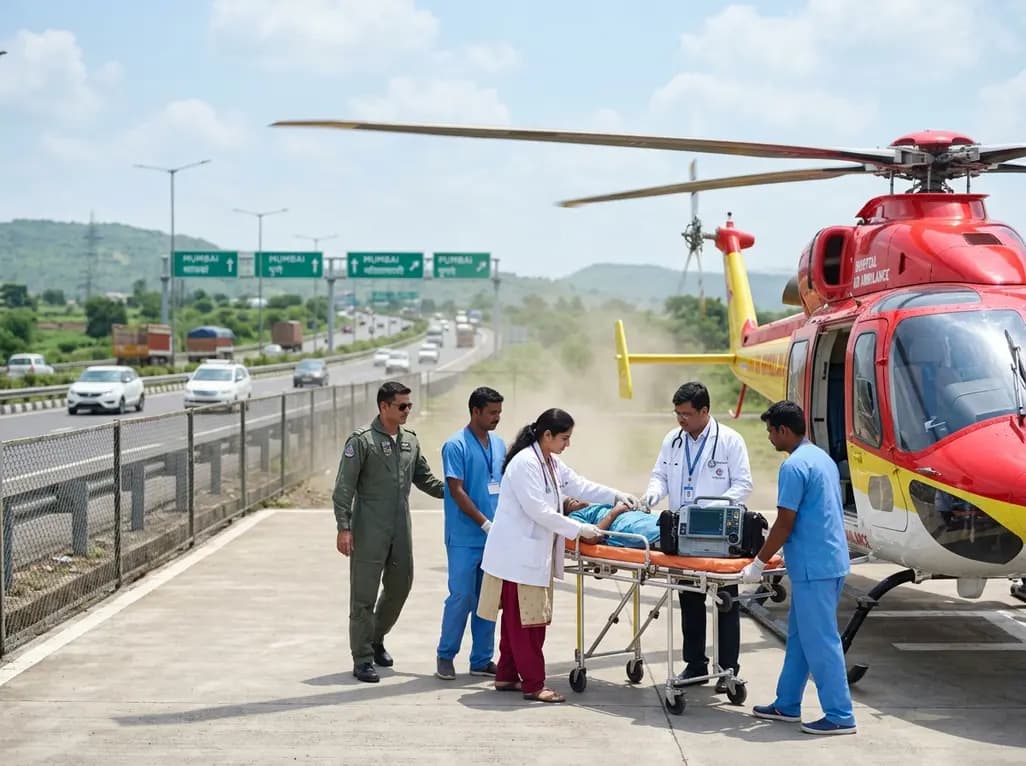
The state government is deploying helicopter emergency medical services across the Mumbai-Pune Expressway, Samruddhi Mahamarg, and Mumbai-Goa Highway. This initiative establishes unified standard operating procedures to enable rapid triage, advanced prehospital resuscitation, and seamless trauma care transfers.
Last week
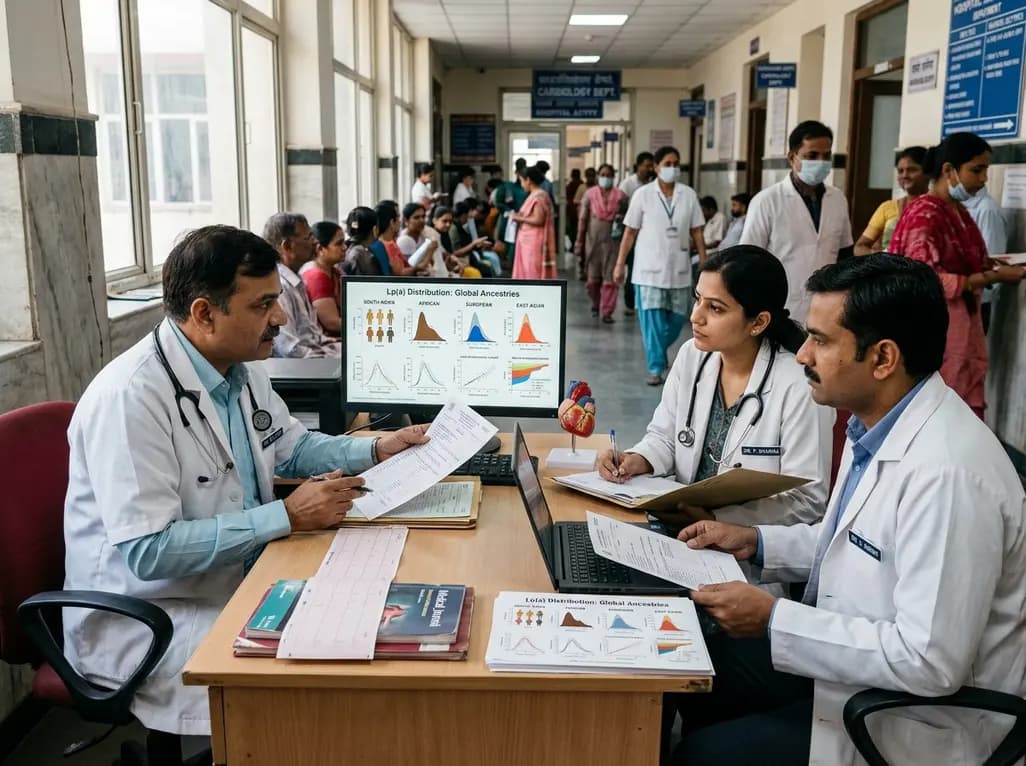
Atherosclerotic cardiovascular disease guidelines often rely on European-derived lipoprotein(a) cutoffs. However, baseline Lp(a) levels vary widely across ancestries, including South Asians and Africans. Clinicians must interpret Lp(a) values within overall absolute cardiovascular risk.
Last week
