.webp&w=384&q=75)

Loading, please wait...
Loading, please wait...
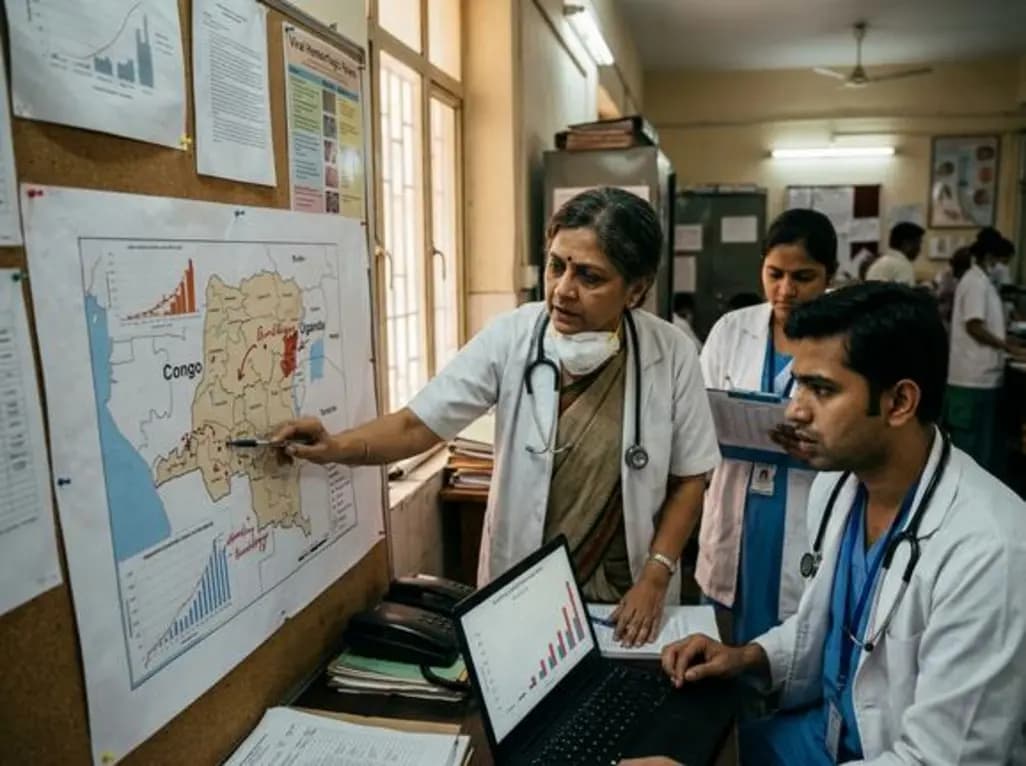
The ongoing Bundibugyo Ebola outbreak in the Democratic Republic of the Congo (DRC) and Uganda has escalated dramatically. Recent reports from Africa CDC show that cases have surged by nearly 40% in a single week. Consequently, the official death toll has now surpassed 200. This highly aggressive spread makes it the worst known outbreak at this stage. Furthermore, health authorities have identified up to 35,000 potential contacts who require close monitoring.
Unlike the more common Zaire strain, the Bundibugyo ebolavirus currently lacks approved vaccines or specific therapeutic treatments. While there is a highly effective vaccine for the Zaire virus, health workers cannot use it for this strain. Because of this gap, medical experts are rapidly testing experimental treatments. For instance, monoclonal antibodies are currently undergoing clinical development to combat the infection. Meanwhile, the clinical presentation remains highly severe, requiring supportive care to improve survival rates.
Several critical factors are currently hindering effective containment efforts in the region. First, ongoing insecurity and conflict in Congo’s northeastern Ituri province have displaced nearly a million people. As a result, tracking and monitoring contacts has become incredibly difficult. Additionally, health workers have successfully traced and evaluated fewer than 15% of identified contacts. Furthermore, the vast geographical terrain, characterized by dense forests and poor roads, delays critical medical response. Consequently, reaching remote mining sites can take days, which allows the virus to spread silently among highly mobile miners.
In addition to logistical issues, severe resource shortages continue to complicate the international response. For example, donors have pledged over $900 million to fight the outbreak, but authorities have released only $90 million so far. This massive funding gap severely restricts immediate intervention. Moreover, Africa CDC faces a critical shortage of trained medical personnel on the ground. Specifically, they have deployed only 84 out of the estimated 540 responders needed. Therefore, global health partners must accelerate their financial and logistical commitments to prevent a wider international crisis.
Q1: Why is the current Bundibugyo Ebola outbreak more difficult to control than previous ones?
Unlike the Zaire strain, the Bundibugyo ebolavirus has no approved vaccines or specific treatments available. Additionally, ongoing conflict, massive population displacement, and remote terrain in eastern Congo severely disrupt contact tracing and containment efforts.
Q2: How does the Bundibugyo virus differ from the Zaire ebolavirus?
The Zaire virus is the most common cause of Ebola outbreaks. Consequently, scientists have developed effective vaccines and treatments for it. Conversely, the Bundibugyo virus is rare, and medical researchers are still developing experimental treatments, such as monoclonal antibodies, to manage it.
Q3: How many potential contacts have health workers successfully traced?
Currently, health officials have successfully tracked and evaluated fewer than 15% of the estimated 17,000 to 35,000 potential contacts. This low tracking rate represents a major obstacle to stopping transmission chains in the region.
Disclaimer: This content is for informational and educational purposes only. It does not constitute medical advice or replace professional judgment. Refer to the latest local and national guidelines for clinical practice.
References

Read summarized clinical updates, watch expert medical content, and earn CME certifications right from your smartphone.
Open your smartphone camera to scan and install.





The Bundibugyo Ebola outbreak in Congo and Uganda has surged by 38% in one week, claiming over 200 lives. With no approved vaccine or treatments for this rare strain, health workers face major challenges in contact tracing and containment due to ongoing insecurity and displacement.
4 months ago
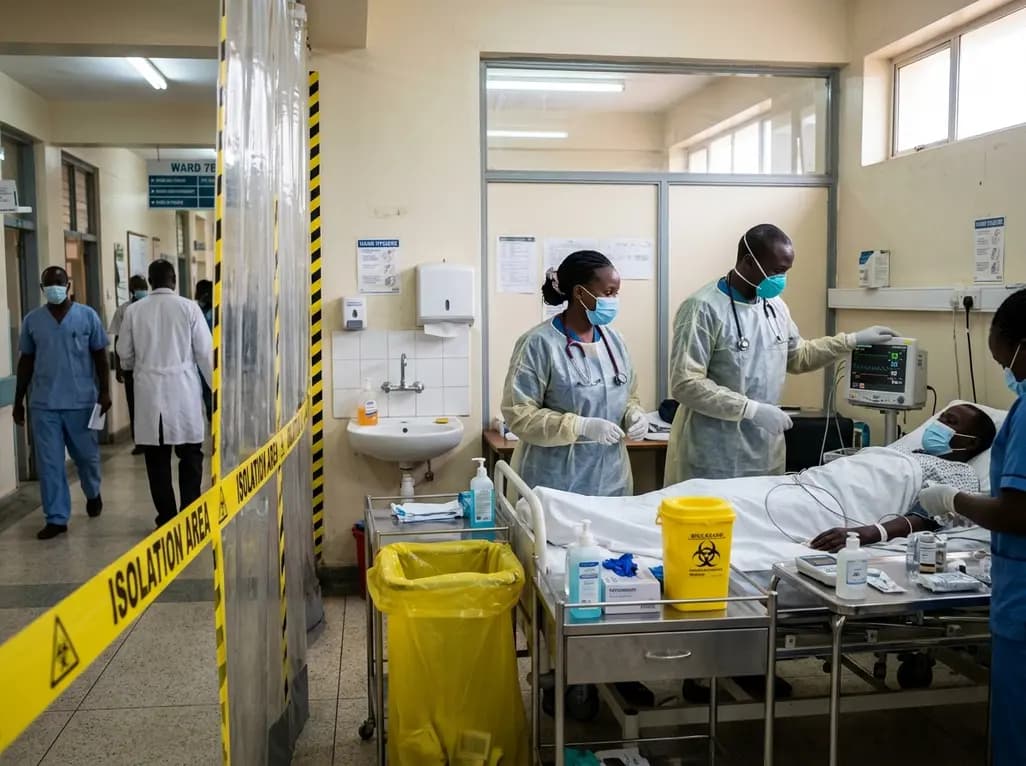
Kenya's confirmation of its eighth Ebola infection highlights the acute risk of secondary transmission in hospital environments. Clinicians must maintain high vigilance, enforce strict infection prevention protocols, and implement rapid triage mechanisms for viral hemorrhagic fevers across healthcare settings.
4 days back
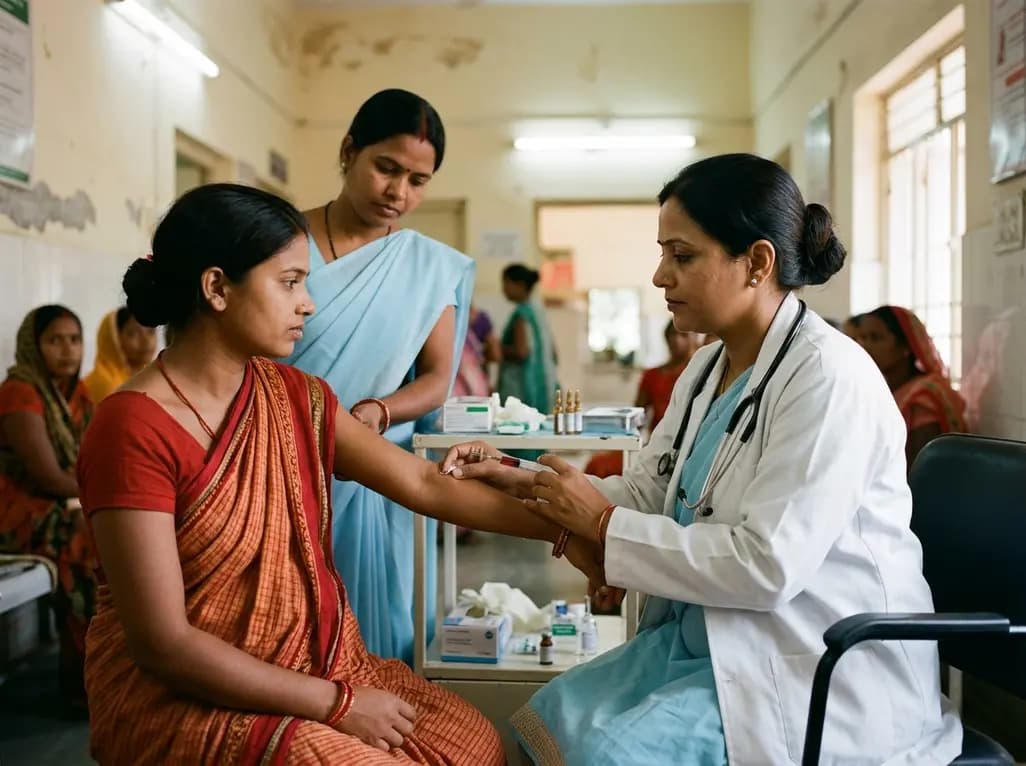
Maternal anaemia contributes to nearly half of pregnancy-related fatalities across India. To prevent complications, Uttar Pradesh has added single-dose parenteral iron to its essential medicines list. This clinical transition aims to restore haemoglobin rapidly and protect high-risk mothers across rural facilities.
Last week

India's food safety authority FSSAI has issued show-cause notices to Gemini Edibles, BigBasket, and Flipkart for unpermitted cardiovascular claims regarding Freedom Rice Bran Oil. This regulatory move highlights the strict enforcement of advertising standards and the clinical necessity of evidence-based lipid care.
6 days back
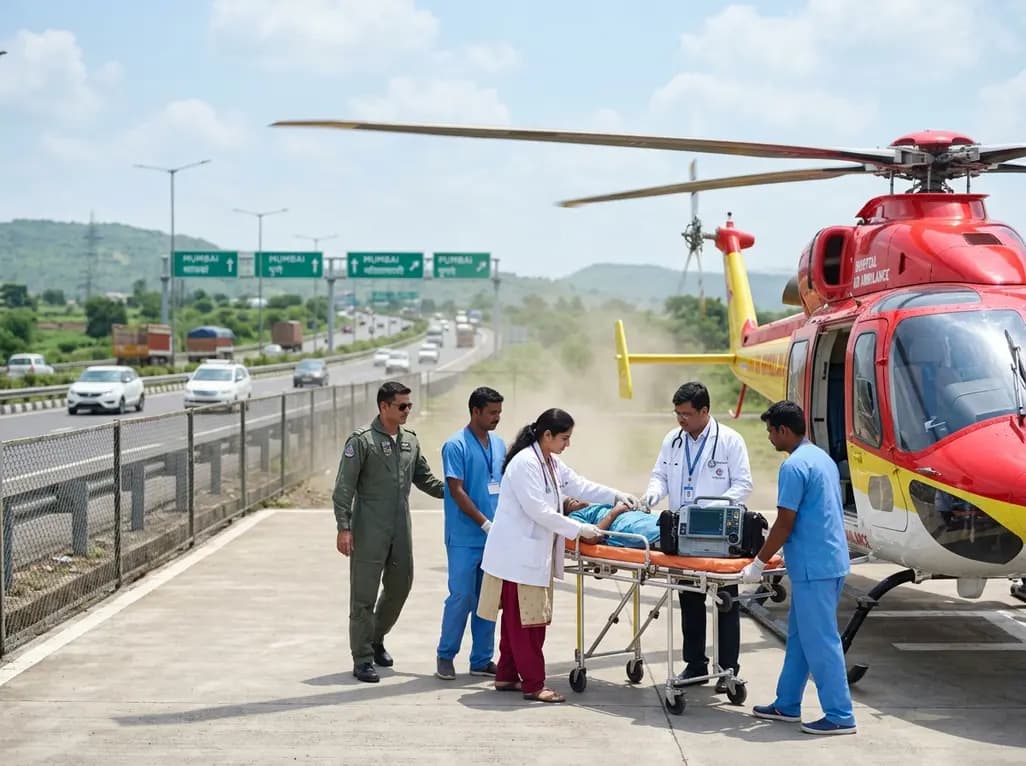
The state government is deploying helicopter emergency medical services across the Mumbai-Pune Expressway, Samruddhi Mahamarg, and Mumbai-Goa Highway. This initiative establishes unified standard operating procedures to enable rapid triage, advanced prehospital resuscitation, and seamless trauma care transfers.
Last week
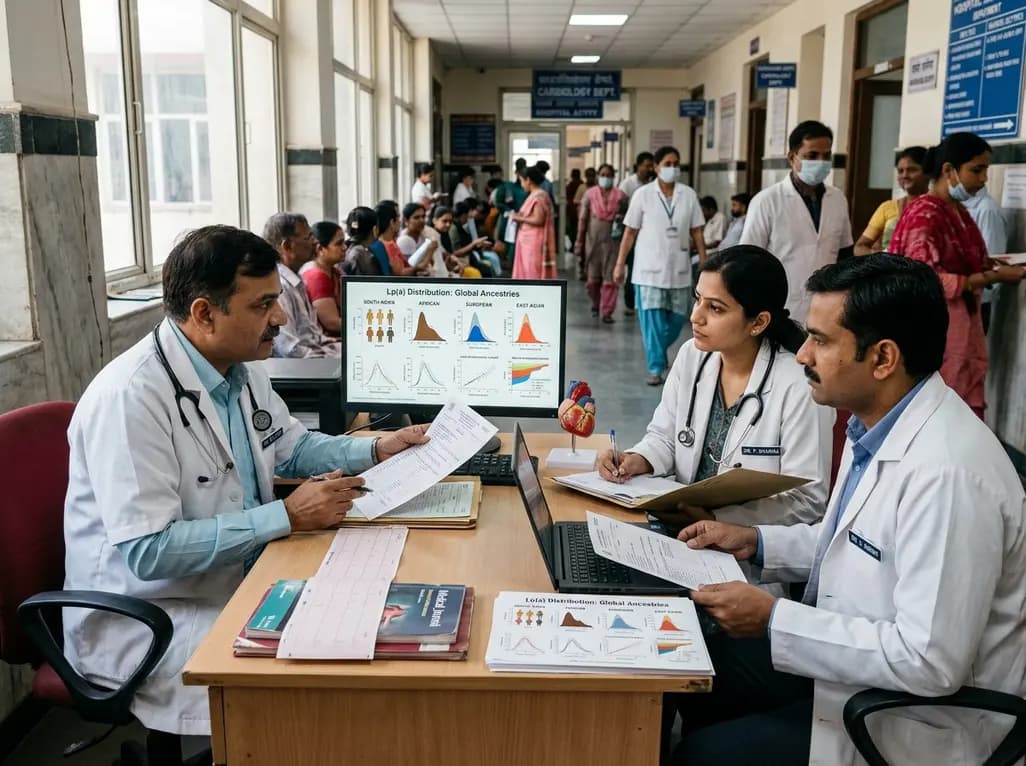
Atherosclerotic cardiovascular disease guidelines often rely on European-derived lipoprotein(a) cutoffs. However, baseline Lp(a) levels vary widely across ancestries, including South Asians and Africans. Clinicians must interpret Lp(a) values within overall absolute cardiovascular risk.
Last week
