.webp&w=384&q=75)

Loading, please wait...
Loading, please wait...

The 16th BRICS Health Ministers' meeting concluded in Chandigarh with landmark institutional decisions aimed at transforming regional healthcare systems. Notably, member states endorsed establishing BRICS mental wellness centres to address the escalating burden of psychiatric conditions across member nations. Union Health Minister J. P. Nadda announced that the National Institute of Mental Health and Neuro Sciences (NIMHANS), Bengaluru, will serve as the primary coordinating institution for this initiative.
The formal approval of BRICS mental wellness centres represents a pivotal milestone in acknowledging psychological health as an indispensable component of Universal Health Coverage (UHC). Member nations recognized that psychiatric disorders impose an immense social and economic burden across the Global South. Therefore, establishing these dedicated institutions will facilitate structured scientific collaboration, policy dialogue, and multi-country clinical research. NIMHANS in Bengaluru will play a central role in guiding this network. Consequently, member states can leverage India's extensive expertise in community psychiatry and digital mental health platforms. Furthermore, the collaborative network will focus on documenting scalable models for suicide prevention, crisis intervention, and early clinical identification. Additionally, health authorities aim to narrow the significant treatment gap that currently persists in low- and middle-income populations. By harmonizing research methodologies across member states, the initiative will accelerate the development of culturally adapted interventions. Consequently, clinicians will gain access to robust, evidence-based practices that improve real-world patient outcomes. Ultimately, this coordinated strategy reflects a shared commitment to building equitable and resilient public health systems across all participating nations.
Alongside institutional centres, member countries unanimously endorsed creating a BRICS Training Hub Network to enhance clinical workforce capacity. Currently, many member nations face critical shortages of trained psychiatrists, clinical psychologists, psychiatric nurses, and community health workers. Therefore, this specialized network will focus on expanding educational opportunities, exchanging technical expertise, and sharing best administrative practices. Furthermore, joint training modules will empower primary healthcare providers to identify and manage common mental health conditions effectively. Consequently, early intervention will become more accessible at the primary care level, reducing the burden on tertiary care hospitals. Additionally, the training hub will emphasize capacity building in digital health tools and tele-psychiatry solutions. In addition, health professionals will participate in cross-border clinical observerships and academic exchange programs. This structured knowledge transfer will standardize training benchmarks across member states while respecting local cultural contexts. Moreover, the initiative will encourage interdisciplinary collaboration between mental health specialists, researchers, and public health policymakers. As a result, healthcare systems will build a robust workforce capable of delivering high-quality, compassionate mental healthcare to diverse populations.
During the ministerial sessions, delegates reaffirmed the vital role of Traditional, Complementary, and Integrative Medicine (TCIM) in promoting holistic health. Consequently, member nations welcomed establishing a dedicated expert working group on TCIM under the BRICS Health Track. Minister of State for Health Anupriya Patel and Ayush Minister Prataprao Jadhav emphasized the need for rigorous evidence generation and collaborative research. Furthermore, integrative approaches combine evidence-based traditional modalities with modern psychiatric care to support stress reduction, preventive wellness, and long-term recovery. Therefore, joint research projects will systematically evaluate traditional therapies for mood disorders, anxiety, and sleep disturbances. Additionally, member states will share best practices regarding regulatory frameworks and quality control standards for traditional health products. This integrative model aims to provide patient-centered care that respects cultural heritage while maintaining clinical safety. Consequently, clinicians can offer broader treatment options that cater to patient preferences and improve therapy adherence. Ultimately, incorporating validated TCIM modalities into mental health promotion strategies will enrich the global therapeutic armamentarium and advance comprehensive patient care across member jurisdictions.
Mental health outcomes remain deeply interconnected with social, economic, and environmental factors across all BRICS countries. Recognizing this complex relationship, health ministers approved the operational framework to combat Diseases Driven by Social Determinants of Health (DD-SDH). Consequently, this platform enables member states to execute collective action against health inequities, poverty, and systemic barriers to healthcare access. Additionally, delegates endorsed an operational framework for the BRICS network of National Public Health Institutes (NPHIs). This framework aims to strengthen institutional collaboration, capacity building, technical cooperation, and evidence-based policymaking. Furthermore, public health agencies will utilize shared intelligence to develop targeted community interventions that mitigate psychosocial stressors effectively. Therefore, addressing social determinants will directly support clinical efforts to improve population-level mental well-being. Concurrently, member countries reaffirmed their support for the BRICS Vaccine Research and Development Centre to bolster pandemic preparedness and broader health security. By addressing physical health, social determinants, and mental wellness simultaneously, BRICS nations are establishing a durable foundation for sustainable healthcare development and universal coverage across all regions.
The Chandigarh declaration placed significant emphasis on leveraging digital technology and preventive strategies to optimize healthcare delivery. Union Health Minister J. P. Nadda highlighted India's successful digital initiatives, including the Ayushman Bharat Digital Mission and eSanjeevani telemedicine platform. Consequently, these scalable digital public infrastructures provide valuable models for expanding mental healthcare access to remote and underserved populations. Furthermore, delegates launched the BRICS Mission for Healthy Lifestyle alongside the Roadmap for Joint Initiative on Healthy Lifestyle Promotion (2026-2029). This comprehensive roadmap focuses on promoting healthy diets, physical activity, and behavioral change interventions. Therefore, encouraging healthy lifestyle habits directly contributes to reducing the risk of both non-communicable diseases and common psychiatric disorders. Additionally, member states released the BRICS Compendium on Digital Health Architecture for Continuum of Care to facilitate seamless knowledge sharing. In addition, digital tools will enable continuous patient monitoring, tele-consultation, and community-level mental health screening. Consequently, integrating digital architecture with lifestyle promotion strategies will empower individuals to take proactive charge of their mental and physical well-being.
The unanimous adoption of the 16th BRICS Health Ministerial Declaration underlines the growing influence of the Global South in shaping international health policy. Under India's chairship theme, "Building for Resilience, Innovation, Cooperation and Sustainability," member nations demonstrated strong political consensus on public health priorities. Furthermore, expanded membership including South Africa, Indonesia, Belarus, Egypt, Iran, Russia, Saudi Arabia, Ethiopia, and the UAE underscores the bloc's expanding demographic and geopolitical footprint. Therefore, establishing institutional frameworks such as the mental wellness network ensures sustained long-term collaboration beyond annual summits. Consequently, NIMHANS' role as the coordinating centre positions India as a global leader in mental health research, policy, and capacity building. Moreover, these collaborative mechanisms will help bridge global health disparities and accelerate progress toward the Sustainable Development Goals. Clinicians and researchers across member countries will benefit from shared data registries, joint clinical trials, and unified care guidelines. Ultimately, this summit establishes an enduring institutional foundation for resilient, equitable, and patient-centered healthcare delivery worldwide across all partner territories.
Q1: What is the primary role of NIMHANS in the newly established BRICS mental health initiative?
NIMHANS, Bengaluru, serves as the central coordinating institution for the BRICS Network of Centres of Excellence on Mental Wellness. In this role, NIMHANS will lead collaborative clinical research, establish standardized training protocols, and facilitate knowledge exchange across member countries. Additionally, the institute will document scalable community models and digital health tools to bridge the mental health treatment gap across the Global South effectively.
Q2: How does the BRICS Health Ministerial Declaration plan to address healthcare workforce shortages?
The declaration established the BRICS Training Hub Network specifically to strengthen healthcare workforce capacity. This initiative focuses on joint educational programs, clinical observerships, and technical knowledge exchange for psychiatrists, psychologists, and primary care workers. Consequently, primary care professionals will receive specialized training to identify and manage mental health disorders early, improving patient access to quality care and reducing reliance on specialized tertiary psychiatric centres.
Q3: How does traditional medicine integrate into the BRICS mental health framework?
BRICS member states endorsed an expert working group on Traditional, Complementary, and Integrative Medicine (TCIM) under the BRICS Health Track. This group promotes evidence-based research and scientific validation of traditional practices for mental wellness. Furthermore, integrating proven TCIM modalities with modern clinical psychiatric care offers patients holistic, safe, and culturally sensitive treatment choices, enhancing overall therapeutic adherence and preventive wellness strategies.
Disclaimer: This content is for informational and educational purposes only. It does not constitute medical advice or replace professional judgment. Refer to the latest local and national guidelines for clinical practice.
References

Read summarized clinical updates, watch expert medical content, and earn CME certifications right from your smartphone.
Open your smartphone camera to scan and install.





The 16th BRICS Health Ministers' meeting in Chandigarh unanimously supported establishing centres of excellence for mental wellness. Coordinated by NIMHANS Bengaluru, this initiative aims to strengthen workforce capacity, bridge treatment gaps, and advance evidence-based strategies across member nations.
2 months ago
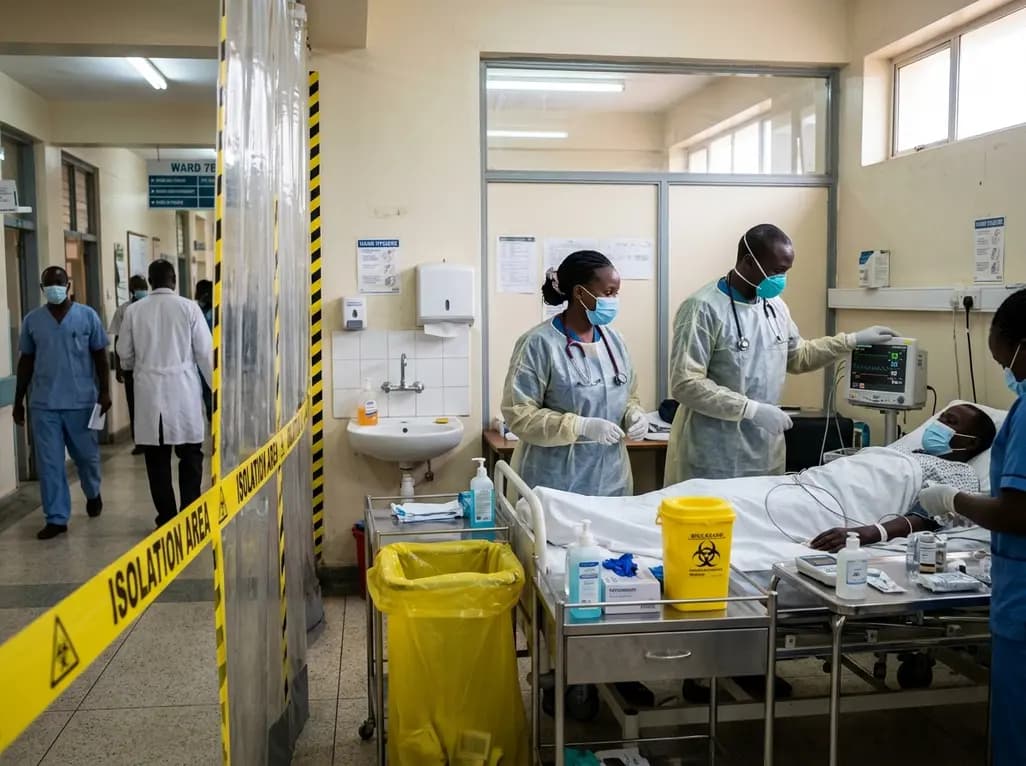
Kenya's confirmation of its eighth Ebola infection highlights the acute risk of secondary transmission in hospital environments. Clinicians must maintain high vigilance, enforce strict infection prevention protocols, and implement rapid triage mechanisms for viral hemorrhagic fevers across healthcare settings.
4 days back
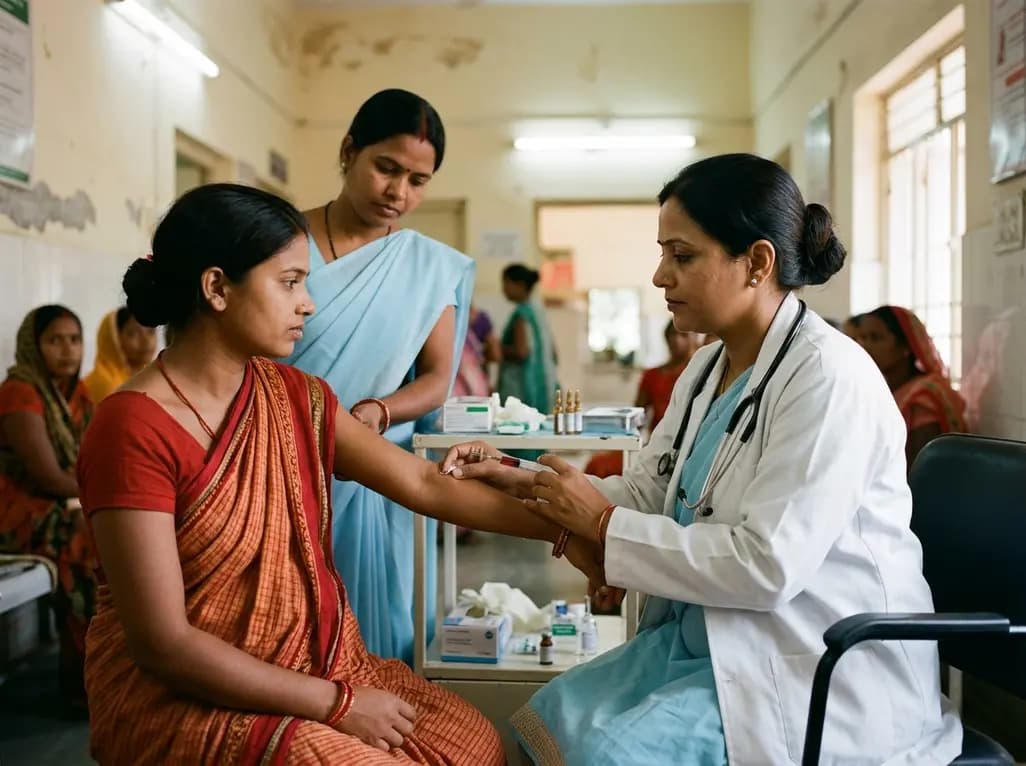
Maternal anaemia contributes to nearly half of pregnancy-related fatalities across India. To prevent complications, Uttar Pradesh has added single-dose parenteral iron to its essential medicines list. This clinical transition aims to restore haemoglobin rapidly and protect high-risk mothers across rural facilities.
Last week
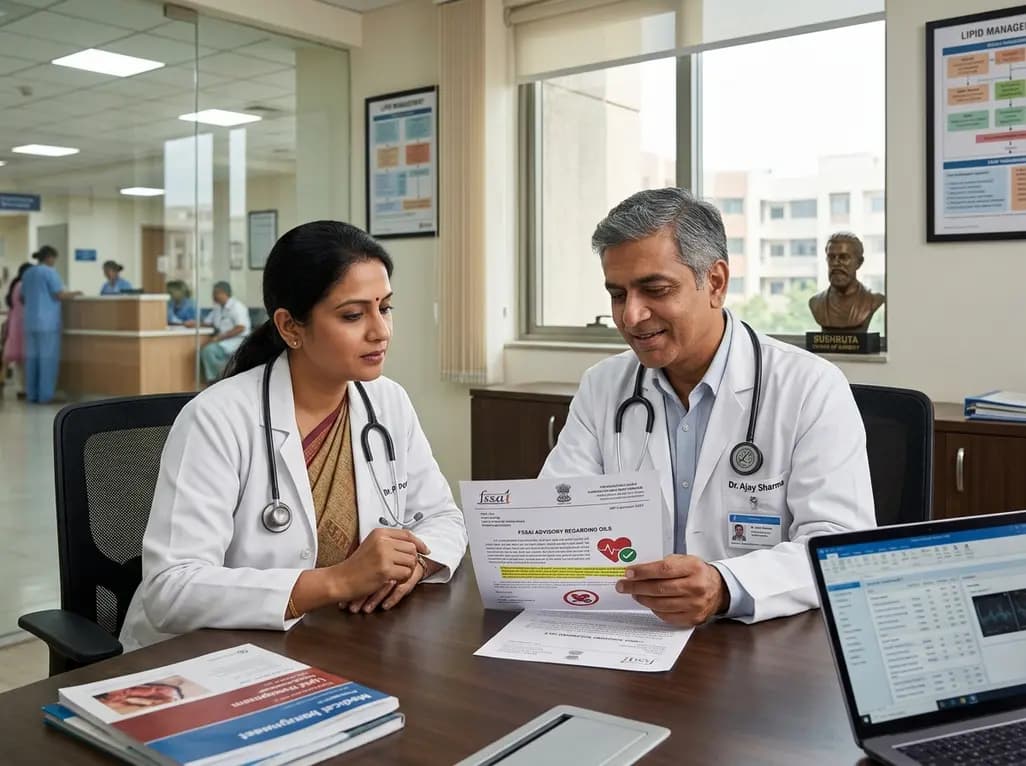
India's food safety authority FSSAI has issued show-cause notices to Gemini Edibles, BigBasket, and Flipkart for unpermitted cardiovascular claims regarding Freedom Rice Bran Oil. This regulatory move highlights the strict enforcement of advertising standards and the clinical necessity of evidence-based lipid care.
6 days back
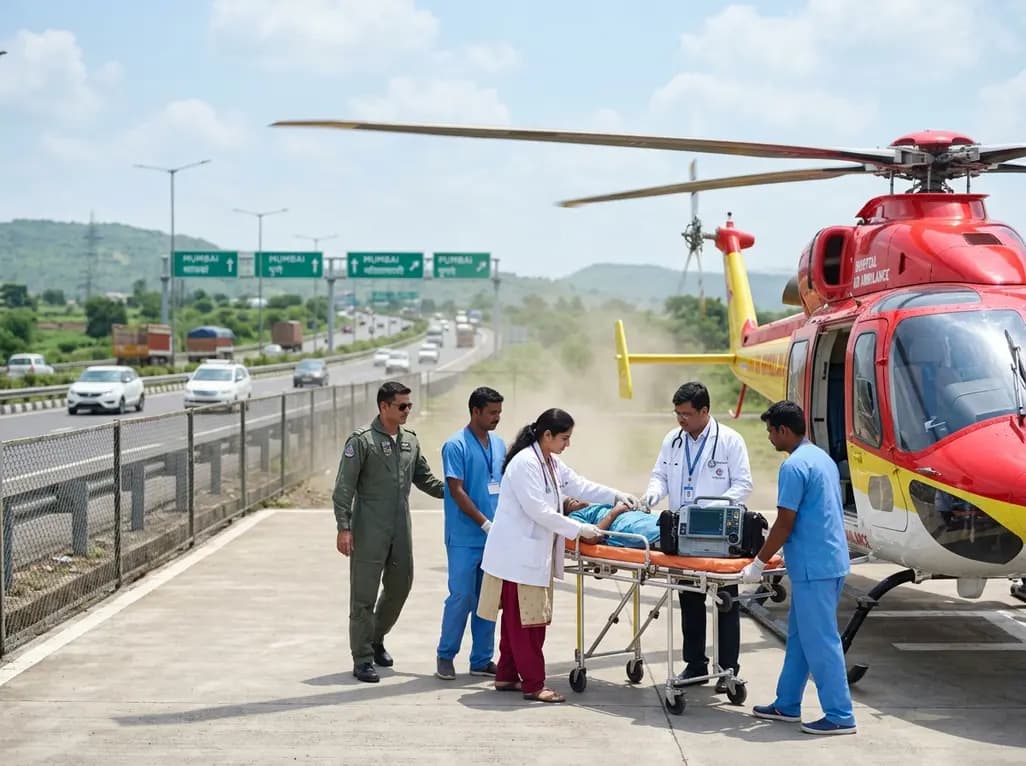
The state government is deploying helicopter emergency medical services across the Mumbai-Pune Expressway, Samruddhi Mahamarg, and Mumbai-Goa Highway. This initiative establishes unified standard operating procedures to enable rapid triage, advanced prehospital resuscitation, and seamless trauma care transfers.
Last week
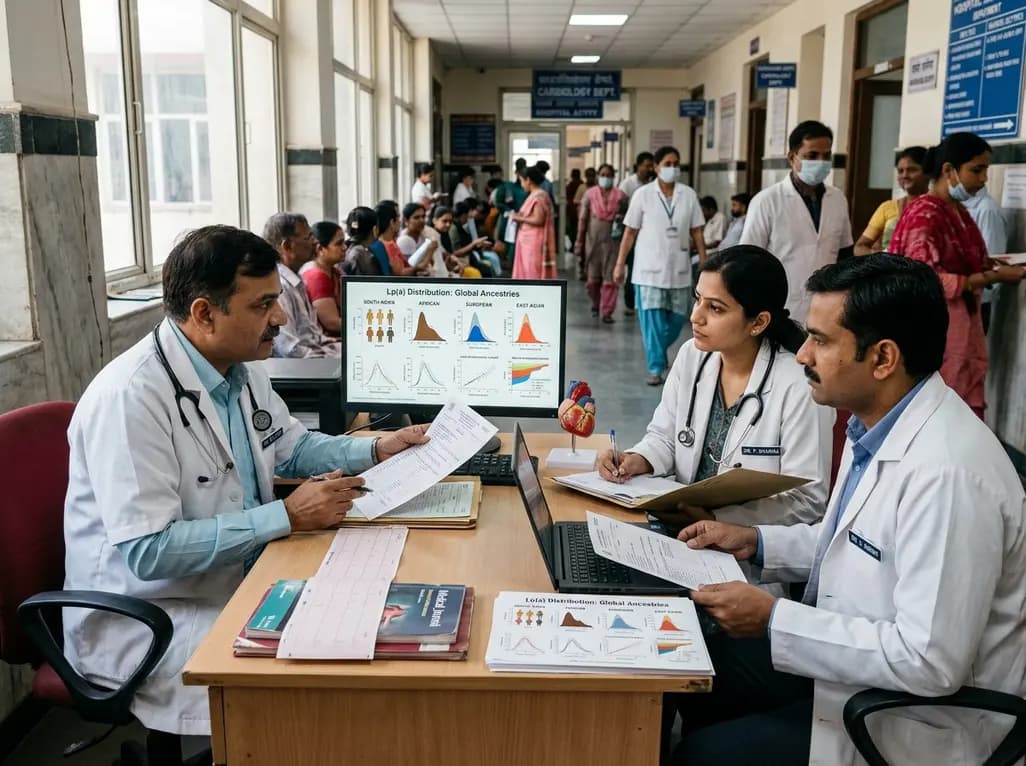
Atherosclerotic cardiovascular disease guidelines often rely on European-derived lipoprotein(a) cutoffs. However, baseline Lp(a) levels vary widely across ancestries, including South Asians and Africans. Clinicians must interpret Lp(a) values within overall absolute cardiovascular risk.
Last week
