.webp&w=384&q=75)

Loading, please wait...
Loading, please wait...
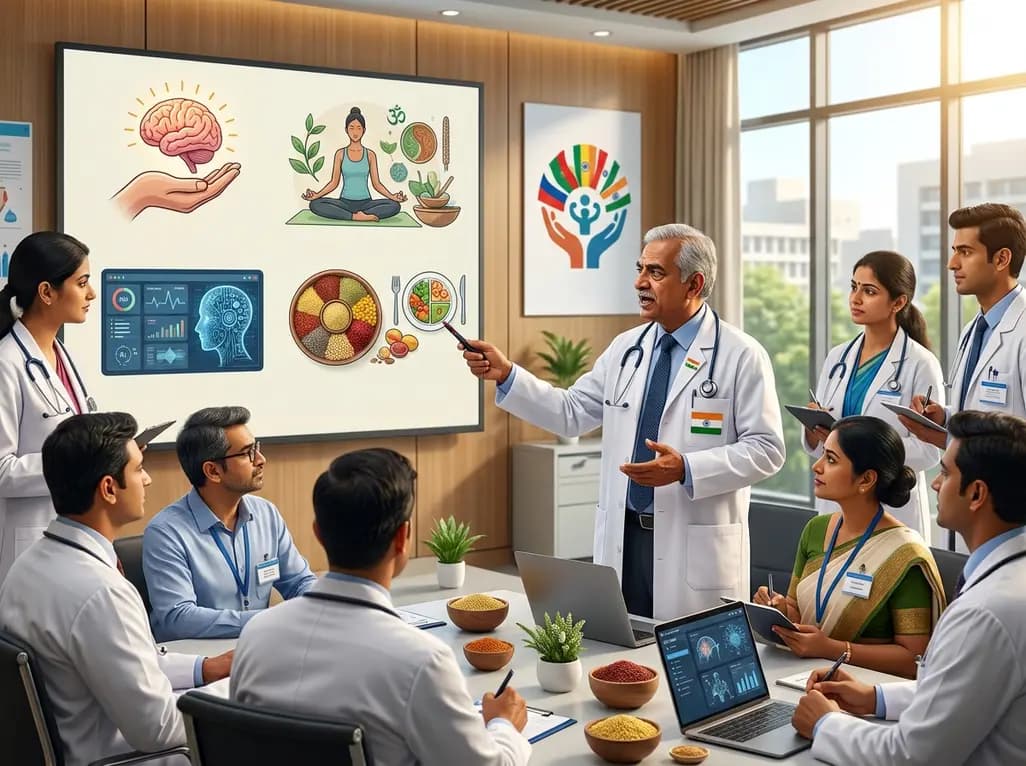
The 16th BRICS Health Ministerial Meeting marked a significant evolution in global public health policy under India's chairmanship. Hosted in Chandigarh, this historic gathering convened health leaders from eleven member countries and ten partner nations. The conference established a unified framework to address complex post-pandemic healthcare challenges. Union Health Secretary Punya Salila Srivastava highlighted India's commitment to advancing equitable healthcare access across the Global South. Moreover, the delegates actively evaluated sustainable healthcare delivery strategies. India introduced pioneering health initiatives designed to reshape public health frameworks across participating countries. Consequently, the conference placed holistic health at the center of international medical diplomacy.
India assumed its chairmanship role with a comprehensive vision to build resilient, innovative, and future-ready health systems. During the BRICS Health Ministerial Meeting, representatives deliberated on nine distinct agenda items under the primary health track. The meeting brought together ministers, senior officials, technical experts, and domain specialists from eleven member states and ten partner nations. Additionally, delegates evaluated critical topics including pandemic preparedness, health security, and early warning systems for infectious disease outbreaks. The discussions focused heavily on enhancing collaborative research for persistent public health challenges like tuberculosis. Furthermore, leaders addressed equitable access to affordable essential medical products and life-saving therapeutics across developing economies. Participating countries acknowledged the urgent necessity to align regulatory standards for pharmaceuticals and advanced medical technologies. This regulatory harmonization aims to streamline cross-border supply chains and eliminate trade barriers during international health emergencies. Consequently, member states agreed to build shared institutional capacities to protect vulnerable populations against emerging global health threats. In addition, the agenda prioritized cross-border knowledge sharing to strengthen primary healthcare delivery models globally. Overall, this strategic framework reflects India's dedicated effort to foster solidarity and sustainable development across the Global South.
A major highlight of the conference was the formal introduction of two landmark priority tracks by India. Specifically, India championed the promotion of mental wellness alongside the BRICS Mission on Healthy Lifestyles. These additions mark a pivotal shift toward preventive, promotive, and population-based healthcare models. Union Health Secretary Punya Salila Srivastava emphasized that mental health requires equal policy prioritization alongside physical health. Therefore, member countries agreed to collaborate on establishing specialized training networks and institutional centers of excellence. For example, India's National Institute of Mental Health and Neurosciences (NIMHANS) in Bengaluru will serve as a lead institution for regional capacity building. Additionally, the healthy lifestyles mission targets major non-communicable disease risk factors, including physical inactivity, unhealthy diets, tobacco consumption, and alcohol abuse. Health authorities recognize that lifestyle-related non-communicable conditions create unsustainable financial pressures on national health systems. By establishing structured action plans, BRICS partners aim to implement evidence-based community interventions and educational campaigns. Moreover, these programs will address broad social determinants of health to achieve long-term disease reduction. Consequently, this initiative establishes preventive care and mental health promotion as foundational pillars of global health cooperation.
Traditional, complementary, and integrative medicine formed another pivotal pillar during the Chandigarh ministerial assembly. Delegations visited specialized exhibitions organized by the Ministry of Ayush showcasing India's rich therapeutic heritage and scientific innovations. Specifically, the event featured interactive chair yoga sessions and morning wellness demonstrations for attending foreign delegates. These activities highlighted the proven physical and psychological benefits of mind-body practices in routine disease prevention and stress management. Furthermore, the exhibition presented evidence-based applications of traditional herbal medicine and holistic patient management strategies. In addition to integrative therapies, India showcased climate-resilient nutritional solutions through scientifically prepared millet dishes. Celebrity chef Vikas Chawla collaborated with Ayush institutions to prepare nutritious millet recipes for international guests. Notably, Prime Minister Narendra Modi has consistently advocated for the nutritional power and environmental resilience of millets. Millets require minimal water resources to cultivate while offering rich dietary fiber, micronutrients, and favorable glycemic profiles. Consequently, integrating millets into national food security frameworks supports both environmental sustainability and metabolic disease prevention. Thus, combining traditional medicine with sustainable nutrition provides a robust, holistic roadmap for international public health.
Digital health infrastructure and artificial intelligence featured prominently in deliberations among visiting international delegations. Delegates from various nations commended India's National Health Authority for constructing a robust digital health ecosystem. Specifically, representatives observed how the Ayushman Bharat Digital Mission seamlessly integrates personal health records across diverse clinical settings. This digital architecture guarantees secure data interoperability, continuous patient monitoring, and enhanced clinical decision-making capabilities. Moreover, international delegates explored cutting-edge AI-driven diagnostic tools engineered specifically for primary healthcare environments. For instance, advanced artificial intelligence algorithms currently assist frontline clinicians in early disease detection and remote patient management. Dr. Tarek Numair, a delegate from Egypt, praised India's forward-looking approach in combining artificial intelligence with traditional medicine. In addition, delegates discussed establishing interoperable cross-border health data exchange protocols to support global continuity of care. Such digital bridges enable seamless health monitoring for mobile populations, migrant workers, and international travelers. Consequently, digital health innovations empower resource-constrained environments to deliver efficient, high-quality clinical interventions. Therefore, BRICS nations pledged to accelerate digital health adoption to achieve broad universal health coverage goals.
The ministerial deliberations culminated in a landmark unified declaration on health signed by all participating member states. This joint ministerial statement formalizes shared commitments to strengthen global health security, pandemic preparedness, and emergency response capabilities. Additionally, the declaration approves the establishment of a dedicated institutional working group for traditional, complementary, and integrative medicine. Member states agreed to harmonize regulatory guidelines, establish quality standards, and conduct joint research on herbal pharmaceuticals. Furthermore, the agreement reinforces collective commitments to combat mass infectious threats through integrated early warning disease surveillance networks. Delegates emphasized that multilateral cooperation remains essential to bridge existing global health disparities and accelerate progress toward sustainable development goals. Foreign delegates, including United Arab Emirates representative Maysoun Al Matrooshi, lauded India's exceptional hospitality and organization. They noted that practical demonstrations, ranging from digital health platforms to yoga sessions, provided actionable templates for national implementation. Ultimately, India's BRICS chairship successfully unified diverse nations under a vision of resilient, equitable healthcare. Moving forward, these agreed frameworks will guide joint health policy, clinical research, and medical partnerships. Consequently, the 16th summit sets a transformative benchmark for global health diplomacy.
Q1: What new agenda items did India introduce at the 16th BRICS Health Ministerial Meeting?
India introduced two major agenda items during the conference: the promotion of mental wellness and the BRICS Mission on Healthy Lifestyles. These strategic additions emphasize preventive, promotive, and holistic healthcare frameworks across member nations. Additionally, these tracks aim to address rising non-communicable diseases and reduce long-term healthcare burdens through structured national action plans and institutional collaborations. For example, India's NIMHANS will support regional mental health capacity building.
Q2: How does the summit promote traditional and integrative medicine among member states?
The summit highlighted traditional, complementary, and integrative medicine through dedicated AYUSH showcases, yoga sessions, and scientific exhibitions. Furthermore, BRICS nations agreed to establish a dedicated institutional working group for traditional medicine. This initiative focuses on harmonizing regulatory standards, advancing joint clinical research on herbal remedies, and integrating traditional therapies into primary healthcare systems. Consequently, this holistic framework aims to enhance patient outcomes and support universal health coverage globally.
Q3: What role do digital health and AI play in the BRICS healthcare vision?
Digital health and artificial intelligence serve as critical enablers for universal health coverage within BRICS nations. The conference highlighted India's digital health infrastructure, including interoperable electronic records and AI-assisted diagnostic tools. Consequently, member states are collaborating to create cross-border digital health frameworks. These digital protocols expand access to specialized care, streamline clinical workflows, and improve healthcare delivery in low-resource and remote regions across participating member countries.
Disclaimer: This content is for informational and educational purposes only. It does not constitute medical advice or replace professional judgment. Refer to the latest local and national guidelines for clinical practice.
References

Read summarized clinical updates, watch expert medical content, and earn CME certifications right from your smartphone.
Open your smartphone camera to scan and install.





At the 16th BRICS Health Ministerial Meeting in Chandigarh, India introduced mental wellness and healthy lifestyles as core priority areas. The summit showcased digital health, AI tools, AYUSH solutions, and millet-based nutrition, emphasizing holistic and integrative public health models across member nations.
3 months ago
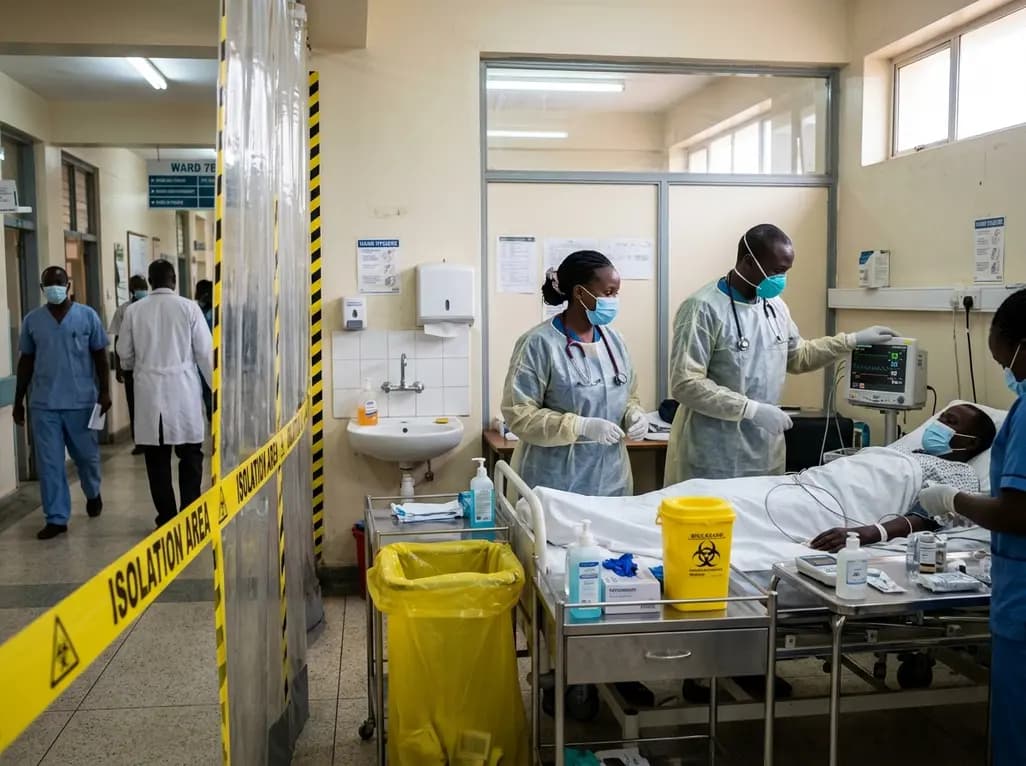
Kenya's confirmation of its eighth Ebola infection highlights the acute risk of secondary transmission in hospital environments. Clinicians must maintain high vigilance, enforce strict infection prevention protocols, and implement rapid triage mechanisms for viral hemorrhagic fevers across healthcare settings.
4 days back
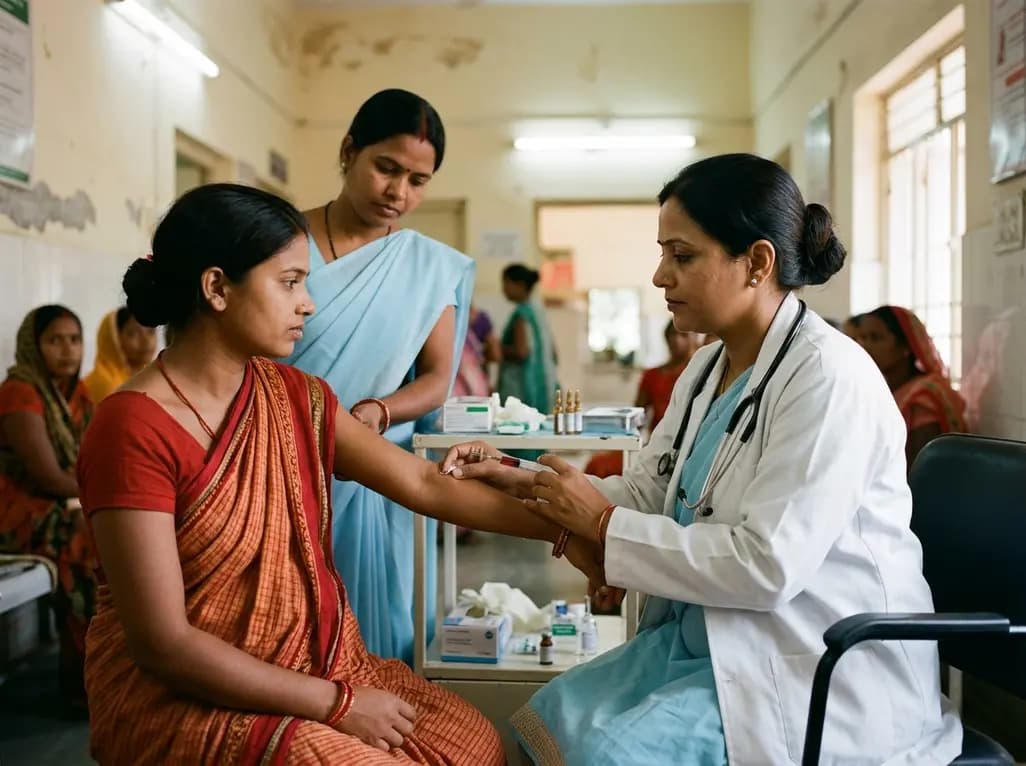
Maternal anaemia contributes to nearly half of pregnancy-related fatalities across India. To prevent complications, Uttar Pradesh has added single-dose parenteral iron to its essential medicines list. This clinical transition aims to restore haemoglobin rapidly and protect high-risk mothers across rural facilities.
Last week
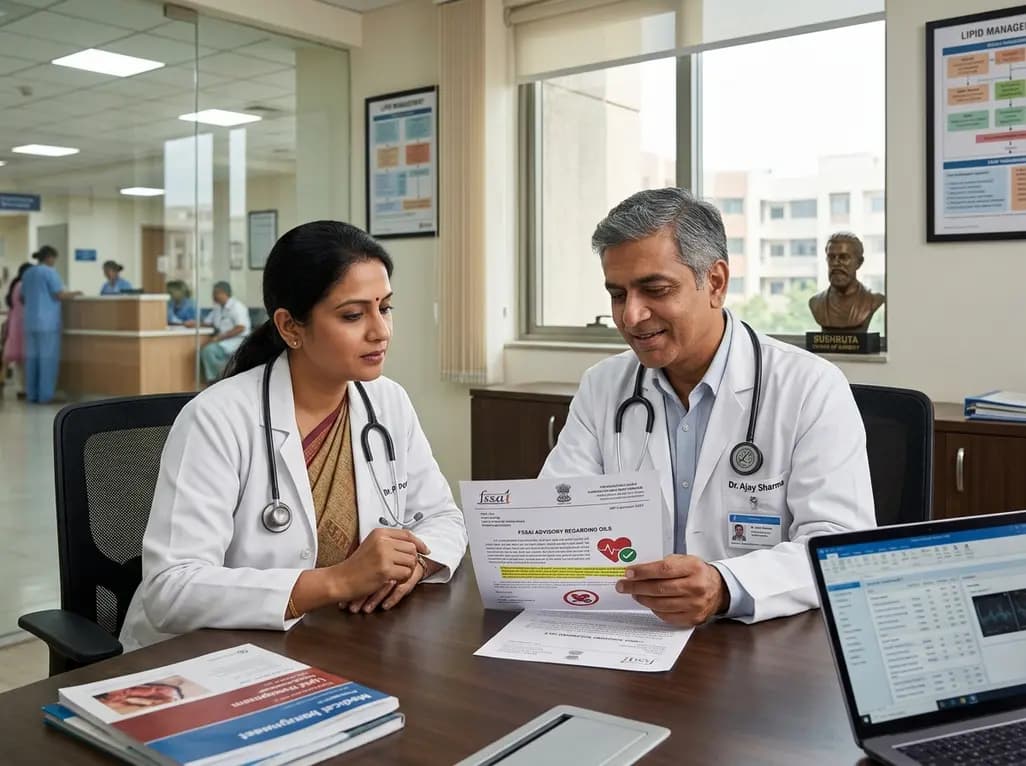
India's food safety authority FSSAI has issued show-cause notices to Gemini Edibles, BigBasket, and Flipkart for unpermitted cardiovascular claims regarding Freedom Rice Bran Oil. This regulatory move highlights the strict enforcement of advertising standards and the clinical necessity of evidence-based lipid care.
6 days back
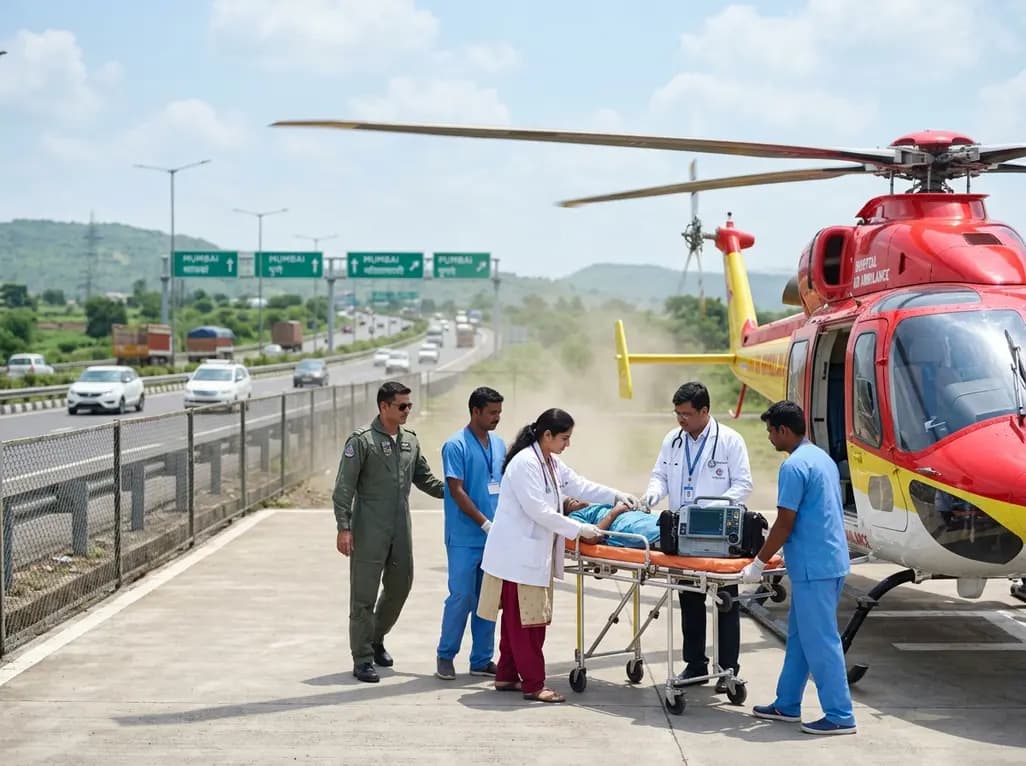
The state government is deploying helicopter emergency medical services across the Mumbai-Pune Expressway, Samruddhi Mahamarg, and Mumbai-Goa Highway. This initiative establishes unified standard operating procedures to enable rapid triage, advanced prehospital resuscitation, and seamless trauma care transfers.
Last week
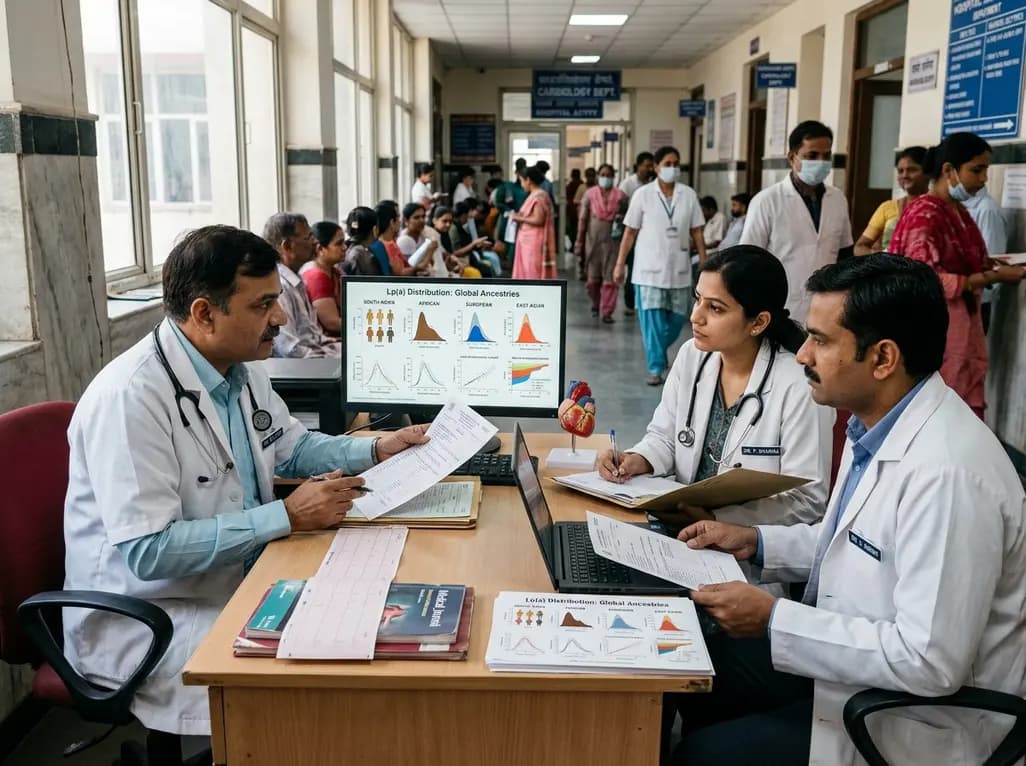
Atherosclerotic cardiovascular disease guidelines often rely on European-derived lipoprotein(a) cutoffs. However, baseline Lp(a) levels vary widely across ancestries, including South Asians and Africans. Clinicians must interpret Lp(a) values within overall absolute cardiovascular risk.
Last week
