.webp&w=384&q=75)

Loading, please wait...
Loading, please wait...
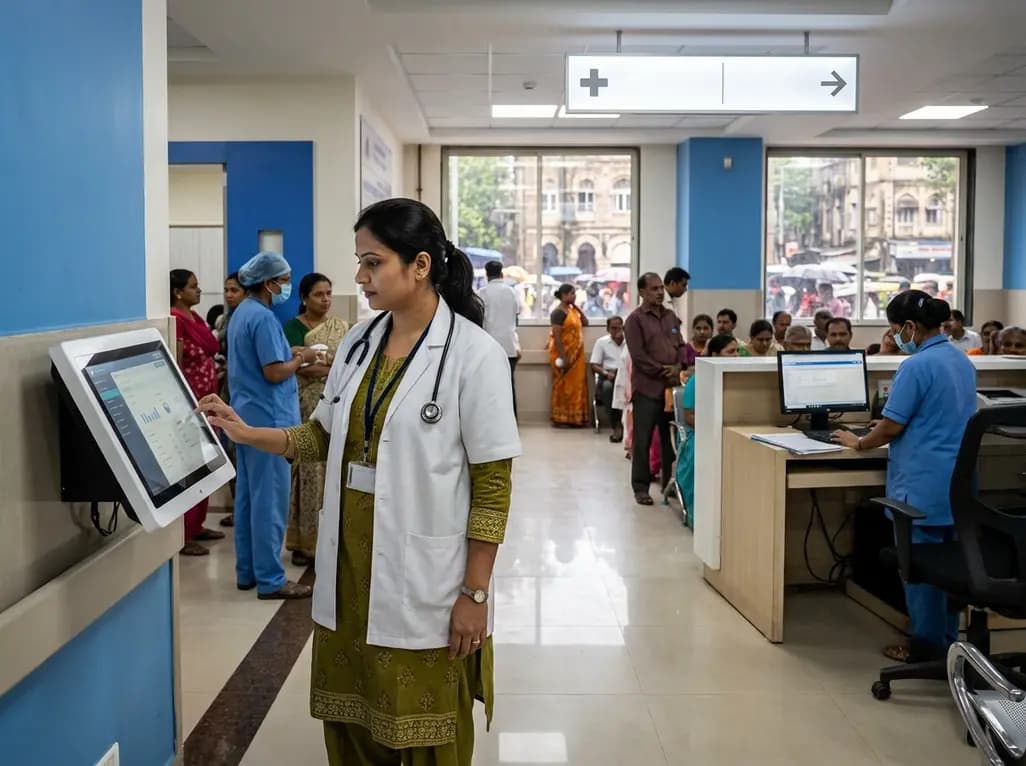
The Brihanmumbai Municipal Corporation (BMC) has embarked on a transformative journey through its BMC Civic Healthcare Modernization roadmap. Public healthcare systems in dense urban centers often face overwhelming patient volumes, extended wait times, and operational bottlenecks. To resolve these chronic structural issues, BMC Commissioner Ashwini Bhide reviewed a comprehensive three-phase strategy designed to upgrade civic health infrastructure across Mumbai. This multi-tiered initiative incorporates artificial intelligence, digital outpatient management, automated bed distribution, and accredited quality standards. Consequently, municipal hospitals are poised to deliver faster, more equitable, and technologically advanced medical services to urban residents.
The initial stage of the municipal healthcare reform concentrates on streamlining administrative workflows and alleviating immediate patient congestion. Specifically, the BMC plans to deploy smart digital outpatient departments across major municipal hospitals. Long queue times have historically burdened patients seeking routine consultations. Therefore, digitizing registration and triage processes will significantly reduce waiting intervals and improve patient movement through clinical departments. In addition, the civic body is strengthening its Hospital Management Information System to centralize patient health records and enable seamless data transmission between clinical departments.
To ensure effective oversight, senior administrators are launching a centralized digital dashboard. This dashboard will monitor hospital services in real time, tracking operational efficiency, resource utilization, and patient flow across various facilities. Concurrently, the BMC is initiating a recruitment drive to fill long-standing vacant medical posts. Filling these clinical vacancies will ensure adequate doctor-to-patient ratios across outpatient and inpatient wards. Furthermore, dedicated insurance help desks will be established in major civic hospitals to assist economically vulnerable patients in accessing state and national health coverage schemes without delay.
The second phase introduces technological integration designed to optimize clinical decision-making and emergency care distribution. A major highlight of this phase is a pilot online bed allocation system. Finding open hospital beds during emergencies has historically caused severe distress for families in Mumbai. Consequently, this digital system will display real-time bed availability across civic facilities, enabling transparent allocation for waiting patients. Additionally, the civic body will establish pilot 24x7 dispensaries in every municipal ward, ensuring round-the-clock primary healthcare access close to patients' homes.
Artificial intelligence will play a pivotal role in diagnostic and administrative workflows during this stage. The BMC plans to integrate AI tools into radiology and pathology departments to accelerate image analysis, laboratory reporting, and diagnostic accuracy. Furthermore, AI algorithms will optimize hospital resource management by forecasting supply requirements and bed utilization trends. Recognizing that technical upgrades require skilled human operators, the BMC will conduct comprehensive soft skills, medical ethics, and patient care training for hospital staff. To support these capital-intensive reforms, the civic administration is exploring public-private partnerships to provide financial assistance for needy patients requiring specialized interventions.
The third phase shifts focus toward long-term sustainability, institutional standardization, and universal accessibility. Institutional quality improvement forms the backbone of this phase, with municipal hospitals pursuing National Accreditation Board for Hospitals & Healthcare Providers (NABH) standards. Obtaining NABH accreditation, alongside national and international quality certifications, ensures that municipal facilities adhere to strict clinical protocols, safety measures, and infection control standards. Consequently, civic hospitals will benchmark their clinical outcomes against top-tier private healthcare institutions.
Moreover, Phase 3 emphasizes creating disability-friendly healthcare infrastructure across all municipal wards. Infrastructure modifications will include tactile pathways, ramp access, specialized washrooms, and assistive technologies for patients with physical or sensory impairments. In parallel, the BMC is expanding the adoption of digital health services, integrating telemedicine platforms, electronic prescriptions, and remote diagnostic tools. This digital expansion allows patients in suburban areas to consult senior specialists without traveling long distances. Ultimately, these systemic enhancements establish a resilient, patient-centric public healthcare framework capable of adapting to modern urban health demands.
The implementation of the BMC Civic Healthcare Modernization project directly impacts daily clinical workflows for medical practitioners. For clinicians working in high-volume municipal settings, automated triage and AI-assisted diagnostics offer significant relief from administrative overload. Specifically, AI applications in diagnostic imaging can rapidly highlight abnormal radiological findings, allowing radiologists to prioritize critical cases such as acute stroke or internal hemorrhages. Similarly, automated pathology analysis reduces processing times for routine blood profiles and microbiological screens.
In addition, standardized digital health records through an upgraded Hospital Management Information System enhance continuity of care. Doctors will have immediate access to patient medical histories, previous diagnostic reports, and prescription records across all BMC-run facilities. Consequently, this seamless information exchange reduces diagnostic duplication and minimizes medication errors. Furthermore, the real-time bed tracking system streamlines emergency room transfers, allowing trauma physicians to instantly route critically ill patients to hospitals with available intensive care beds. By replacing fragmented manual systems with unified digital platforms, clinicians can devote more time to direct patient care and complex decision-making.
A successful healthcare overhaul requires physical expansion alongside technological upgrades. To support these reforms, municipal authorities are fast-tracking redevelopment projects across suburban Mumbai. These projects will add thousands of new beds across facilities in areas like Kandivali, Borivali, Mulund, and Vikhroli. Consequently, suburban residents will no longer need to travel to tertiary municipal centers in South Mumbai for specialized care. Expanding secondary care infrastructure decentralizes medical service delivery and balances patient load across the entire municipal network.
However, physical infrastructure and advanced technology are effective only when supported by a well-trained, adequate workforce. The recruitment drive planned in Phase 1 targets chronic staffing shortages across medical, nursing, and paramedical cadres. Furthermore, ongoing soft-skills and ethical training programs aim to improve communication between healthcare staff, patients, and caregivers. Effective communication reduces stress in crowded emergency rooms and fosters trust between citizens and civic medical institutions. By combining bed capacity expansion, technological integration, and workforce empowerment, Mumbai is building a sustainable model for municipal public health.
Q1: What is the main objective of the online bed allocation system in Mumbai civic hospitals?
The online bed allocation system aims to eliminate transparency gaps and reduce admission delays during medical emergencies. By displaying real-time availability of general, ICU, and specialty beds across all BMC facilities, the digital system allows patients and referring physicians to quickly identify vacant beds. Consequently, patients avoid unnecessary travel between overcrowded municipal hospitals, ensuring timely medical intervention and improving survival rates during critical emergency situations.
Q2: How will artificial intelligence be utilized in BMC municipal hospitals?
Artificial intelligence will be integrated into diagnostic radiology, pathology, and hospital resource management across Mumbai civic hospitals. AI tools will assist radiologists and pathologists by rapidly screening diagnostic images and laboratory samples, highlighting critical abnormalities for urgent clinical review. Additionally, predictive AI algorithms will optimize hospital administrative operations by forecasting inpatient bed demand, managing pharmaceutical inventory, and streamlining patient flow to significantly enhance overall operational efficiency.
Q3: How does NABH accreditation benefit patients in civic healthcare facilities?
NABH accreditation ensures that public healthcare facilities maintain rigorous clinical protocols, patient safety measures, and quality management systems comparable to premier healthcare institutions. For patients visiting municipal facilities, this accreditation guarantees elevated standards of infection control, safer surgical procedures, standardized clinical treatment pathways, and superior patient care quality. Furthermore, it fosters institutional accountability, patient safety, and consistent clinical excellence across all municipal healthcare levels.
Disclaimer: This content is for informational and educational purposes only. It does not constitute medical advice or replace professional judgment. Refer to the latest local and national guidelines for clinical practice.
References

Read summarized clinical updates, watch expert medical content, and earn CME certifications right from your smartphone.
Open your smartphone camera to scan and install.





The Brihanmumbai Municipal Corporation (BMC) has introduced a comprehensive three-phase roadmap to transform Mumbai's civic healthcare. The initiative integrates AI diagnostics, smart digital OPDs, real-time bed allocation, 24x7 dispensaries, and NABH accreditation to enhance public health delivery.
2 months ago
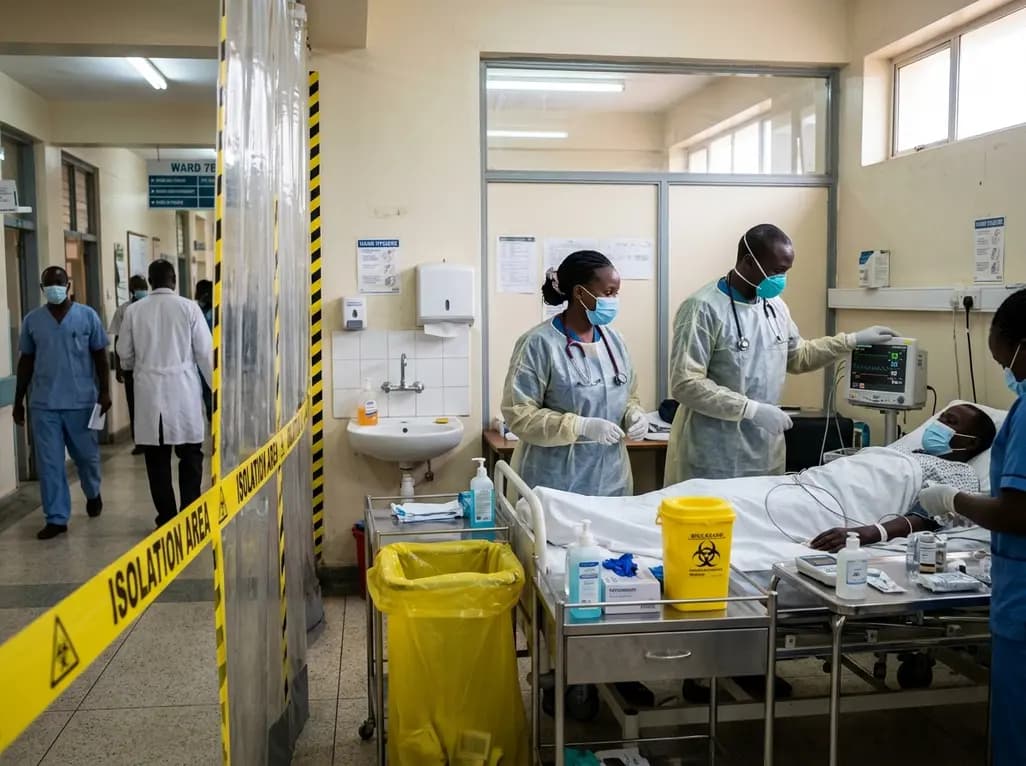
Kenya's confirmation of its eighth Ebola infection highlights the acute risk of secondary transmission in hospital environments. Clinicians must maintain high vigilance, enforce strict infection prevention protocols, and implement rapid triage mechanisms for viral hemorrhagic fevers across healthcare settings.
3 days back
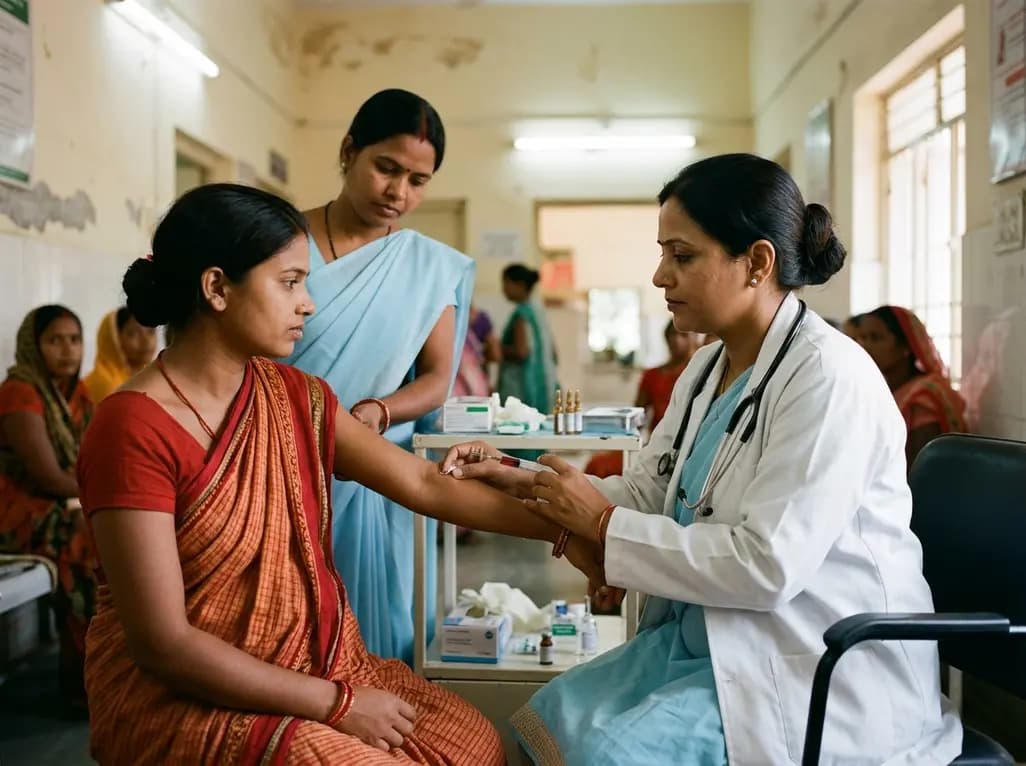
Maternal anaemia contributes to nearly half of pregnancy-related fatalities across India. To prevent complications, Uttar Pradesh has added single-dose parenteral iron to its essential medicines list. This clinical transition aims to restore haemoglobin rapidly and protect high-risk mothers across rural facilities.
Last week
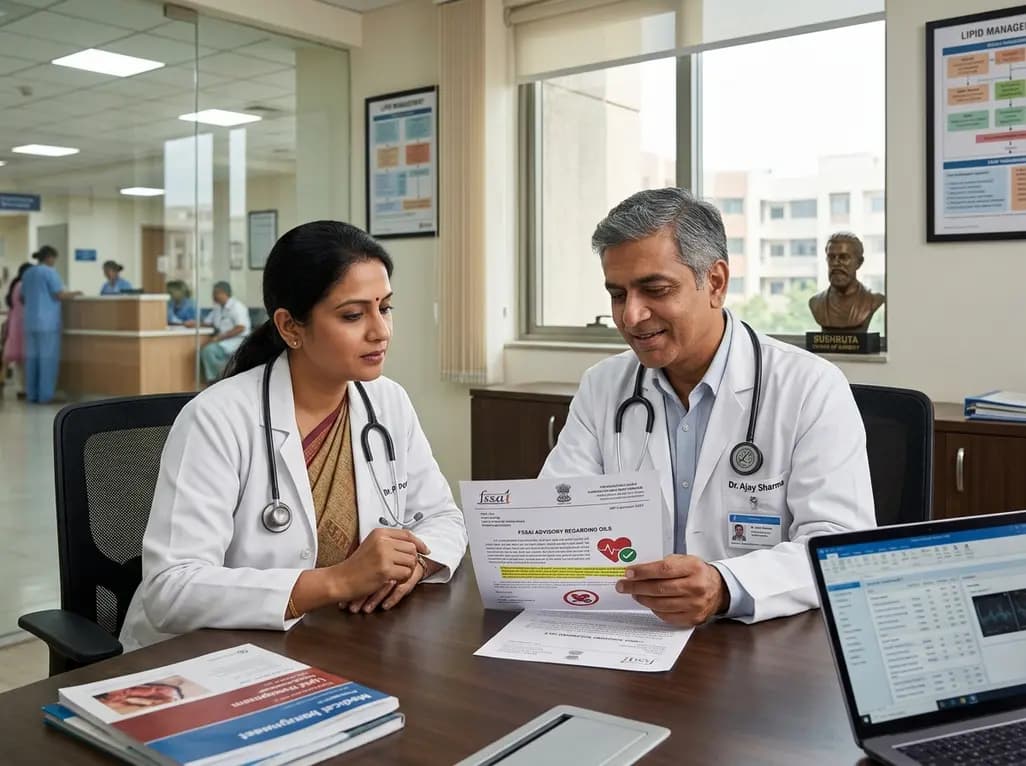
India's food safety authority FSSAI has issued show-cause notices to Gemini Edibles, BigBasket, and Flipkart for unpermitted cardiovascular claims regarding Freedom Rice Bran Oil. This regulatory move highlights the strict enforcement of advertising standards and the clinical necessity of evidence-based lipid care.
5 days back
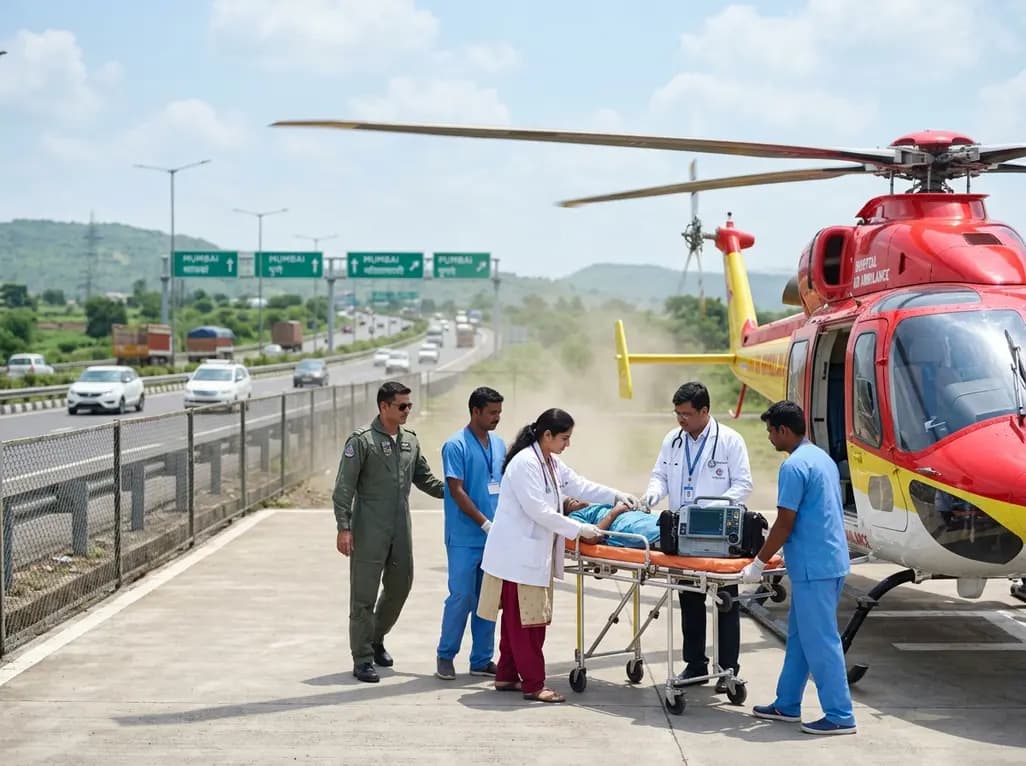
The state government is deploying helicopter emergency medical services across the Mumbai-Pune Expressway, Samruddhi Mahamarg, and Mumbai-Goa Highway. This initiative establishes unified standard operating procedures to enable rapid triage, advanced prehospital resuscitation, and seamless trauma care transfers.
Last week
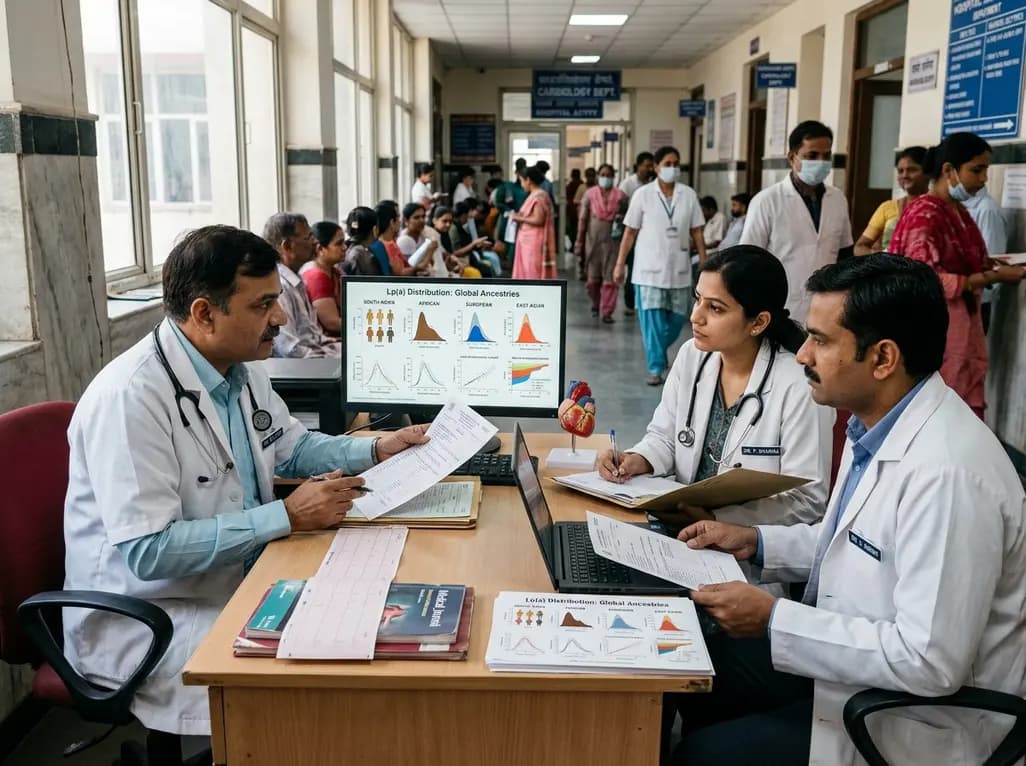
Atherosclerotic cardiovascular disease guidelines often rely on European-derived lipoprotein(a) cutoffs. However, baseline Lp(a) levels vary widely across ancestries, including South Asians and Africans. Clinicians must interpret Lp(a) values within overall absolute cardiovascular risk.
Last week
