.webp&w=384&q=75)

Loading, please wait...
Loading, please wait...
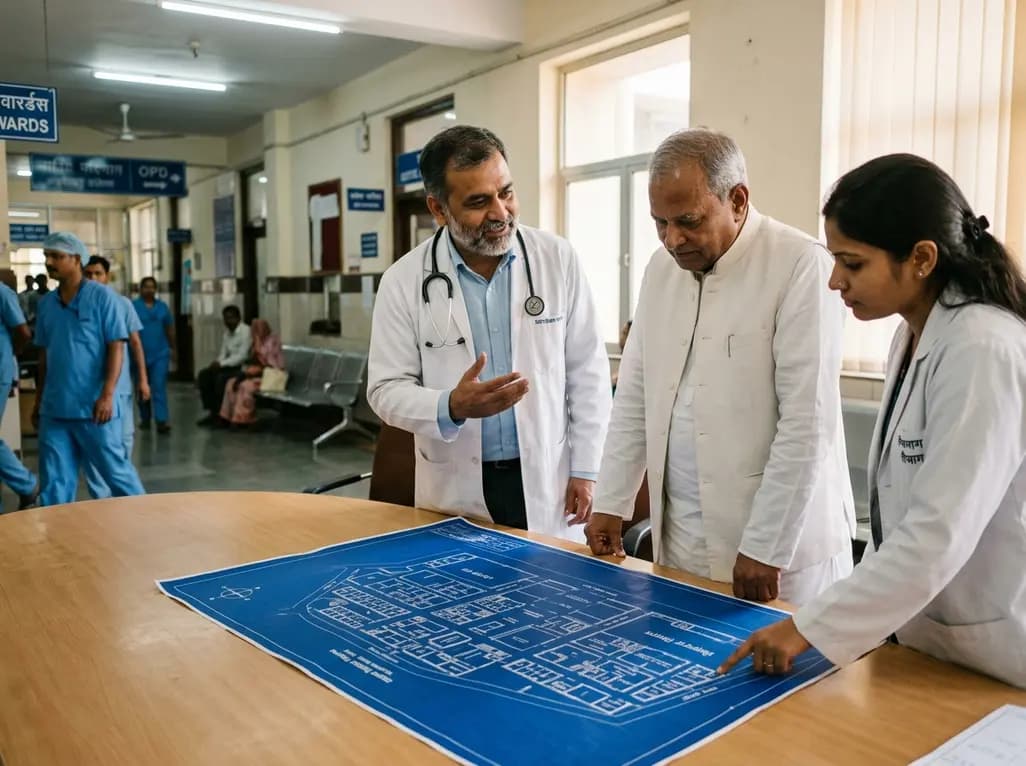
The healthcare landscape in Bihar is set for a major transformation as the state government explores public-private partnership initiatives. Specifically, the state is considering operating 33 medical colleges and hospitals under this collaborative framework. The newly proposed Bihar medical colleges PPP model aims to expand medical education and healthcare services across the state's districts. Consequently, this strategic decision will utilize both greenfield and brownfield projects to upgrade local medical seats.
To implement this plan, the state health department organized a comprehensive stakeholder meeting in Patna. Consequently, more than 80 institutions, investors, and healthcare experts from across India participated in the detailed discussions. These representatives represented several states, including Punjab, Maharashtra, Gujarat, Kerala, Haryana, Chhattisgarh, and Uttar Pradesh. Furthermore, Chief Secretary Pratyaya Amrit addressed the gathering and emphasized the state's dedication to quality healthcare. He highlighted that the government is creating a highly conducive environment for private healthcare investments. Therefore, the state is establishing transparent procedures, single-window clearances, and better infrastructure to attract private partners.
In addition, Health Secretary Kumar Ravi shared vital details regarding the upcoming infrastructure expansion. He explained that the proposal includes 17 greenfield and 16 brownfield medical institutions. Specifically, the government plans to operate these newly approved colleges and hospitals across 17 districts. To facilitate this, the state will provide approximately 20 to 25 acres of land in each district. Furthermore, the administration plans to appoint a transaction adviser to provide technical guidance throughout the process. Ultimately, the health department will select private partners through a transparent bidding process to ensure fairness.
Moreover, the government hopes this public-private partnership will create numerous local employment opportunities. Stakeholders believe that private efficiency will significantly boost regional medical training capacity. Additionally, Bihar is working on reducing unnecessary patient referrals to major city hospitals. The state is setting up strict local referral systems in all district and sub-divisional hospitals. Therefore, rural residents can easily access quality treatment closer to their homes. Ultimately, this approach will strengthen the healthcare delivery system at the grassroots level.
Q1: What is the primary objective of the Bihar medical colleges PPP initiative?
The primary objective is to enhance regional healthcare infrastructure and expand medical education capacity in Bihar. By leveraging private investment, the state plans to build modern healthcare facilities and create more MBBS seats.
Q2: How many medical colleges and hospitals are included in this project?
The state government has proposed developing 33 institutions under the public-private partnership model. Specifically, this ambitious initiative includes 17 greenfield and 16 brownfield projects spread across 17 districts.
Q3: How will the state government support the private partners in this model?
The government will support private partners by allocating 20 to 25 acres of land in each selected district. Additionally, the administration is establishing transparent bidding systems, single-window clearances, and appointing a transaction adviser for technical guidance.
Disclaimer: This content is for informational and educational purposes only. It does not constitute medical advice or replace professional judgment. Refer to the latest local and national guidelines for clinical practice.
References

Read summarized clinical updates, watch expert medical content, and earn CME certifications right from your smartphone.
Open your smartphone camera to scan and install.





The Bihar government plans to develop 33 medical colleges and hospitals using a public-private partnership. This includes both greenfield and brownfield projects to upgrade healthcare delivery and expand local medical training opportunities.
4 months ago
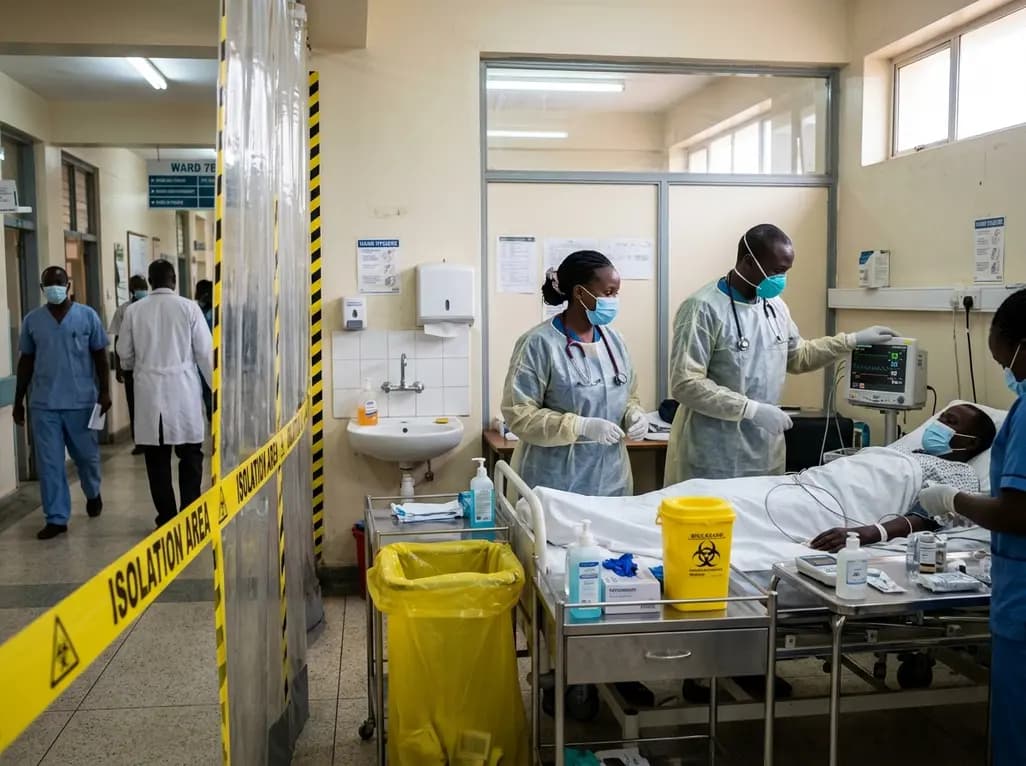
Kenya's confirmation of its eighth Ebola infection highlights the acute risk of secondary transmission in hospital environments. Clinicians must maintain high vigilance, enforce strict infection prevention protocols, and implement rapid triage mechanisms for viral hemorrhagic fevers across healthcare settings.
3 days back
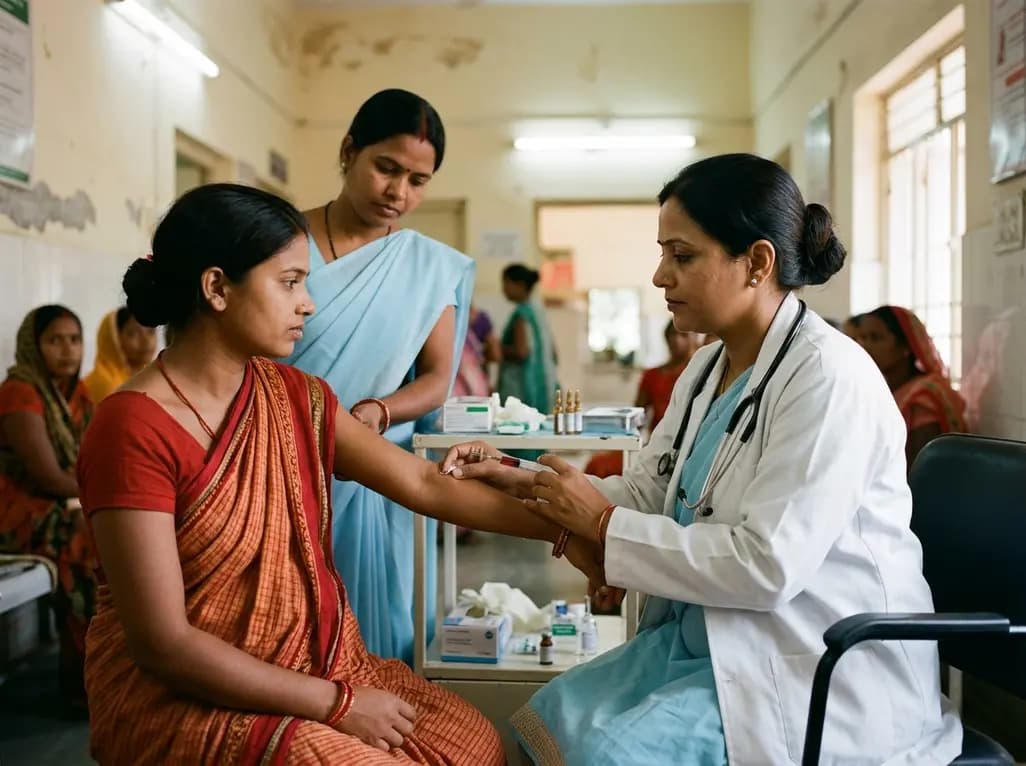
Maternal anaemia contributes to nearly half of pregnancy-related fatalities across India. To prevent complications, Uttar Pradesh has added single-dose parenteral iron to its essential medicines list. This clinical transition aims to restore haemoglobin rapidly and protect high-risk mothers across rural facilities.
Last week
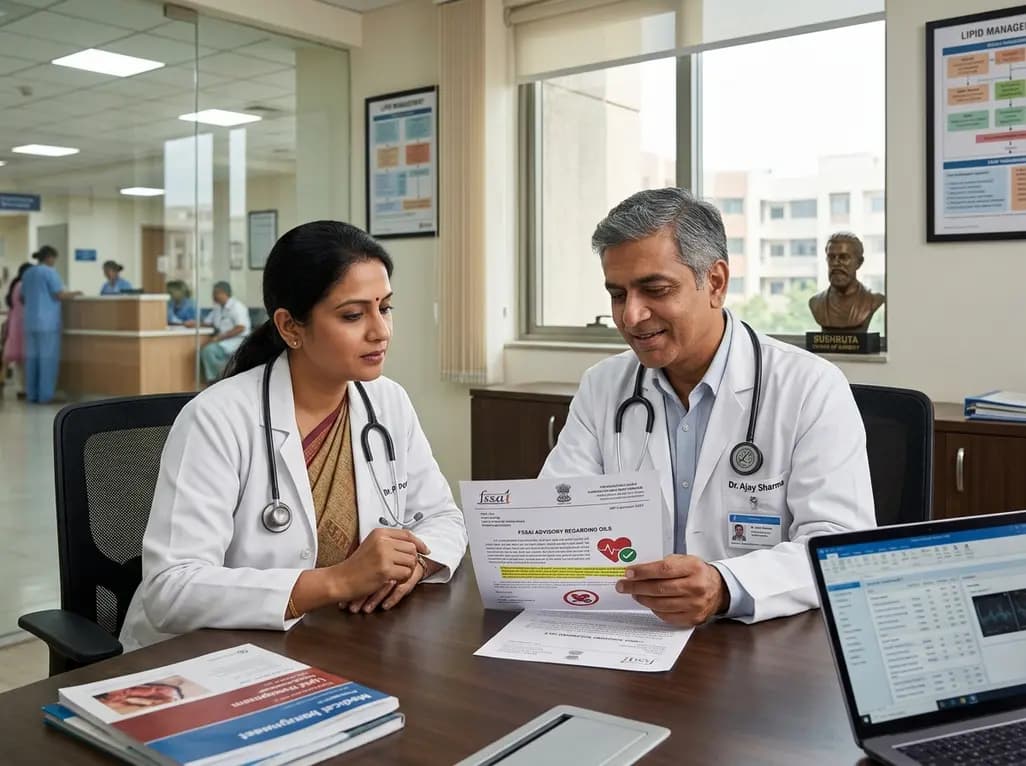
India's food safety authority FSSAI has issued show-cause notices to Gemini Edibles, BigBasket, and Flipkart for unpermitted cardiovascular claims regarding Freedom Rice Bran Oil. This regulatory move highlights the strict enforcement of advertising standards and the clinical necessity of evidence-based lipid care.
5 days back
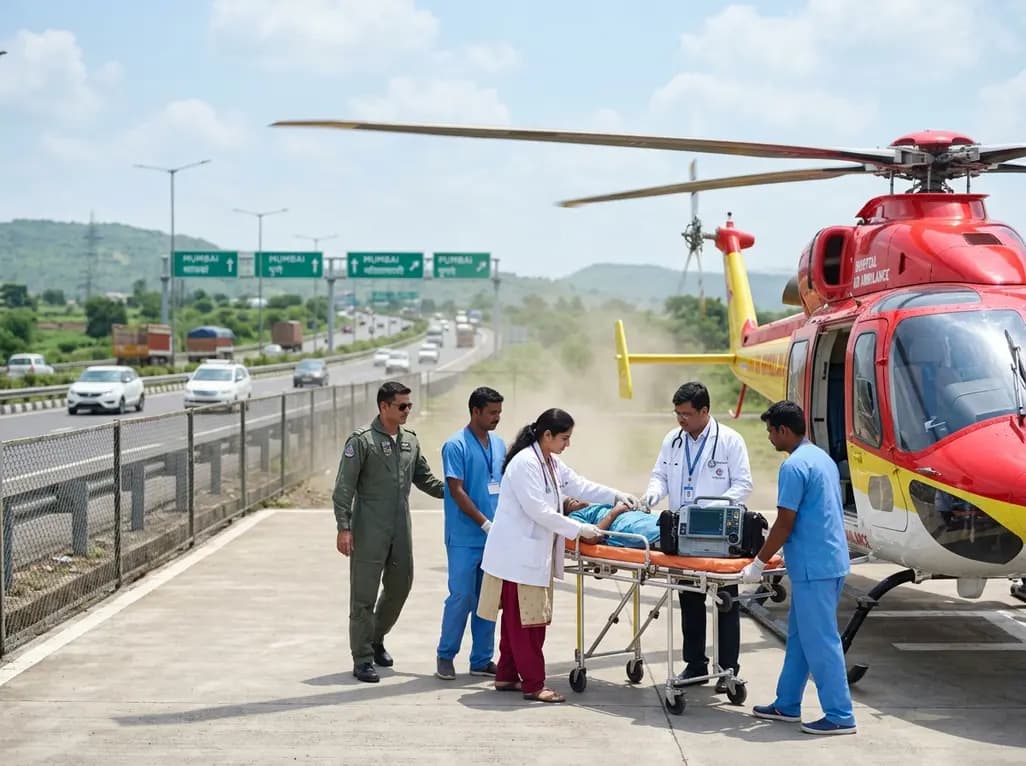
The state government is deploying helicopter emergency medical services across the Mumbai-Pune Expressway, Samruddhi Mahamarg, and Mumbai-Goa Highway. This initiative establishes unified standard operating procedures to enable rapid triage, advanced prehospital resuscitation, and seamless trauma care transfers.
Last week
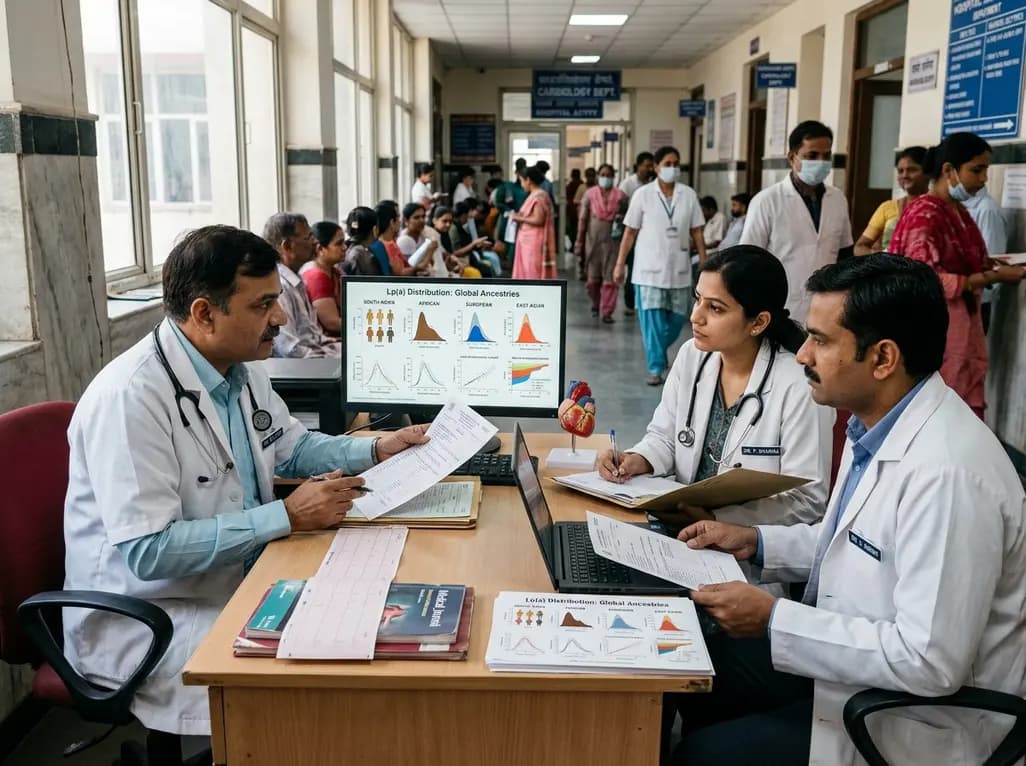
Atherosclerotic cardiovascular disease guidelines often rely on European-derived lipoprotein(a) cutoffs. However, baseline Lp(a) levels vary widely across ancestries, including South Asians and Africans. Clinicians must interpret Lp(a) values within overall absolute cardiovascular risk.
Last week
