.webp&w=384&q=75)

Loading, please wait...
Loading, please wait...
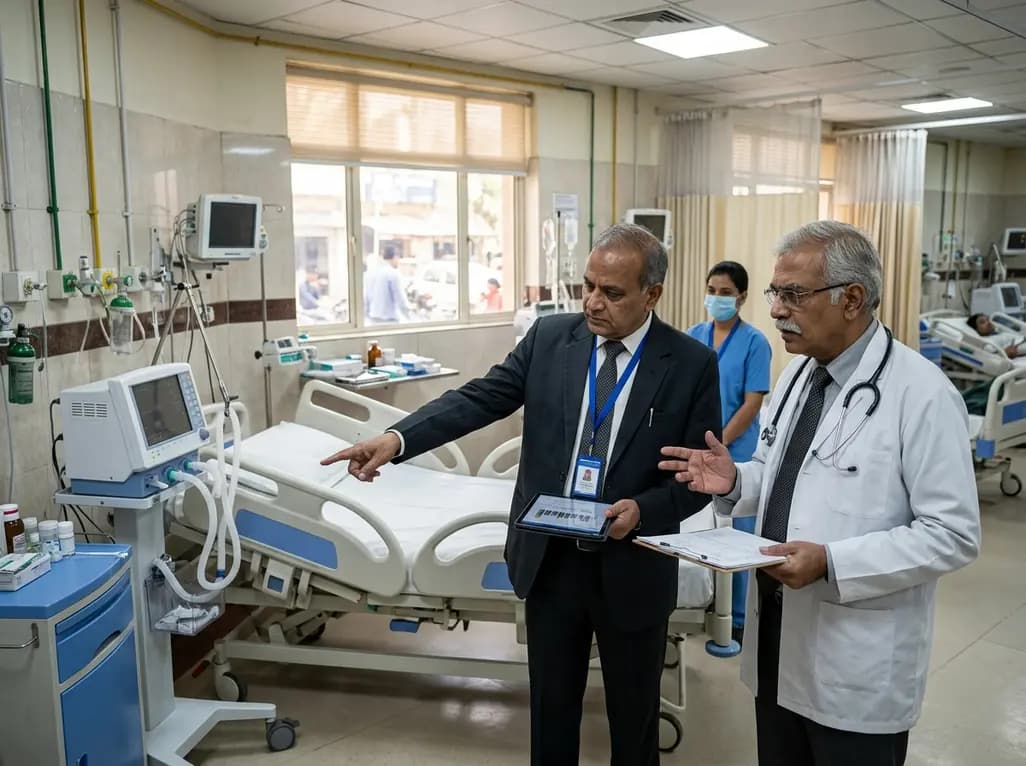
The State Agency for Comprehensive Health Insurance Scheme (SACHIS) recently initiated strict regulatory action against sixteen empanelled healthcare facilities in Bijnor, Uttar Pradesh. This crackdown highlights the critical importance of Ayushman guidelines compliance across public and private medical institutions. Following unannounced inspections, state officials discovered multiple protocol violations, which prompted immediate administrative measures. Consequently, hospital administrators and clinical heads must carefully examine these enforcement trends to prevent administrative penalties. This development underscores the rising scrutiny on healthcare providers under the government insurance framework, making regular internal reviews a vital necessity for all participating hospitals.
In July 2026, a specially appointed three-member team from the state health authority conducted sudden, unannounced visits to twenty empanelled facilities in Bijnor. The primary goal of these visits was to evaluate healthcare standards and monitor operational transparency. During these audits, the inspectors thoroughly checked clinical documentation, patient records, and actual billing procedures. Unfortunately, the review team detected widespread deviations from the mandatory Standard Treatment Guidelines (STGs) in sixteen hospitals. Consequently, SACHIS suspended six facilities and withheld their payments, while ten others received notices seeking explanations for these irregularities. This rigorous exercise demonstrates that the state government is actively monitoring administrative operations to safeguard public funds. Furthermore, this inspection drive serves as a strong warning regarding operational standards. Doctors and administrators must realize that surprise audits are now a standard monitoring mechanism. Therefore, maintaining consistent quality is essential for continuous empanelment. Hospitals that neglect these standards will face immediate administrative actions that could damage their professional reputation permanently. Ultimately, clean records and clinical honesty are the only ways to navigate these state audits successfully.
To maintain operational integrity, healthcare providers must understand that Ayushman guidelines compliance is not optional. The flagship Ayushman Bharat scheme is designed to provide seamless, quality healthcare to underprivileged sections of society. However, when hospitals engage in irregular practices, they compromise both patient safety and public trust. During the recent inspections in Uttar Pradesh, the regulatory team flagged several instances of non-compliance. Specifically, investigators discovered that multiple clinics admitted several members of the same family simultaneously without valid clinical reasons. In addition, there were instances of booking intensive care unit beds for stable patients who did not require critical care. Such actions constitute a direct violation of standard clinical protocols. Therefore, hospitals must implement strict internal audit systems to prevent these issues. By establishing robust internal reviews, institutions can identify and rectify billing anomalies before official audits occur. Ultimately, maintaining strict compliance ensures that actual beneficiaries receive timely and correct treatment. Thus, hospitals must align their clinical pathways with state-mandated protocols immediately. This proactive alignment is the most effective way to ensure uninterrupted services and maintain the hospital's reputation within the community.
The penalties for failing to maintain compliance are becoming increasingly severe under the updated state regulatory framework. In Bijnor, SACHIS suspended six empanelled hospitals immediately and withheld all their pending insurance claims. Meanwhile, ten other hospitals received show-cause notices demanding detailed explanations for their operational lapses. If these hospitals fail to justify their actions, they will face heavy financial penalties under the scheme's provisions. Specifically, the state agency has proposed imposing a fine that is ten times the applicable claim amount wherever violations are established. This severe financial deterrent is intended to stop the commercial exploitation of public healthcare schemes. Furthermore, the district coordinator and the associated third-party audit agency also received formal notices. Consequently, medical professionals must prioritize documentation and clinical justification. Failing to do so can lead to irreparable reputational damage and catastrophic financial losses. Hospital administrators should realize that financial oversight is now fully integrated with clinical audits. Therefore, every medical decision must be backed by clear, indisputable clinical evidence to avoid severe regulatory action.
One of the most critical issues identified during the surprise audits was the improper utilization of critical care infrastructure. Specifically, multiple hospitals were found booking intensive care unit (ICU) beds without any documented medical necessity. Because critical care services command significantly higher reimbursement rates under the national health scheme, some facilities manipulated these admissions to inflate their financial claims. However, this practice represents a major ethical breach and compromises clinical quality. It also deprives genuinely ill patients of essential life-support facilities. Consequently, the state health agency is cracking down on artificial ICU utilization across Uttar Pradesh. To prevent such violations, clinical departments must establish objective admission criteria based on national critical care guidelines. Doctors must clearly document the patient's physiological parameters to justify ICU admissions. Additionally, independent clinical committees should regularly review intensive care utilization data. By enforcing these internal checks, hospitals can ensure that critical care resources are used ethically and transparently. This responsible management not only protects the hospital from legal trouble but also ensures that critical resources remain available for emergency cases.
As the state government intensifies its monitoring, empanelled hospitals must adopt a proactive approach to remain compliant. Transitioning to the updated Hospital Empanelment Module (HEM) 2.0 portal is an essential first step. This system requires hospitals to strictly adhere to thirty-five distinct operational standards, including valid registrations and fire safety clearances. Moreover, clinical heads must organize regular training sessions to familiarize their medical staff with the Standard Treatment Guidelines (STGs). Healthcare professionals should also recognize that digital records and claim submissions are constantly analyzed using advanced fraud detection tools. Thus, any pattern of irregular admissions will be flagged immediately for physical verification. Hospital administrators must cooperate with district coordinators and maintain complete transparency. Ultimately, these stringent regulations aim to elevate the overall quality of public healthcare delivery. By viewing compliance as a tool for clinical excellence rather than an administrative burden, hospitals can build long-term trust. Adopting this positive mindset will help medical facilities thrive under the national health framework while delivering superior care to patients.
Q1: What were the primary irregularities detected during the surprise inspections in Bijnor?
During the unannounced visits, the SACHIS inspection team discovered multiple operational lapses. Specifically, the team flagged the repeated admission of multiple members from the same family to generate artificial insurance claims. Additionally, several hospitals booked intensive care unit (ICU) beds for patients without any documented medical necessity. There were also significant deviations from the Standard Treatment Guidelines and prescribed quality standards across sixteen empanelled healthcare facilities.
Q2: What administrative actions have been taken against the non-compliant hospitals?
The state health agency initiated strict administrative action against sixteen hospitals. Consequently, six facilities faced immediate suspension, and their pending payments were withheld. Meanwhile, the remaining ten hospitals received notices demanding explanations for their irregular practices. Furthermore, SACHIS proposed imposing financial penalties up to ten times the claim amount where violations are proven, while also serving show-cause notices to the district coordinator and audit agency.
Q3: How can empanelled hospitals ensure full compliance with the Ayushman Bharat guidelines?
Hospitals must align their operational protocols with the Standard Treatment Guidelines and the HEM 2.0 portal requirements. Specifically, clinical heads should implement robust internal audits to review patient admissions, documentation, and ICU utilization. Additionally, regular training sessions must be conducted for medical staff to ensure accurate record-keeping. By maintaining transparent procedures, hospitals can prevent claim rejections and avoid severe penalties during regulatory surprise inspections.
Disclaimer: This content is for informational and educational purposes only. It does not constitute medical advice or replace professional judgment. Refer to the latest local and national guidelines for clinical practice.
References

Read summarized clinical updates, watch expert medical content, and earn CME certifications right from your smartphone.
Open your smartphone camera to scan and install.





Following surprise inspections in Bijnor, SACHIS has taken administrative action against 16 empanelled hospitals under the Ayushman Bharat scheme. This overview outlines the protocol violations discovered—including ICU bed misuse—and highlights the steps hospitals must take to ensure regulatory compliance.
3 months ago
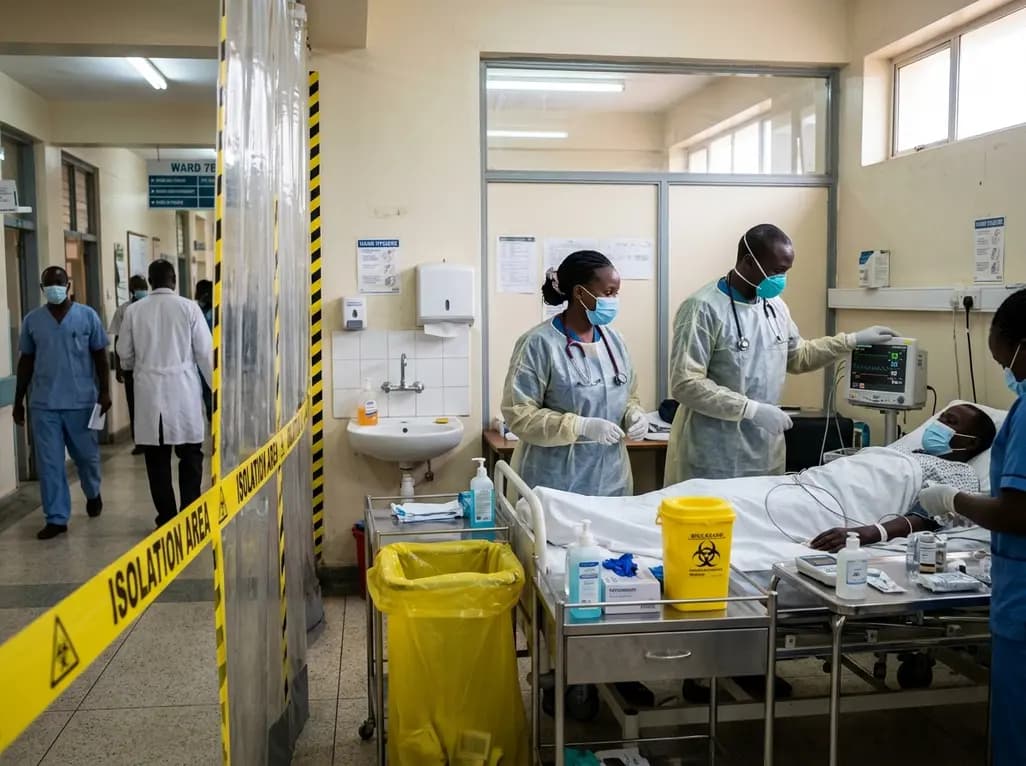
Kenya's confirmation of its eighth Ebola infection highlights the acute risk of secondary transmission in hospital environments. Clinicians must maintain high vigilance, enforce strict infection prevention protocols, and implement rapid triage mechanisms for viral hemorrhagic fevers across healthcare settings.
4 days back
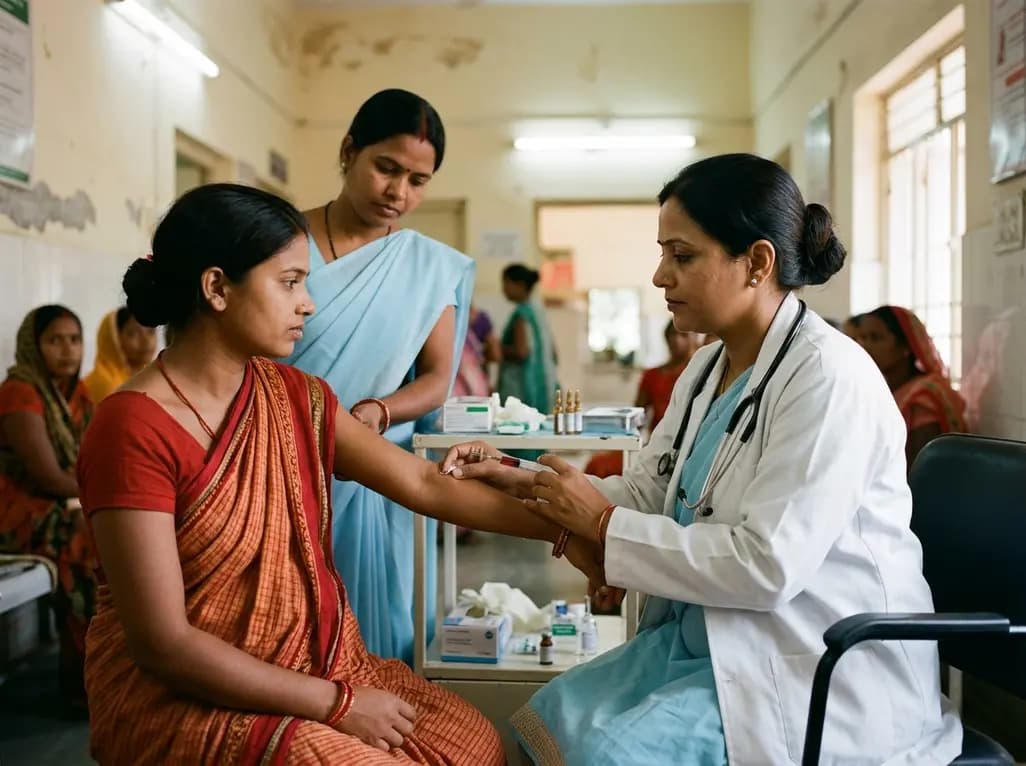
Maternal anaemia contributes to nearly half of pregnancy-related fatalities across India. To prevent complications, Uttar Pradesh has added single-dose parenteral iron to its essential medicines list. This clinical transition aims to restore haemoglobin rapidly and protect high-risk mothers across rural facilities.
Last week

India's food safety authority FSSAI has issued show-cause notices to Gemini Edibles, BigBasket, and Flipkart for unpermitted cardiovascular claims regarding Freedom Rice Bran Oil. This regulatory move highlights the strict enforcement of advertising standards and the clinical necessity of evidence-based lipid care.
6 days back

The state government is deploying helicopter emergency medical services across the Mumbai-Pune Expressway, Samruddhi Mahamarg, and Mumbai-Goa Highway. This initiative establishes unified standard operating procedures to enable rapid triage, advanced prehospital resuscitation, and seamless trauma care transfers.
Last week
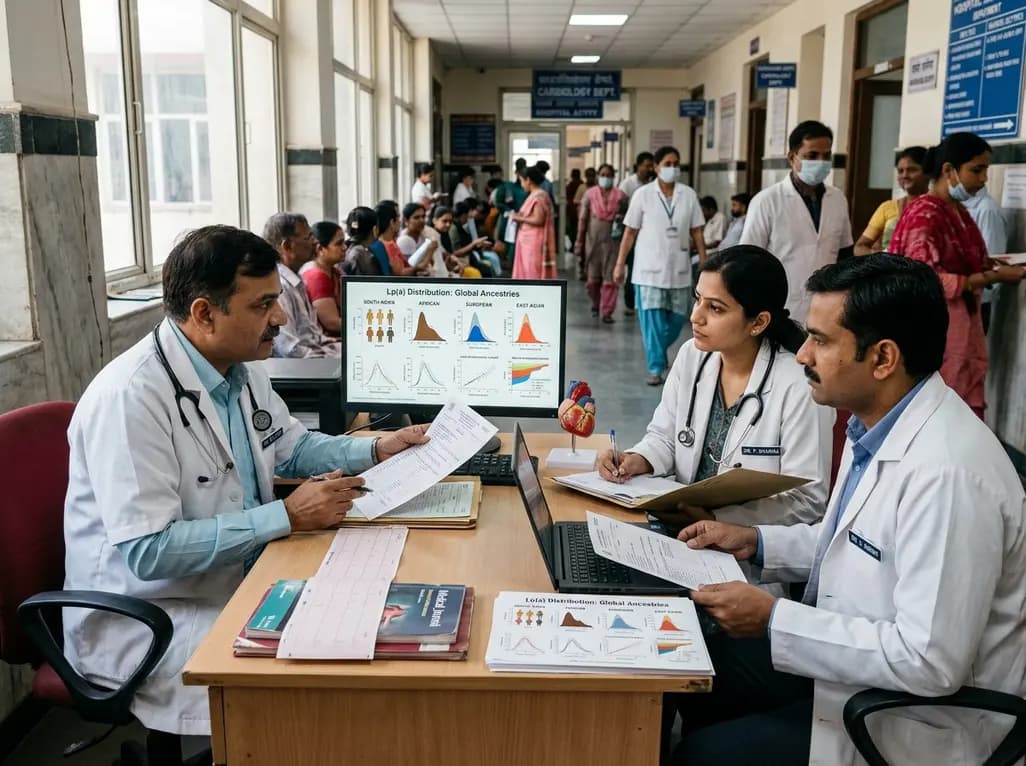
Atherosclerotic cardiovascular disease guidelines often rely on European-derived lipoprotein(a) cutoffs. However, baseline Lp(a) levels vary widely across ancestries, including South Asians and Africans. Clinicians must interpret Lp(a) values within overall absolute cardiovascular risk.
Last week
