.webp&w=384&q=75)

Loading, please wait...
Loading, please wait...
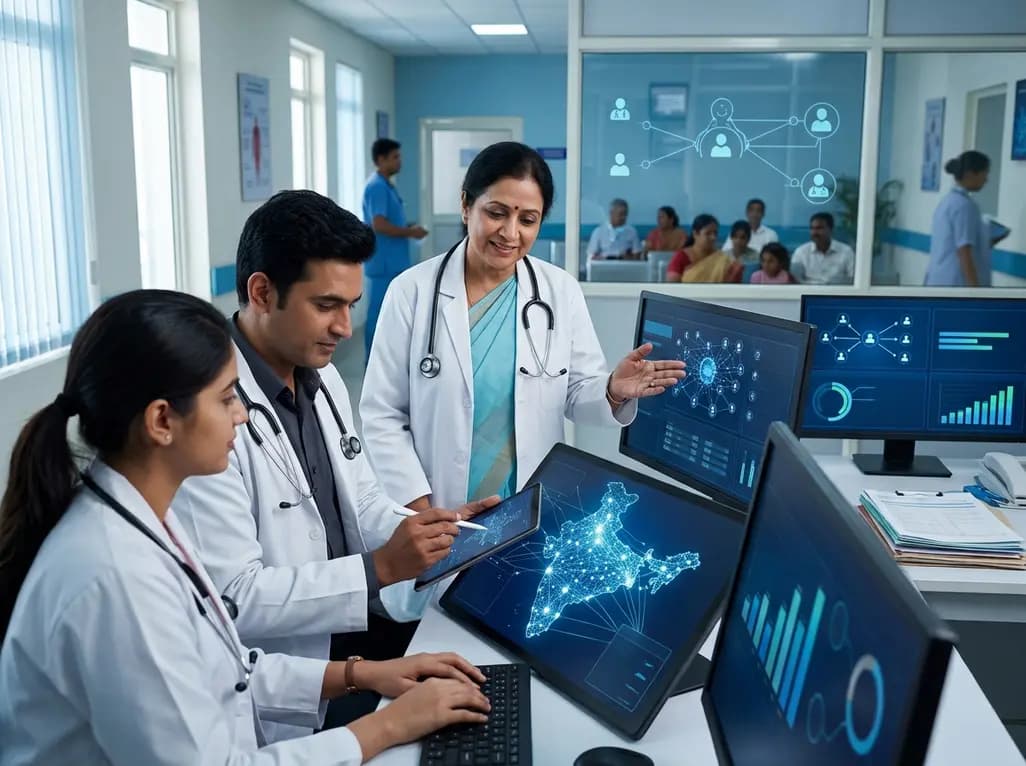
India's digital healthcare infrastructure is currently undergoing a historic transformation. Under the flagship Ayushman Bharat Digital Mission, the government is establishing a highly integrated digital medical ecosystem. Consequently, these newly announced milestones represent a massive leap forward for healthcare providers and patients alike. Indeed, by digitizing patient records and streamlining workflows, the country is building a robust foundation for universal coverage. Therefore, it is vital for Indian healthcare professionals to comprehend these systemic changes. Subsequently, this article analyzes the key performance metrics and clinical implications of this digital evolution.
The latest national data illustrates unprecedented progress across all segments of the Indian digital health ecosystem. Specifically, the Union Health Ministry reported that the initiative has generated over 93.95 crore individual Ayushman Bharat Health Accounts (ABHA). Additionally, health officials have successfully linked more than 105 crore digital health records within this comprehensive platform. Consequently, this vast clinical database establishes the program as one of the largest digital healthcare registries worldwide. Furthermore, the platform now lists 5.33 lakh verified health facilities alongside 9.85 lakh registered healthcare professionals. Indeed, this nationwide registration ensures that patients can access authenticated providers across diverse states and union territories. Meanwhile, local implementation has expanded dramatically through targeted programs such as Model Districts. Therefore, this structured directory serves as a vital clinical foundation for modernizing patient care delivery. Ultimately, the rapid expansion of these registries proves that technology is successfully reaching the grassroots level.
Modernizing clinical infrastructure requires equipping local medical centers with highly advanced, compatible digital applications. To achieve this, the mission has successfully enabled 2.72 lakh healthcare facilities to adopt ABDM-compliant software packages. Consequently, this widespread integration empowers clinicians to compile, store, and share digital medical histories with total ease. Moreover, standardizing these platforms ensures that hospital registries can communicate effortlessly with other national health systems. Additionally, the government has deployed efficient tools like the Scan & Register service to address patient congestion. Notably, this digital booking method has generated nearly 24 crore automated tokens for rapid outpatient department registrations. As a result, patients spend significantly less time waiting in long administrative queues at hospital counters. Meanwhile, medical staff benefit from a substantial reduction in tedious physical paperwork and manual entry errors. Indeed, these operational improvements allow clinical teams to prioritize patient care over routine administration. Subsequently, the quality of healthcare delivery rises across both public and private medical institutions.
Creating a unified national health system requires bridging the gaps between existing public programs. Therefore, the government is actively integrating this digital architecture with several key national welfare initiatives. Specifically, the platform is now fully synchronized with the PM-JAY insurance scheme and the Central Government Health Scheme. Additionally, this electronic network extends to the Employees' State Insurance Corporation and the Nikshay tuberculosis platform. Consequently, patients enrolled in these programs can enjoy frictionless, secure access to their comprehensive electronic charts. Meanwhile, local authorities are utilizing Aarogya Setu 2.0 to deliver seamless mobile health services directly to citizens. Furthermore, this digital cohesion prevents the duplication of laboratory investigations and medical diagnostic tests. Thus, both clinicians and administrative heads can coordinate complex treatment strategies with much greater efficiency. In addition, the unified database provides government agencies with precise epidemiological insights for better disease surveillance. Ultimately, these collaborative pathways lay the groundwork for achieving true universal health coverage in India.
These monumental achievements were recently reviewed during the third official meeting of the Mission Steering Group. Specifically, Union Health Minister JP Nadda chaired this critical session to evaluate current metrics and discuss future opportunities. Notably, the meeting featured active participation from prominent central ministers, scientific advisors, and state health representatives. Furthermore, the committee deliberated on specific proposals aimed at expanding digital medical services to remote areas. Therefore, future policies will focus heavily on improving secure data interoperability and promoting nationally notified standards. In addition, the group prioritized the enhancement of citizen convenience by offering more simplified digital tools. Consequently, these strategic choices will help build a highly transparent and resilient digital public infrastructure. Meanwhile, the government intends to strengthen local administrative bodies to accelerate digital software adoption in rural clinics. Indeed, strong governance frameworks are essential to safeguard clinical data while maximizing system utility. Ultimately, these high-level decisions establish a clear, structured roadmap for India's digital health future.
Practicing clinicians across India stand to gain immensely from this rapidly growing digital public infrastructure. First, immediate access to linked medical records eliminates the diagnostic ambiguity often associated with paper charts. Consequently, physicians can quickly review a patient's historical diagnoses, laboratory results, and previous medications during evaluations. This ability is especially crucial in emergency rooms where rapid clinical decisions save lives. Moreover, registering on the national registry provides doctors with verified professional credentials. Indeed, this public verification builds deep trust and enhances visibility within the nationwide medical community. Additionally, the digital consent framework ensures that patient information sharing remains highly secure and regulatory compliant. Therefore, doctors can safely exchange critical medical data without violating modern data protection laws. Meanwhile, standardized digital prescription platforms significantly reduce writing errors and improve pharmaceutical safety. Ultimately, these state-of-the-art tools enable clinicians to practice evidence-based medicine with greater confidence and speed.
Q1: What is the primary objective of the Ayushman Bharat Digital Mission?
The primary objective is to establish a seamless, integrated, and secure digital health ecosystem across India. It achieves this by creating unique ABHA numbers for citizens, maintaining national registries for healthcare professionals and facilities, and enabling digital record sharing. Ultimately, this comprehensive framework enhances clinical continuity of care, reduces physical paperwork burdens, and supports universal health coverage for every single citizen.
Q2: How does the ABDM registration benefit private healthcare practitioners in India?
Registering on the national registry provides several key advantages to private practitioners. Specifically, it validates their credentials on a trusted government platform, thereby boosting patient trust and professional visibility. Additionally, it allows doctors to access linked patient medical records instantly with consent. Consequently, this access minimizes diagnostic redundancy, streamlines clinical decisions, and enhances overall patient safety during therapeutic clinical interventions.
Q3: What is the purpose of the Scan & Register service under this mission?
The Scan & Register service utilizes quick-response (QR) codes to simplify outpatient department (OPD) registration at hospitals. By scanning the code using a smartphone, patients can instantly share their profile details with the facility registry. Consequently, this seamless process generates a secure token, significantly reducing long queues and administrative waiting times. Therefore, this technology vastly improves hospital operational flow and enhances overall citizen convenience.
Disclaimer: This content is for informational and educational purposes only. It does not constitute medical advice or replace professional judgment. Refer to the latest local and national guidelines for clinical practice.
References

Read summarized clinical updates, watch expert medical content, and earn CME certifications right from your smartphone.
Open your smartphone camera to scan and install.





Explore major achievements of the Ayushman Bharat Digital Mission highlighted in the third MSG meeting. With over 93 crore health accounts created, 105 crore records linked, and rapid software adoption, this initiative reshapes India's healthcare infrastructure for both medical providers and citizens.
3 months ago
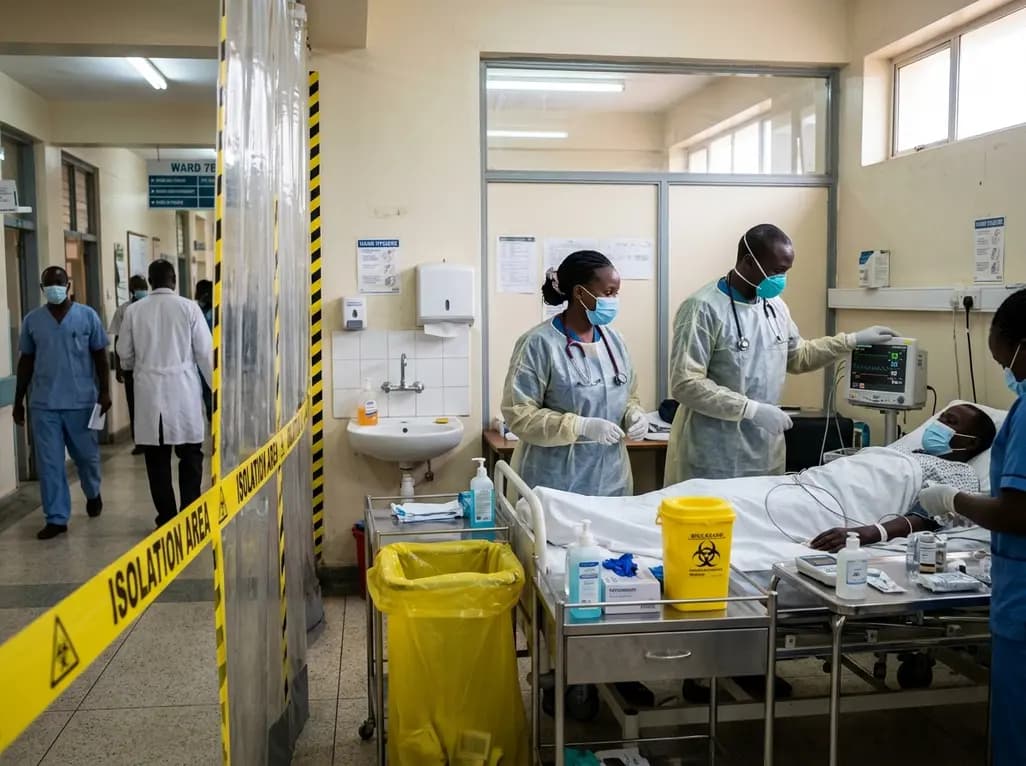
Kenya's confirmation of its eighth Ebola infection highlights the acute risk of secondary transmission in hospital environments. Clinicians must maintain high vigilance, enforce strict infection prevention protocols, and implement rapid triage mechanisms for viral hemorrhagic fevers across healthcare settings.
4 days back
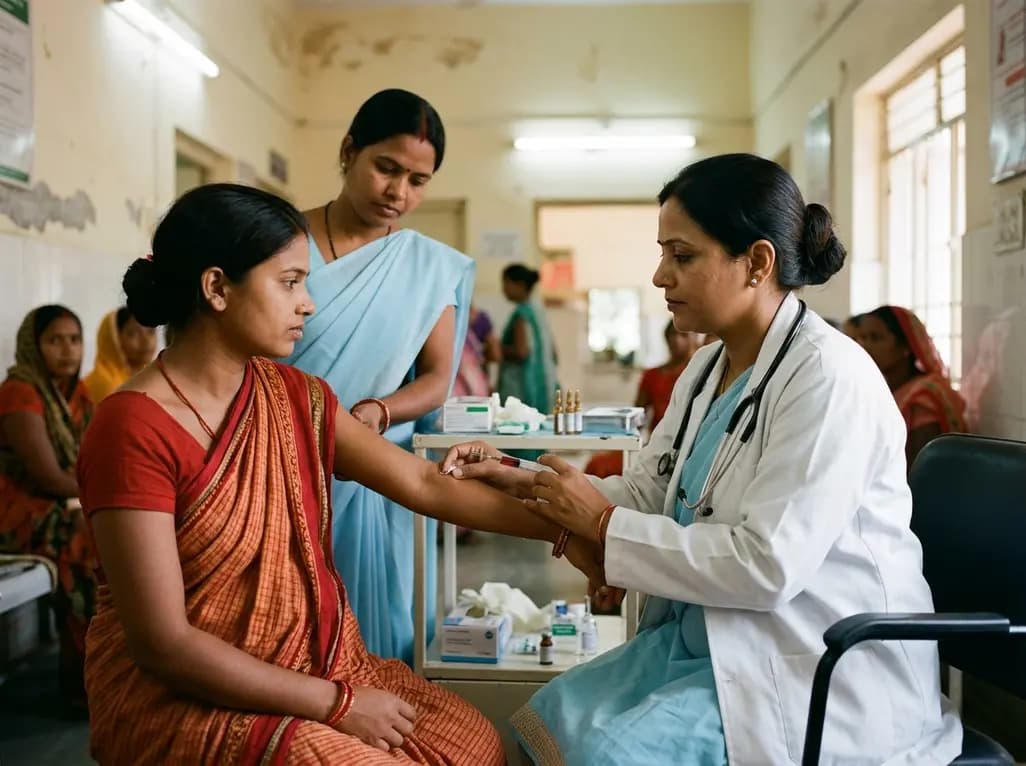
Maternal anaemia contributes to nearly half of pregnancy-related fatalities across India. To prevent complications, Uttar Pradesh has added single-dose parenteral iron to its essential medicines list. This clinical transition aims to restore haemoglobin rapidly and protect high-risk mothers across rural facilities.
Last week
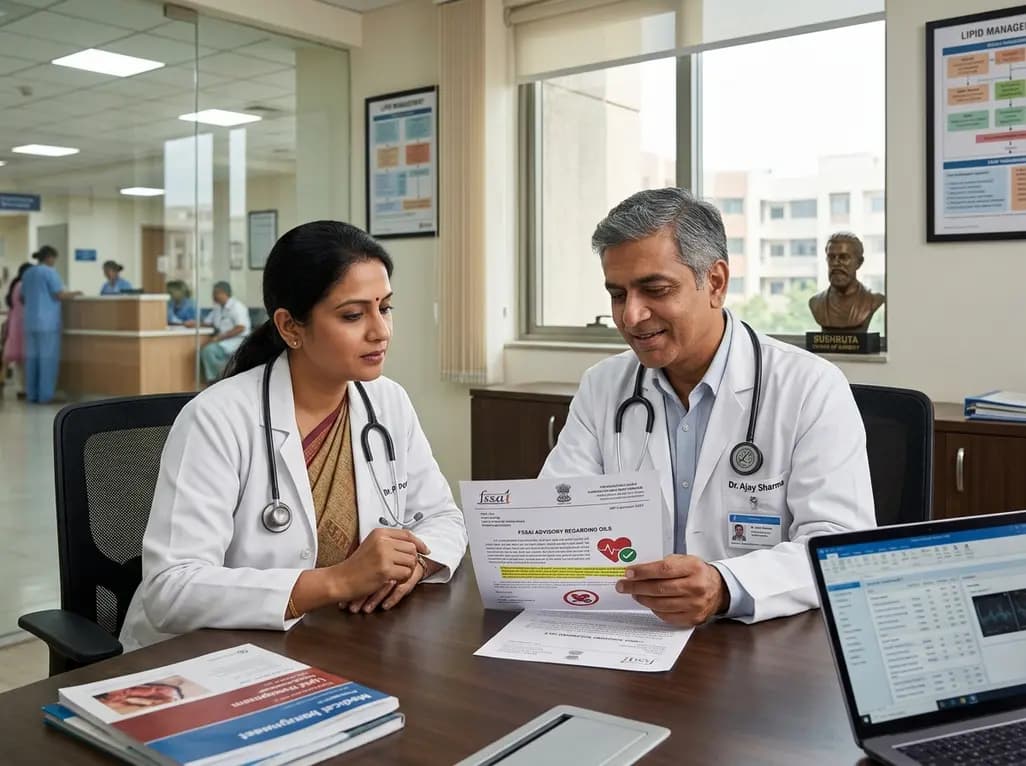
India's food safety authority FSSAI has issued show-cause notices to Gemini Edibles, BigBasket, and Flipkart for unpermitted cardiovascular claims regarding Freedom Rice Bran Oil. This regulatory move highlights the strict enforcement of advertising standards and the clinical necessity of evidence-based lipid care.
6 days back
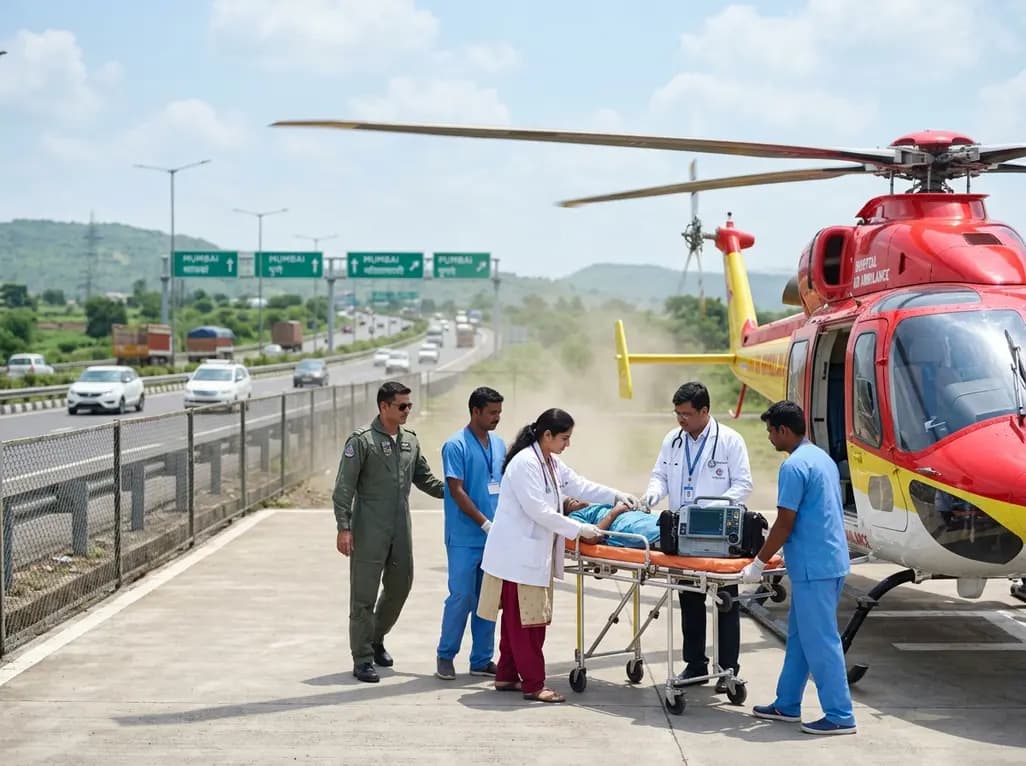
The state government is deploying helicopter emergency medical services across the Mumbai-Pune Expressway, Samruddhi Mahamarg, and Mumbai-Goa Highway. This initiative establishes unified standard operating procedures to enable rapid triage, advanced prehospital resuscitation, and seamless trauma care transfers.
Last week
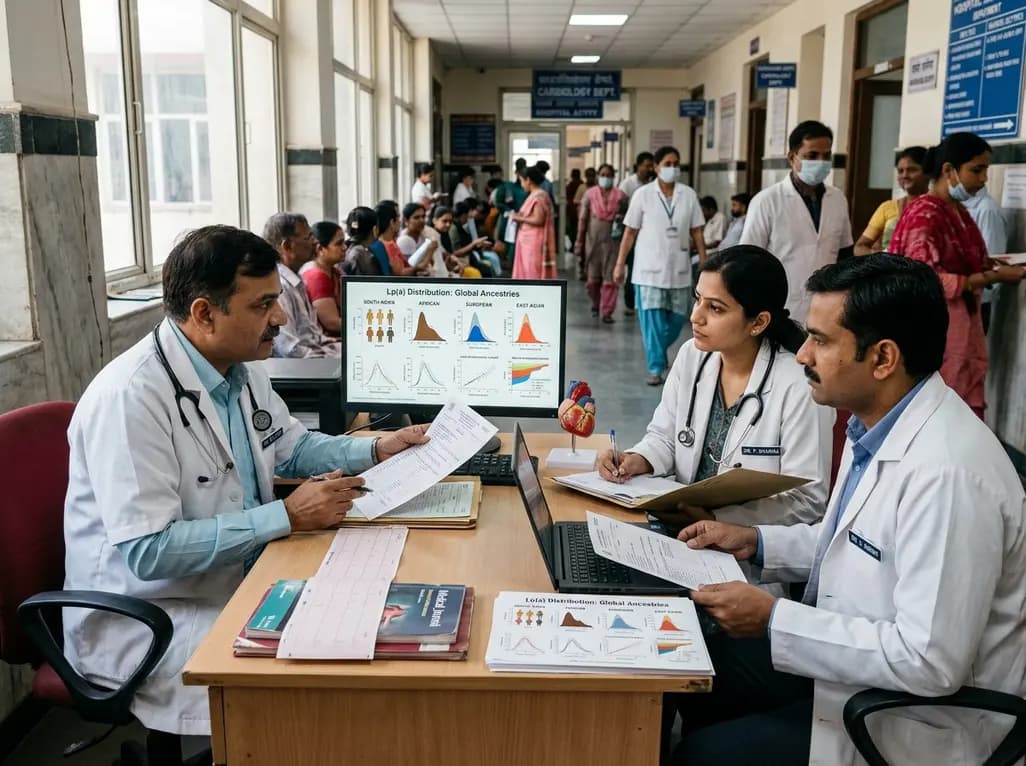
Atherosclerotic cardiovascular disease guidelines often rely on European-derived lipoprotein(a) cutoffs. However, baseline Lp(a) levels vary widely across ancestries, including South Asians and Africans. Clinicians must interpret Lp(a) values within overall absolute cardiovascular risk.
Last week
