.webp&w=384&q=75)

Loading, please wait...
Loading, please wait...

The legislative debate surrounding the proposed assisted dying bill in the United Kingdom is gaining renewed momentum. Specifically, British lawmakers plan to re-examine end-of-life care legalisation during the current parliamentary session. This follows an announcement by Labour MP Lauren Edwards, who intends to reintroduce a private member's bill. Although the Commons previously approved the bill, the legislation stalled in the House of Lords.
Under this bill, mentally competent terminally ill adults in England and Wales would gain the right to end their lives. However, strict criteria govern this process. For example, the patient must have six months or fewer to live, and a professional panel must approve the request. Critics in the House of Lords previously raised concerns regarding the coercion of vulnerable patients. Consequently, these members proposed hundreds of amendments, which delayed the previous bill’s passage. Nevertheless, supporters argue that this draft legislation represents the safest and most robust legal framework globally.
The global landscape of end-of-life care is shifting rapidly as multiple nations enact progressive medical laws. Indeed, countries such as Australia, Canada, the Netherlands, and Spain already permit assisted dying under specific clinical conditions. For Indian medical practitioners, these international legal shifts offer critical educational insights. Currently, Indian law strictly prohibits active euthanasia or physician-assisted suicide. In contrast, the Supreme Court of India legalised passive euthanasia under tightly monitored circumstances in 2018. Therefore, observing the UK debate helps Indian clinicians understand patient autonomy and palliative care standards worldwide.
Q1: What are the main requirements under the proposed UK legislation?
Specifically, the proposed bill requires the patient to be a mentally competent adult with a terminal illness. Additionally, they must have a prognosis of six months or less to live and obtain professional approval.
Q2: How does the UK proposal compare to India's legal stance on end-of-life care?
While the UK bill seeks to permit active medical assistance, India only allows passive euthanasia. Consequently, Indian clinicians may only withdraw life support under strict judicial guidelines rather than prescribing lethal medication.
Disclaimer: This content is for informational and educational purposes only. It does not constitute medical advice or replace professional judgment. Refer to the latest local and national guidelines for clinical practice.
References

Read summarized clinical updates, watch expert medical content, and earn CME certifications right from your smartphone.
Open your smartphone camera to scan and install.





British lawmakers are set to debate legalising assisted dying for terminally ill patients again. After the legislation stalled in the House of Lords, MP Lauren Edwards announced plans to reintroduce the identical bill, triggering crucial global discussions on palliative care safeguards and patient autonomy.
4 months ago
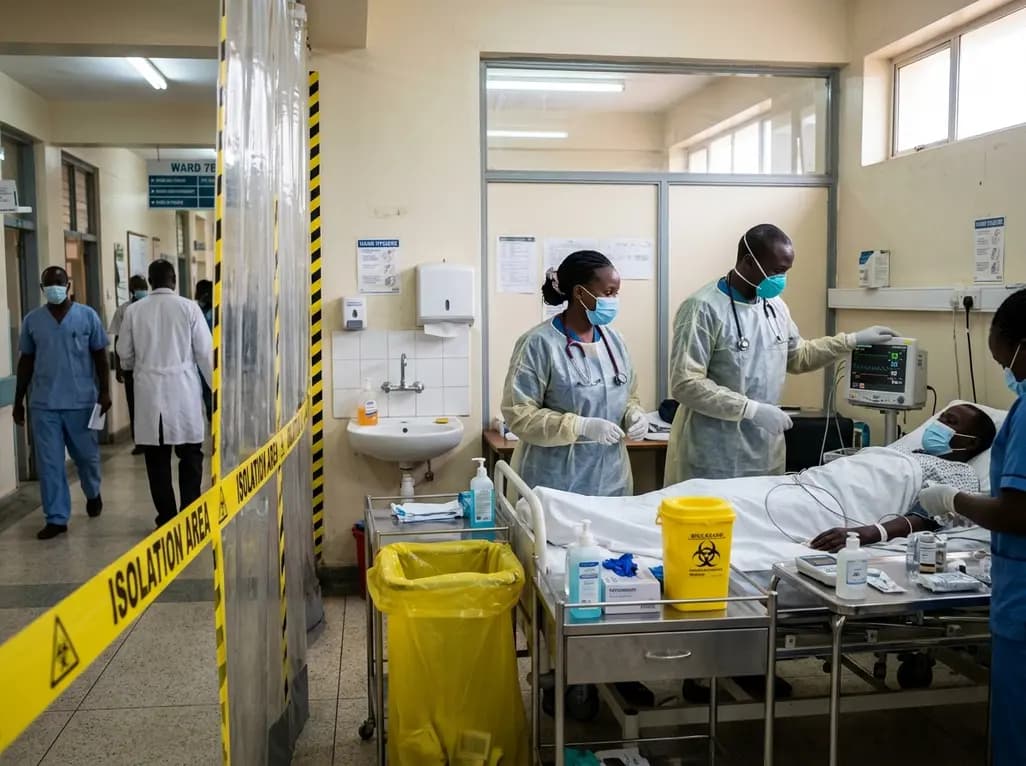
Kenya's confirmation of its eighth Ebola infection highlights the acute risk of secondary transmission in hospital environments. Clinicians must maintain high vigilance, enforce strict infection prevention protocols, and implement rapid triage mechanisms for viral hemorrhagic fevers across healthcare settings.
3 days back
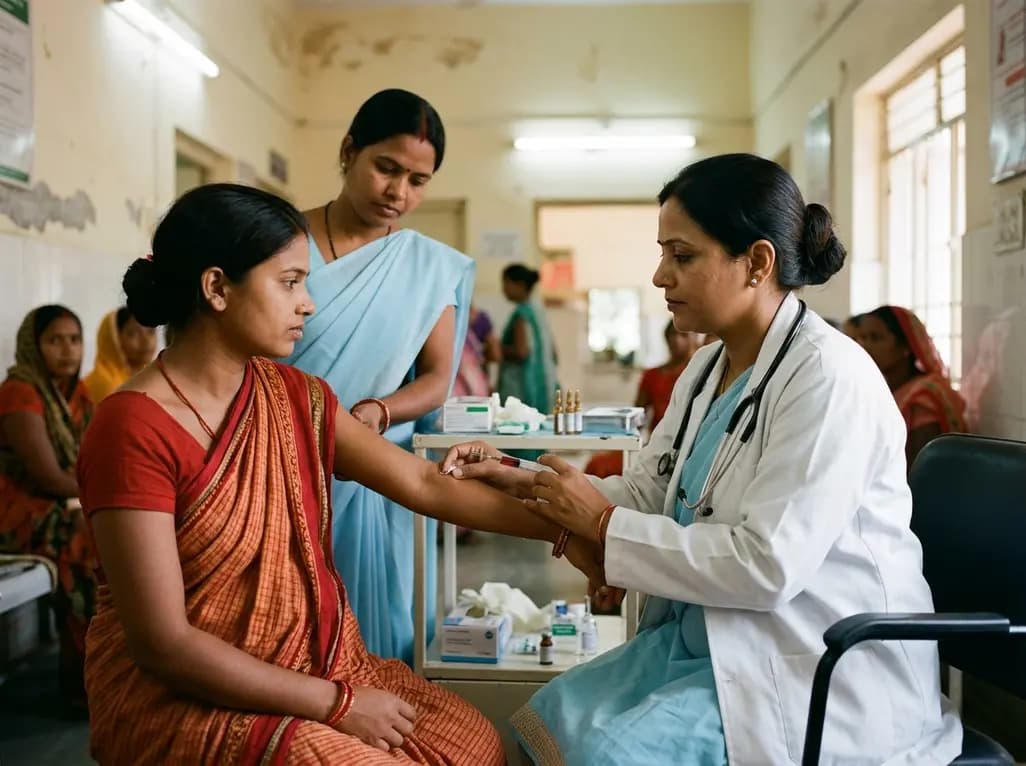
Maternal anaemia contributes to nearly half of pregnancy-related fatalities across India. To prevent complications, Uttar Pradesh has added single-dose parenteral iron to its essential medicines list. This clinical transition aims to restore haemoglobin rapidly and protect high-risk mothers across rural facilities.
Last week

India's food safety authority FSSAI has issued show-cause notices to Gemini Edibles, BigBasket, and Flipkart for unpermitted cardiovascular claims regarding Freedom Rice Bran Oil. This regulatory move highlights the strict enforcement of advertising standards and the clinical necessity of evidence-based lipid care.
5 days back

The state government is deploying helicopter emergency medical services across the Mumbai-Pune Expressway, Samruddhi Mahamarg, and Mumbai-Goa Highway. This initiative establishes unified standard operating procedures to enable rapid triage, advanced prehospital resuscitation, and seamless trauma care transfers.
Last week
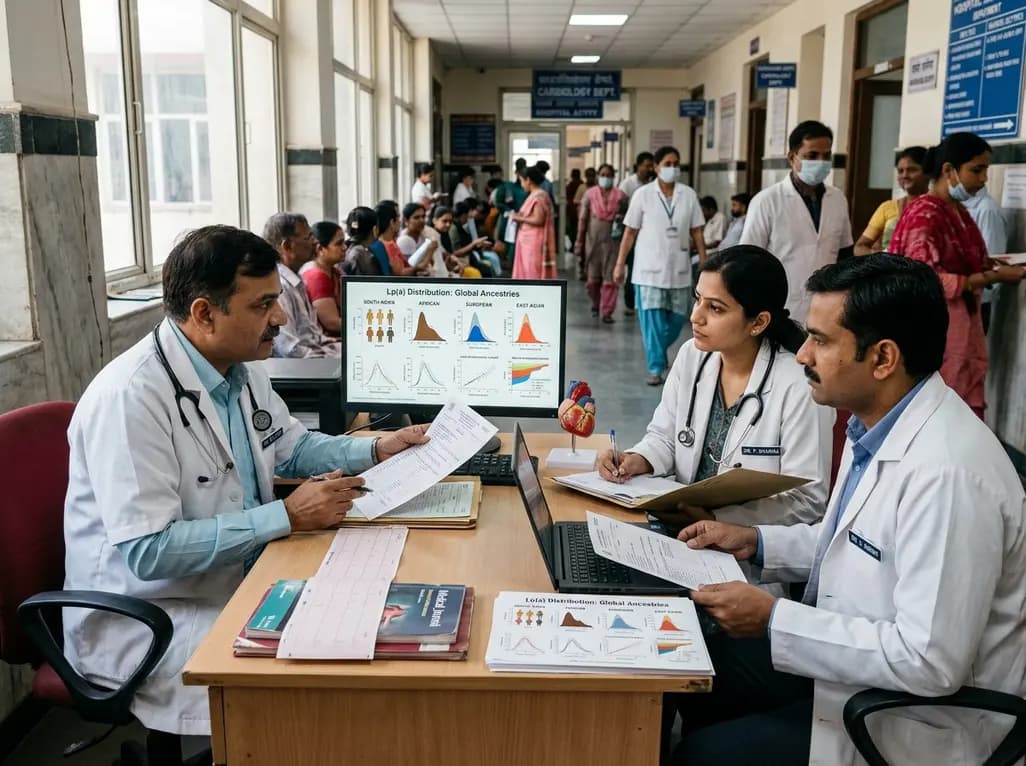
Atherosclerotic cardiovascular disease guidelines often rely on European-derived lipoprotein(a) cutoffs. However, baseline Lp(a) levels vary widely across ancestries, including South Asians and Africans. Clinicians must interpret Lp(a) values within overall absolute cardiovascular risk.
Last week
