.webp&w=384&q=75)

Loading, please wait...
Loading, please wait...
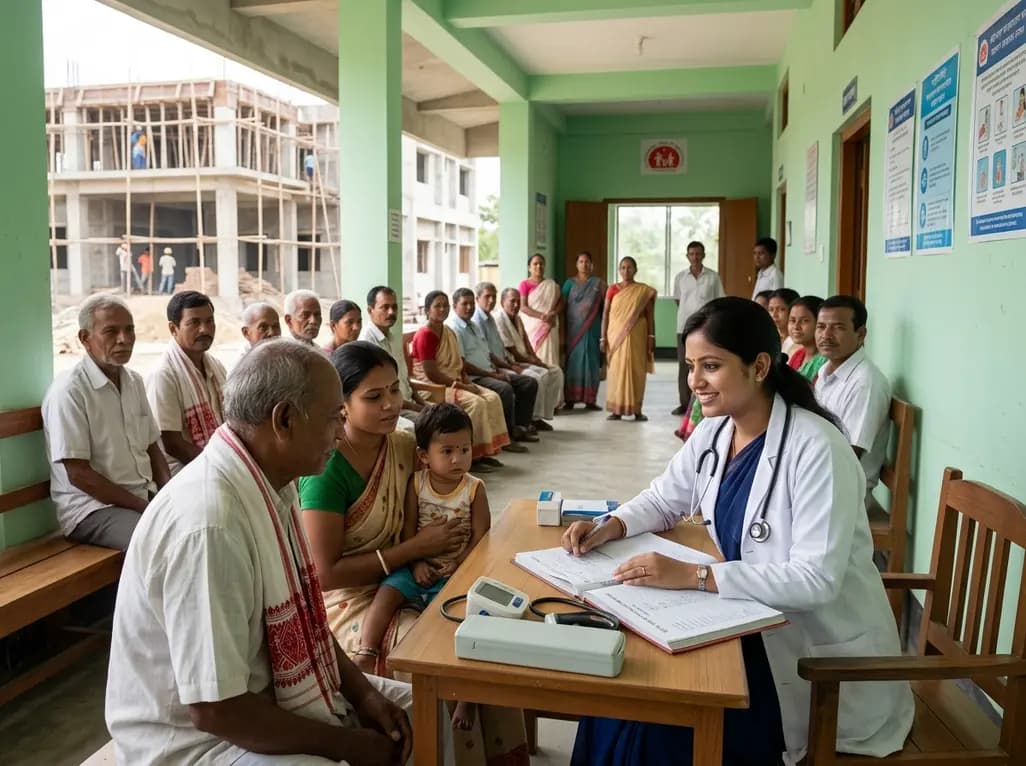
The government of Assam has announced a groundbreaking public health initiative that will significantly reshape medical care in the region. Specifically, the presentation of the Assam Budget 2026-27 on Friday by Finance Minister Jayanta Mallabaruah represents a monumental shift. The state has proposed the creation of over 33,000 new healthcare positions to strengthen the existing medical network. Therefore, this ambitious plan represents a major step forward for rural and primary medicine. Consequently, local physicians, nurses, and paramedical staff will experience dramatic increases in career opportunities. Furthermore, this policy directly aims to enhance access to clinical care in remote sectors. Historically, patients in distant districts faced severe difficulties in accessing immediate clinical interventions. Now, this newly tabled budget promises to bridge that historical gap, streamline referral pathways, and redefine the healthcare landscape of northeastern India.
To begin with, the government's massive recruitment strategy covers a diverse range of healthcare professions. Notably, the state aims to hire 6,814 MBBS doctors to address critical physician shortages in primary clinics. Additionally, the budget allocates 82 slots for AYUSH doctors and 22 vacancies for dental surgeons. Nurses also represent a central pillar of this staffing expansion, with 10,942 staff nurse positions. Furthermore, the authorities plan to recruit 1,283 Auxiliary Nurse Midwives to support rural maternity services.
To ensure proper operational support, the recruitment includes 4,669 pharmacists and 4,669 laboratory technicians. Consequently, these diagnostic professionals will significantly improve primary testing and medicine distribution speeds. Meanwhile, smaller but vital roles, such as 67 radiographers and 67 dressers, will ensure complete staffing coverage. Moreover, the administration is allocating 4,625 lower division assistants to manage clinical paperwork efficiently. Therefore, this comprehensive staffing model ensures that administrative burdens do not distract medical experts from active patient care. Overall, this massive workforce development strategy demonstrates a systematic approach to healthcare planning that could serve as a national model.
Most importantly, the most talked-about policy in this budget involves the deployment of medical professionals. The government proposes to station at least one MBBS doctor at every single health sub-centre. Currently, no other state in India has executed a rural clinical staffing model of this scale. Therefore, this pioneer initiative will alter the fundamental structure of primary healthcare across the entire country.
Typically, sub-centres rely entirely on nursing staff for basic medical triage and consultation. However, the presence of a resident physician will allow for immediate diagnosis and treatment. Consequently, rural residents will no longer have to travel long distances for simple consultations. Furthermore, these MBBS doctors will receive close assistance from local ANMs and General Nursing and Midwifery personnel. This collaborative approach ensures that patient management remains both efficient and culturally sensitive. Moreover, this reform targets the key causes of delayed clinical care in underserved agrarian zones. As a result, the state expects to see rapid improvements in overall public health indicators. Subsequently, this model might encourage other state governments to implement similar grassroots reforms.
Besides staffing, the local government is also investing heavily in medical education and hospital infrastructure. Specifically, the state announced plans to establish four new medical colleges in various districts. These brand-new campuses will rise in Goalpara, Hailakandi, Hojai, and Bajali. Currently, Assam operates 14 medical colleges, while another 10 are undergoing construction. Consequently, these four additions will bring the state's total count of medical colleges to 28.
Therefore, this expansion moves the state closer to its vision of establishing a medical college in every district. Naturally, this development will expand localized access to highly specialized tertiary care. Furthermore, a wider educational network will significantly increase the annual output of clinical graduates. According to chief minister Himanta Biswa Sarma, the state aims to produce 2,300 new doctors annually by 2030. Additionally, the budget outlines concrete plans to strengthen First Referral Units. Specifically, the government wants to ensure that every assembly constituency features at least one 50-bedded FRU. Ultimately, this structural expansion will ease the patient burden on overcrowded metropolitan hospitals.
Importantly, the budget addresses historical inequities by focusing on the marginalized tea garden communities. Historically, these areas have suffered from high rates of maternal mortality and limited medical access. Therefore, the budget proposes to strengthen primary and secondary healthcare specifically in tea estate regions. Consequently, the government will fund infrastructure upgradation, diagnostic facilities, and free medicines.
Furthermore, the state will deploy dedicated doctors and specialized nurses to work directly in these estate clinics. Meanwhile, the private tea garden managements will continue providing financial and logistic support to their local hospitals. This public-private collaboration ensures a robust safety net for vulnerable plantation workers. Additionally, better diagnostic tools will enable early detection of chronic diseases like hypertension and diabetes. Indeed, these targeted efforts align with Assam's recent successes in lowering maternal mortality rates. For example, the state's Maternal Mortality Ratio declined dramatically to 84 per lakh live births. Consequently, this remarkable progress places Assam well below the national average of 87. Overall, this targeted funding ensures that no community gets left behind during this massive health upgrade, fostering inclusive growth.
Finally, this budget carries major long-term implications for healthcare professionals across India. Because the government is creating over 33,000 positions, employment prospects for clinical graduates will soar. Notably, the massive demand for MBBS doctors and staff nurses will attract talent from neighboring states. Therefore, medical professionals must stay informed about upcoming state-level recruitment notifications and eligibility rules.
Moreover, this deployment of MBBS doctors to primary sub-centres will redefine the standard career path. Young doctors will gain invaluable clinical experience in rural settings, enhancing their diagnostic skills early. Furthermore, the expansion of 28 medical colleges will create numerous faculty positions for senior medical educators. Consequently, this initiative will elevate the quality of medical training and clinical research in Northeast India. Additionally, the focus on expanding auxiliary nursing staff highlights the rising importance of multidisciplinary care teams. Therefore, healthcare providers should view Assam's reforms as a blueprint for future public health strategies. Ultimately, these systemic changes will foster a more resilient, accessible, and highly skilled clinical workforce, creating a blueprint for other states.
Q1: What are the key recruitment targets announced under the Assam Budget 2026-27?
The newly presented state budget proposes creating exactly 33,240 healthcare roles across multiple institutions. Specifically, this massive hiring drive includes 6,814 MBBS doctors, 82 AYUSH doctors, and 22 dental surgeons to boost clinical services. Furthermore, the state will recruit 10,942 staff nurses and 1,283 ANMs to manage primary nursing. Additionally, the hiring covers 4,669 pharmacists and 4,669 lab technicians, alongside crucial administrative support staff.
Q2: How does the new doctor deployment model at the sub-centre level work?
Under this unprecedented model, the Assam government will deploy at least one MBBS doctor to every health sub-centre. Consequently, this strategy makes Assam the first state in India to implement such a grass-roots clinical framework. These resident physicians will receive clinical support from a dedicated team of ANMs and GNM nurses. Therefore, this integration will bring high-quality primary diagnosis and immediate treatment directly to rural citizens.
Q3: Which locations will host the four newly proposed medical colleges in Assam?
The budget outlines the establishment of four new medical colleges in Goalpara, Hailakandi, Hojai, and Bajali districts. Currently, the state has 14 operational colleges and 10 others under construction. Consequently, adding these four campuses will increase the state's total count to 28 medical colleges. Therefore, this expansion supports the government's long-term plan of having a medical college in every district to provide specialized tertiary care.
Disclaimer: This content is for informational and educational purposes only. It does not constitute medical advice or replace professional judgment. Refer to the latest local and national guidelines for clinical practice.
References

Read summarized clinical updates, watch expert medical content, and earn CME certifications right from your smartphone.
Open your smartphone camera to scan and install.





The newly proposed Assam Budget 2026-27 outlines a historic expansion of public health infrastructure. It seeks to create 33,240 new jobs, mandate an MBBS doctor at every sub-centre, and construct four new medical colleges, signaling a major paradigm shift in rural healthcare delivery.
3 months ago
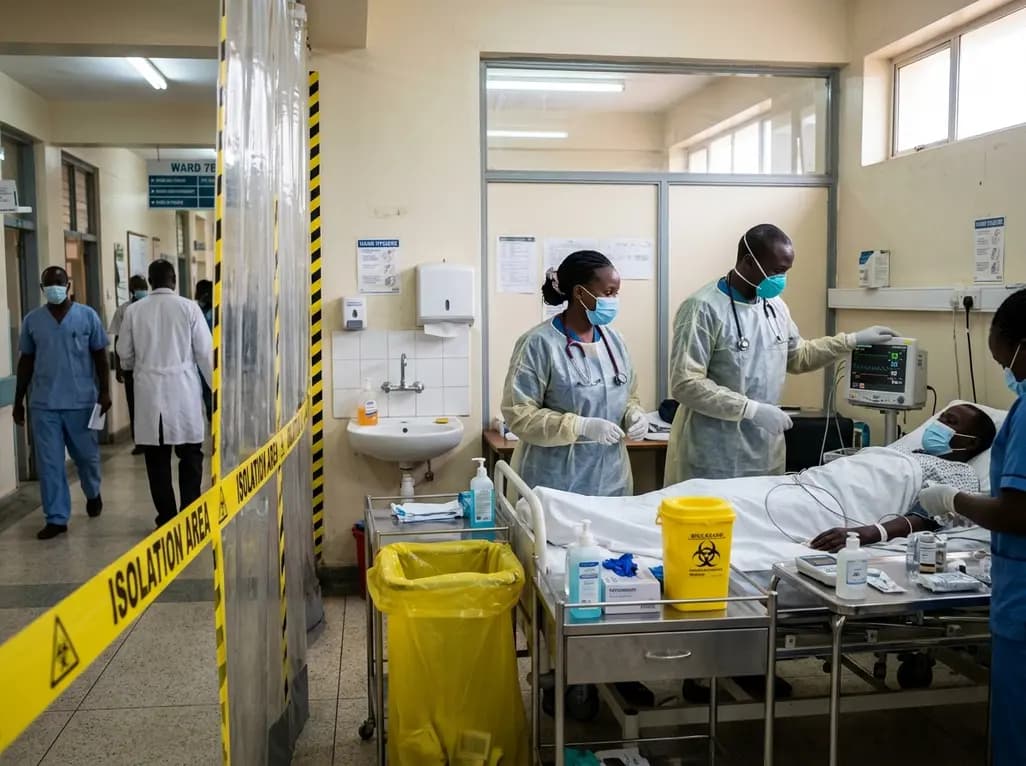
Kenya's confirmation of its eighth Ebola infection highlights the acute risk of secondary transmission in hospital environments. Clinicians must maintain high vigilance, enforce strict infection prevention protocols, and implement rapid triage mechanisms for viral hemorrhagic fevers across healthcare settings.
3 days back
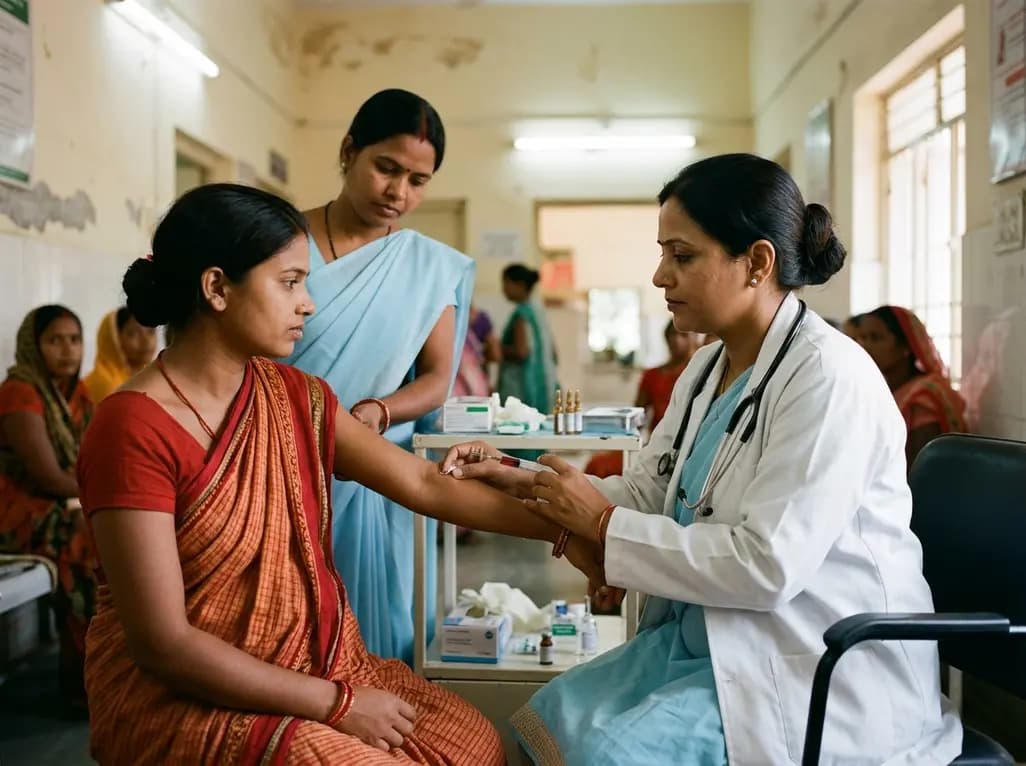
Maternal anaemia contributes to nearly half of pregnancy-related fatalities across India. To prevent complications, Uttar Pradesh has added single-dose parenteral iron to its essential medicines list. This clinical transition aims to restore haemoglobin rapidly and protect high-risk mothers across rural facilities.
Last week
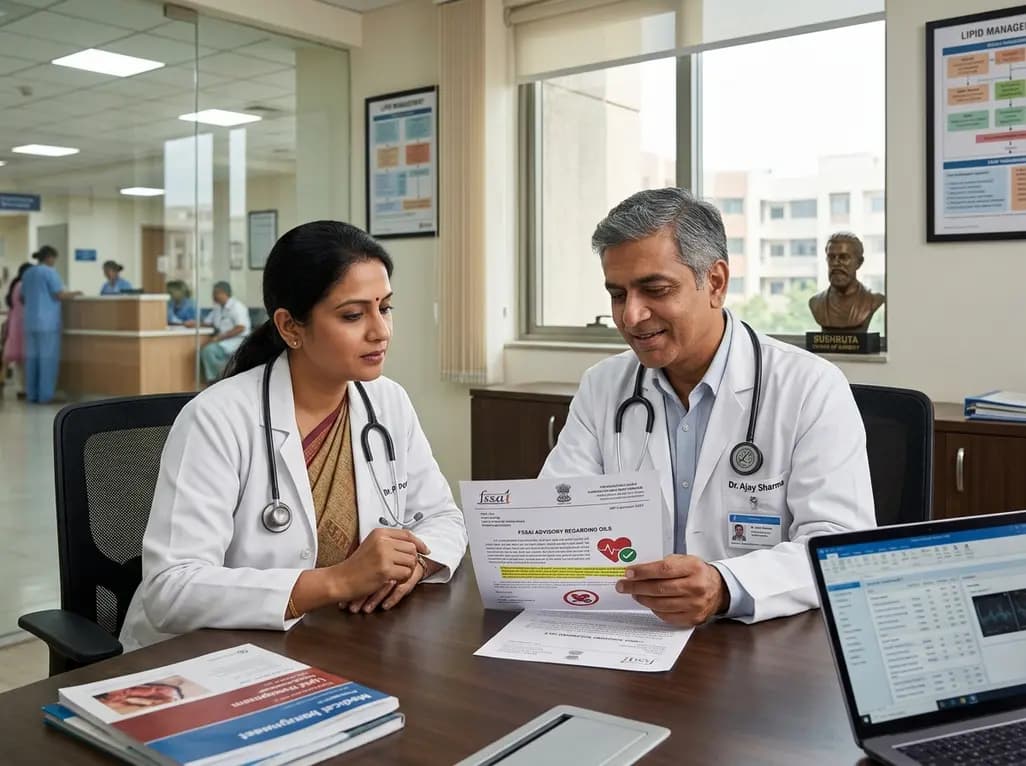
India's food safety authority FSSAI has issued show-cause notices to Gemini Edibles, BigBasket, and Flipkart for unpermitted cardiovascular claims regarding Freedom Rice Bran Oil. This regulatory move highlights the strict enforcement of advertising standards and the clinical necessity of evidence-based lipid care.
5 days back
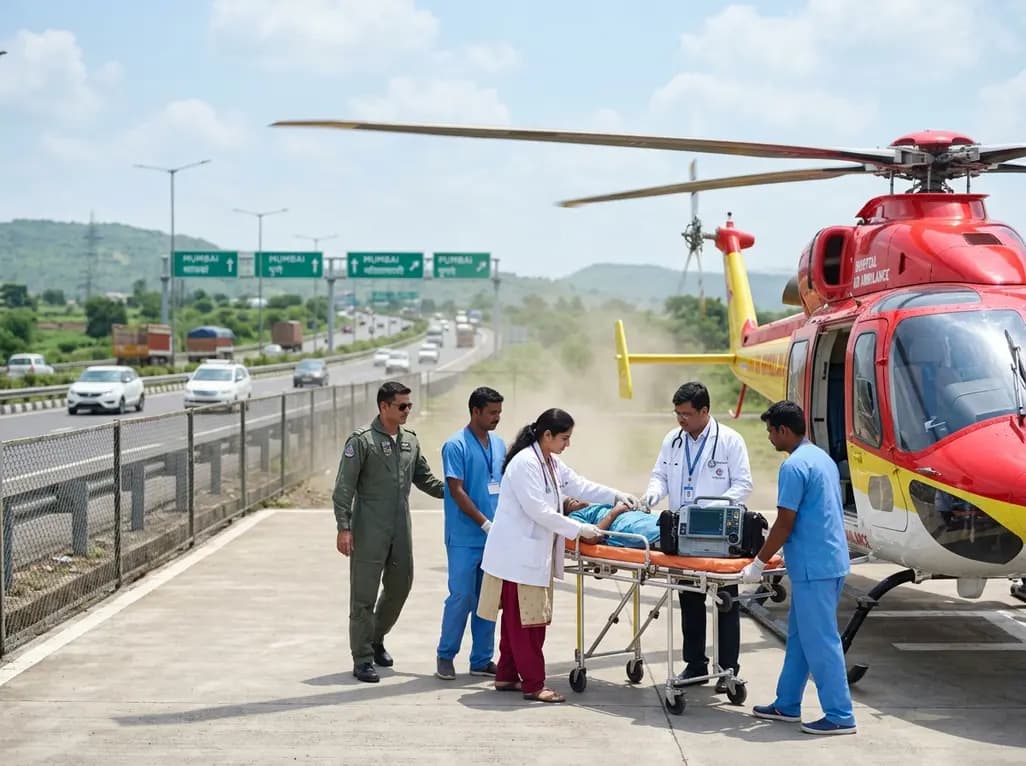
The state government is deploying helicopter emergency medical services across the Mumbai-Pune Expressway, Samruddhi Mahamarg, and Mumbai-Goa Highway. This initiative establishes unified standard operating procedures to enable rapid triage, advanced prehospital resuscitation, and seamless trauma care transfers.
Last week
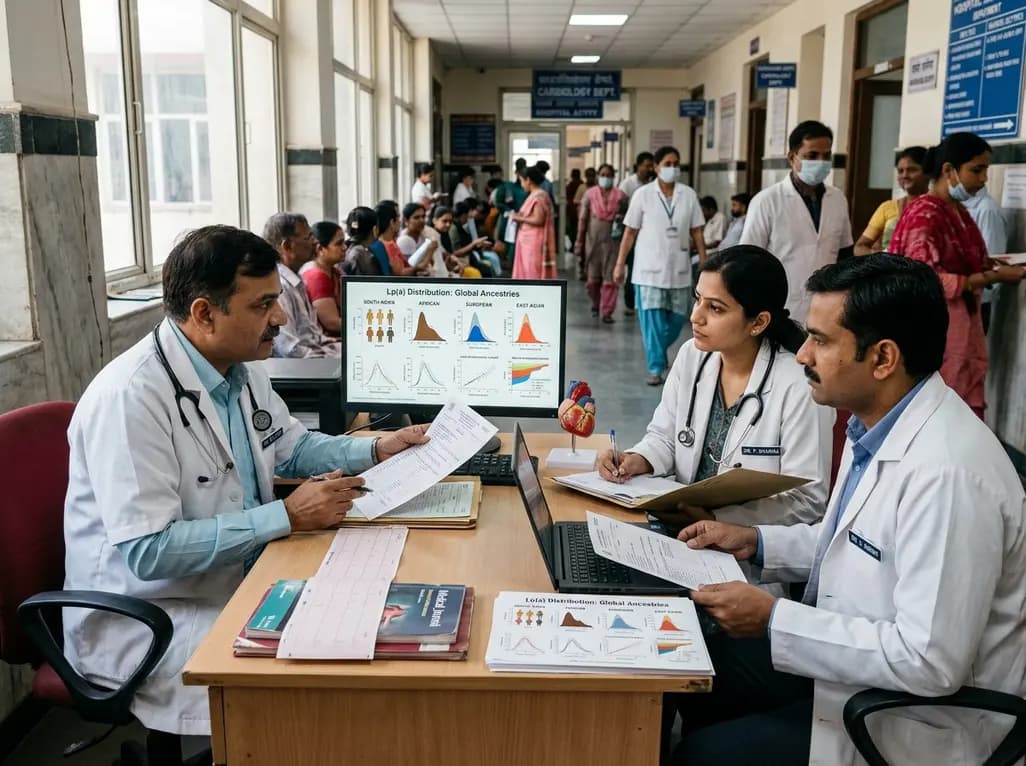
Atherosclerotic cardiovascular disease guidelines often rely on European-derived lipoprotein(a) cutoffs. However, baseline Lp(a) levels vary widely across ancestries, including South Asians and Africans. Clinicians must interpret Lp(a) values within overall absolute cardiovascular risk.
Last week
