.webp&w=384&q=75)

Loading, please wait...
Loading, please wait...
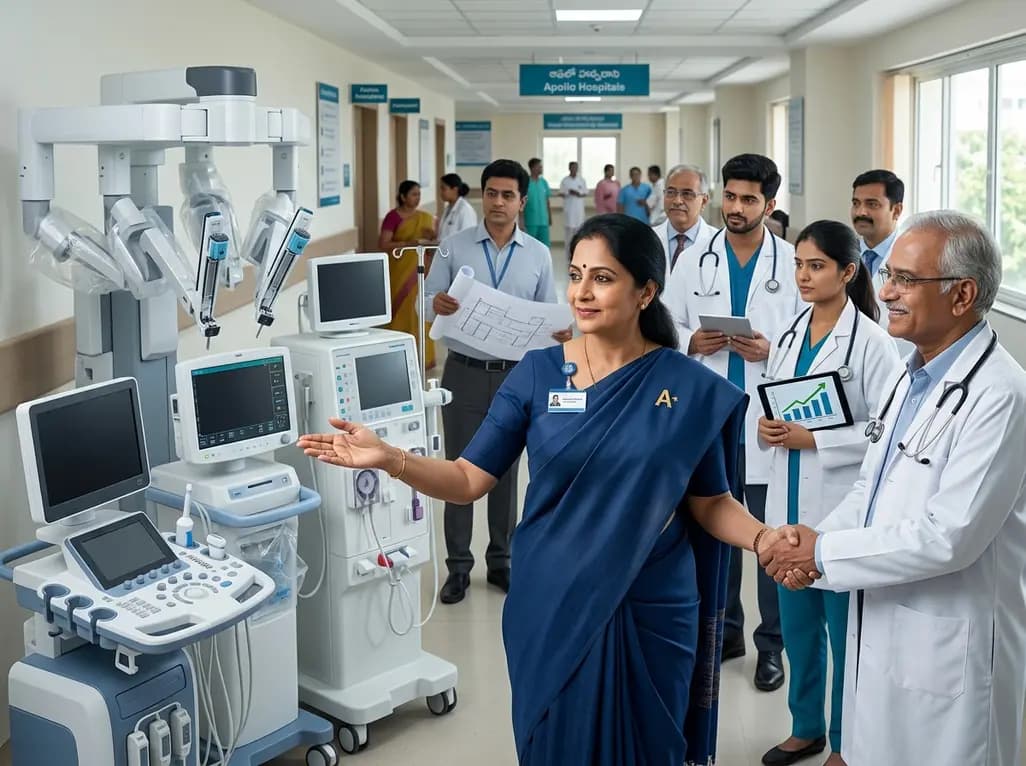
Apollo Hospitals Enterprise has announced a significant corporate restructure to streamline its medical equipment business. Specifically, the group will appoint Shobana Kamineni as the executive chairperson of its upcoming public arm, Apollo Healthtech. Consequently, this leadership move aims to drive the unit's growth and unlock deep business value.
This transition aligns with a broader plan to separate the digital health and pharmacy segments from core operations. Therefore, Apollo Hospitals hopes to establish clear, focused growth platforms that appeal directly to public market investors. In addition, the demerger process will likely reach completion by late FY27, subject to necessary approvals. Ultimately, the company targets an impressive annualized revenue of around Rs 25,000 crore at the time of its market debut.
Furthermore, Apollo Healthtech plans to implement robust governance standards to reassure prospective public investors. Specifically, independent directors will comprise at least half of the newly formed board. Meanwhile, promoter and investor nomination rights will remain linked to a proposed ten percent shareholding threshold. As a result, this strong governance framework will ensure high accountability and transparency as the business scales up.
The equipment arm specializes in key clinical supplies, including pressure-relief mattresses, specialized seating solutions, and care chairs. Currently, these products serve major institutional healthcare settings, including the National Health Service in the United Kingdom. Consequently, this established market presence positions the healthcare firm for rapid global expansion under its new leadership team.
Q1: Who will serve as the executive chairperson of Apollo Healthtech?
Specifically, Apollo proposed Shobana Kamineni to lead the newly restructured medical equipment arm as its executive chairperson.
Q2: When does the company expect to complete the listing of Apollo Healthtech?
Consequently, Apollo Hospitals expects to complete the listing of Apollo Healthtech by late FY27, subject to approvals.
Q3: What products does Apollo Healthtech supply?
In addition, the company supplies medical equipment like pressure-relief mattresses, care chairs, and specialized seating solutions.
Disclaimer: This content is for informational and educational purposes only. It does not constitute medical advice or replace professional judgment. Refer to the latest local and national guidelines for clinical practice.
References

Read summarized clinical updates, watch expert medical content, and earn CME certifications right from your smartphone.
Open your smartphone camera to scan and install.





Apollo Hospitals Enterprise plans to appoint promoter director Shobana Kamineni as the executive chairperson of its soon-to-be listed medical equipment arm, Apollo Healthtech. This key transition aligns with a major corporate restructuring aimed at enhancing governance standards and boosting market value.
4 months ago
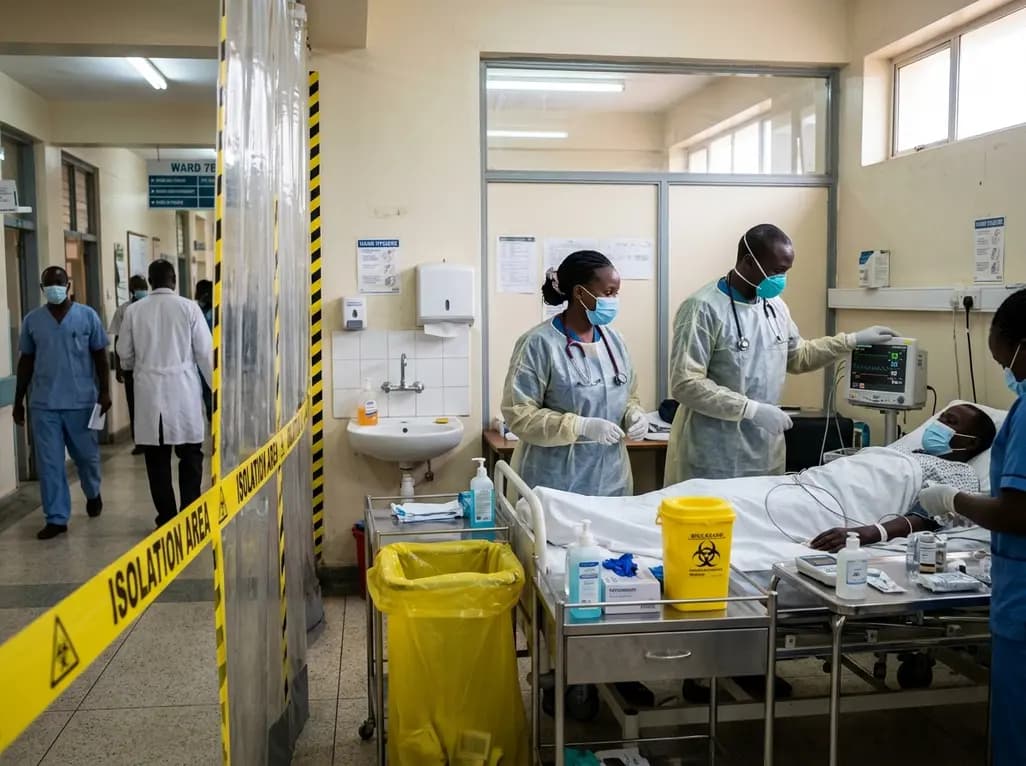
Kenya's confirmation of its eighth Ebola infection highlights the acute risk of secondary transmission in hospital environments. Clinicians must maintain high vigilance, enforce strict infection prevention protocols, and implement rapid triage mechanisms for viral hemorrhagic fevers across healthcare settings.
4 days back
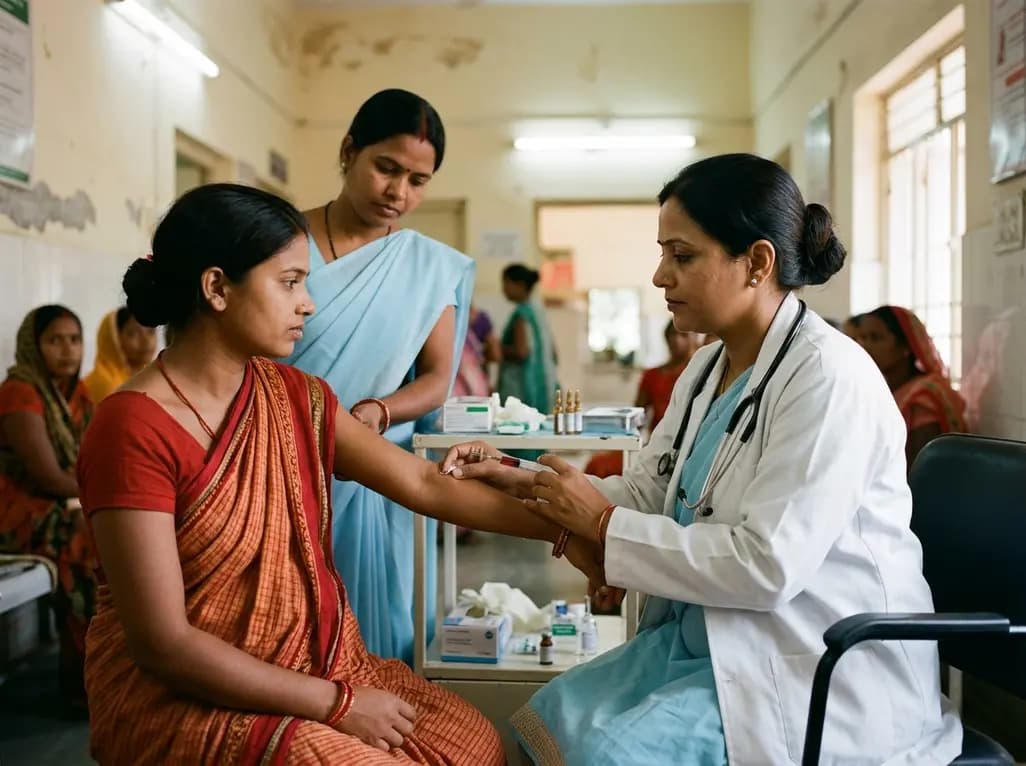
Maternal anaemia contributes to nearly half of pregnancy-related fatalities across India. To prevent complications, Uttar Pradesh has added single-dose parenteral iron to its essential medicines list. This clinical transition aims to restore haemoglobin rapidly and protect high-risk mothers across rural facilities.
Last week

India's food safety authority FSSAI has issued show-cause notices to Gemini Edibles, BigBasket, and Flipkart for unpermitted cardiovascular claims regarding Freedom Rice Bran Oil. This regulatory move highlights the strict enforcement of advertising standards and the clinical necessity of evidence-based lipid care.
6 days back

The state government is deploying helicopter emergency medical services across the Mumbai-Pune Expressway, Samruddhi Mahamarg, and Mumbai-Goa Highway. This initiative establishes unified standard operating procedures to enable rapid triage, advanced prehospital resuscitation, and seamless trauma care transfers.
Last week
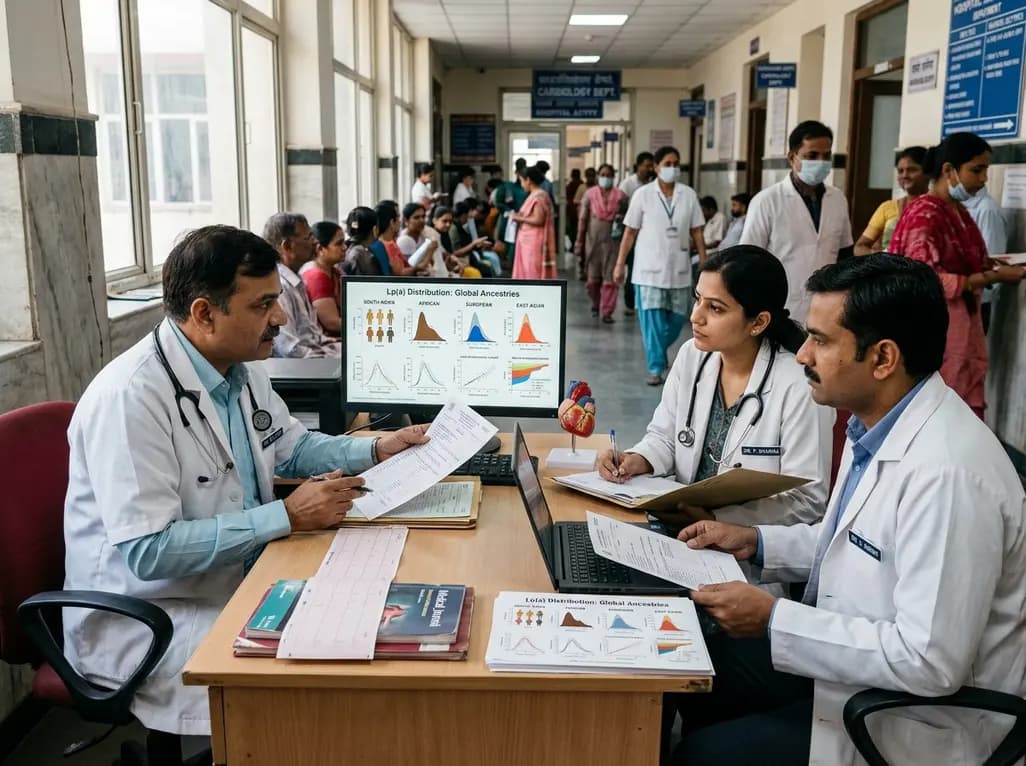
Atherosclerotic cardiovascular disease guidelines often rely on European-derived lipoprotein(a) cutoffs. However, baseline Lp(a) levels vary widely across ancestries, including South Asians and Africans. Clinicians must interpret Lp(a) values within overall absolute cardiovascular risk.
Last week
