.webp&w=384&q=75)

Loading, please wait...
Loading, please wait...
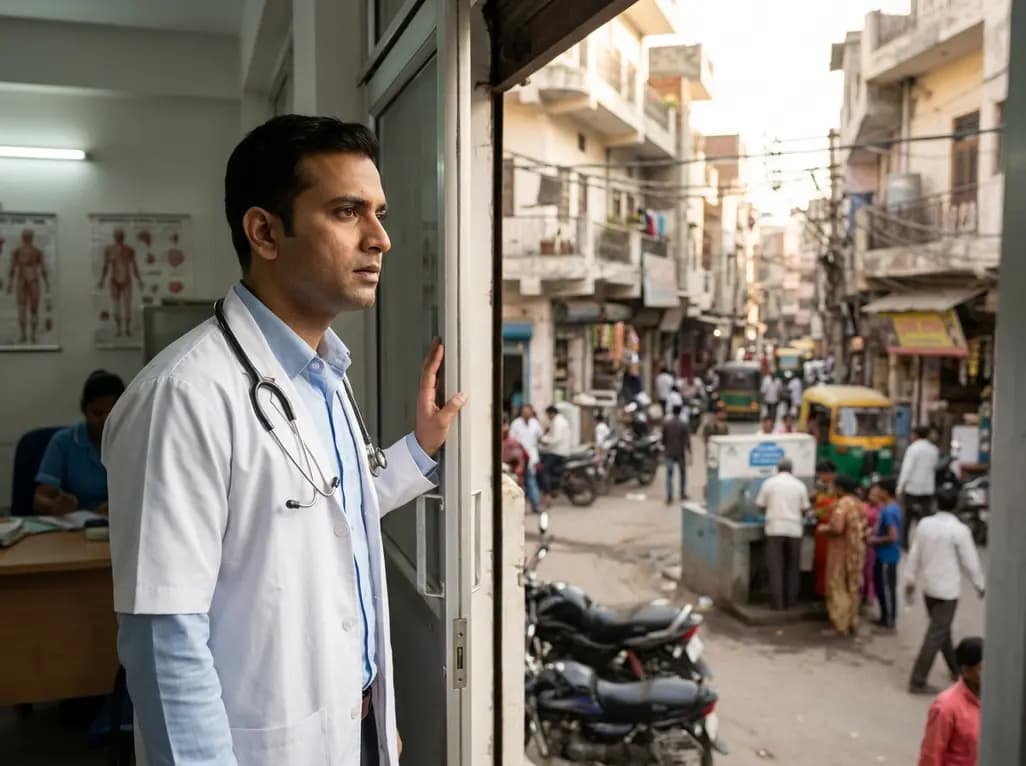
A groundbreaking study in Cell Genomics reveals that socioeconomic factors act as key antimicrobial resistance predictors.
Specifically, inequality, overcrowding, and lack of sanitation drive drug-resistant pathogens more than antibiotic overuse alone.
Consequently, simply reducing antibiotic use will not solve this global health crisis.
Therefore, governments must prioritize structural public health interventions to combat this threat.
Ultimately, we must address health equity to protect vulnerable communities.
To understand the rise of superbugs, researchers analysed over 45,000 bacterial genomes across 127 countries.
They focused on critical priority pathogens that the World Health Organization identifies, including Klebsiella and Escherichia coli.
Additionally, the team evaluated more than 1,000 environmental, health, and socioeconomic indicators.
Their machine learning models forecast resistance trends up to the year 2050.
Surprisingly, social determinants of health emerged as the primary drivers of the most critical resistance traits.
For instance, poor sanitation and crowded housing conditions foster the rapid spread of resistance genes.
Thus, the physical environment plays a much larger role in superbug transmission than previously assumed.
Curbing clinical antibiotic misuse remains important, but it represents only a partial solution.
However, tackling antimicrobial resistance requires a broader strategy that targets poverty and infrastructure.
Specifically, policymakers should invest in cleaner water systems, better waste management, and improved nutrition.
Furthermore, strengthening healthcare equity can reduce infection risks in high-risk zones.
Without these essential reforms, superbugs will continue to claim millions of lives globally.
In fact, estimates suggest that resistant microbes could cause over 39 million deaths by 2050.
Therefore, integrating social policies with medical stewardship is the only viable path forward.
Q1: What are the main socioeconomic drivers of antimicrobial resistance?
According to the study, key socioeconomic factors include poverty, overcrowding, poor sanitation, and inequality. Additionally, these conditions facilitate the rapid spread of drug-resistant pathogens. Consequently, they act as stronger predictors than antibiotic consumption alone.
Q2: Why is reducing antibiotic use alone insufficient to stop superbugs?
While limiting antibiotic misuse is helpful, it does not address the environmental pathways of transmission. However, poor living conditions and lack of clean water allow resistant bacteria to thrive and spread. Therefore, medical stewardship alone cannot solve the crisis.
Q3: How many deaths could antimicrobial resistance cause over the next 25 years?
Projections indicate that antimicrobial resistance could claim more than 39 million lives over the next 25 years. Specifically, this devastating toll will occur if global leaders fail to implement structural public health interventions.
Disclaimer: This content is for informational and educational purposes only. It does not constitute medical advice or replace professional judgment. Refer to the latest local and national guidelines for clinical practice.
References

Read summarized clinical updates, watch expert medical content, and earn CME certifications right from your smartphone.
Open your smartphone camera to scan and install.





A groundbreaking study in Cell Genomics reveals that socioeconomic disparities, such as overcrowding and poor sanitation, are primary predictors of antimicrobial resistance (AMR). Researchers urge governments to focus on structural public health interventions rather than just restricting antibiotic consumption.
4 months ago
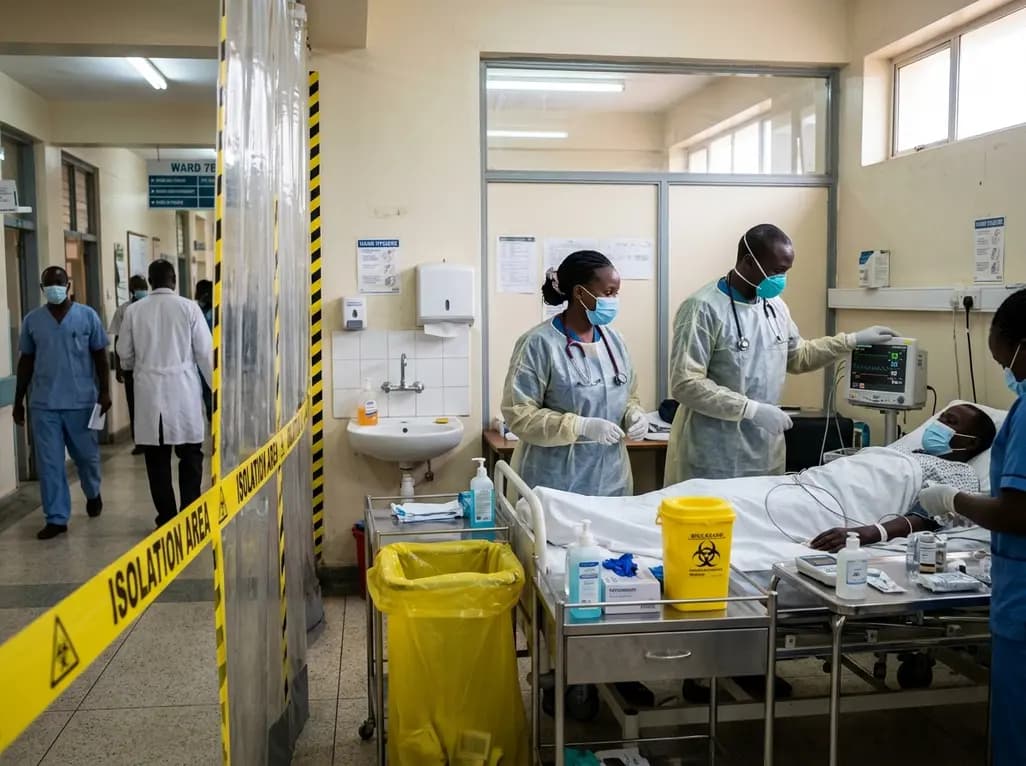
Kenya's confirmation of its eighth Ebola infection highlights the acute risk of secondary transmission in hospital environments. Clinicians must maintain high vigilance, enforce strict infection prevention protocols, and implement rapid triage mechanisms for viral hemorrhagic fevers across healthcare settings.
4 days back
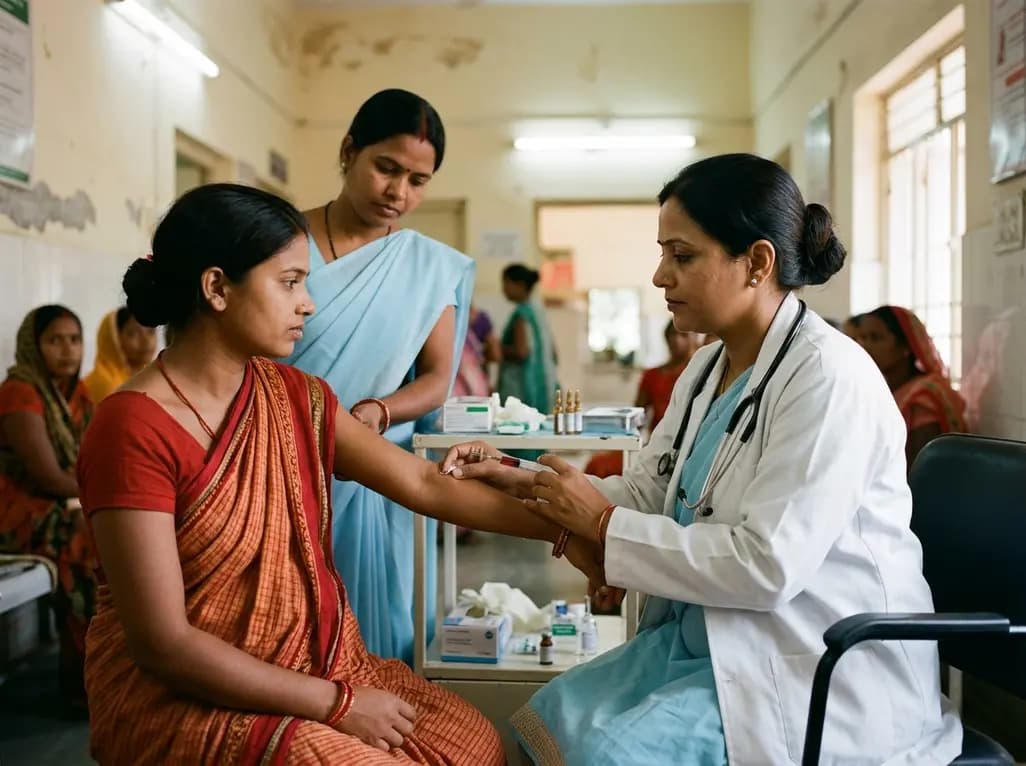
Maternal anaemia contributes to nearly half of pregnancy-related fatalities across India. To prevent complications, Uttar Pradesh has added single-dose parenteral iron to its essential medicines list. This clinical transition aims to restore haemoglobin rapidly and protect high-risk mothers across rural facilities.
Last week

India's food safety authority FSSAI has issued show-cause notices to Gemini Edibles, BigBasket, and Flipkart for unpermitted cardiovascular claims regarding Freedom Rice Bran Oil. This regulatory move highlights the strict enforcement of advertising standards and the clinical necessity of evidence-based lipid care.
6 days back

The state government is deploying helicopter emergency medical services across the Mumbai-Pune Expressway, Samruddhi Mahamarg, and Mumbai-Goa Highway. This initiative establishes unified standard operating procedures to enable rapid triage, advanced prehospital resuscitation, and seamless trauma care transfers.
Last week
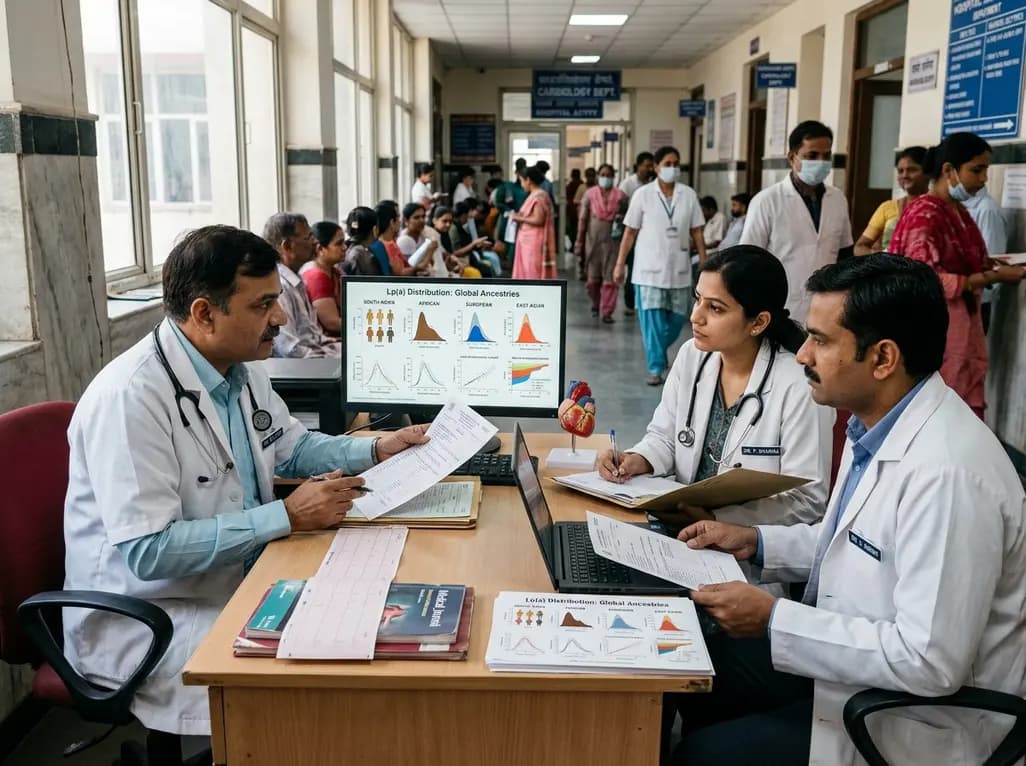
Atherosclerotic cardiovascular disease guidelines often rely on European-derived lipoprotein(a) cutoffs. However, baseline Lp(a) levels vary widely across ancestries, including South Asians and Africans. Clinicians must interpret Lp(a) values within overall absolute cardiovascular risk.
Last week
