.webp&w=384&q=75)

Loading, please wait...
Loading, please wait...

The European Union's upcoming enforcement of strict import regulations has forced Brazil's Agriculture Ministry to overhaul meat export controls to comply with a ban on antimicrobial growth promoters.
First, antimicrobial resistance is a major global public health threat. Consequently, the overuse of antibiotics in livestock has come under severe scrutiny worldwide. For decades, farmers globally used these medications to increase yield and speed up animal development. However, this practice accelerates the selection of drug-resistant pathogens. As a result, common bacterial infections in humans are becoming increasingly untreatable. Doctors now face clinical scenarios with limited therapeutic options. Therefore, restricting agricultural antibiotic use is crucial for preserving human drug efficacy. Specifically, the World Health Organization urges a complete ban on growth-promoting agents. In response, international bodies are implementing strict mirror measures for trade. This regulatory shift aims to curb the environmental spread of resistant bacterial strains. Indeed, animal farming remains a major driver of this global crisis. Consequently, healthcare professionals must support these veterinary regulations to protect patient outcomes. Furthermore, global collaboration is essential to monitor food supply chains effectively. Thus, clinical success in human medicine is deeply linked to agricultural practices. This interdisciplinary concept is commonly referred to as the One Health model. Additionally, physicians should educate patients on how agricultural antibiotics affect community health. By doing so, we foster a broader understanding of drug preservation. Ultimately, protecting our medicine cabinet starts with regulating the global food supply.
Indeed, the European Union has maintained a ban on internal antibiotic growth promoters since 2006. Furthermore, a new regulatory framework extends these strict requirements to all foreign meat exporters. Specifically, European Commission Implementing Regulation 2026/1189 will enforce this ban starting September 3, 2026. Under these rules, third-party countries must guarantee that imported meat is free from unauthorized substances. Additionally, the regulation restricts the use of critical antibiotics reserved solely for human medicine. For example, agents like virginiamycin, colistin, and bacitracin are heavily restricted. Consequently, exporters must supply verified certificates for every single batch of animal products. Thus, the European Union uses its purchasing power to drive global veterinary reform. However, achieving compliance requires massive structural changes in countries like Brazil. Moreover, foreign producers must track livestock health records for the animals' entire lives. This level of traceability remains a significant challenge for massive commercial operations. Therefore, the EU's One Health approach aims to force international compliance. Ultimately, this regulation protects European consumers from acquiring highly resistant foodborne pathogens. Because of these rules, several non-compliant nations face imminent trade suspensions. Therefore, global trade is adjusting rapidly to meet these new standards. Through these mechanisms, international policy acts as a powerful lever for global health safety.
To begin with, Brazil is the world's largest exporter of animal protein. Therefore, the upcoming European export ban represents a massive economic risk. Specifically, Brazil exported poultry worth eight hundred million dollars to the EU in 2025. Additionally, its beef exports to the European bloc exceeded one billion dollars. Consequently, losing this market would devastate Brazilian meat packing giants and local livestock farmers. In response, Brazil's Agriculture Ministry recently issued updated export controls on July 1. These new directives require facilities to implement auditable traceability systems immediately. Furthermore, exporters must keep comprehensive records of EU-bound batches. However, the European Commission excluded Brazil from its approved list in May. This unexpected exclusion sent shockwaves through the Latin American agricultural sector. Meanwhile, local trade bodies like Abiec and ABPA are working with authorities to resolve issues. Nevertheless, time is running out before the September 3 deadline. Thus, Brazil is desperate to prove its veterinary inspection systems are equivalent to Europe's. Under these circumstances, the country has tightened farm inspections nationwide. Hopefully, these adjustments will satisfy European safety inspectors in time. Consequently, the government remains optimistic about avoiding a full export ban.
From a clinical perspective, veterinary antibiotic abuse directly compromises human healthcare. Indeed, sub-therapeutic doses of antimicrobials in livestock select for multidrug-resistant bacteria. These resistant organisms can easily contaminate meat during processing. Subsequently, consumers ingest these pathogens, leading to severe foodborne illnesses. For instance, resistant strains of Salmonella and Campylobacter cause prolonged, hard-to-treat diarrheal infections. Furthermore, plasmid-mediated colistin resistance genes can easily jump from animal pathogens to human pathogens. Consequently, clinicians are left with very few therapeutic options to treat critical systemic infections. Therefore, restricting these practices in agriculture is a vital defensive measure. In addition, animal waste can contaminate local agricultural soil and groundwater. This environmental contamination spreads resistance genes to various non-pathogenic soil bacteria. Eventually, these genes find their way into human pathogens via horizontal gene transfer. Because of these interconnected pathways, physicians must advocate for strict food safety laws globally. Ultimately, the fight against antimicrobial resistance requires a united front across sectors. Thus, reducing livestock antibiotic use directly safeguards our essential human antibiotic pipeline. For this reason, medical organizations actively support global restrictions on agricultural medicines. In conclusion, clinical outcomes in our clinics depend heavily on global farming reform.
Similarly, India faces severe challenges regarding antimicrobial resistance in livestock production. Historically, poultry and dairy farms in India have utilized colistin as an active growth promoter. However, the Indian government banned colistin use in animal farming in 2019 to preserve its human therapeutic efficacy. Despite this ban, enforcement across various small-scale farms remains highly inconsistent. Consequently, residues of critical antibiotics are still regularly detected in local food samples. Therefore, India must learn from Brazil's current trade crisis. Specifically, Indian exporters could face similar bans from strict international buyers in the future. To prevent this, the country needs to implement robust, digital livestock traceability networks. Moreover, local veterinary departments must conduct regular, unannounced farm audits. Additionally, veterinarians should emphasize alternative strategies like probiotics and improved farm biosecurity. Thus, reducing our agricultural antibiotic footprint will protect both public health and export revenues. Ultimately, a proactive stance will secure India's position in the global food market. In doing so, we also protect our local population from highly resistant bacterial infections. As a result, healthcare costs and treatment failures will drop significantly over time. Therefore, implementing these standards represents a clear win-win scenario for the entire nation.
Q1: Why is the European Union banning meat imports from countries that use antimicrobial growth promoters?
The European Union is enforcing this ban to combat the escalating global threat of antimicrobial resistance. Sub-therapeutic use of antibiotics in animals to promote growth accelerates the emergence of highly resistant bacterial strains. Because these drug-resistant pathogens can infect humans through food consumption or environmental contamination, restricting livestock antibiotics is crucial. Therefore, the EU is establishing strict mirror measures for imports to protect public health and prevent the spread of untreatable bacterial infections.
Q2: What steps must exporting nations like Brazil take to comply with these new EU regulations?
To comply, exporting countries must provide official guarantees that livestock have never been treated with antimicrobial growth promoters during their entire lifespan. Consequently, exporters must implement highly detailed, auditable traceability systems and veterinary medicine records. Additionally, they must restrict the use of critical antibiotics reserved strictly for human infections. Thus, compliance requires independent laboratory certifications, enhanced farm inspections, and robust government oversight across the entire animal production chain.
Q3: How does the veterinary use of colistin affect clinical practice and patient treatment in India?
Colistin is considered a last-resort antibiotic for treating multi-drug resistant Gram-negative infections in hospitalized patients. Historically, widespread use of colistin as a growth promoter in Indian poultry farming led to increased colistin resistance among common pathogens. Although the Indian government officially banned colistin's agricultural use in 2019, ongoing environmental contamination continues to threaten clinical efficacy. Therefore, reducing livestock antibiotic exposure is vital to preserving colistin's life-saving utility in human critical care.
Disclaimer: This content is for informational and educational purposes only. It does not constitute medical advice or replace professional judgment. Refer to the latest local and national guidelines for clinical practice.
References

Read summarized clinical updates, watch expert medical content, and earn CME certifications right from your smartphone.
Open your smartphone camera to scan and install.





As the EU's ban on meat from animals treated with antimicrobial growth promoters approaches, Brazil is overhauling its export systems to avoid a suspension. This regulatory shift highlights the global campaign against antimicrobial resistance, presenting vital lessons for India's livestock and healthcare sectors.
3 months ago
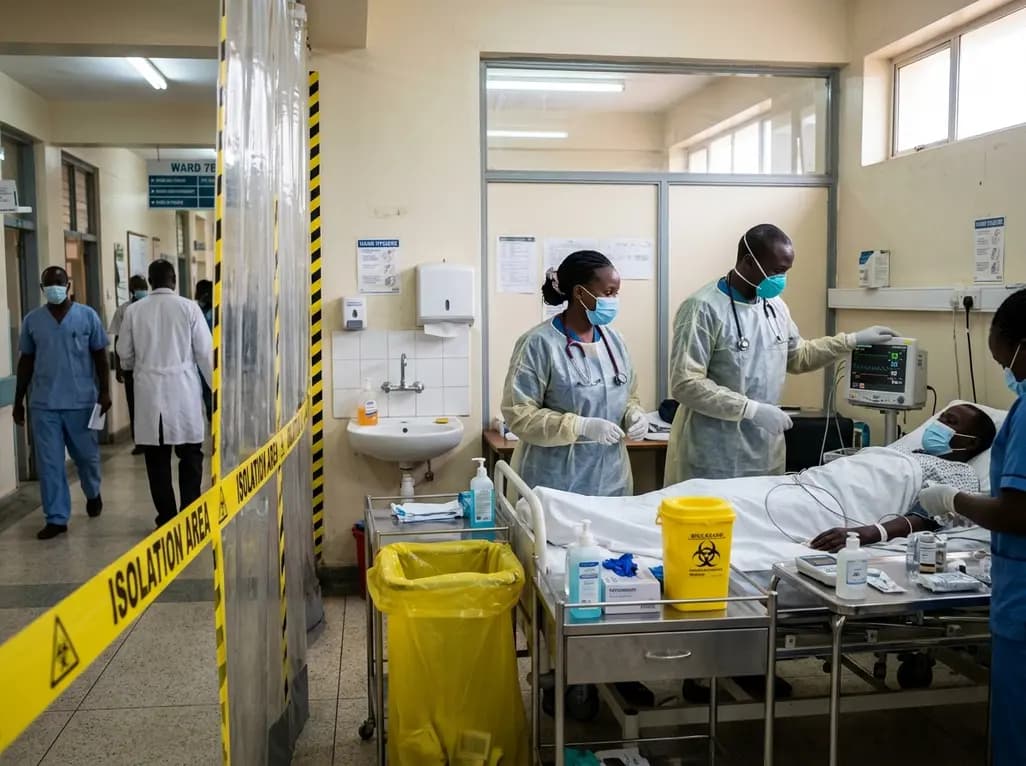
Kenya's confirmation of its eighth Ebola infection highlights the acute risk of secondary transmission in hospital environments. Clinicians must maintain high vigilance, enforce strict infection prevention protocols, and implement rapid triage mechanisms for viral hemorrhagic fevers across healthcare settings.
3 days back
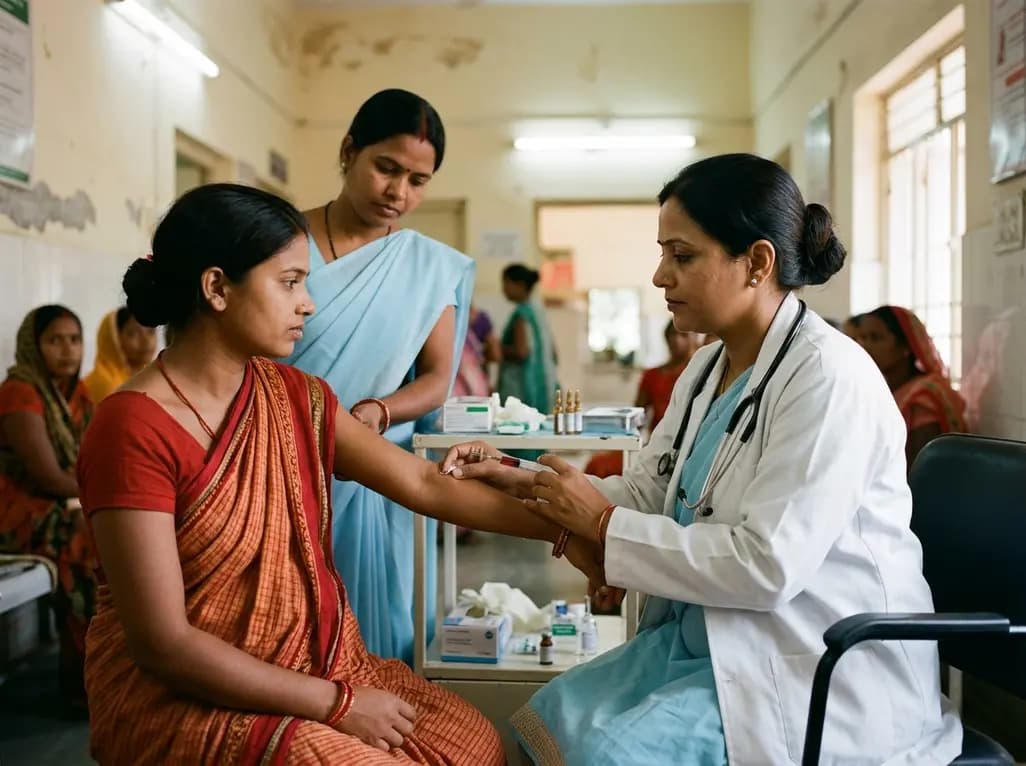
Maternal anaemia contributes to nearly half of pregnancy-related fatalities across India. To prevent complications, Uttar Pradesh has added single-dose parenteral iron to its essential medicines list. This clinical transition aims to restore haemoglobin rapidly and protect high-risk mothers across rural facilities.
Last week

India's food safety authority FSSAI has issued show-cause notices to Gemini Edibles, BigBasket, and Flipkart for unpermitted cardiovascular claims regarding Freedom Rice Bran Oil. This regulatory move highlights the strict enforcement of advertising standards and the clinical necessity of evidence-based lipid care.
5 days back
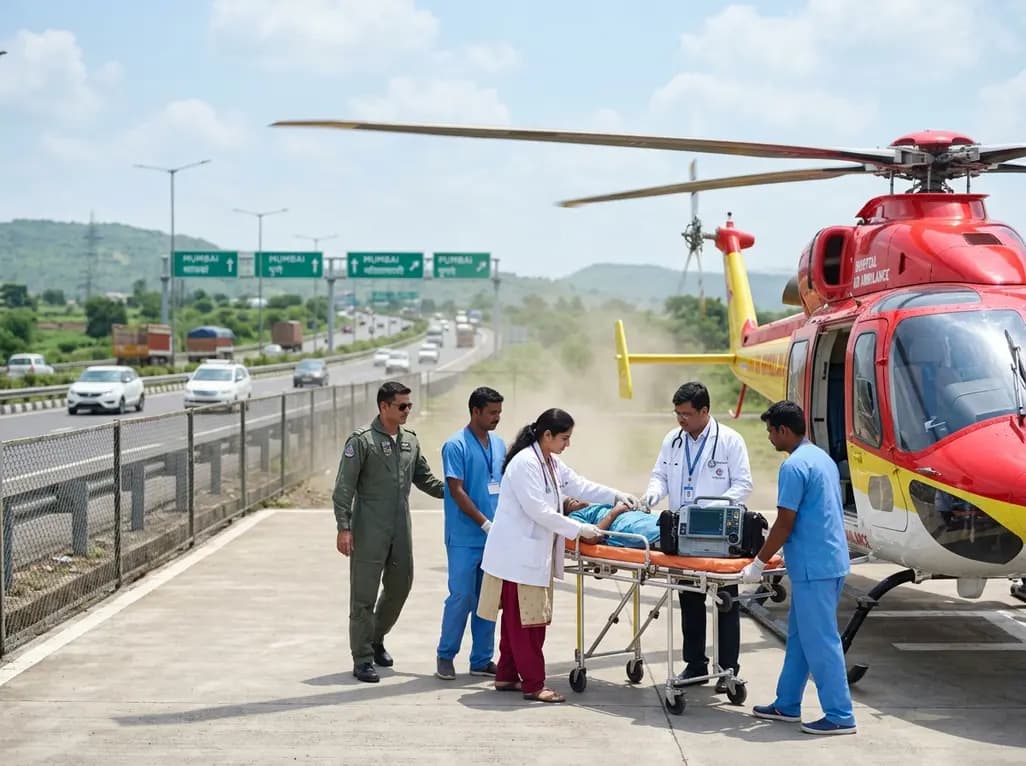
The state government is deploying helicopter emergency medical services across the Mumbai-Pune Expressway, Samruddhi Mahamarg, and Mumbai-Goa Highway. This initiative establishes unified standard operating procedures to enable rapid triage, advanced prehospital resuscitation, and seamless trauma care transfers.
Last week
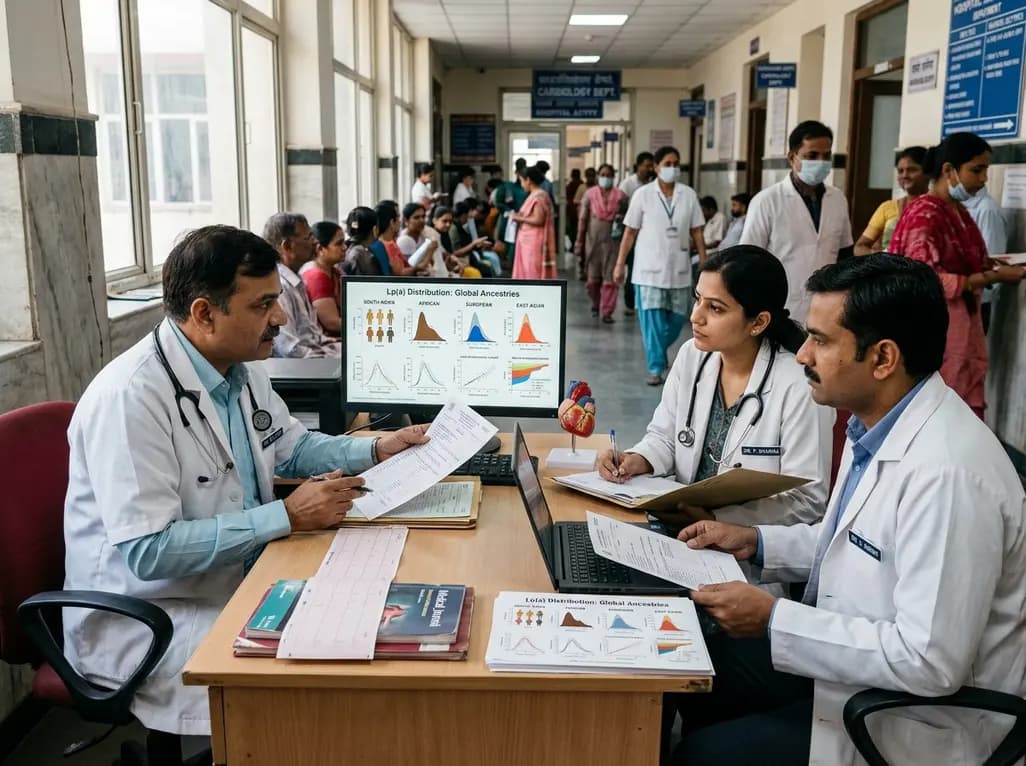
Atherosclerotic cardiovascular disease guidelines often rely on European-derived lipoprotein(a) cutoffs. However, baseline Lp(a) levels vary widely across ancestries, including South Asians and Africans. Clinicians must interpret Lp(a) values within overall absolute cardiovascular risk.
Last week
