.webp&w=384&q=75)

Loading, please wait...
Loading, please wait...
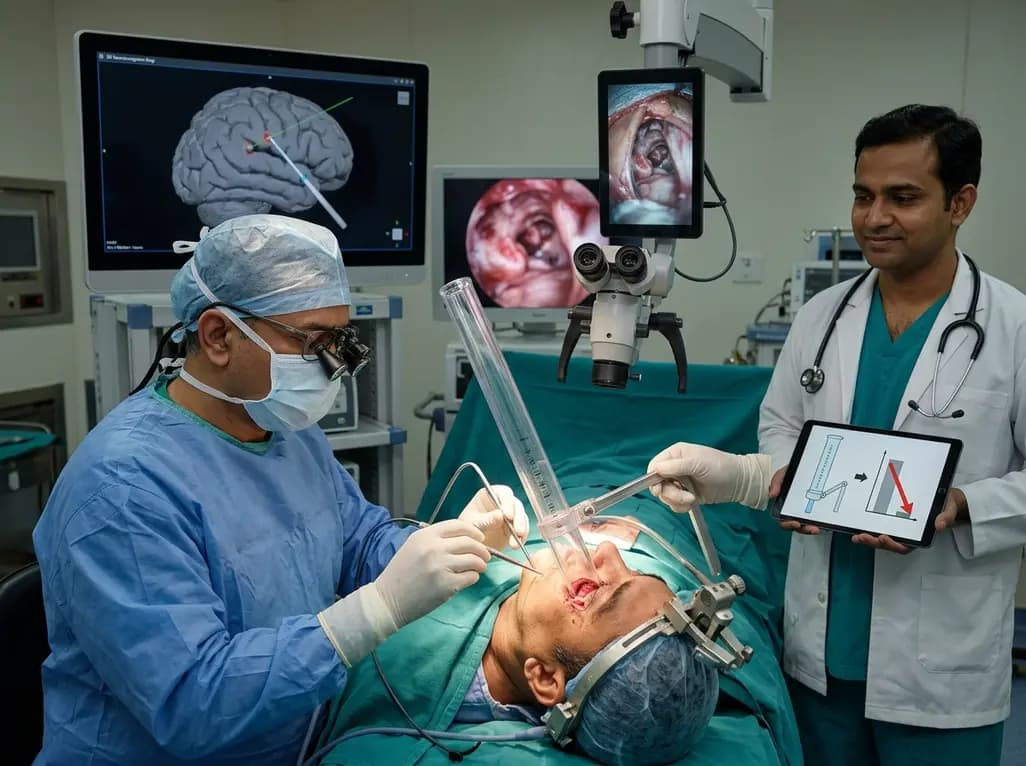
The Department of Neurosurgery at AIIMS-Patna recently achieved a major milestone in indigenous medical technology. Specifically, the team developed and patented an advanced tubular brain retractor to improve deep-seated brain surgeries. Dr. Vikas Chandra Jha, Professor and Head of Department, successfully spearheaded this multidisciplinary project. Consequently, the Government of India granted a patent for this remarkable innovation. Historically, deep-seated brain lesions presented immense challenges for neurosurgeons due to the high risk of tissue damage. However, this new device offers a safer, minimally invasive, and highly affordable alternative to conventional retractors. In addition, it integrates smoothly with modern surgical setups. Ultimately, this development represents a significant step forward for the Indian healthcare sector. By creating local solutions, the institute reduces dependency on costly imported equipment. Furthermore, this tool addresses the specific needs of patients requiring delicate cranial interventions. Surgeons across India can now perform these complex operations with enhanced confidence and safety. Indeed, this breakthrough showcases the potential of domestic research in solving real-world medical challenges. The department's achievement reflects its ongoing commitment to clinical excellence and affordable care.
The patented device boasts unique dual-function capabilities. Specifically, the retractor can function as both a floating and a fixed system depending on the clinical complexity. This adaptability allows neurosurgeons to customize their approach for every unique patient. Furthermore, specialists can integrate the device with advanced neuronavigation and robotic platforms. This integration enables surgeons to achieve an extraordinary precision level of one to two millimeters. Such accuracy is critical when navigating delicate and complex brain structures. Consequently, the risk of accidental tissue damage decreases substantially. The technical design has already garnered significant global attention. Specifically, the internationally reputed journal Neurosurgical Review published the clinical performance and technical design of the device. This publication confirms the global scientific credibility of the team's research. Moreover, the design provides an optimal surgical corridor for deep-seated lesions. Neurosurgeons can maintain stable visualization throughout the entire procedure. Therefore, the device acts as a reliable assistant in the operating theater. This domestic technology demonstrates how simple modifications can yield sophisticated clinical tools. Ultimately, the integration of robotics and advanced mechanics ensures safer surgical outcomes for all patients.
Conventional open brain surgery typically demands large cranial openings. Additionally, surgeons must extensively manipulate normal brain matter to reach deep lesions. In contrast, this newly developed retractor allows specialists to navigate through an exceptionally narrow corridor. Consequently, this minimal-contact approach directly translates into much smaller surgical wounds. Patients experience significantly reduced blood loss during these delicate procedures. Furthermore, the precise design diminishes the risk of postoperative neurological deficits. Therefore, patients benefit from faster recovery times and shorter hospital stays. They can return to their daily routines much quicker than before. This method actively protects healthy brain tissues from unnecessary pressure. Moreover, the tubular shape distributes retraction pressure evenly. This even distribution prevents local ischemia in the surrounding brain parenchyma. Minimizing tissue trauma is always the primary goal in modern neurosurgery. Fortunately, this innovative tool makes that goal far more achievable. Medical teams can now operate on deep tumors with much greater peace of mind. Ultimately, the device elevates the standard of patient care while reducing procedural complications.
High treatment expenses often prevent patients from accessing advanced healthcare. Specifically, heavily imported surgical instruments drive up the costs of minimally invasive neurosurgery. This new indigenous retractor addresses this critical economic barrier directly. The manufacturing cost of this device is eighty to ninety percent lower than imported alternatives. Consequently, this drastic reduction cuts the overall expenditure of brain surgeries by thirty to forty percent. This cost-efficiency makes advanced treatments accessible to economically weaker sections of society. Therefore, modern healthcare becomes more inclusive and equitable across the country. The director of AIIMS-Patna praised the team for this patient-centric development. Additionally, the institute reiterated its commitment to pioneering affordable medical technologies. Reducing the overall healthcare burden is a major priority for national health systems. This device provides a perfect example of how local innovation can solve widespread financial challenges. Furthermore, it sets a precedent for other medical institutions in India. By manufacturing high-quality tools locally, India can achieve greater self-reliance in medical technology. Ultimately, patients receive world-class treatment without facing devastating financial distress.
The success of this project highlights the power of multidisciplinary collaboration. Specifically, a dedicated team of neurosurgeons spearheaded the development phase. Key contributions came from Dr. Nitish, Dr. Vivek Saran Sinha, Dr. Gaurav, Dr. Rahul, and Dr. Sangam. Additionally, the department of anaesthesiology provided invaluable support throughout the clinical testing. This collective effort ensured that the device meets the highest safety standards. The academic community has also recognized this groundbreaking work. Consequently, the prestigious journal Neurosurgical Review published their research. This publication validates the clinical efficacy and technical robustness of the retractor. Furthermore, peer-reviewed recognition encourages further research and development within the institute. The team continues to explore new avenues for improving surgical tools. Moreover, their achievement inspires young medical professionals to pursue clinical research. Creating patented technology in an academic setup is highly commendable. Therefore, this project serves as a model for future medical innovations in India. Ultimately, the combination of clinical expertise, academic rigor, and engineering has produced a lifesaving tool.
Q1: How does the new tubular brain retractor improve surgical precision during deep-seated brain procedures?
The innovative device integrates seamlessly with state-of-the-art neuronavigation and robotic platforms. Consequently, this integration allows neurosurgeons to achieve an exceptional surgical precision of one to two millimeters. This high level of accuracy is absolutely vital when navigating delicate, deep-seated brain structures. By ensuring steady and exact placement, the retractor minimizes accidental contact with surrounding healthy tissues and significantly reduces procedural risks.
Q2: What are the primary patient safety benefits of using this indigenous device over conventional open surgeries?
Unlike conventional open surgeries that require large cranial openings and extensive tissue manipulation, this retractor utilizes an exceptionally narrow corridor. Therefore, this minimal-contact method results in much smaller surgical wounds and significantly less blood loss during the procedure. Additionally, patients experience a diminished risk of postoperative neurological deficits. This leads to faster overall recovery times and much shorter hospital stays.
Q3: How does this new medical technology affect the overall cost of brain surgery for patients in India?
This indigenous device is highly cost-effective because its manufacturing cost is eighty to ninety percent lower than imported alternatives. Consequently, it is expected to slash the overall expenses of minimally invasive brain surgeries by thirty to forty percent. This dramatic price reduction makes advanced, life-saving neurosurgical treatments much more accessible, especially for economically weaker sections of society who otherwise could not afford such procedures.
Disclaimer: This content is for informational and educational purposes only. It does not constitute medical advice or replace professional judgment. Refer to the latest local and national guidelines for clinical practice.
References

Read summarized clinical updates, watch expert medical content, and earn CME certifications right from your smartphone.
Open your smartphone camera to scan and install.





AIIMS-Patna has patented an indigenous, low-cost tubular brain retractor designed to make deep-seated neurosurgeries safer, minimally invasive, and highly affordable. Compatible with robotics and neuronavigation systems, this innovation reduces overall surgical costs by up to 40% for patients across India.
3 months ago
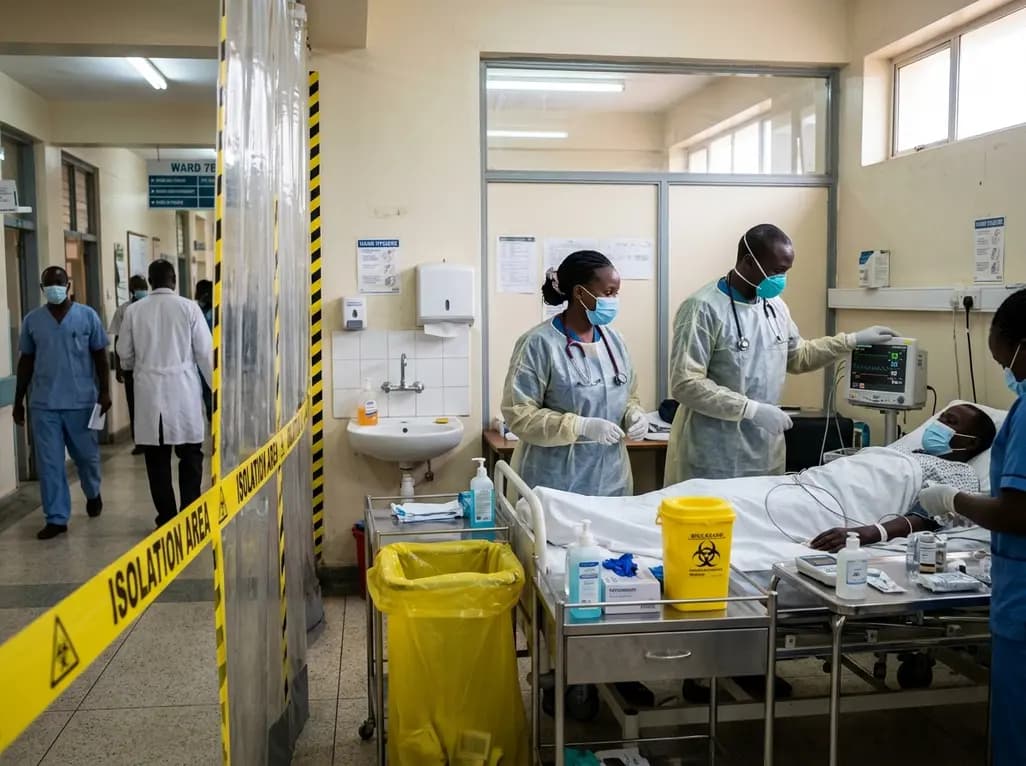
Kenya's confirmation of its eighth Ebola infection highlights the acute risk of secondary transmission in hospital environments. Clinicians must maintain high vigilance, enforce strict infection prevention protocols, and implement rapid triage mechanisms for viral hemorrhagic fevers across healthcare settings.
4 days back

Maternal anaemia contributes to nearly half of pregnancy-related fatalities across India. To prevent complications, Uttar Pradesh has added single-dose parenteral iron to its essential medicines list. This clinical transition aims to restore haemoglobin rapidly and protect high-risk mothers across rural facilities.
Last week
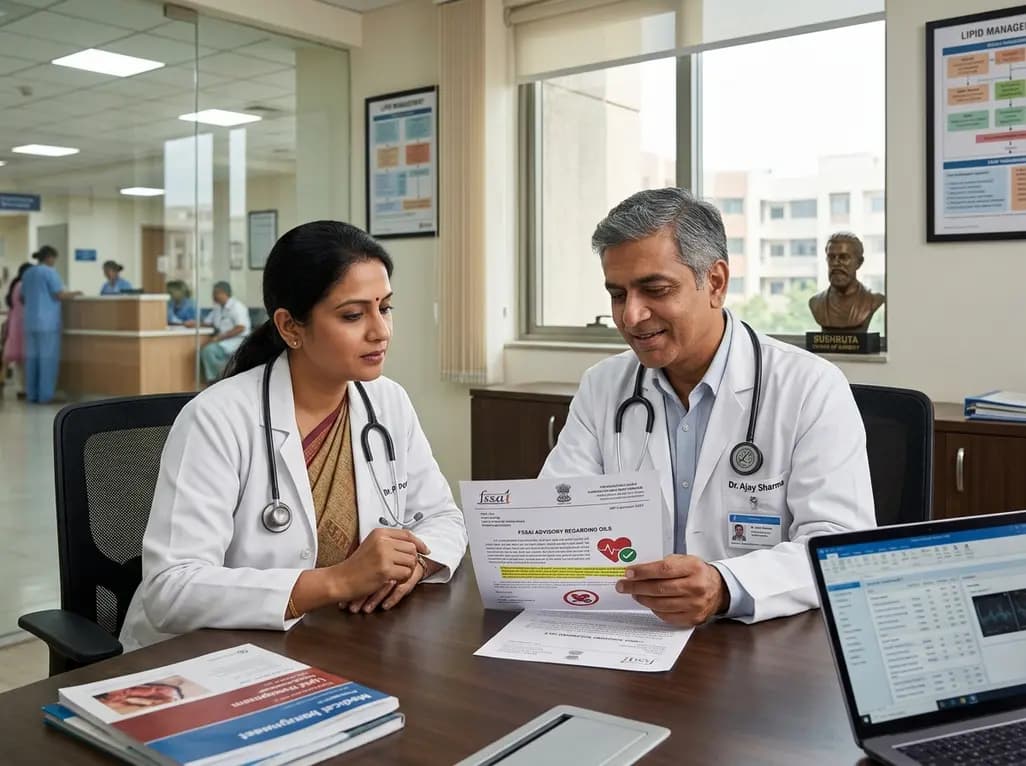
India's food safety authority FSSAI has issued show-cause notices to Gemini Edibles, BigBasket, and Flipkart for unpermitted cardiovascular claims regarding Freedom Rice Bran Oil. This regulatory move highlights the strict enforcement of advertising standards and the clinical necessity of evidence-based lipid care.
6 days back
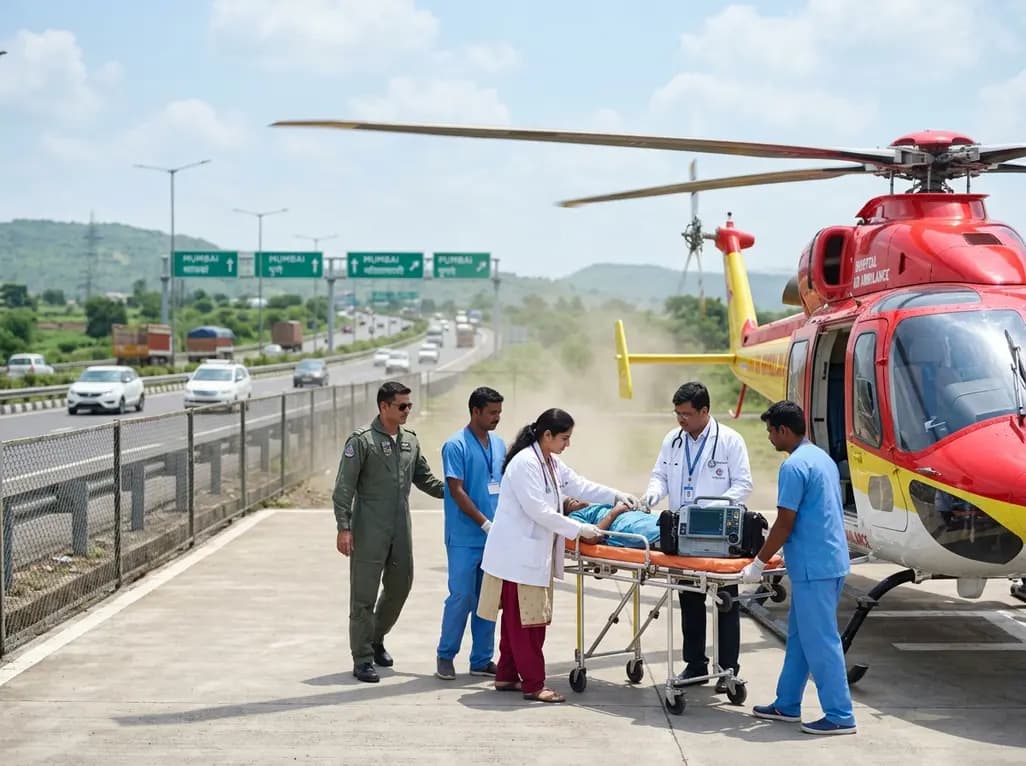
The state government is deploying helicopter emergency medical services across the Mumbai-Pune Expressway, Samruddhi Mahamarg, and Mumbai-Goa Highway. This initiative establishes unified standard operating procedures to enable rapid triage, advanced prehospital resuscitation, and seamless trauma care transfers.
Last week
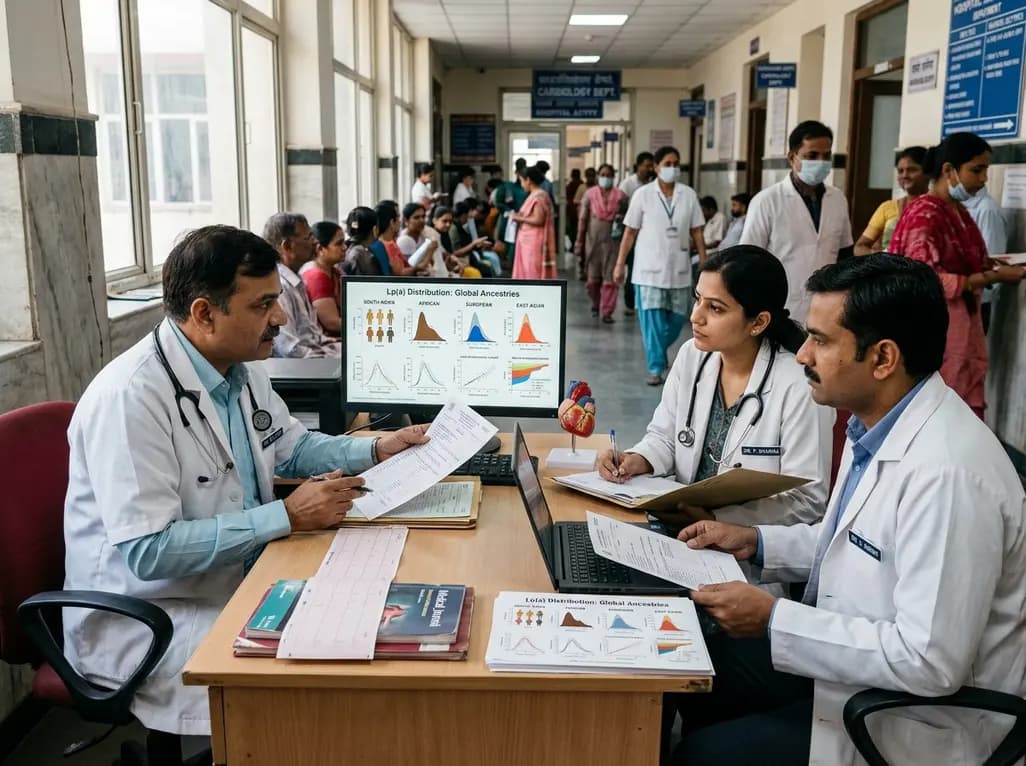
Atherosclerotic cardiovascular disease guidelines often rely on European-derived lipoprotein(a) cutoffs. However, baseline Lp(a) levels vary widely across ancestries, including South Asians and Africans. Clinicians must interpret Lp(a) values within overall absolute cardiovascular risk.
Last week
