.webp&w=384&q=75)

Loading, please wait...
Loading, please wait...
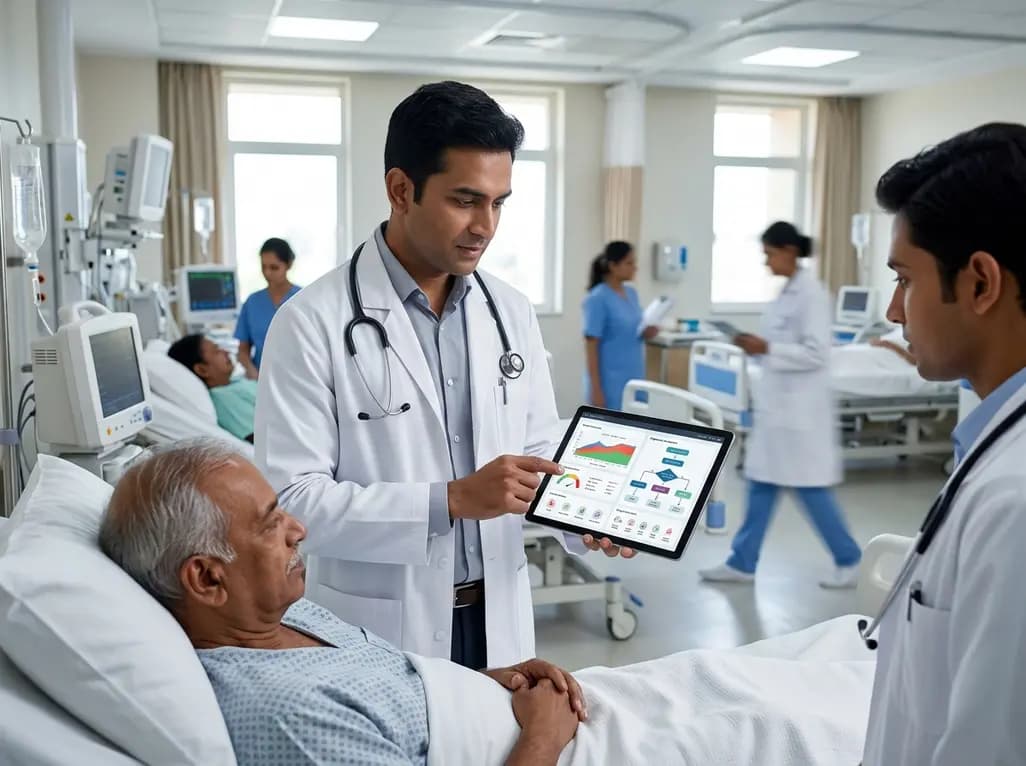
AIIMS Bhopal has integrated a point-of-care clinical decision support system directly at the patient's bedside. Consequently, doctors can now provide rapid, evidence-based treatment to patients. This advanced digital partner helps clinicians verify complex diagnoses. Additionally, it helps nurses and students optimize medication dosages. Ultimately, the new technology aims to minimize clinical errors and improve safety.
This bedside technology remains largely invisible to patients, yet it standardizes clinical care across several medical specialties. Specifically, the software covers emergency medicine, cardiology, neurology, pediatrics, obstetrics, oncology, critical care, and infectious diseases. Because of this wide coverage, healthcare providers can access peer-reviewed guidelines instantly. Furthermore, they can cross-check treatment options during crucial bedside consultations.
To ensure seamless operations, the software functions round-the-clock on computers, Android, and iOS devices. Importantly, the platform offers offline capabilities for wards with weak internet connectivity. Clinicians can utilize integrated medical calculators, check drug interactions, and follow interactive clinical pathways. Moreover, specialist doctors continuously peer-review and update the content. As a result, medical teams always have access to current, evidence-based recommendations.
Consider a 55-year-old patient presenting with high fever and severe breathlessness. Instead of waiting for prolonged consultations, the clinician uses the digital tool immediately. Within minutes, the software provides critical risk-stratification criteria and recommended laboratory tests. Additionally, the tool suggests evidence-based antibiotic options for community-acquired pneumonia. Subsequently, an integrated calculator estimates the mortality risk and guides rapid transfer to the intensive care unit. Thus, the system enhances patient outcomes through timely clinical interventions.
Q1: What is the main purpose of the clinical decision support system at AIIMS Bhopal?
The system aims to give healthcare professionals real-time, evidence-based clinical guidance at the patient's bedside. Consequently, it standardizes quality of care, reduces dosing errors, and assists in clinical training for residents and students.
Q2: Can clinicians use this digital tool offline in remote wards?
Yes, the software features offline capability. Therefore, doctors and nursing staff can easily access peer-reviewed guidelines and drug calculators even in hospital areas with poor internet connectivity.
Q3: How regularly does the system update its medical recommendations?
Specialist doctors peer-review and regularly update the content as new medical evidence emerges. Indeed, this continuous process ensures that clinicians always receive the most up-to-date and reliable recommendations.
Disclaimer: This content is for informational and educational purposes only. It does not constitute medical advice or replace professional judgment. Refer to the latest local and national guidelines for clinical practice.
References

Read summarized clinical updates, watch expert medical content, and earn CME certifications right from your smartphone.
Open your smartphone camera to scan and install.





AIIMS Bhopal is integrating an advanced point-of-care clinical decision support system across key specialties. Accessible round-the-clock on mobile devices and computers, this peer-reviewed bedside partner helps clinicians verify diagnoses, calculate risk, check drug interactions, and minimize medical errors.
4 months ago
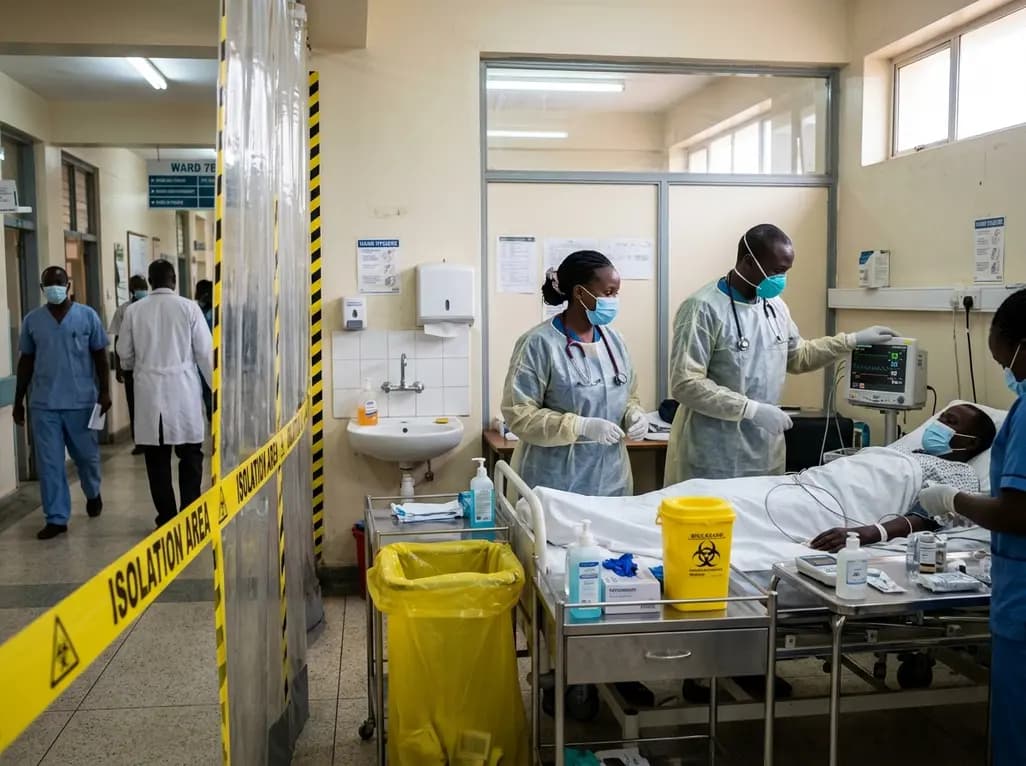
Kenya's confirmation of its eighth Ebola infection highlights the acute risk of secondary transmission in hospital environments. Clinicians must maintain high vigilance, enforce strict infection prevention protocols, and implement rapid triage mechanisms for viral hemorrhagic fevers across healthcare settings.
4 days back
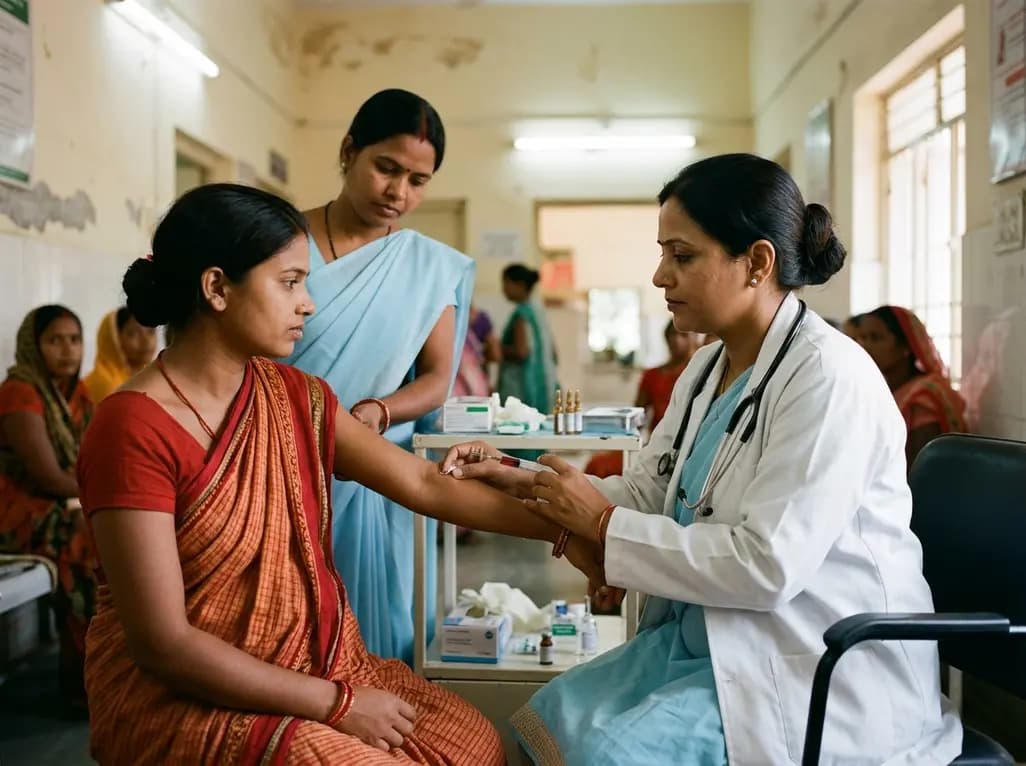
Maternal anaemia contributes to nearly half of pregnancy-related fatalities across India. To prevent complications, Uttar Pradesh has added single-dose parenteral iron to its essential medicines list. This clinical transition aims to restore haemoglobin rapidly and protect high-risk mothers across rural facilities.
Last week
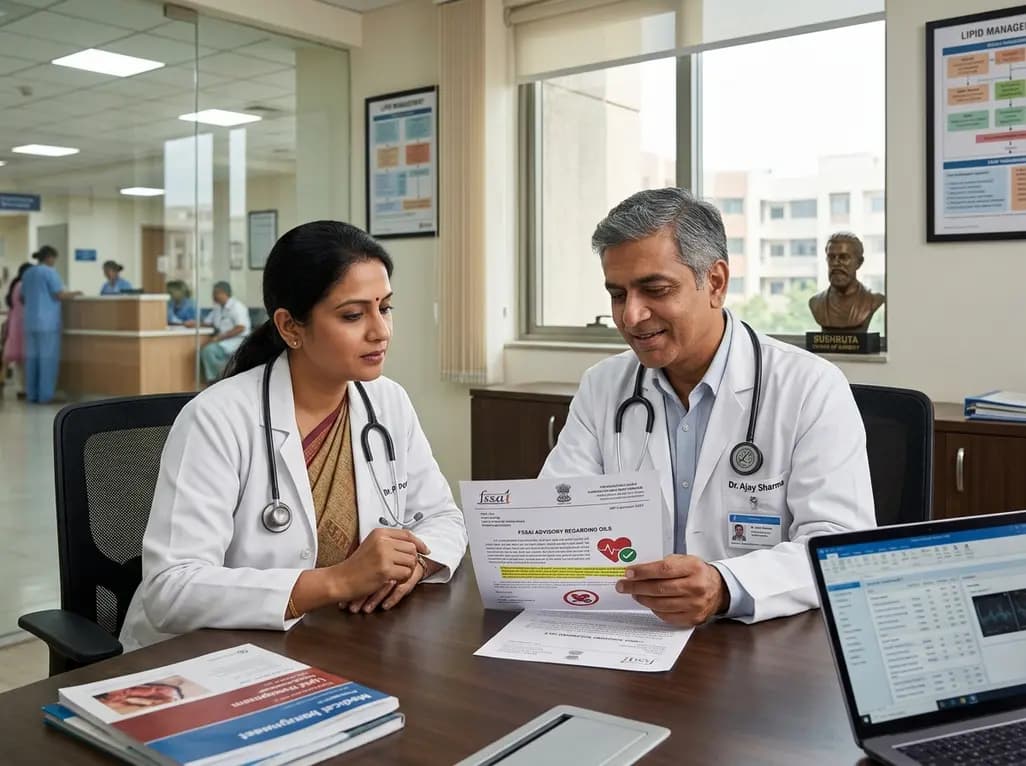
India's food safety authority FSSAI has issued show-cause notices to Gemini Edibles, BigBasket, and Flipkart for unpermitted cardiovascular claims regarding Freedom Rice Bran Oil. This regulatory move highlights the strict enforcement of advertising standards and the clinical necessity of evidence-based lipid care.
6 days back

The state government is deploying helicopter emergency medical services across the Mumbai-Pune Expressway, Samruddhi Mahamarg, and Mumbai-Goa Highway. This initiative establishes unified standard operating procedures to enable rapid triage, advanced prehospital resuscitation, and seamless trauma care transfers.
Last week
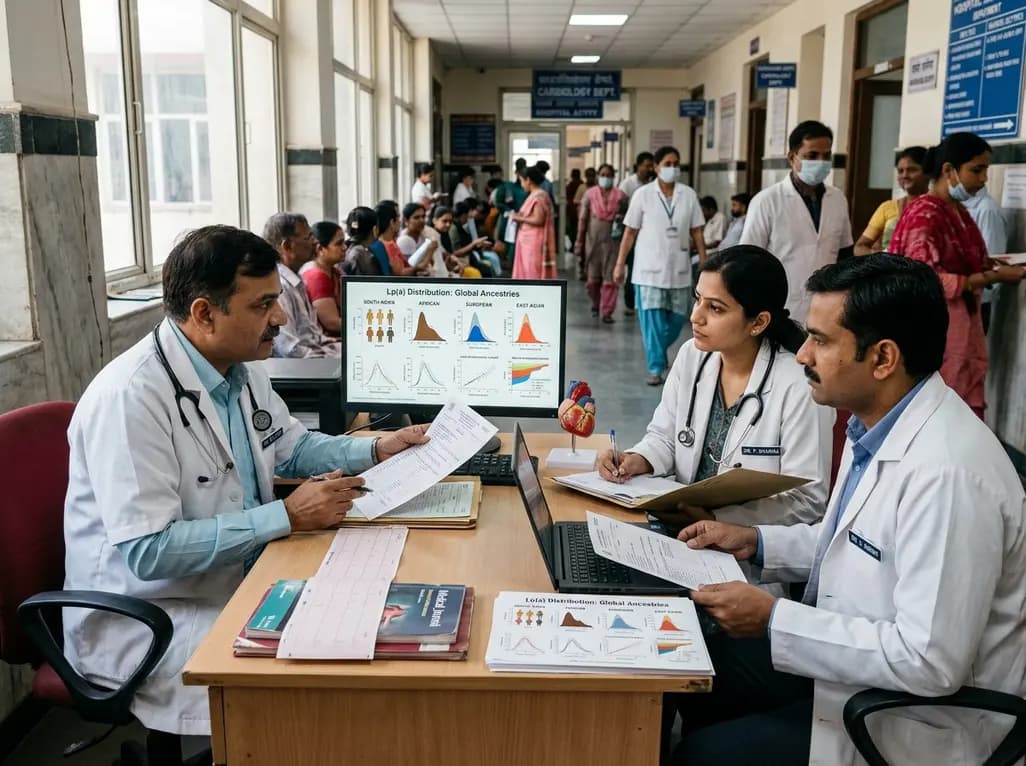
Atherosclerotic cardiovascular disease guidelines often rely on European-derived lipoprotein(a) cutoffs. However, baseline Lp(a) levels vary widely across ancestries, including South Asians and Africans. Clinicians must interpret Lp(a) values within overall absolute cardiovascular risk.
Last week
