.webp&w=384&q=75)

Loading, please wait...
Loading, please wait...
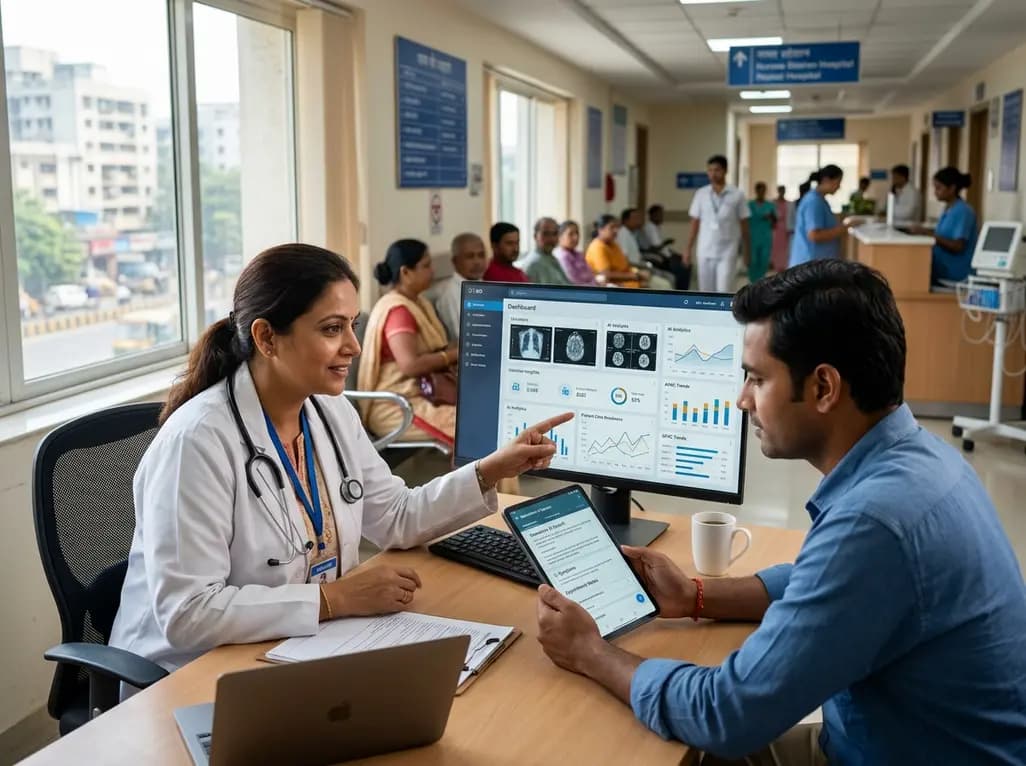
Indeed, the clinical landscape is shifting quickly, making the adoption of AI in Indian healthcare a critical trend to watch. According to the 2026 Bain & Company report, Indian consumers are leading the Asia-Pacific region in digital health readiness. Specifically, seventy-eight percent of patients use generative AI to research their medical diagnoses and treatment paths. Furthermore, seventy-three percent leverage these tools to prepare for clinical appointments. Consequently, modern healthcare providers must prepare for highly informed, proactive patients.
Youth demographics are driving this digital transition. For example, sixty-six percent of Gen Z respondents frequently purchase medications from online pharmacies. Moreover, these younger patients demonstrate much higher engagement with digital health applications. This consumer proactive behavior extends beyond tech-savvy generations. For instance, ninety-three percent of all Indian consumers desire a single, coordinated touchpoint for their healthcare journey. Meanwhile, seventy-nine percent expect phone and messaging accessibility from their doctors.
However, severe challenges persist across India's fragmented medical landscape. For example, forty-three percent of patients report high medical costs as their primary pain point. In addition, forty-two percent cite long wait times, while thirty percent face delays in securing appointments. Furthermore, sixty-two percent of patients must consult multiple clinicians to secure a correct diagnosis. Therefore, technology alone cannot solve these structural pressures. Clinicians also face mounting administrative burdens. Consequently, healthcare organizations must implement AI thoughtfully to reduce burnout and improve delivery models.
Q1: Why does India lead the APAC region in healthcare AI readiness?
The Bain & Company 2026 report notes that seventy-eight percent of Indian consumers use generative AI for diagnostic research. Additionally, a high percentage of patients utilize these digital tools to navigate the healthcare system and prepare for clinical visits.
Q2: What main challenges do patients face in the Indian healthcare system?
Indeed, high treatment costs, long wait times, and delays in securing appointments remain major pain points. Furthermore, the fragmented nature of the sector means many patients must consult multiple doctors before receiving the correct diagnosis.
Q3: How do demographics influence digital health adoption in India?
Gen Z is actively driving this digital transformation. Specifically, sixty-six percent of Gen Z respondents use online pharmacies and demonstrate high engagement with AI-enabled medical tools.
Disclaimer: This content is for informational and educational purposes only. It does not constitute medical advice or replace professional judgment. Refer to the latest local and national guidelines for clinical practice.
References

Read summarized clinical updates, watch expert medical content, and earn CME certifications right from your smartphone.
Open your smartphone camera to scan and install.





A recent Bain & Company report reveals that India is leading the APAC region in digital healthcare readiness. Patients are rapidly adopting generative AI to research diagnoses, prepare for doctor appointments, and manage wellness, indicating a massive consumer-driven shift toward digitized clinical care.
4 months ago
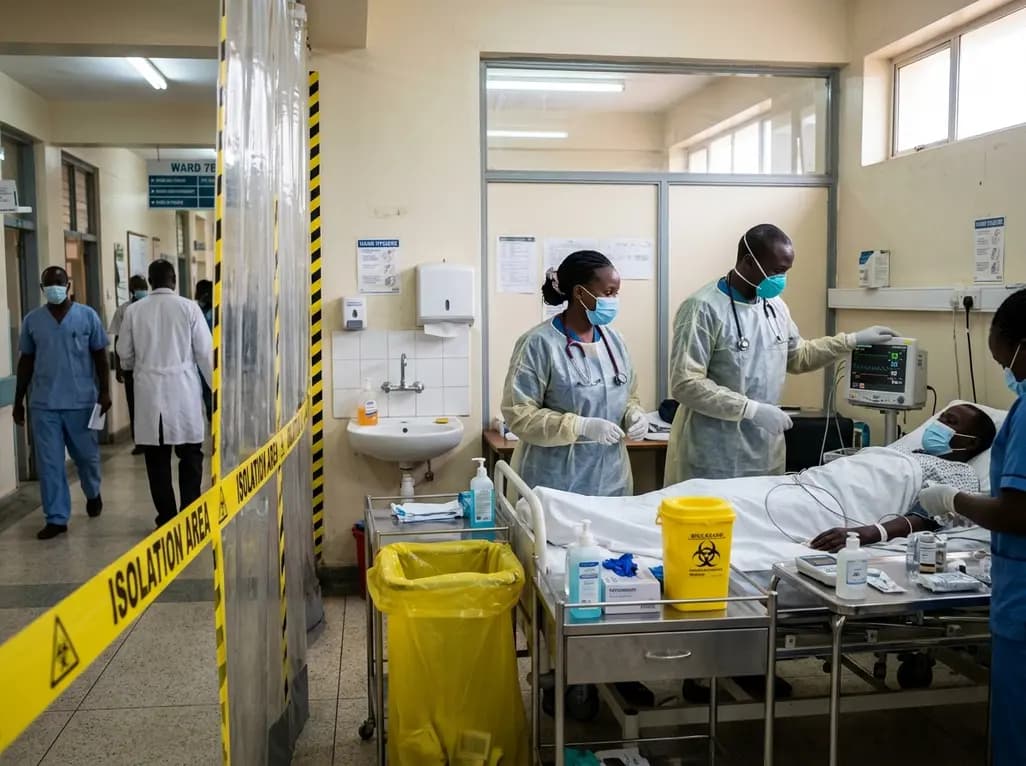
Kenya's confirmation of its eighth Ebola infection highlights the acute risk of secondary transmission in hospital environments. Clinicians must maintain high vigilance, enforce strict infection prevention protocols, and implement rapid triage mechanisms for viral hemorrhagic fevers across healthcare settings.
5 days back
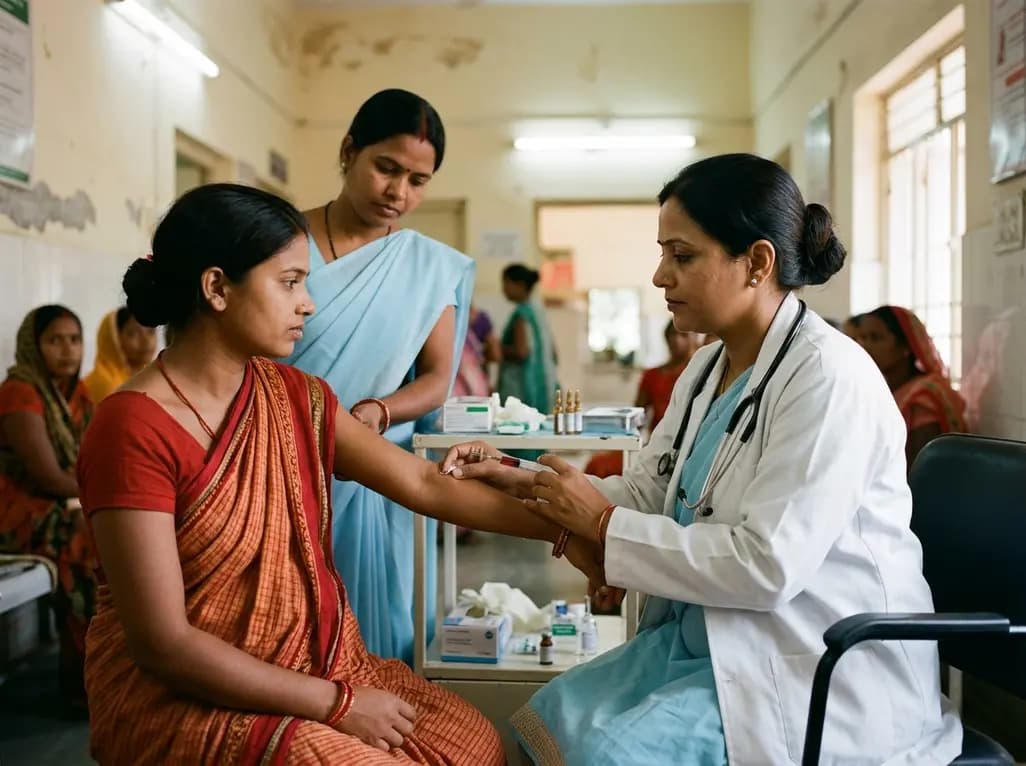
Maternal anaemia contributes to nearly half of pregnancy-related fatalities across India. To prevent complications, Uttar Pradesh has added single-dose parenteral iron to its essential medicines list. This clinical transition aims to restore haemoglobin rapidly and protect high-risk mothers across rural facilities.
2 weeks back
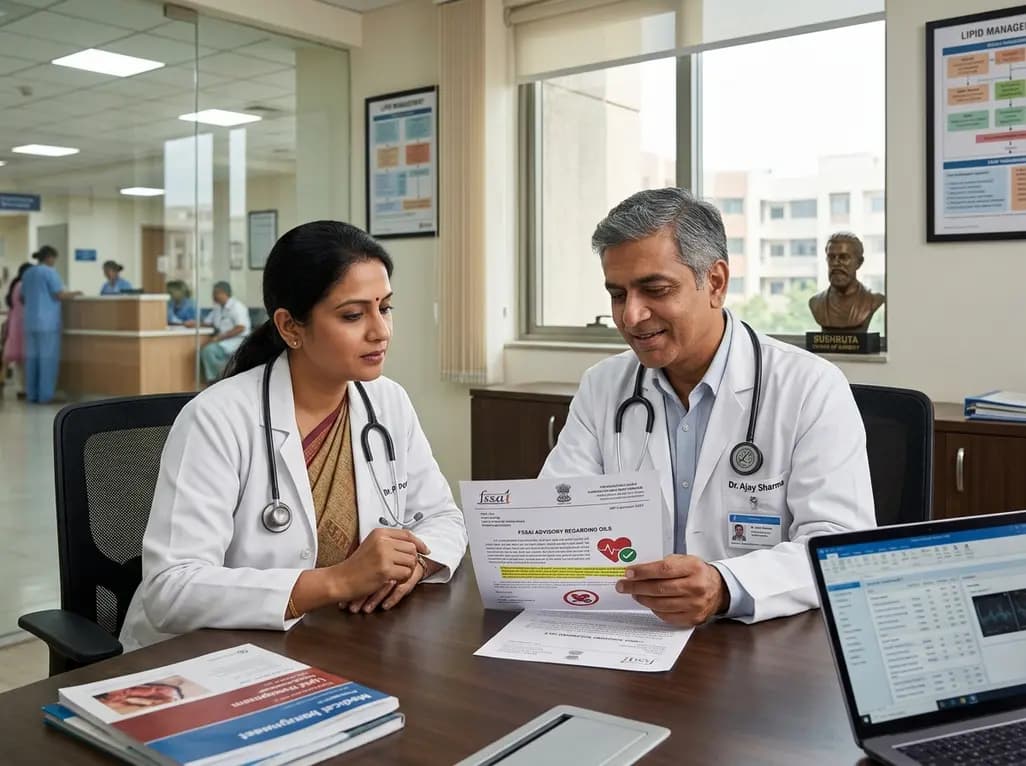
India's food safety authority FSSAI has issued show-cause notices to Gemini Edibles, BigBasket, and Flipkart for unpermitted cardiovascular claims regarding Freedom Rice Bran Oil. This regulatory move highlights the strict enforcement of advertising standards and the clinical necessity of evidence-based lipid care.
Last week
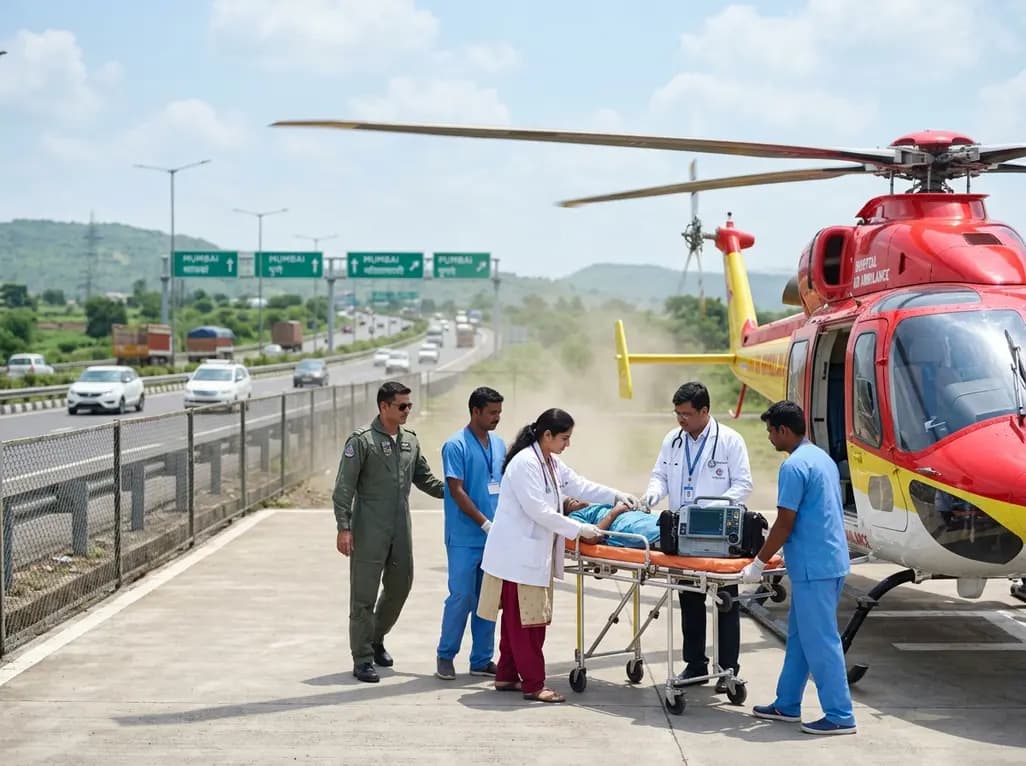
The state government is deploying helicopter emergency medical services across the Mumbai-Pune Expressway, Samruddhi Mahamarg, and Mumbai-Goa Highway. This initiative establishes unified standard operating procedures to enable rapid triage, advanced prehospital resuscitation, and seamless trauma care transfers.
Last week
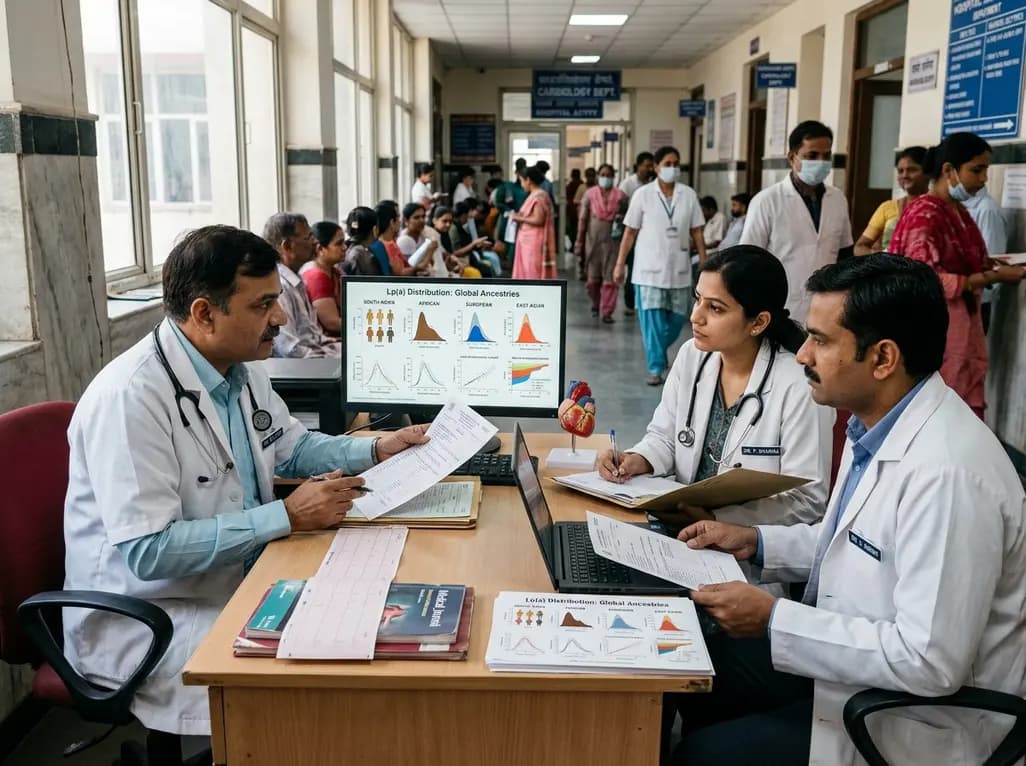
Atherosclerotic cardiovascular disease guidelines often rely on European-derived lipoprotein(a) cutoffs. However, baseline Lp(a) levels vary widely across ancestries, including South Asians and Africans. Clinicians must interpret Lp(a) values within overall absolute cardiovascular risk.
Last week
