.webp&w=384&q=75)

Loading, please wait...
Loading, please wait...
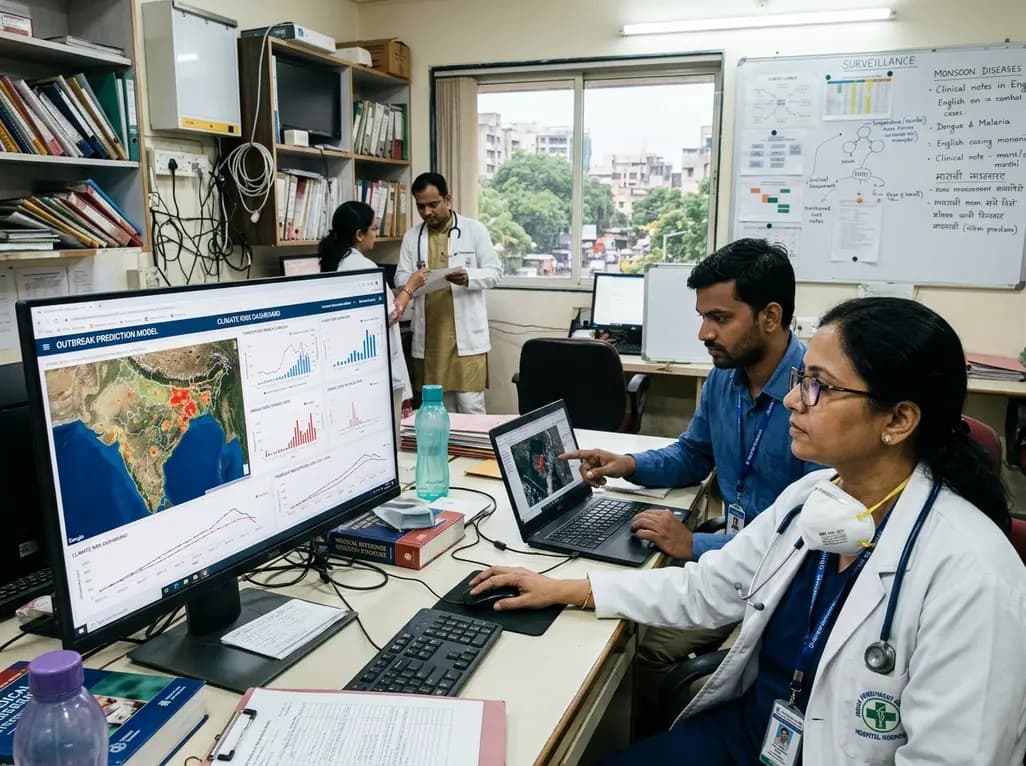
Climate extremes, regional instability, and population displacement frequently interact to accelerate the spread of climate-sensitive infectious diseases across vulnerable geographies. Traditional health surveillance infrastructures often remain fragmented, overburdened, and fundamentally reactive, responding to disease outbreaks only after transmission has reached critical levels. To overcome these limitations, modern public health strategies are increasingly leveraging artificial intelligence within a climate health early warning system. By synthesizing disparate data streams—including high-resolution satellite earth observations, routine hospital disease reporting, environmental monitoring, and human mobility indicators—AI-driven frameworks can detect subtle epidemiological anomalies well before clinical cases surge. This proactive capabilities shift enables health authorities, clinical teams, and policymakers to transition from reactive disaster management to anticipatory public health interventions. Implementing advanced machine learning models allows for precise spatio-temporal risk mapping, ensuring that limited medical supplies, diagnostic tools, and clinical personnel are deployed strategically to high-risk zones before an outbreak escalates.
While the theoretical benefits of deploying a climate health early warning architecture are substantial, operationalizing these complex tools presents significant structural and ethical challenges. Health systems in resource-constrained environments face persistent hurdles, such as fragmented data architecture, insufficient computational infrastructure, critical workforce shortages, and organizational silos between environmental agencies and healthcare sectors. Furthermore, incorporating artificial intelligence into public health surveillance introduces unresolved data governance and ethical concerns, including data ownership, patient privacy, and algorithmic bias. Establishing a robust climate health early warning platform requires addressing these gaps through targeted infrastructure investments, specialized interdisciplinary training for healthcare professionals, and transparent data-sharing protocols. Emphasizing data sovereignty and privacy-by-design principles ensures that predictive models remain ethically sound, culturally aligned, and socially equitable while delivering actionable clinical intelligence to local healthcare workers on the front lines.
To successfully deploy predictive intelligence in fragile and climate-vulnerable settings, researchers propose a structured five-layer conceptual framework designed specifically for climate-health decision support systems. The foundational layer focuses on multi-source data integration, aggregating real-time meteorological metrics, satellite remote sensing, clinical diagnostic logs, and demographic mobility patterns. Above this foundation, the processing and analytics layer utilizes machine learning algorithms to filter noise, correct data missingness, and identify early epidemiological signals. The third layer consists of predictive modeling engines that generate location-specific risk forecasts for climate-sensitive vector-borne and waterborne pathogens. The fourth layer translates these complex probabilistic outputs into accessible, actionable decision-support dashboards tailored for public health decision-makers and frontline clinicians. Finally, the governance and action layer establishes clear operational protocols, triggering pre-funded emergency response pathways and localized clinical preparedness whenever environmental and disease thresholds are breached.
Scaling a functional climate health early warning mechanism requires cohesive regional policy alignment and institutional support across international bodies and national ministries. Unilateral health surveillance efforts often struggle to track cross-border pathogen transmission driven by climate-induced population movements. Anchoring implementation roadmaps within regional intergovernmental organizations facilitates standardized data-sharing agreements, joint capacity-building initiatives, and pooled resource allocation. Regional policy frameworks must prioritize sustainable funding models, continuous algorithm validation, and participatory governance involving local community leaders and healthcare practitioners. By establishing shared technical standards and collaborative response networks, neighboring nations can collectively strengthen their epidemiological defenses against vector-borne and waterborne threats. Such coordinated regional action ensures that predictive analytics directly translate into timely, life-saving clinical interventions, optimized supply chains, and improved public health outcomes for displaced and underserved communities.
For clinicians, medical educators, and public health practitioners, integrating a climate health early warning model into routine practice enhances diagnostic vigilance and operational readiness. Climate change dynamically alters vector habitats, expanding the geographic range and seasonality of pathogens such as dengue, malaria, cholera, and rift valley fever. When healthcare providers receive localized predictive alerts, clinical facilities can proactively adjust triage protocols, stock relevant antimalarials, antibiotics, and intravenous fluids, and educate patients on preventative personal measures. Furthermore, predictive early warning systems assist hospital administrators in managing bed capacity and staffing allocations ahead of anticipated seasonal infection spikes. Bridging the gap between environmental analytics and clinical medicine empowers healthcare systems to deliver timely care, mitigate mortality, and build long-term institutional resilience against climate-driven health crises.
The ultimate success of any climate health early warning strategy depends on community trust, local engagement, and equitable access to health interventions. Top-down surveillance systems frequently fail if actionable warnings do not reach vulnerable populations or if local socio-economic realities are ignored. Integrating participatory governance into early warning frameworks ensures that rural communities, pastoralist groups, and displaced populations active participate in co-designing response measures. Community health workers equipped with mobile decision-support tools play a crucial role in validating predictive alerts on the ground and communicating risk effectively to local residents. Prioritizing equity and community empowerment guarantees that early warning technologies do not exacerbate existing disparities, but rather serve as a powerful catalyst for enhancing healthcare accessibility, clinical responsiveness, and long-term societal climate resilience.
A climate-health early warning system is an integrated surveillance framework that combines meteorological, environmental, and disease data to predict infectious disease outbreaks. Artificial intelligence enhances these systems by rapidly processing massive datasets, identifying subtle patterns, and generating precise, real-time risk predictions that allow healthcare providers to take anticipatory action before outbreaks peak.
Frontline clinicians benefit from predictive alerts that inform them of incoming infectious disease risks. Early warnings allow healthcare facilities to optimize stock levels of essential medicines, adjust staffing, refine diagnostic triage protocols, and implement targeted patient education, ultimately reducing patient mortality and preventing healthcare facility overcrowding during sudden epidemiological surges.
Key ethical concerns include data privacy, algorithmic bias, data sovereignty, and informed consent. Public health systems must ensure that sensitive health and mobility data are protected through privacy-by-design architectures and that predictive algorithms do not unfairly disadvantage marginalized or displaced populations lacking robust historical health records.
Disclaimer: This content is for informational and educational purposes only... Refer to the latest local and national guidelines for clinical practice.
References
Alasow AA et al. Artificial intelligence for climate-health early warning systems in the Horn of Africa: opportunities, challenges, and a roadmap for action. Global Health. 2026 Aug 08. doi: undefined. PMID: 42571005.

Read summarized clinical updates, watch expert medical content, and earn CME certifications right from your smartphone.
Open your smartphone camera to scan and install.





Artificial intelligence is reshaping climate-health early warning systems by integrating satellite data, disease surveillance, and population mobility to predict infectious disease outbreaks in vulnerable regions.
last month
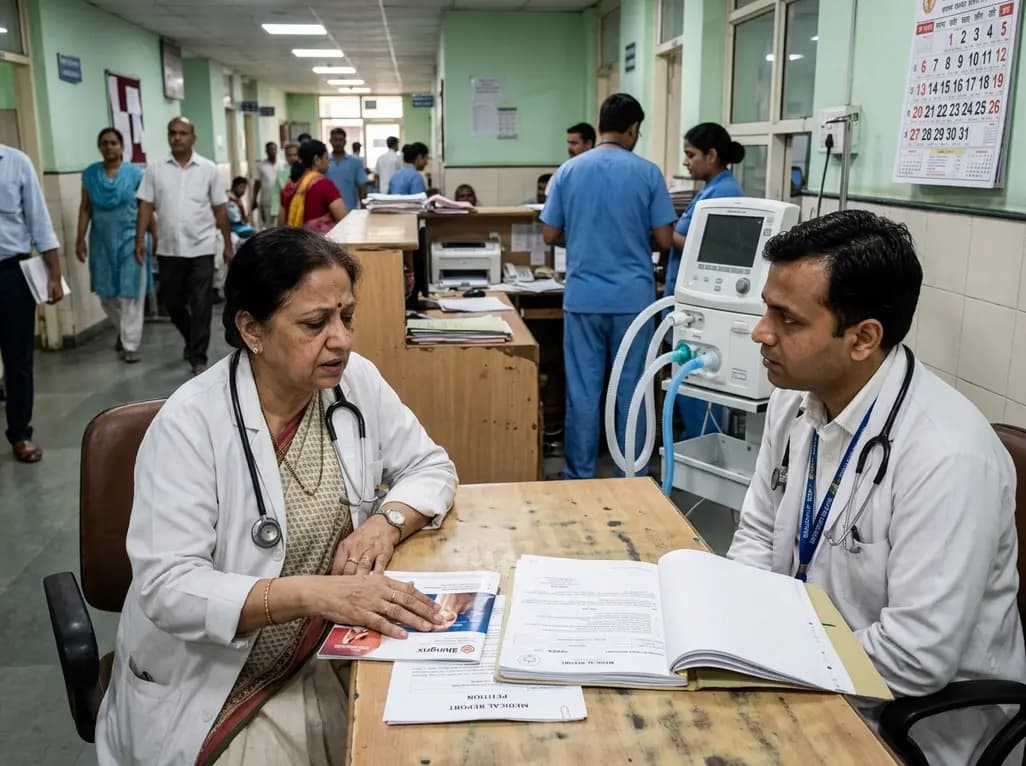
A special Delhi court has directed former DGHS Dr. Vatsala Aggarwal to surrender after refusing her relief plea. Despite clinical submissions citing immunocompromised status, scheduled Shingrix immunization, and adaptive servo-ventilation needs, the court held that jail authorities can manage these medical requirements.
Last week

A global knowledge summary from the World Health Organization warns that tobacco smoking significantly increases infertility risks in women and causes substantial sperm and erectile dysfunction in men. Fortunately, quitting smoking substantially lowers these risks, providing clear reproductive benefits.
Last week
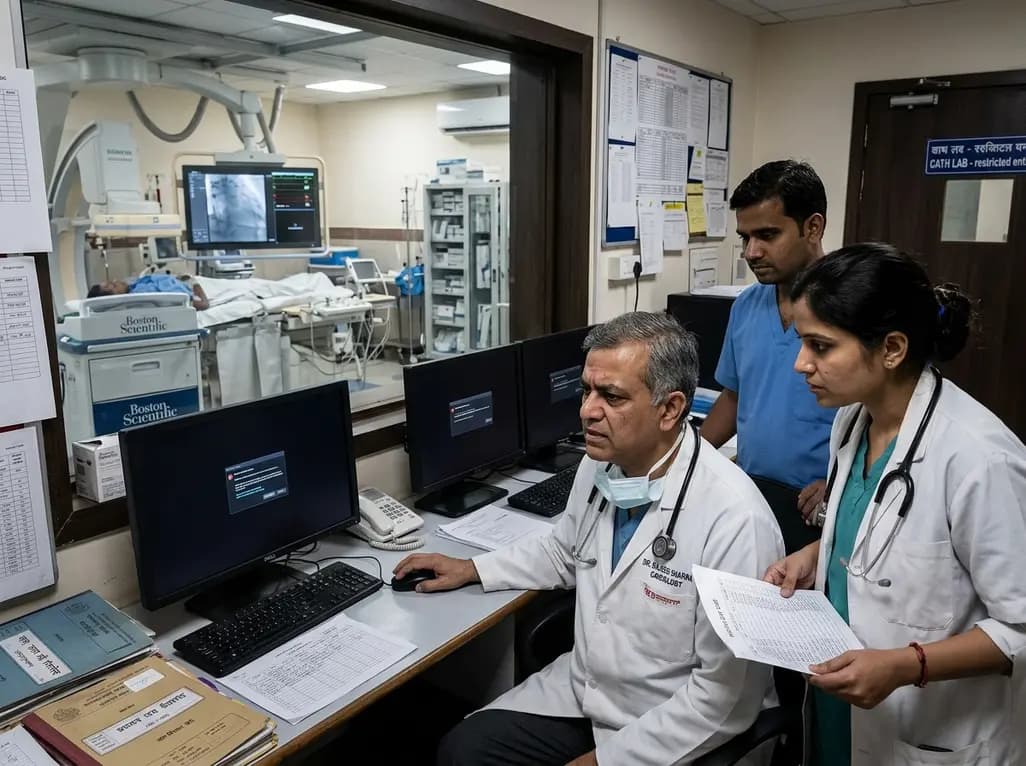
A major cybersecurity breach disrupted global operations at Boston Scientific, delaying device distribution and remote cardiac monitoring activations. This analysis examines the immediate consequences for clinical catheterization suites, electrophysiology teams, hospital inventory systems, and patient care safety.
2 weeks back
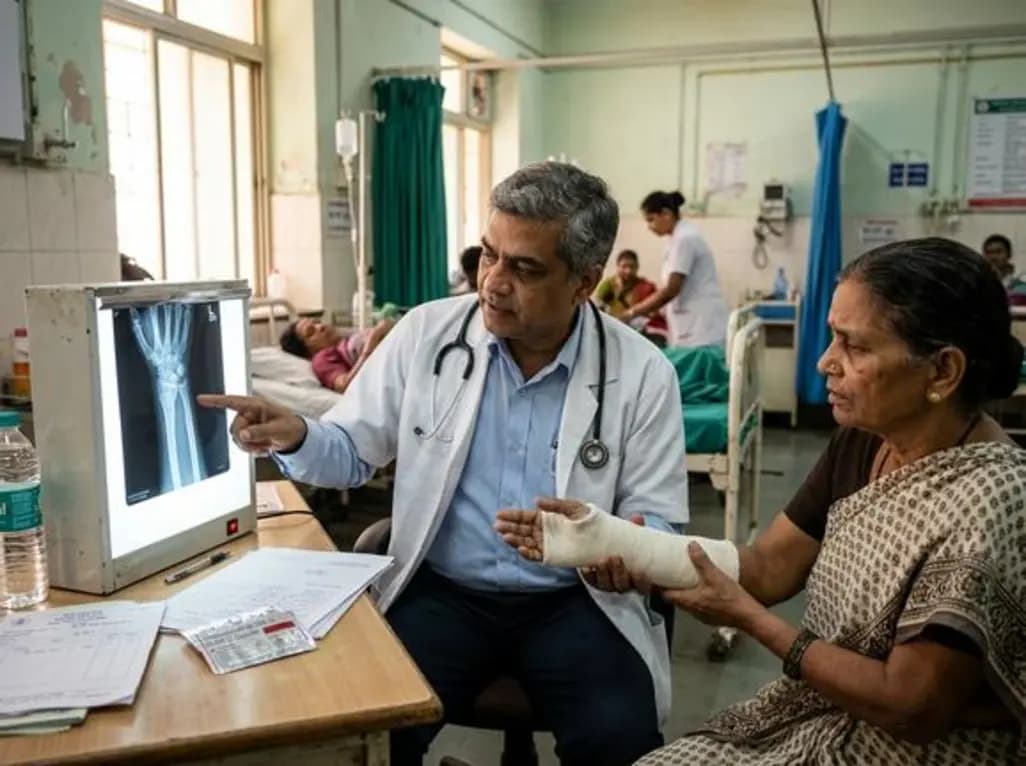
Nearly 80% of Indians suffer from inadequate Vitamin D, causing silent bone weakening and sudden fractures. This expert guide reviews why mega-dose therapy is critical for high-risk patients, the key factors driving widespread deficiency, and the mandatory medical evaluations needed to protect skeletal health.
3 months ago

A nationwide mixed-methods study evaluated hospital glycemic management systems across 265 hospitals. While real-time alerts and automatic data sync are highly valued, significant disparities in digital maturity and low satisfaction with decision support highlight the need for standardized implementation.
3 weeks back
