.webp&w=384&q=75)

Loading, please wait...
Loading, please wait...
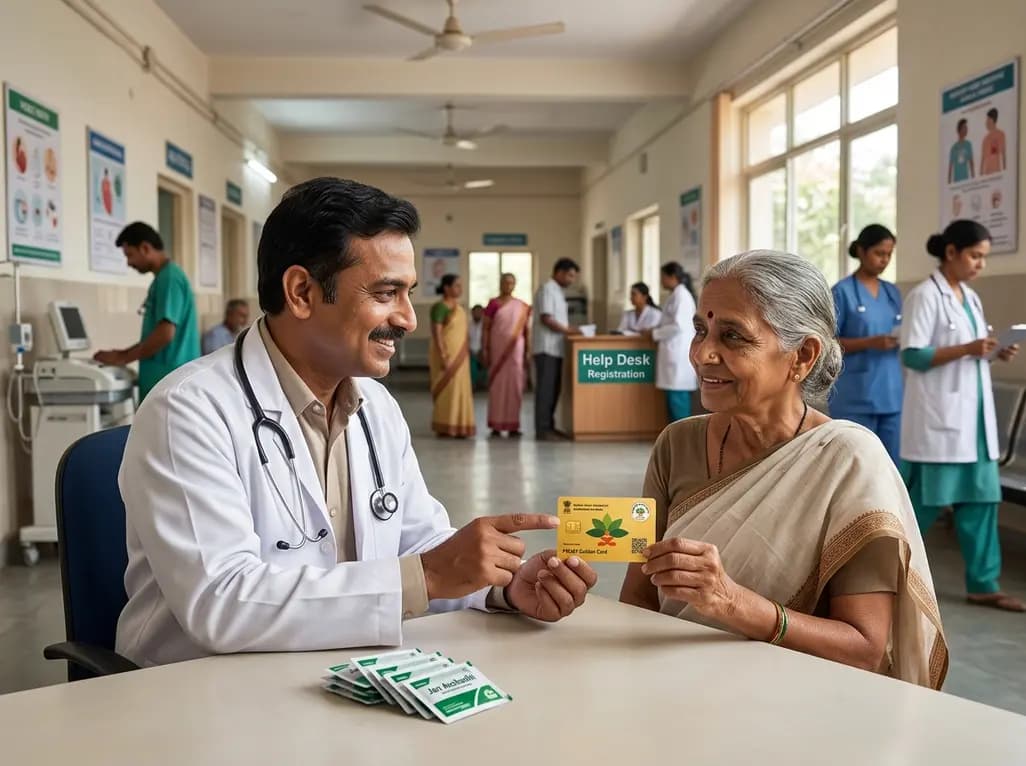
India is rapidly transforming its medical landscape to ensure affordable healthcare reaches every citizen. Consequently, the government has launched landmark initiatives to strengthen public health systems over the last twelve years. As a result, medical treatments and essential medicines are now within reach for millions of vulnerable families across the nation.
The Ayushman Bharat Pradhan Mantri Jan Arogya Yojana (AB PM-JAY) stands as the world's largest publicly funded health insurance scheme. Notably, it provides a robust health cover of Rs 5 lakh per family annually for secondary and tertiary hospitalizations. Furthermore, in 2024, the government expanded this scheme to include all senior citizens aged 70 years and above, regardless of income. Therefore, elderly citizens now enjoy dedicated financial protection for their age-related medical needs.
Meanwhile, the Pradhan Mantri Bharatiya Janaushadhi Pariyojana (PMBJP) has revolutionized access to essential drugs alongside major insurance reforms. This initiative provides quality generic medicines at prices that are 50% to 80% lower than branded equivalents. Indeed, more than 19,000 Janaushadhi Kendras currently operate across India. Additionally, price caps on cardiac stents and knee implants have heavily reduced out-of-pocket expenses for patients.
Q1: Who is eligible for the expanded Ayushman Bharat scheme?
All senior citizens in India aged 70 years and above are eligible for free health coverage of up to Rs 5 lakh per year, regardless of their family income. Eligible seniors receive a distinct card for this benefit.
Q2: How does the Jan Aushadhi scheme help patients save money?
The Jan Aushadhi scheme provides high-quality generic medicines at 50% to 80% lower costs than market prices. This significantly lowers daily out-of-pocket healthcare expenses for chronic and acute illnesses.
Disclaimer: This content is for informational and educational purposes only. It does not constitute medical advice or replace professional judgment. Refer to the latest local and national guidelines for clinical practice.
References

Read summarized clinical updates, watch expert medical content, and earn CME certifications right from your smartphone.
Open your smartphone camera to scan and install.





India has made major progress in public health over the last 12 years. Flagship schemes like Ayushman Bharat and Jan Aushadhi have drastically lowered treatment and medicine costs for millions of citizens, particularly benefiting vulnerable groups and senior citizens with expanded insurance coverage.
4 months ago
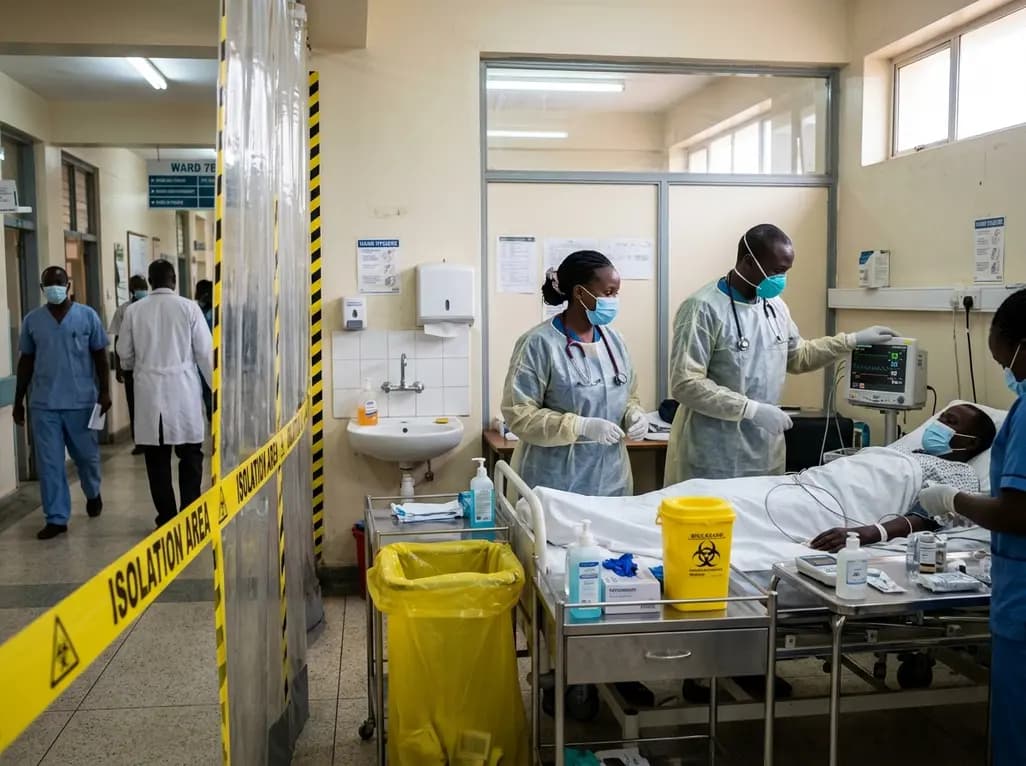
Kenya's confirmation of its eighth Ebola infection highlights the acute risk of secondary transmission in hospital environments. Clinicians must maintain high vigilance, enforce strict infection prevention protocols, and implement rapid triage mechanisms for viral hemorrhagic fevers across healthcare settings.
3 days back
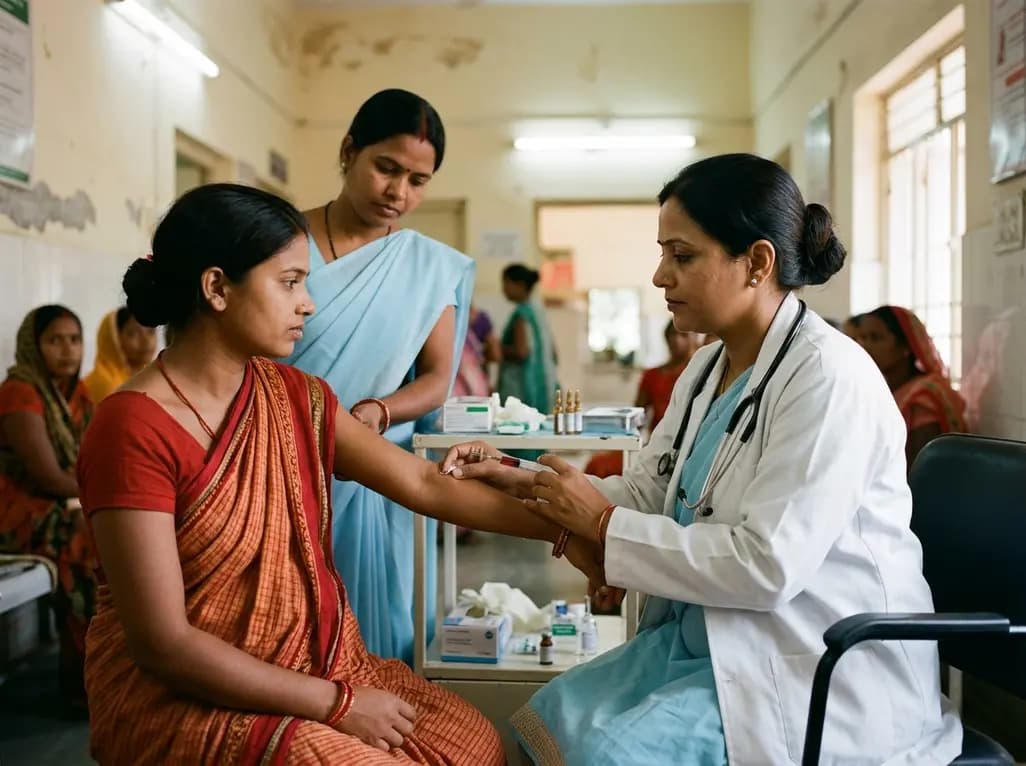
Maternal anaemia contributes to nearly half of pregnancy-related fatalities across India. To prevent complications, Uttar Pradesh has added single-dose parenteral iron to its essential medicines list. This clinical transition aims to restore haemoglobin rapidly and protect high-risk mothers across rural facilities.
Last week

India's food safety authority FSSAI has issued show-cause notices to Gemini Edibles, BigBasket, and Flipkart for unpermitted cardiovascular claims regarding Freedom Rice Bran Oil. This regulatory move highlights the strict enforcement of advertising standards and the clinical necessity of evidence-based lipid care.
5 days back

The state government is deploying helicopter emergency medical services across the Mumbai-Pune Expressway, Samruddhi Mahamarg, and Mumbai-Goa Highway. This initiative establishes unified standard operating procedures to enable rapid triage, advanced prehospital resuscitation, and seamless trauma care transfers.
Last week
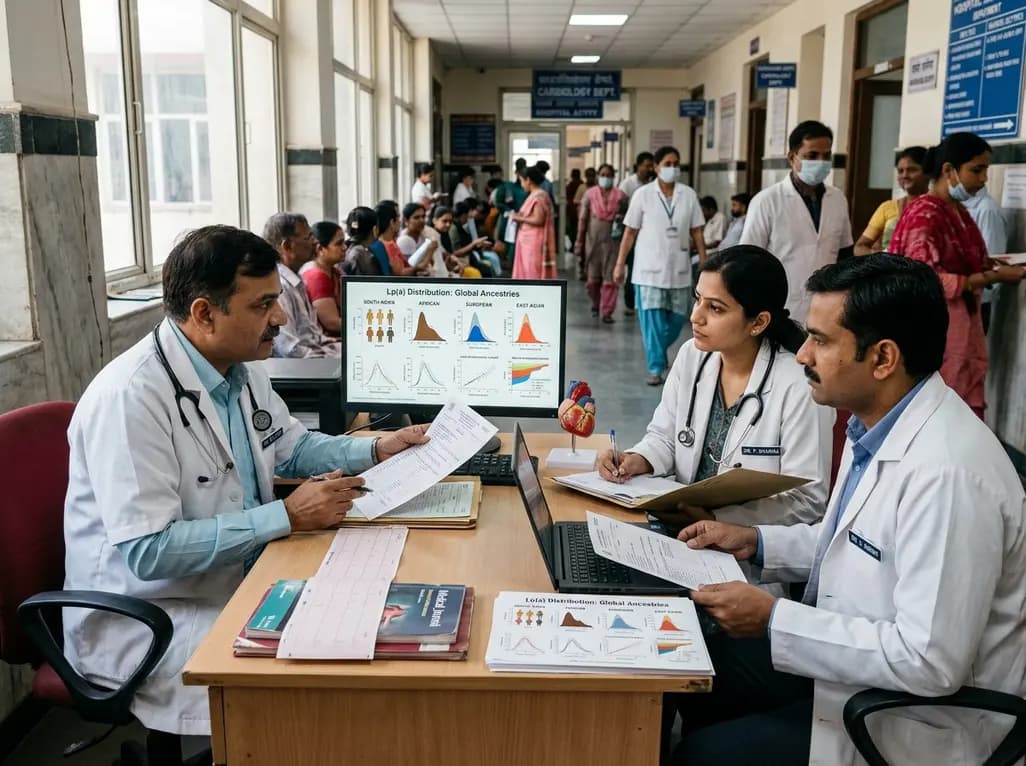
Atherosclerotic cardiovascular disease guidelines often rely on European-derived lipoprotein(a) cutoffs. However, baseline Lp(a) levels vary widely across ancestries, including South Asians and Africans. Clinicians must interpret Lp(a) values within overall absolute cardiovascular risk.
Last week
