.webp&w=384&q=75)

Loading, please wait...
Loading, please wait...
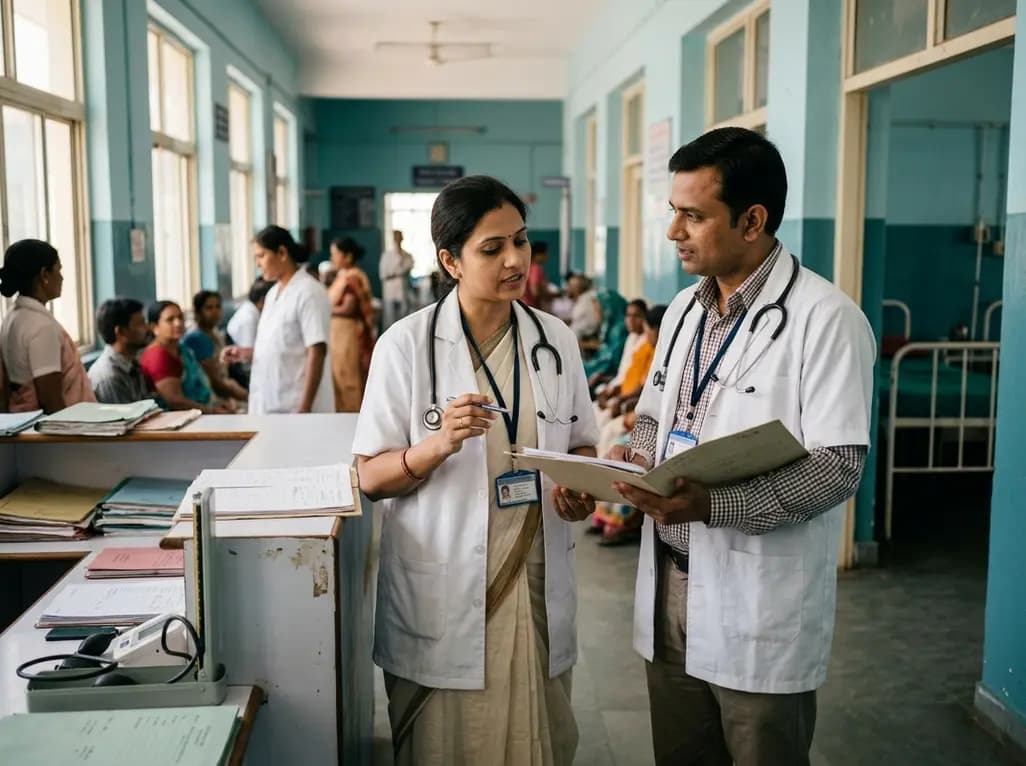
The Union Health Ministry of India has officially launched Aarogya Setu 2.0 as a comprehensive national personal health record application. This revamped version transforms the classic contact-tracing platform into a highly integrated digital health portal. Specifically, this strategic upgrade aligns with the Ayushman Bharat Digital Mission to establish an interoperable ecosystem. Consequently, this deployment marks a major milestone in India's digital health infrastructure.
Indeed, the Indian government originally designed the application for contact tracing and risk assessment during the COVID-19 pandemic. However, the completion of its initial pandemic mandate prompted a major strategic transition. The Ministry of Electronics and Information Technology formally transferred the application to the National Health Authority for repurposing. Consequently, the team redesigned the platform to serve as a citizen-centric digital gateway for everyday healthcare. This upgraded application addresses the pressing need for a trusted, accessible entry point into India’s expanding digital network. Furthermore, the platform utilizes its existing base of nearly twenty crore downloads to accelerate citizen adoption. Therefore, healthcare professionals can expect a rapid transition toward digital record management among their patient populations. Additionally, the application now offers a secure foundation for managing lifelong health data. Doctors can utilize this platform to review structured medical histories during consultations. Ultimately, this shift reduces administrative burdens and improves clinical decision-making across diverse medical settings. In addition, this digital evolution supports the national transition toward paperless clinic workflows.
At its core, the system aligns directly with the foundational building blocks of the Ayushman Bharat Digital Mission. Specifically, users can seamlessly generate their unique Ayushman Bharat Health Account identifiers directly within the application interface. This standard registration process relies on Aadhaar-based face authentication to guarantee maximum security. Consequently, patients can easily link their verified diagnostic reports and prescriptions to their digital profiles. In addition, the application introduces a streamlined digital registration feature at participating clinics and diagnostic laboratories. Patients simply use a quick scan-and-share option to submit their demographic details instantly to hospital registration systems. Therefore, this technology drastically reduces waiting times in crowded outpatient departments. Moreover, clinical administrators can easily verify patient information with minimal manual data entry. This integration ensures that health information remains secure yet accessible when patients transfer between facilities. Consequently, medical practitioners can access comprehensive patient histories with explicit user consent. Ultimately, this robust consent framework strictly protects patient confidentiality while facilitating critical care coordination.
Significantly, the newly integrated PM-JAY Wallet provides users with a comprehensive real-time overview of their healthcare coverage. Beneficiaries of the Pradhan Mantri Jan Arogya Yojana can now monitor their total insured amount easily. Furthermore, the dashboard explicitly displays the specific balance that the family has already utilized during the fiscal year. This financial feature actively improves transparency and helps families plan future medical treatments. In addition, users can view policy details and check reimbursement claims for private health insurance policies within the same interface. Consequently, this single portal eliminates the need to navigate multiple complicated insurance websites. Patients can easily present their verified coverage details during hospital admissions to receive cashless treatments. Therefore, the app directly bridges the historic gap between health insurance services and actual medical delivery. Moreover, this transparent mechanism reduces the likelihood of billing disputes at the time of discharge. Ultimately, healthcare facilities can process claims much faster by utilizing the unified National Health Claim Exchange network. Consequently, the system minimizes administrative bottlenecks and improves patient satisfaction metrics for medical providers.
Interestingly, the redesigned platform utilizes advanced artificial intelligence models to assist with medical record digitization. Users can easily upload physical medical documents like complex laboratory reports in standard PDF or image formats. Consequently, the system automatically extracts crucial clinical parameters to populate a personalized health dashboard. This allows patients to maintain chronological health records without tedious manual typing. Furthermore, individuals can sync their personal wearable devices to monitor vitals like heart rate and glucose levels. Patients can also track their daily steps and calorie consumption to manage chronic metabolic disorders. In addition, the application allows users to set automated medication reminders and define custom wellness goals. This active tracking empowers patients to participate directly in their clinical management plans. Therefore, primary care physicians can review real-time, patient-generated health data during routine follow-up examinations. Moreover, this constant data stream allows for early detection of potential clinical complications. Ultimately, this integration facilitates a more proactive approach to preventive medicine and general patient care. Consequently, doctors can adjust medical dosages dynamically based on accurate home monitoring records.
Additionally, the platform incorporates advanced utility features to simplify how citizens navigate the complex healthcare ecosystem. Users can easily discover nearby doctors, medical clinics, and professional laboratories through integrated GPS tracking services. Furthermore, patients can locate PM-JAY empanelled hospitals that offer completely cashless treatment options. The application also coordinates directly with the e-RaktKosh portal to display real-time blood availability across regional blood banks. Consequently, this capability ensures that families can secure life-saving resources during critical emergency situations. In addition, citizens can book certified ambulance services directly through the mobile interface. This immediate access to emergency transport significantly reduces transit times to intensive care units. Therefore, the application functions as a reliable single-point resource during acute clinical crises. Moreover, the platform allows users to manage health records for multiple family members under one profile. Ultimately, this comprehensive tool helps households manage clinical interactions with unprecedented speed and efficiency. Consequently, this digital expansion guarantees that remote populations receive timely access to necessary healthcare services.
Q1: What is the primary difference between the original Aarogya Setu app and the new Aarogya Setu 2.0?
Originally, the application served primarily as a COVID-19 contact-tracing tool during the global pandemic. In contrast, Aarogya Setu 2.0 operates as a comprehensive Personal Health Record platform integrated with the Ayushman Bharat Digital Mission. Consequently, users can now create ABHA IDs, store medical records, track health insurance, and access diagnostic services. Therefore, it shifts from a crisis-response utility to a permanent digital healthcare gateway for daily family health management.
Q2: How does the PM-JAY Wallet feature within the app benefit users?
Specifically, the PM-JAY Wallet provides beneficiaries with real-time access to their personal and family health insurance coverage details. Users can quickly monitor the total insured amount alongside the exact balance utilized under the government-funded program. Furthermore, this transparency helps families plan medical procedures and manage out-of-pocket expenses without financial surprises. Ultimately, this feature streamlines communication between hospitals and patients, ensuring smoother cashless admissions and faster claim clearances.
Q3: Can users integrate data from third-party wearable devices into Aarogya Setu 2.0?
Yes, the platform allows users to synchronize personal wearable devices directly with their profiles. Consequently, patients can continuously monitor critical health metrics such as daily step counts, calorie burn, heart rate variability, and blood glucose levels. Additionally, this integration helps individuals establish automated medication alerts and track progress toward personalized health goals. Consequently, doctors can analyze this patient-generated data to customize therapies and detect clinical issues much earlier.
Disclaimer: This content is for informational and educational purposes only. It does not constitute medical advice or replace professional judgment. Refer to the latest local and national guidelines for clinical practice.
References

Read summarized clinical updates, watch expert medical content, and earn CME certifications right from your smartphone.
Open your smartphone camera to scan and install.





The Union Health Ministry has launched Aarogya Setu 2.0 under the Ayushman Bharat Digital Mission. This upgraded application transforms the pandemic-era tool into a robust personal health record system featuring real-time insurance tracking, AI-powered document digitization, and GPS-enabled local healthcare discovery.
3 months ago
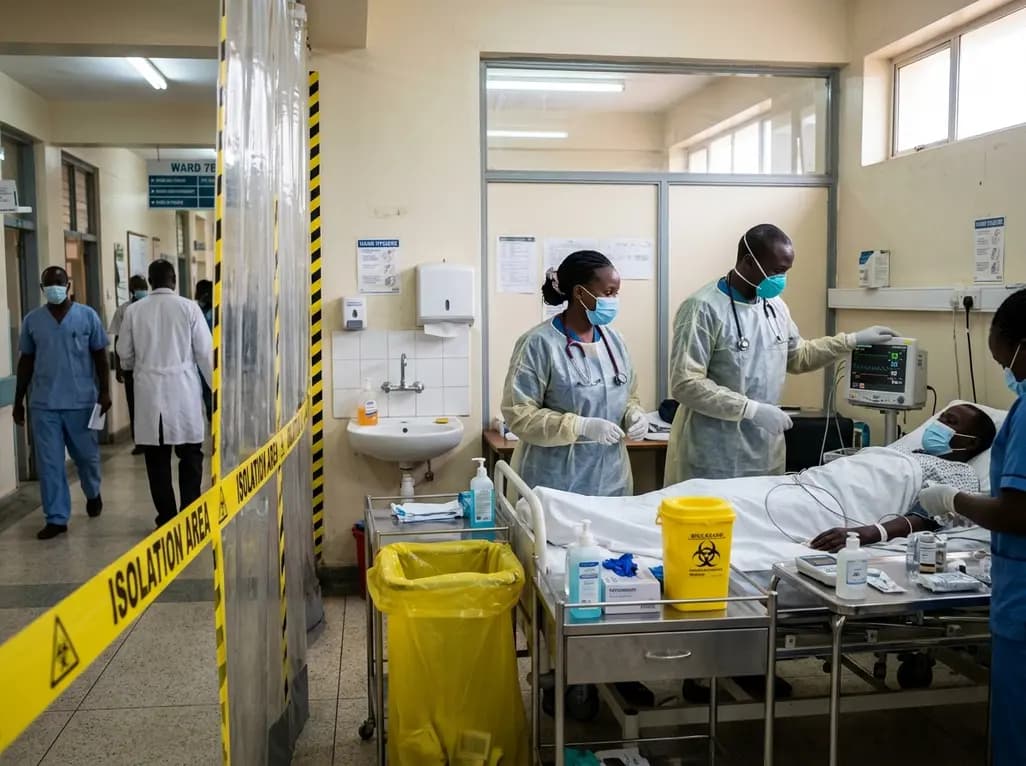
Kenya's confirmation of its eighth Ebola infection highlights the acute risk of secondary transmission in hospital environments. Clinicians must maintain high vigilance, enforce strict infection prevention protocols, and implement rapid triage mechanisms for viral hemorrhagic fevers across healthcare settings.
3 days back
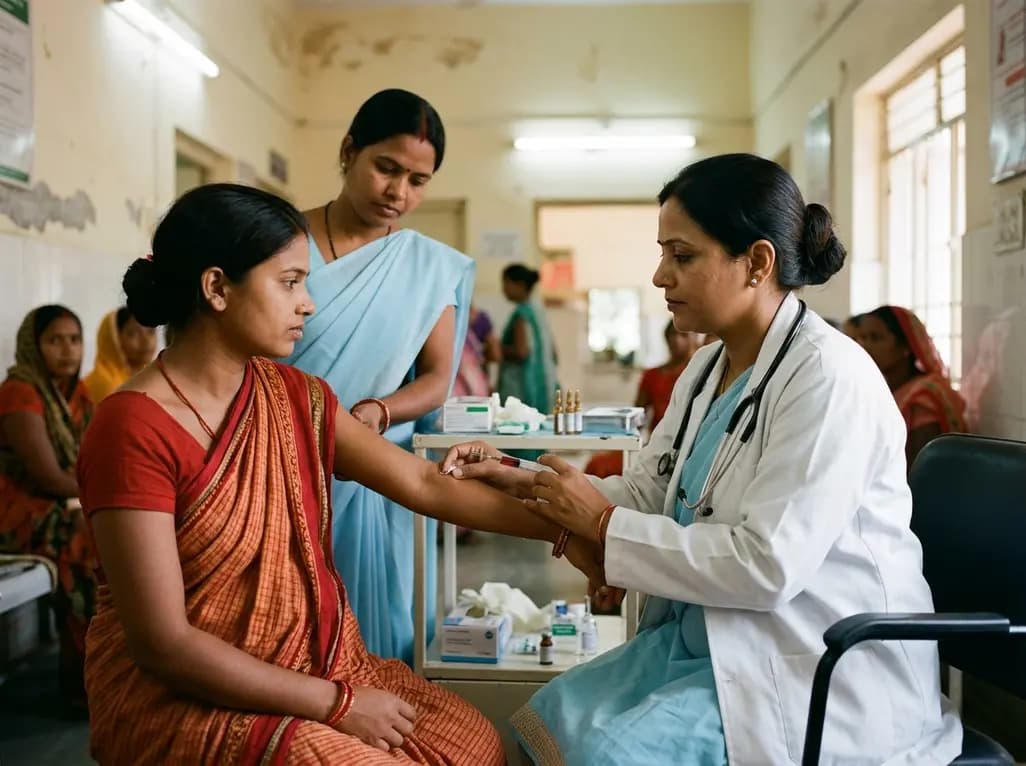
Maternal anaemia contributes to nearly half of pregnancy-related fatalities across India. To prevent complications, Uttar Pradesh has added single-dose parenteral iron to its essential medicines list. This clinical transition aims to restore haemoglobin rapidly and protect high-risk mothers across rural facilities.
Last week
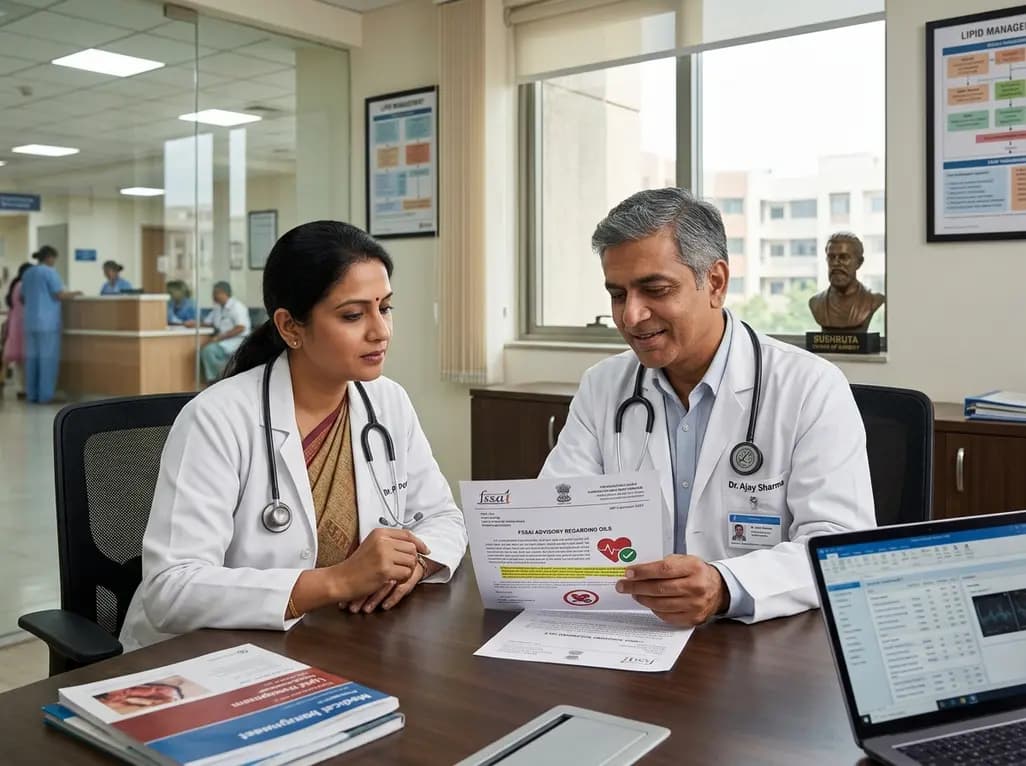
India's food safety authority FSSAI has issued show-cause notices to Gemini Edibles, BigBasket, and Flipkart for unpermitted cardiovascular claims regarding Freedom Rice Bran Oil. This regulatory move highlights the strict enforcement of advertising standards and the clinical necessity of evidence-based lipid care.
5 days back

The state government is deploying helicopter emergency medical services across the Mumbai-Pune Expressway, Samruddhi Mahamarg, and Mumbai-Goa Highway. This initiative establishes unified standard operating procedures to enable rapid triage, advanced prehospital resuscitation, and seamless trauma care transfers.
Last week
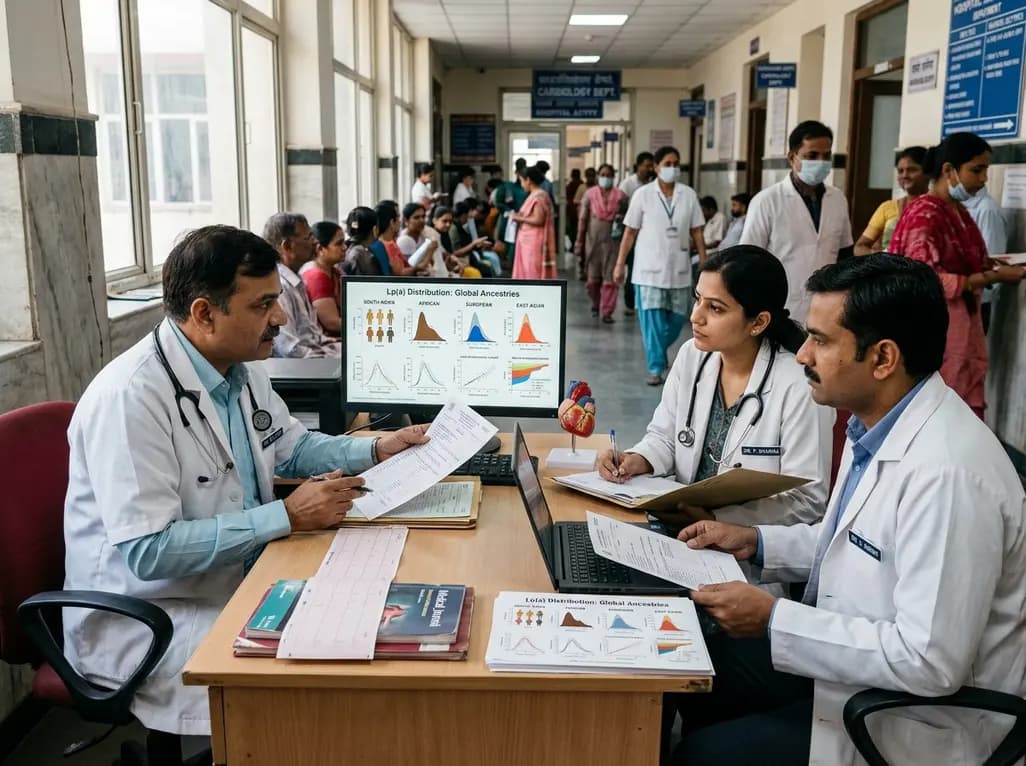
Atherosclerotic cardiovascular disease guidelines often rely on European-derived lipoprotein(a) cutoffs. However, baseline Lp(a) levels vary widely across ancestries, including South Asians and Africans. Clinicians must interpret Lp(a) values within overall absolute cardiovascular risk.
Last week
