.webp&w=384&q=75)

Loading, please wait...
Loading, please wait...
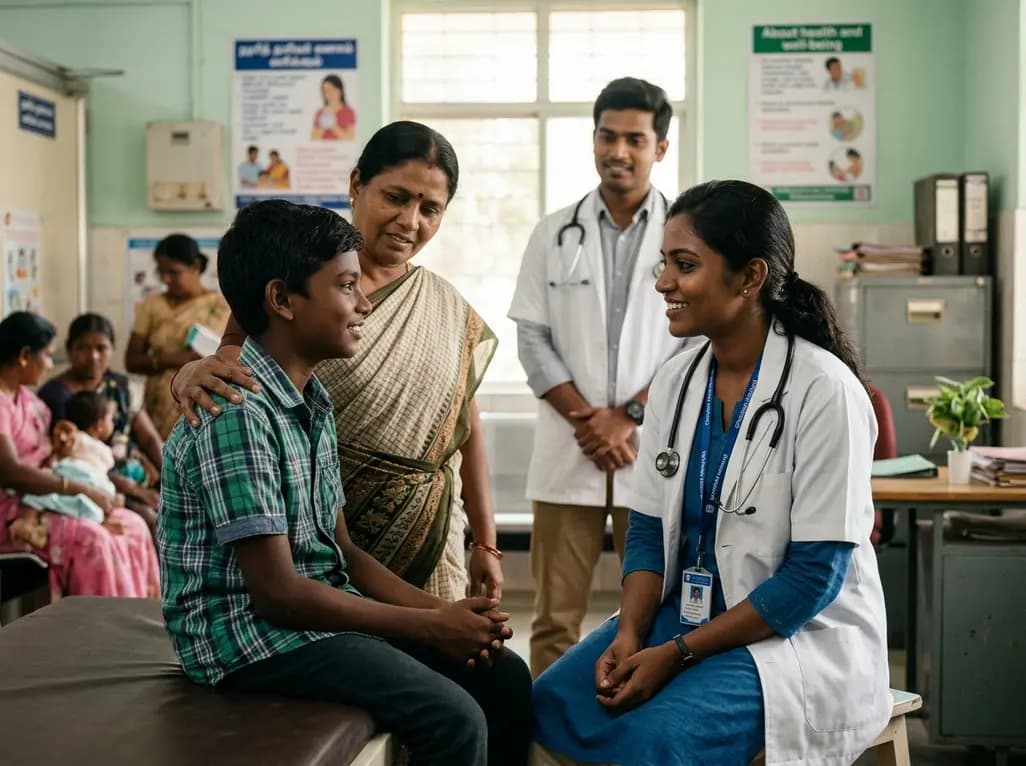
Addressing the escalating child and adolescent mental health crisis is a critical priority for clinicians globally. Specifically, in low- and middle-income countries (LMICs) like India, practitioners face unique challenges in managing the long-term effects of trauma. A groundbreaking longitudinal study by McRell AS et al. explores the pivotal role of social support in promoting youth mental well-being. While researchers have long linked maltreatment to negative emotional outcomes, this study provides vital evidence on how support networks can actively mitigate these risks.
The research followed over 2,500 orphaned and separated youth across five LMICs, including India. Consequently, the findings offer significant insights for the Indian medical community. The data showed that maltreatment significantly increases well-being difficulties. However, the presence of social support serves as a powerful buffer. Importantly, social support reduced emotional difficulties even when concurrent maltreatment occurred. Three specific subtypes of support proved most beneficial: emotional, tangible, and positive social interactions. Additionally, these findings suggest that clinical interventions should look beyond trauma-focused care alone.
Furthermore, medical professionals in India can leverage these results to enhance community-based care. Because trauma-informed services remain scarce in many regions, fostering local social support systems becomes essential. This approach promotes resilience and improves youth mental well-being without requiring specialized psychiatric facilities in every village. Finally, measuring both maltreatment history and current support levels provides a more holistic view of a patient’s emotional health.
Social support, particularly emotional and tangible assistance, reduces the psychological burden of trauma. It helps youth process experiences and provides a sense of safety, which decreases well-being difficulties.
India has a massive youth population with limited access to specialized mental health care. This study highlights that community-driven social support can improve mental outcomes, offering a scalable solution for rural and underserved areas.
Disclaimer: This content is for informational and educational purposes only. It does not constitute medical advice or establish a doctor-patient relationship. Always consult a qualified healthcare professional for personal medical concerns. Refer to the latest local and national guidelines for clinical practice.
References
McRell AS et al. Maltreatment, social support, and mental well-being: A longitudinal observation study of youth in five low- and middle-income countries. Child Abuse Negl. 2026 Jun 02. doi: undefined. PMID: 42229017.
UNICEF India. Mental Well-being for Young People. Available at: https://www.unicef.org/india/mental-well-being-young-people
Sahoo RP. Improving the Mental Health of Young People in India: A Social Inclusion Perspective. The Third Voice Reality and Vision. 2024;6(2):19-27. doi: 10.5281/zenodo.15168655

Read summarized clinical updates, watch expert medical content, and earn CME certifications right from your smartphone.
Open your smartphone camera to scan and install.





A longitudinal study reveals that social support significantly improves youth mental well-being in India and other LMICs, even in the presence of maltreatme...
4 months ago

Explore why official drug package inserts fail to reflect modern evidence for clozapine prescribing. Learn how legal standards of care, case law, slow titration, and vital adverse event monitoring empower clinicians to prioritize evidence-based medical practice over outdated manufacturer labeling.
Today
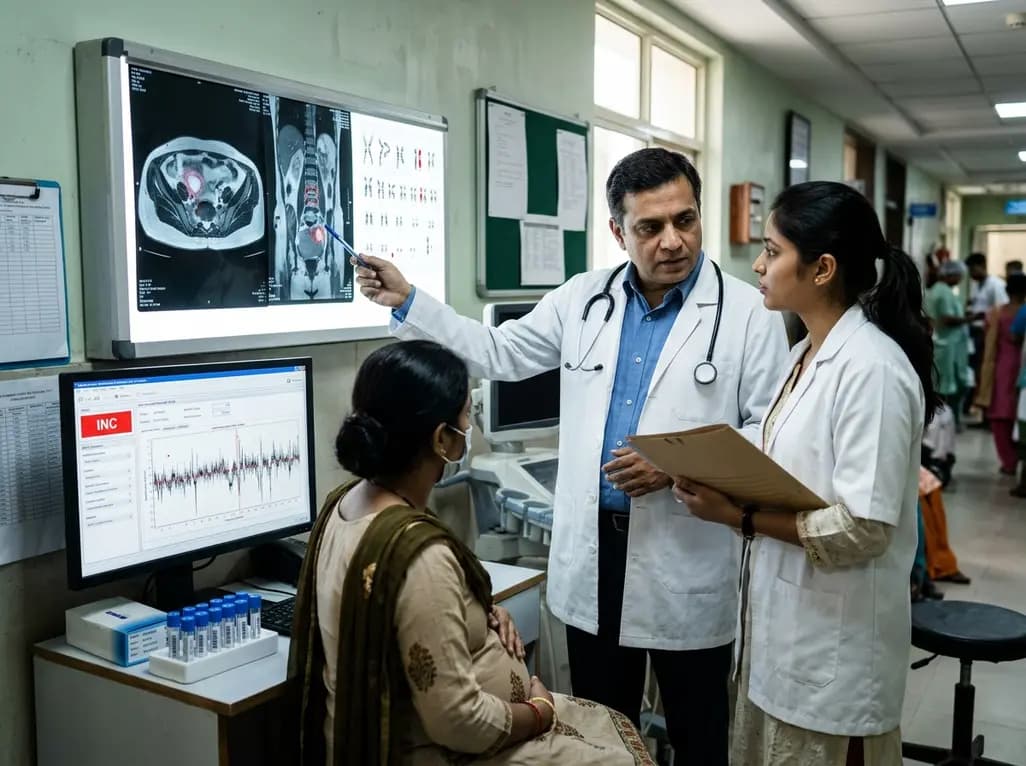
Occult maternal malignancy accounts for 3.82% of persistent unreportable NIPT results with genomic noise. Multiple chromosomal aberrations, notably on chromosome 18, warrant thorough oncological evaluation and whole-body MRI to ensure timely maternal diagnosis while preserving fetal care.
Today
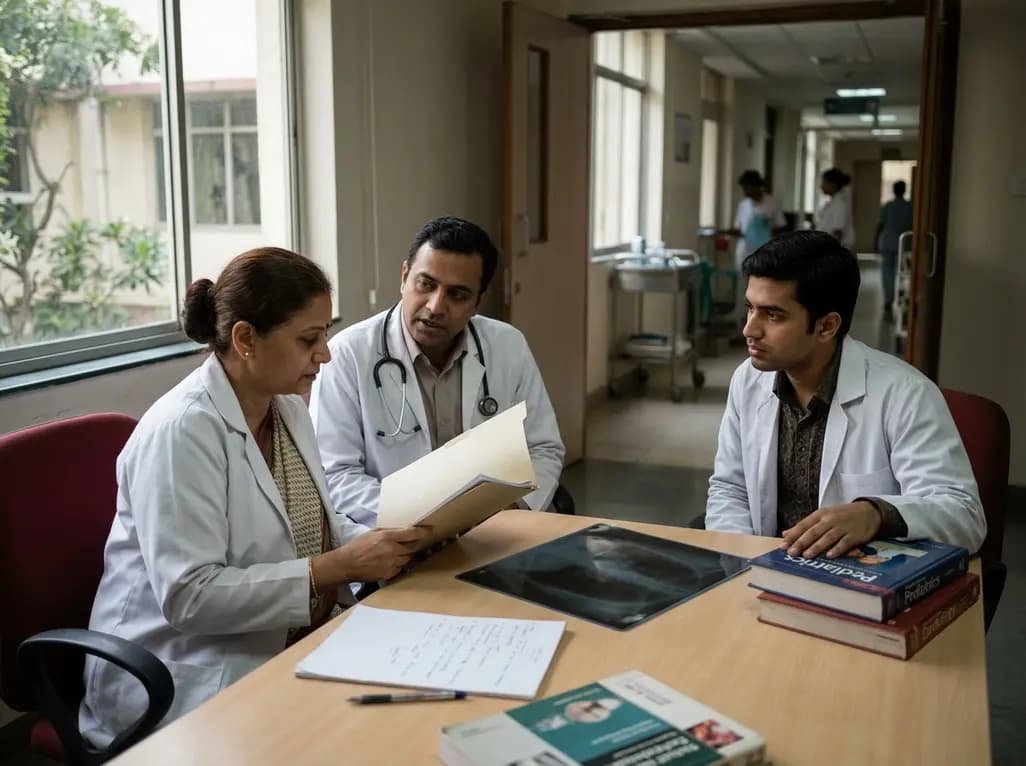
This article reviews the forensic and clinical complexities of acute myocarditis arising on left ventricular hypertrophy in children, highlighting early diagnostic red flags and multidisciplinary postmortem autopsy protocols.
Today
A randomized controlled trial demonstrates that an eight-week dual-task training intervention significantly improves static and dynamic postural control over standard balance exercises in individuals with chronic ankle instability, addressing critical neurocognitive deficits during athletic and daily activities.
Today

A retrospective cohort study of 7,716 ICU patients from the MIMIC-IV database demonstrates that Gradient Boosting Decision Trees significantly outperform traditional SOFA scores in predicting in-hospital mortality among patients with sepsis and diabetes, with SHAP analysis providing clinical interpretability.
Today
