

Loading, please wait...
Loading, please wait...

Adolescence and emerging adulthood represent critical developmental windows where major psychiatric conditions frequently surface. Consequently, clinicians encounter heterogeneous presentations that challenge conventional diagnostic boundaries. Understanding youth mental health trajectories allows clinicians to distinguish transient emotional distress from evolving full-threshold psychiatric disorders. A major prospective multi-centre study by Tonini and colleagues provides robust evidence regarding this diagnostic dilemma. Specifically, the researchers revealed that elevated psychomotor activation serves as a pivotal clinical discriminator. This vital marker forecasts poorer functional trajectories and heightened diagnostic severity over time.
Primary care physicians frequently manage youth experiencing acute psychological distress. However, traditional categorical diagnostic criteria often fail to capture subtle prodromal shifts. Therefore, clinicians require transdiagnostic frameworks to identify high-risk adolescents before irreversible deterioration occurs. In this landmark longitudinal investigation, investigators evaluated 802 help-seeking youth aged 12 to 25 years. Female patients comprised 66 percent of the cohort, reflecting typical help-seeking patterns in community mental health clinics. Furthermore, clinicians systematically assessed these individuals across 62 clinical items from six validated rating scales. These instruments evaluated depression, anxiety, sleep disturbances, somatic complaints, distress, restlessness, and motor activation. Additionally, researchers completed comprehensive 12-month reassessments for 417 participants to establish longitudinal diagnostic stability. The initial exploratory factor analysis distilled clinical complexity into seven distinct pathophysiological domains. Consequently, this granular psychometric profiling revealed that subjective distress alone does not explain longitudinal deterioration. Instead, the coexistence of psychomotor activation distinctly modifies illness evolution. Primary care practitioners must recognize that symptom overlap frequently obscures emerging bipolar spectrum disorders in this impressionable population.
To evaluate multidimensional presentations, researchers utilized advanced latent profile analysis. Notably, the statistical models established three distinct baseline phenotypes that remained psychometrically invariant over time. The first subgroup exhibited high distress alongside pronounced psychomotor activation, representing 32 percent of youth. Meanwhile, the second group presented with high distress without activation, comprising 31 percent of the cohort. Finally, the third group displayed moderate distress, accounting for 37 percent of baseline presentations. Interestingly, baseline age and biological sex did not influence group allocation. At the 12-month follow-up evaluation, a fourth distinct profile emerged, characterized by low distress. This remitted group represented 16 percent of evaluated patients. Furthermore, the analysis highlighted marked divergence between distressed groups based purely on activation levels. Patients with isolated distress demonstrated prominent depressive and anxious features without behavioral acceleration. In contrast, youth exhibiting high activation experienced racing thoughts, behavioral restlessness, and altered psychomotor drive. Therefore, clinicians must assess psychomotor energy separately from affective distress. Overlooking this vital dimension frequently leads to misclassifying agitated mood episodes as uncomplicated unipolar depression.
The study provides invaluable insight into the stability of youth psychiatric profiles over time. Specifically, 39 percent of patients retained their initial clinical profile at the 12-month follow-up assessment. In addition, 16 percent of young people shifted toward lower distress, showing spontaneous or treatment-associated improvement. Conversely, 13 percent transitioned into categories of higher distress and marked impairment. Most importantly, profile membership predicted functional impairment and diagnostic transitions. Youth classified in the high distress with high activation profile exhibited the poorest clinical outcomes. Furthermore, these individuals were significantly more likely to meet full diagnostic criteria for severe psychiatric disorders at follow-up. In contrast, youth experiencing high distress without activation exhibited lower rates of illness progression. Thus, the presence of psychomotor activation signals high risk for progression toward bipolarity or severe psychotic spectrum disorders. These prospective findings demonstrate that activation drives clinical deterioration rather than psychological distress alone. Consequently, clinicians should track activation symptoms rigorously to identify vulnerable patients requiring intensive monitoring.
In India, primary care practitioners and pediatricians serve as the initial contact for adolescents facing psychological challenges. However, high clinical caseloads often limit consultations to brief assessments focused solely on somatic or depressive symptoms. Consequently, physicians frequently prescribe selective serotonin reuptake inhibitors for undifferentiated depressive states. This common practice carries substantial clinical risk when unrecognized psychomotor activation exists. Antidepressant monotherapy in youth with activated distress can precipitate behavioral toxicity, severe agitation, or treatment-emergent affective switches. Therefore, Indian doctors must incorporate rapid screening for motor hyperactivity, racing thoughts, and sleep disturbance into routine consultations. Additionally, primary healthcare centers must adapt structured staging frameworks to improve psychiatric triage. Identifying psychomotor activation early enables clinicians to refer high-risk youth promptly to specialized psychiatric units. Furthermore, family physicians should actively educate parents regarding warning signs of psychomotor instability. Recognizing these red flags prevents delays in obtaining secondary care. As a result, early intervention strategies can avert irreversible educational, social, and vocational dysfunction in young Indian patients.
Modern psychiatric care increasingly adopts clinical staging frameworks to guide proportionate therapeutic choices. Under this paradigm, physicians match the intensity of interventions directly to the illness stage and phenotypic risk. For young individuals presenting with high distress without activation, first-line evidence-based psychotherapies remain the gold standard. For instance, cognitive behavioral therapy and structured supportive counseling provide substantial clinical benefit. In contrast, youth displaying high distress with prominent activation require comprehensive multidimensional management strategies. Clinicians must prioritize stabilizing disrupted circadian rhythms, establishing regular sleep hygiene, and minimizing environmental sensory overload. Moreover, pharmacological management in this activated subgroup warrants extreme caution. Doctors should avoid premature antidepressant monotherapy, considering mood-stabilizing agents or second-generation antipsychotics when clinical deterioration looms. Psychoeducation regarding substance avoidance is equally critical, as stimulant or cannabis misuse significantly amplifies psychomotor instability. Consequently, structured transdiagnostic monitoring allows clinicians to intervene before full-threshold bipolar or psychotic disorders fully crystalize. Routine assessment of activation transforms reactive crisis management into proactive, preventive healthcare.
Psychomotor activation encompasses accelerated speech, racing thoughts, motor restlessness, reduced need for sleep, and behavioral agitation. Unlike typical adolescent moodiness or isolated subjective distress, activation involves heightened neurovegetative energy and dysregulated psychomotor drive. Identifying these features helps clinicians detect early bipolar diatheses and distinguish mixed states from pure unipolar depression.
Psychomotor activation substantially worsens the longitudinal prognosis of young patients seeking mental health care. While pure distress often responds favorably to first-line supportive therapy, concurrent activation strongly predicts persistent functional impairment. Furthermore, activated youth have significantly higher risks of converting into full-threshold bipolar, psychotic, or severe recurrent mood disorders over time.
Indian primary care physicians should routinely screen distressed adolescents for psychomotor activation, motor restlessness, and reduced sleep requirements before initiating antidepressants. Additionally, clinicians must avoid unmonitored antidepressant monotherapy in activated youth. Instead, doctors should prioritize circadian rhythm stabilization, psychological support, and timely referral to specialist psychiatry services for comprehensive evaluation.
Disclaimer: This content is for informational and educational purposes only and should not be considered medical advice. Always consult a qualified healthcare provider for specific clinical management decisions. Refer to the latest local and national guidelines for clinical practice.
References

Read summarized clinical updates, watch expert medical content, and earn CME certifications right from your smartphone.
Open your smartphone camera to scan and install.





A 12-month longitudinal study reveals that psychomotor activation, rather than distress alone, differentiates illness trajectories in youth. Identifying activated distress early helps clinicians detect emerging bipolar spectrum disorders, avoid inappropriate antidepressant monotherapy, and improve psychiatric outcomes.
Today

A landmark study reveals that 20 minutes of moderate aerobic exercise shields episodic memory encoding as effectively as a 90-minute nap after 30 hours of sustained wakefulness, offering clinicians and shift workers a viable neuroprotective strategy against acute sleep loss.
Today
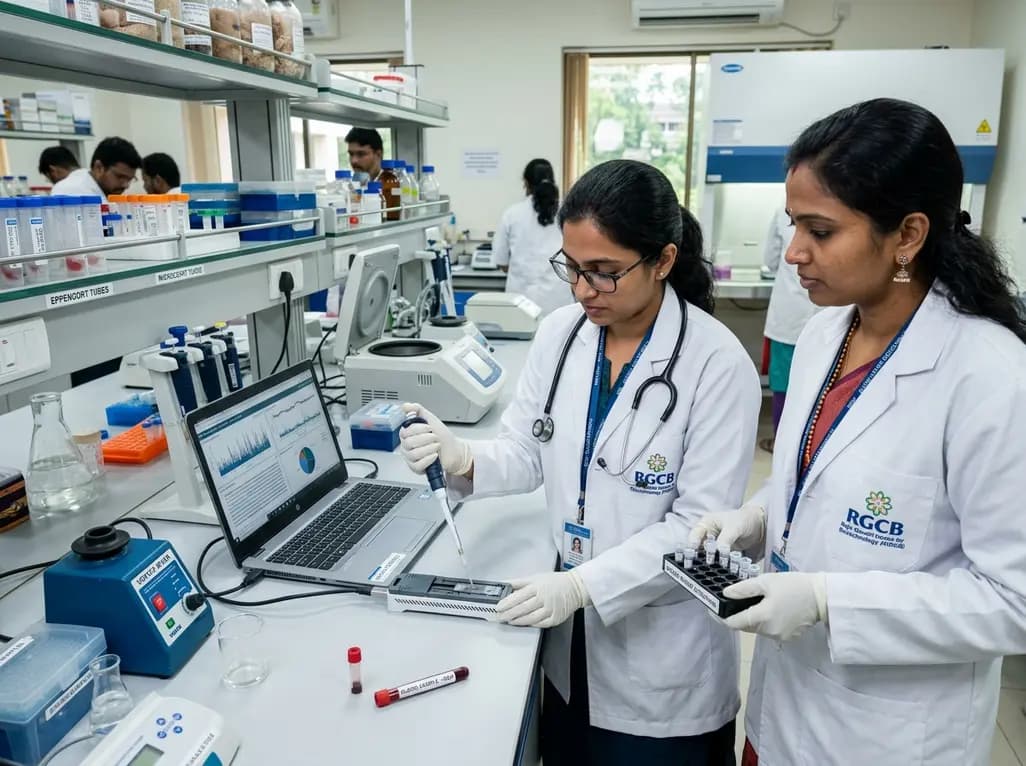
Biotechnology researchers in India are developing an automated liquid biopsy platform to detect cervical malignancy from blood samples. Supported by the MAHA MedTech Mission, this initiative applies nanopore sequencing and piRNA biomarker detection to eliminate invasive speculum exams and expand rural screening.
Today
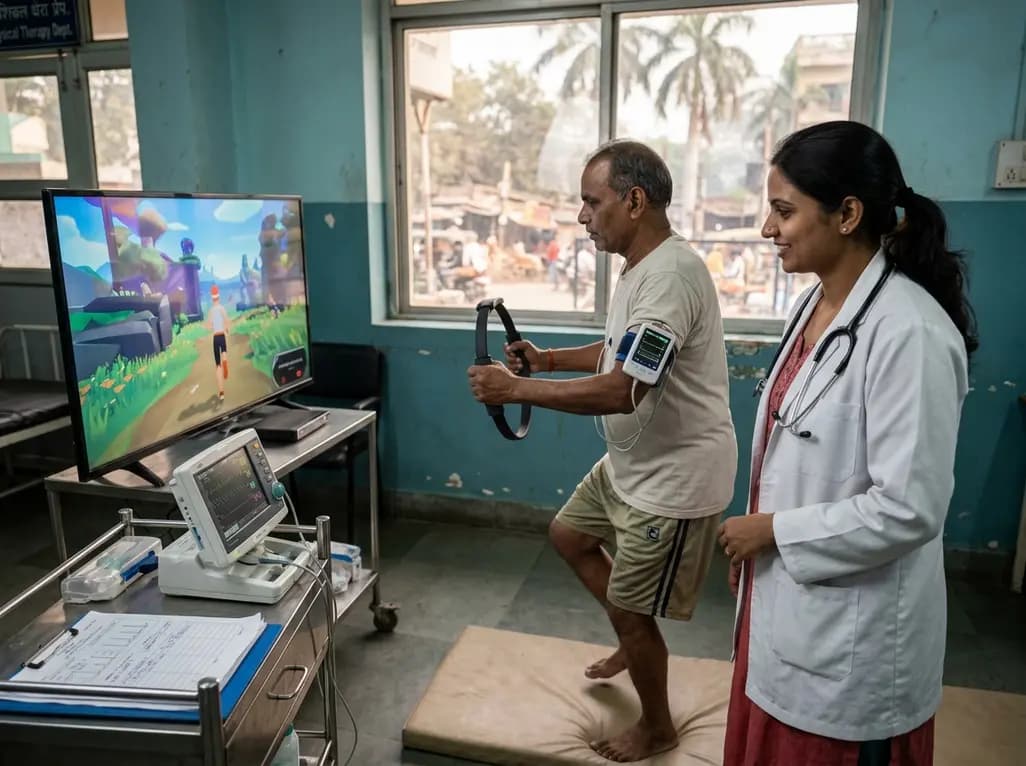
A clinical study evaluated Ring Fit Adventure in adults with chronic conditions, revealing that exergaming achieves moderate-to-vigorous exercise intensity while maintaining hemodynamic stability, high enjoyment, and zero adverse events.
Today

A retrospective cohort study reveals that selecting the touched vertebra as the lowest instrumented vertebra in thoracic adolescent idiopathic scoliosis yields a 20.8% distal add-on rate, driven by remnant motion segments and axial rotational discrepancies.
Today
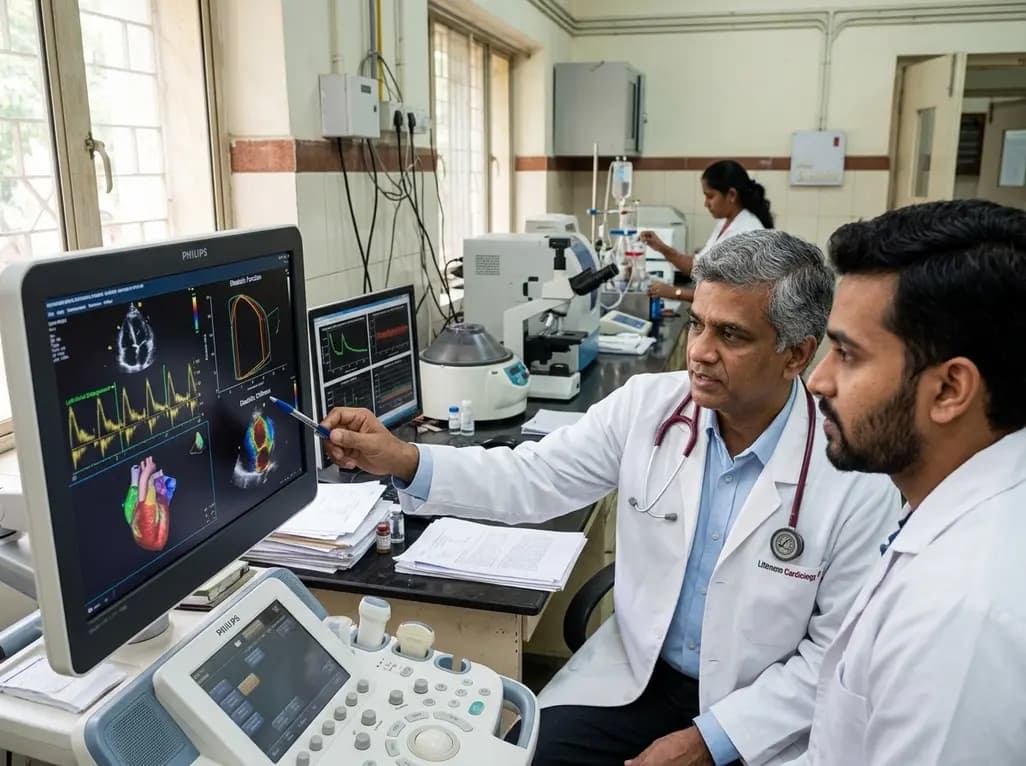
A study evaluates a cardiometabolic HFpEF model combining metabolic stress with chronic mineralocorticoid excess. The findings reveal profound diastolic stiffness, endothelial dysfunction, and pulmonary hypertension, illuminating key pathophysiological mechanisms for targeted cardiopulmonary therapies.
Today
