.webp&w=384&q=75)

Loading, please wait...
Loading, please wait...
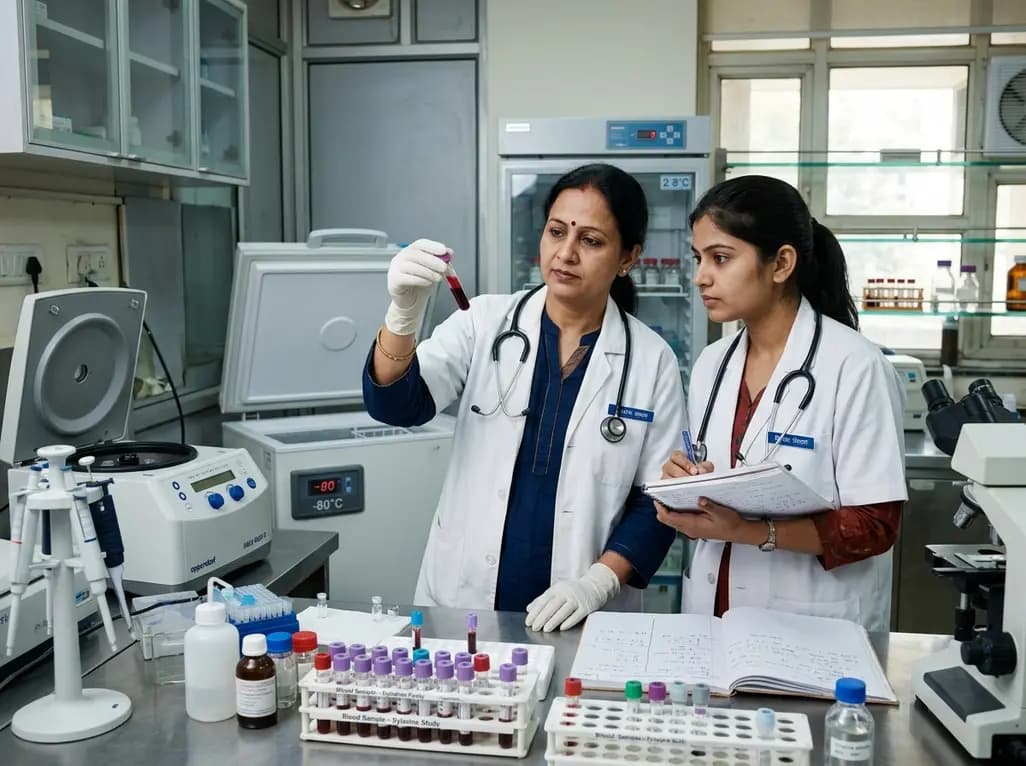
Forensic toxicology laboratories face evolving challenges as non-approved veterinary pharmaceuticals increasingly infiltrate illicit drug supplies worldwide. Specifically, the alpha-2 adrenergic receptor agonist xylazine has emerged as a hazardous adulterant in polydrug formulations, precipitating life-threatening central nervous system depression, respiratory arrest, and severe hemodynamic collapse. Accurate quantitative toxicological assessment requires an in-depth understanding of drug persistence in biological fluids over time. A landmark investigation recently evaluated xylazine stability in blood across diverse antemortem and postmortem matrices, uncovering critical parameters that govern specimen integrity under standard storage conditions.
Xylazine was originally synthesized as an antihypertensive agent, yet regulatory authorities never approved the compound for human medical use. Instead, veterinary medicine adopted the agent as a potent sedative, muscle relaxant, and analgesic for large animals. Over recent decades, illicit drug distributors began combining xylazine with synthetic opioids, such as fentanyl and heroin, to prolong the euphoric duration. Consequently, emergency departments and forensic pathologists encounter escalating cases of severe intoxication and unexplained fatalities linked to this unapproved substance.
Patients exposed to xylazine exhibit profound bradycardia, hypotension, hypothermia, and central nervous system depression. Standard opioid reversal agents like naloxone fail to reverse xylazine-induced alpha-2 receptor stimulation directly. Therefore, clinicians must deliver robust supportive therapy while laboratory teams initiate specialized toxicological testing. However, standard hospital immunoassay drug screens rarely identify xylazine. Forensic laboratories must employ advanced instrumental platforms, such as liquid chromatography-tandem mass spectrometry, to confirm its presence. Accurate analytical reporting depends heavily on whether specimens undergo degradation between collection and definitive testing. Without precise baseline data on analyte longevity, forensic toxicologists risk reporting false negatives or substantially underestimating drug concentrations in critical medicolegal proceedings.
To establish clear operational benchmarks, toxicologists conducted a rigorous assessment of xylazine stability in blood using preserved antemortem and postmortem specimens. The investigators prepared fortified biological samples at two distinct concentrations: a sub-therapeutic low level of 3 ng/mL and an elevated level of 160 ng/mL. Furthermore, the protocol subjected these specimens to three distinct thermal environments: ambient room temperature at 23°C, refrigerated storage between 2°C and 8°C, and frozen storage at -20°C.
Following controlled storage intervals, technicians extracted the samples using a validated protein precipitation procedure. They subsequently quantified drug levels using liquid chromatography-tandem mass spectrometry. The researchers predefined stability as a measured concentration remaining within ±20% of the initial Day 0 baseline. This empirical threshold aligns with standard forensic toxicology validation guidelines. By tracking individual pools over continuous timeframes, the study uncovered surprising degradation timelines that varied widely based on temperature, concentration, and matrix origin. In particular, ambient room temperature storage proved detrimental to analyte preservation across all matrices. Low-concentration samples degraded beyond acceptable recovery limits within just seven days, whereas higher-concentration samples became unstable by Day 10. Consequently, toxicology laboratories must strictly avoid unconditioned room-temperature storage during case handling.
Clinical toxicologists and emergency teams routinely collect antemortem whole blood from poisoned patients upon hospital admission. However, the study revealed unexpected instability profiles in antemortem blood that challenge traditional laboratory handling conventions. Most notably, antemortem specimens stored at -20°C experienced catastrophic analyte loss almost immediately. Both the 3 ng/mL and 160 ng/mL pools failed stability criteria by Day 3 of frozen storage. This rapid degradation highlights an acute vulnerability when technicians store clinical samples in conventional freezers before chromatographic analysis.
Conversely, antemortem blood demonstrated markedly better preservation when maintained in refrigerated conditions between 2°C and 8°C. At the low concentration of 3 ng/mL, the compound remained stable until Day 10 before showing significant recovery loss. At the higher concentration of 160 ng/mL, refrigerated antemortem samples retained analytical stability through Day 24. These findings demonstrate that drug concentration directly influences degradation kinetics in live-patient specimens. Higher concentrations withstand enzymatic and non-enzymatic degradation longer under chilled conditions. Nevertheless, because low-dose exposures can degrade in ten days, laboratories must prioritize rapid extraction. Medical centers should immediately refrigerate whole blood specimens rather than freezing them when investigating suspected acute xylazine poisoning.
Postmortem blood specimens exhibit distinct biochemical properties compared to antemortem samples due to cell lysis, putrefaction, and pH alterations. Interestingly, the investigation demonstrated that postmortem blood preserves xylazine substantially better under certain refrigeration conditions. When technicians stored preserved postmortem blood between 2°C and 8°C, xylazine remained stable through Day 29 at both 3 ng/mL and 160 ng/mL. This extended stability window provides forensic examiners with valuable flexibility during complex, multi-week death investigations.
In contrast, frozen storage at -20°C generated mixed, concentration-dependent stability profiles in postmortem blood. At the low concentration of 3 ng/mL, postmortem blood maintained acceptable recovery until Day 21. However, at the elevated concentration of 160 ng/mL, postmortem blood became unstable by Day 10. While this freezing performance exceeds the catastrophic three-day degradation observed in antemortem samples, it still reveals substantial analytical variability. Forensic scientists must avoid assuming that frozen conditions inherently halt chemical degradation in biological matrices. Chemical interactions, matrix degradation products, and ice crystal formation may accelerate analyte transformation. Consequently, forensic pathologists and toxicologists must interpret postmortem blood concentrations with caution when laboratories encounter delays between sample autopsy and definitive toxicological quantification.
The observed stability dynamics provide vital guidance for clinical toxicologists, emergency physicians, and forensic specialists managing suspected drug overdoses. Clinicians in acute care settings must recognize that delays in sample transport or inappropriate storage can distort quantitative drug findings. If personnel store antemortem blood at room temperature or in standard -20°C freezers, measured xylazine concentrations may fall well below the true circulating levels at admission. Therefore, hospital protocols should mandate immediate refrigeration at 2°C to 8°C for all toxicological blood draws.
Moreover, hospital laboratories must accelerate referral workflows to accredited reference centers equipped with liquid chromatography-tandem mass spectrometry. Because low concentrations degrade within ten days even under refrigeration, prompt processing remains imperative for accurate diagnostic confirmation. In medicolegal contexts, forensic toxicologists must carefully scrutinize the chain of custody and thermal logs before interpreting xylazine concentrations in fatal overdose cases. Apparent low concentrations might simply reflect post-collection degradation rather than an incidental, non-fatal exposure. Ultimately, integrating these empirical stability insights into standard operating procedures safeguards analytical accuracy, enhances clinical diagnosis, and supports robust judicial conclusions in fatal poisonings.
Freezing antemortem blood samples at -20°C triggers rapid analyte degradation. Specifically, the study revealed that xylazine concentrations dropped beyond the acceptable twenty percent threshold by Day 3 in both low and high concentration pools. Consequently, routine frozen storage may inadvertently compromise clinical and medicolegal validity. Laboratory staff should avoid standard freezer storage for fresh antemortem specimens. Instead, they must prioritize refrigerated handling or immediate quantitative analysis to preserve accurate drug measurements.
Refrigerated storage between 2°C and 8°C offers substantially greater stability than room temperature for both biological matrices. However, postmortem blood preserved xylazine stability longer than antemortem blood during refrigeration. Postmortem specimens maintained stable levels for twenty-nine days across both concentrations. In contrast, antemortem samples degraded faster, failing stability criteria by Day 10 at 3 ng/mL and Day 24 at 160 ng/mL. Therefore, analysts must account for matrix differences during prolonged investigations.
Xylazine acts as a potent central alpha-2 adrenergic agonist, causing severe central nervous system and respiratory depression. Patients frequently present with profound bradycardia, hypotension, hypothermia, and prolonged coma. Because xylazine is a non-opioid veterinary sedative, naloxone cannot fully reverse its pharmacological effects, although it treats co-ingested opioids. Clinicians must promptly secure the airway, provide intensive supportive ventilation, and manage hemodynamic instability, while forensic toxicology tests confirm the underlying diagnosis.
Disclaimer: This content is for informational and educational purposes only and does not constitute medical advice, diagnosis, or treatment. Healthcare professionals should exercise their independent clinical judgment when interpreting research findings. Always refer to the latest local and national guidelines for clinical practice.
References

Read summarized clinical updates, watch expert medical content, and earn CME certifications right from your smartphone.
Open your smartphone camera to scan and install.





A study evaluates xylazine stability in antemortem and postmortem blood across room, refrigerated, and frozen temperatures, revealing critical degradation timelines for forensic and clinical toxicology.
Today

A EUSTAR database study of 614 systemic sclerosis patients with precapillary pulmonary hypertension found oral anticoagulants provided no survival benefit or delay in pulmonary hypertension worsening, even after propensity score matching, questioning routine empiric anticoagulation.
Today

A cross-sectional study of 700 college students highlights significant contraceptive knowledge disparities between sexually active and inactive young adults. The findings demonstrate a critical need for proactive, comprehensive sexual health counseling before sexual debut.
Today

A landmark nationwide cohort study reveals that older adults with dementia who undergo cardiac catheterization for STEMI spend meaningful time alive at home, particularly community-dwelling individuals. Cognitive impairment alone should not preclude acute invasive revascularization.
Today

A novel cluster analysis of real-world datasets reveals four distinct CPPD disease phenotypes, validating existing EULAR categories while uncovering previously unrecognized monoarticular and axial presentations to refine patient management.
Today
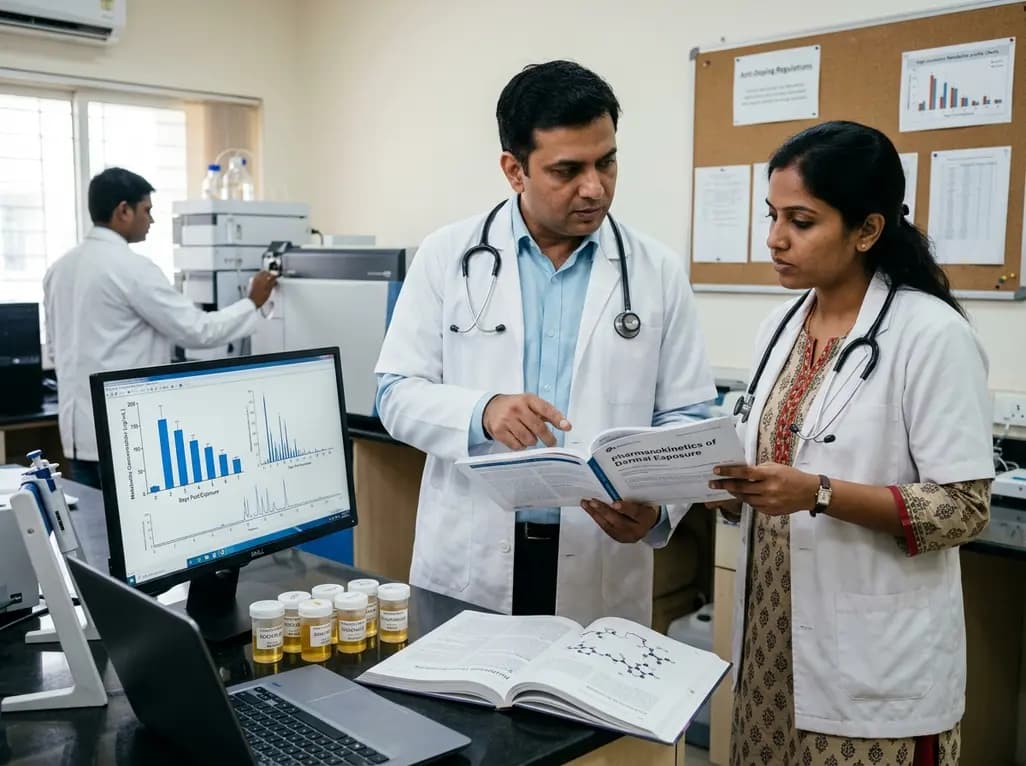
Recent pharmacokinetic research demonstrates that trace dermal exposure to microgram quantities of trenbolone and metenolone produces detectable urinary metabolites for days to over a week, providing critical objective data for evaluating unintentional contamination claims in sports drug testing.
Today
