.webp&w=384&q=75)

Loading, please wait...
Loading, please wait...
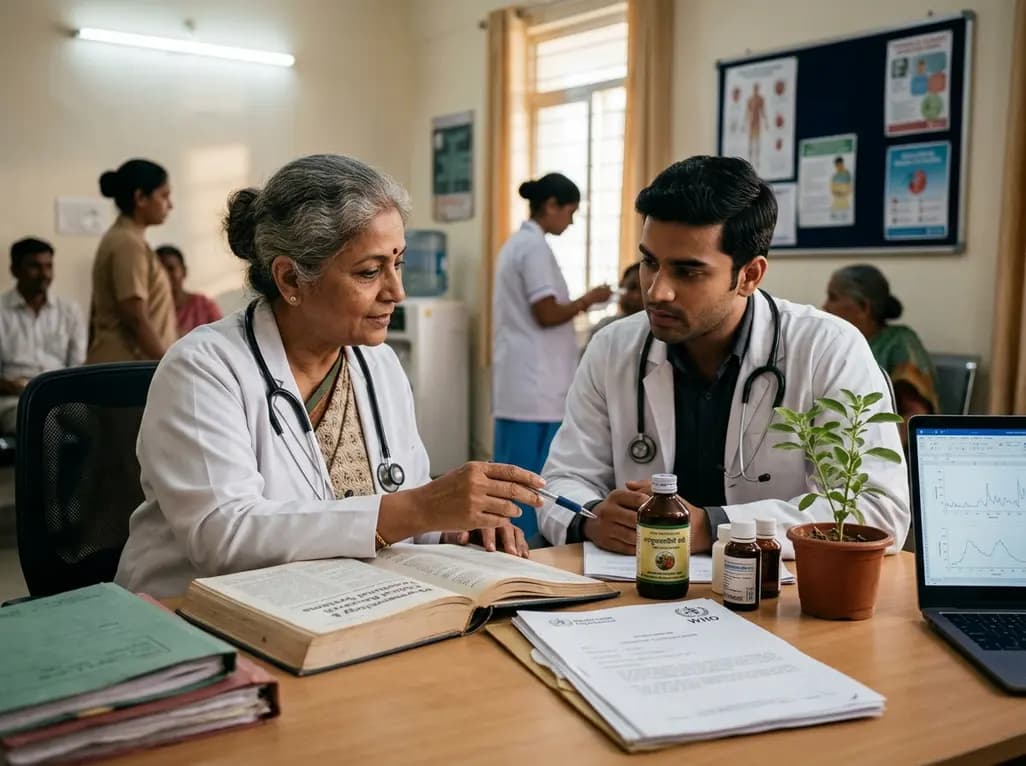
The World Health Organization has officially released a comprehensive ten-year roadmap to guide scientific inquiry into complementary therapies. The new traditional medicine research agenda establishes clear priorities to address severe global health challenges between 2025 and 2034. Globally, up to 80% of people use traditional practices for primary care. However, less than 1% of global health research funding supports this domain. Consequently, a massive evidence gap persists across everyday clinical practices worldwide. This ambitious framework therefore directs scientific attention toward noncommunicable diseases and evidence-based clinical validation. Ultimately, the global health agency aims to distinguish safe, clinically proven interventions from ineffective or hazardous remedies.
Historically, health research grants have rarely matched actual disease burdens in complementary medicine. The new roadmap highlights this critical imbalance across multiple high-priority clinical conditions. For instance, stroke ranks as the third leading cause of mortality and disability worldwide. Yet, less than 1% of traditional medicine grants currently evaluate stroke interventions. Similarly, mental health disorders rank eighth among contributors to disability-adjusted life years. Despite this staggering statistic, researchers have launched very few formal grant programs for psychiatric conditions. Chronic musculoskeletal disorders also inflict immense suffering, yet they remain systematically under-researched. Therefore, the strategic agenda urges funding bodies to reorient their capital toward these high-burden illnesses. In addition, global agencies must establish rigorous benchmarks to evaluate chronic pain, metabolic syndromes, and endocrine disorders. Type 2 diabetes, in particular, requires robust, multi-center trials to measure long-term glycemic control and vascular outcomes. Furthermore, maternal health, childbirth, and healthy ageing demand standardized investigative protocols. By realigning grant priorities, the scientific community can generate meaningful clinical data. Consequently, healthcare providers will soon obtain verifiable evidence to manage complex conditions that affect millions of patients.
Stroke remains a devastating neurological event that leaves millions of survivors with enduring functional impairments. Although conventional thrombolysis and mechanical thrombectomy excel in acute stabilization, long-term neurorehabilitation remains challenging. Therefore, patients frequently turn to traditional modalities, including herbal neuroprotective compounds and acupuncture, during their recovery phase. However, high-quality clinical evidence supporting these adjunct treatments remains scarce. The new global initiative directly addresses this deficit by promoting randomized controlled trials in post-stroke care. Specifically, investigators must evaluate motor recovery, spasticity reduction, and cognitive restoration using validated neurological rating scales. Moreover, researchers need to explore molecular mechanisms, including anti-inflammatory pathways and synaptic plasticity modulation. In addition, neuroscientists must verify whether specific traditional formulations prevent secondary ischemic recurrence. Standardized neuroimaging studies can provide objective endpoints to measure cerebral perfusion and structural remodeling. Thus, future studies will help separate anecdotal claims from genuinely effective neurotherapeutic adjuncts. Furthermore, rigorous trials will establish precise therapeutic windows and dosages for stroke patients. Additionally, clinicians must monitor hemodynamic stability and coagulation parameters during these trials. Collaborative efforts between conventional neurologists and integrative specialists will protect patient safety throughout every phase. Consequently, future integrative stroke protocols will reflect verifiable scientific rigor rather than historical assumptions.
Cancer incidence continues to escalate globally, placing an unprecedented burden on conventional oncology systems. In response, many oncologists recognize that patients actively explore complementary therapies to manage debilitating treatment side effects. The newly released roadmap specifically prioritizes integrative oncology and supportive palliative care. Importantly, the framework clarifies that traditional therapies must not replace established curative treatments such as chemotherapy, immunotherapy, or radiation. Instead, research should concentrate on mitigating severe treatment toxicities and enhancing overall quality of life. For example, trials must examine whether herbal remedies or mind-body interventions alleviate chemotherapy-induced peripheral neuropathy. Similarly, researchers need to assess adjunctive treatments for persistent cancer-related fatigue, anticipatory nausea, and chronic pain syndromes. Palliative care research also demands rigorous evaluation, especially regarding symptom control in terminal illness. Furthermore, investigators must design prospective studies measuring sleep quality, psychological resilience, and nutritional status among cancer survivors. In addition, oncology teams require transparent evidence regarding whether natural compounds interfere with antineoplastic medications. By establishing clear investigative standards, oncologists can guide patients toward safe supportive options while discouraging unproven remedies. Thus, evidence-based integrative oncology can provide meaningful symptom relief within multidisciplinary cancer care.
Patient safety constitutes the central pillar of the newly structured global framework. Because many consumers mistakenly equate natural origin with complete safety, adverse events frequently go unreported. Therefore, focusing the traditional medicine research agenda on pharmacovigilance remains vital for safeguarding public health. Specifically, investigators must identify pharmacokinetic and pharmacodynamic herb-drug interactions. Many popular herbal formulations alter cytochrome P450 enzymes and P-glycoprotein transport mechanisms. Consequently, these products can dangerously modify the serum concentration of conventional pharmaceuticals. For instance, concurrent intake of certain botanicals can compromise anticoagulants, antidiabetic drugs, and immunosuppressants. Additionally, the research roadmap emphasizes strict quality assurance and manufacturing standards across traditional supply chains. Scientists must evaluate raw material authentication, pesticide residues, microbial bioburden, and heavy metal contamination. Moreover, regulatory agencies must establish active post-marketing surveillance registries to document adverse reactions systematically. Clinicians also require clear reporting channels to flag unexpected toxicities encountered in clinical practice. Ultimately, establishing robust safety profiles will protect vulnerable patients from preventable harm. Through rigorous toxicology and pharmacovigilance, medical professionals can evaluate traditional compounds with the same scientific scrutiny applied to synthetic pharmaceuticals.
Generating clinical data represents only the initial step toward effective healthcare reform. Ultimately, health systems must translate scientific discoveries into primary care delivery and clear public health policies. The international framework provides explicit guidance to help governments evaluate regulatory, financial, and organizational mechanisms. For example, health authorities must determine whether national insurance schemes should cover validated complementary therapies. Furthermore, policymakers need standardized educational curricula to ensure traditional practitioners possess adequate diagnostic competencies. In India, the Ministry of Ayush provided financial support for developing this global roadmap. Moreover, Indian health authorities actively participated in the Second WHO Global Summit on Traditional Medicine in New Delhi. The nation continues to build collaborative models that connect modern medical facilities with traditional treatment centers. However, seamless integration requires clear cross-referral pathways and shared electronic health records. Allopathic physicians and AYUSH doctors must communicate transparently to prevent redundant testing and hazardous drug combinations. In addition, researchers must utilize digital health technologies and real-world evidence to track long-term community health outcomes. By embedding validated traditional interventions into primary care, health systems can expand universal health coverage. Thus, scientific integration can deliver holistic, patient-centered care without compromising safety standards.
Q1: Is the WHO research agenda a clinical treatment guideline for doctors?
No, the agenda is not a clinical treatment guideline or a blanket endorsement of any therapy. Instead, it serves as a global research-prioritization framework. It defines critical evidence gaps across major conditions like stroke, oncology, and mental health. The primary objective is guiding research institutions and governments to conduct rigorous clinical trials. Consequently, healthcare providers must continue relying on established evidence-based clinical guidelines until robust trial data confirms efficacy.
Q2: Why does the new framework place heavy emphasis on herb-drug interactions?
The framework prioritizes herb-drug interactions because millions of patients consume herbal remedies alongside conventional prescription medications. Many bioactive botanical compounds alter cytochrome P450 enzymes or renal excretion pathways. Consequently, these interactions can unpredictably alter blood concentrations of vital therapies, including anticoagulants, antidiabetic drugs, and chemotherapeutic agents. Identifying these interactions through standardized pharmacology research allows clinicians to prevent severe adverse events, adjust dosing safely, and protect patient health.
Q3: How does this initiative influence healthcare practice and policy in India?
India plays an influential role in this roadmap through financial and technical collaboration via the Ministry of Ayush. The agenda supports India’s national strategy to integrate AYUSH systems into primary healthcare. However, the framework demands rigorous scientific validation, quality assurance, and pharmacovigilance. Therefore, Indian clinicians will see more structured clinical trials, standardized extract manufacturing, and clearer inter-professional referral guidelines between allopathic physicians and AYUSH practitioners in coming years.
Disclaimer: This content is for informational and educational purposes only. It does not constitute medical advice or replace professional judgment. Refer to the latest local and national guidelines for clinical practice.
References

Read summarized clinical updates, watch expert medical content, and earn CME certifications right from your smartphone.
Open your smartphone camera to scan and install.





The World Health Organization has launched a 10-year framework to address evidence gaps in traditional, complementary, and integrative medicine. Prioritizing conditions such as stroke, cancer, and depression, this global roadmap highlights rigorous clinical trials, pharmacovigilance, and safer patient care.
Today
A recent longitudinal study evaluated the link between prenatal loss of control eating and cardiovascular health using Life's Essential 8 frameworks. While direct associations across pregnancy were non-significant, the high prevalence of dysregulated eating highlights critical implications for obstetric practice.
Today

Explore modern perioperative management protocols for clinical xenotransplantation. Learn how costimulation blockade, anti-inflammatory perfusion, and coagulopathy rescue overcome interspecies hurdles.
Today
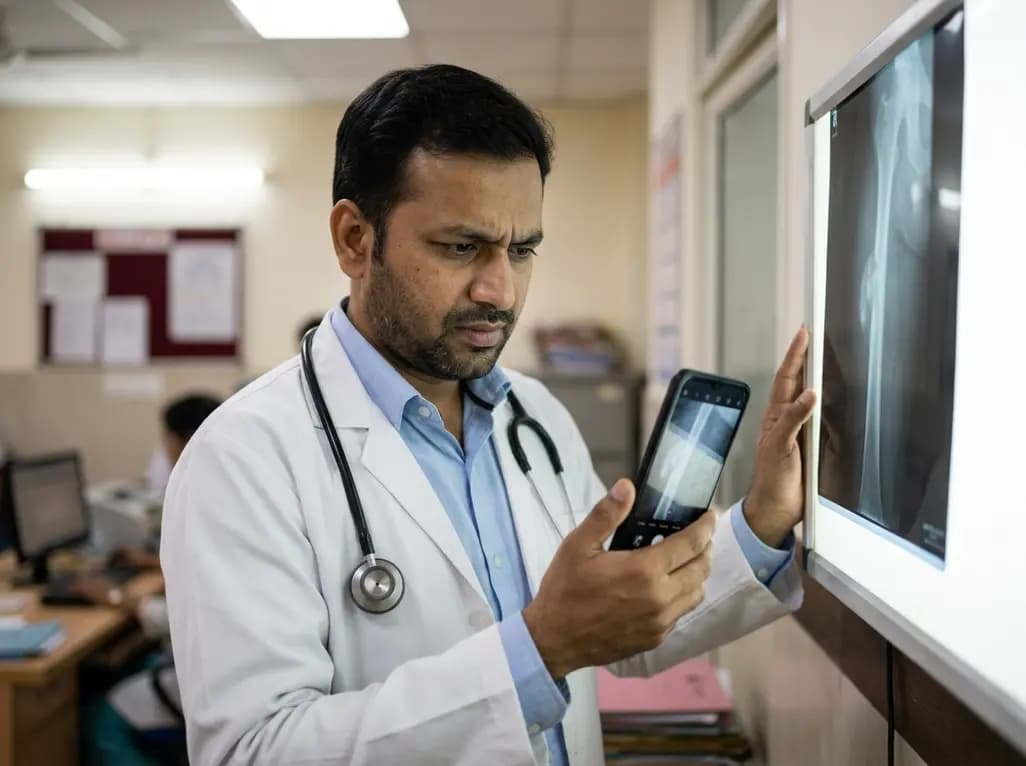
A retrospective study evaluating a locally deployed vision language model (Qwen3-VL) reveals that smartphone-captured radiographs and retrieval-augmented generation can paradoxically reduce diagnostic accuracy in bone tumor referrals due to optical noise and textual hallucinations.
Today
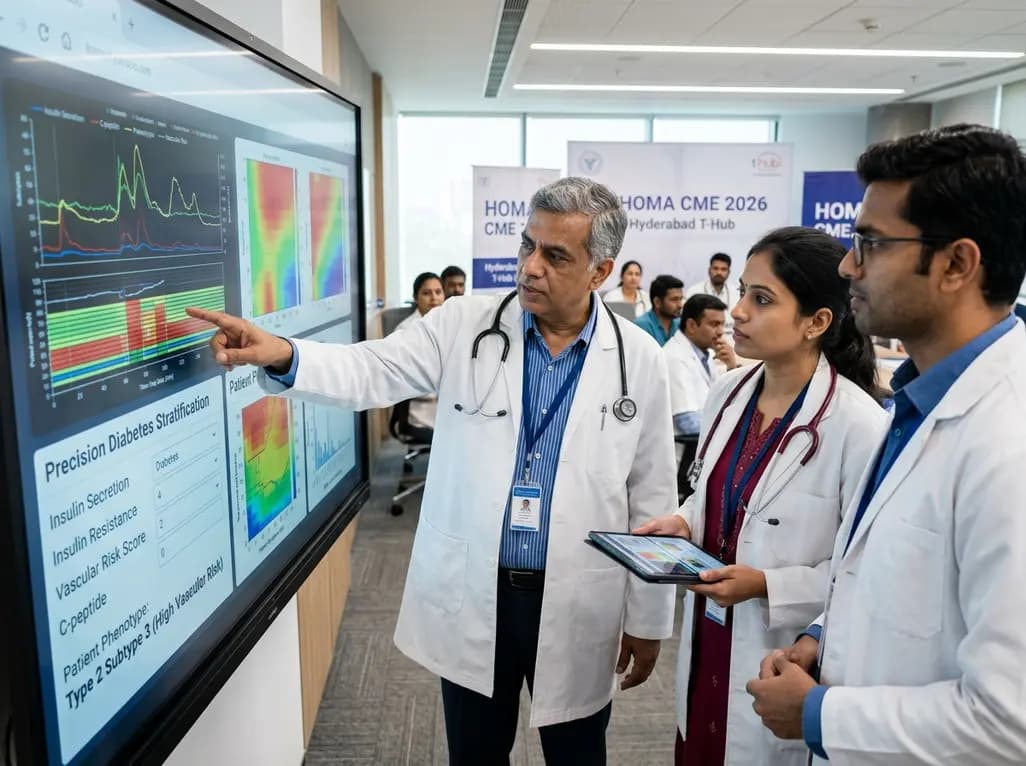
At Homa CME 2026 at Hyderabad's T-Hub, healthcare leaders emphasized moving beyond routine metrics through digital calculators and precision stratification. Discover why characterizing individual insulin secretion, resistance patterns, and vascular risks transforms chronic metabolic care in India.
Today
