.webp&w=384&q=75)

Loading, please wait...
Loading, please wait...
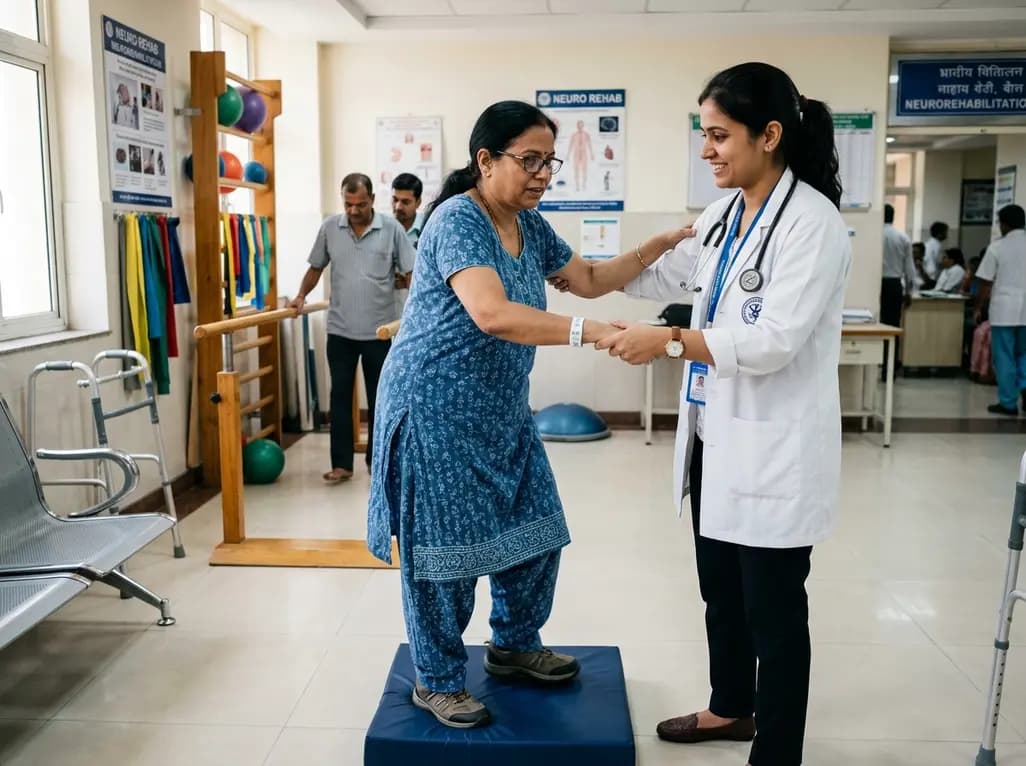
Multiple sclerosis presents diverse neurological challenges that impair functional independence. Among these, postural instability, persistent dizziness, and compromised eye-head coordination remain exceptionally disabling. Consequently, targeted non-pharmacological therapies are essential for comprehensive care. Recent high-level evidence confirms that vestibular rehabilitation delivers meaningful functional benefits for individuals living with this chronic demyelinating disease. By strengthening central integration and sensorimotor pathways, specific training regimens help restore stability and reduce disabling vestibular symptoms across diverse patient populations.
Demyelinating plaques within the brainstem, cerebellum, and vestibular pathways disrupt sensory integration. Consequently, affected individuals frequently experience impaired vestibulo-ocular and vestibulo-spinal reflexes. These physiological disruptions lead to oscillopsia, gait ataxia, and persistent balance deficits during daily tasks. Standard exercise programs often fail to challenge these specific neural circuits adequately. In contrast, vestibular rehabilitation utilizes tailored head, eye, and torso movements to stimulate neural plasticity. Clinicians prescribe targeted gaze stabilization and habituation exercises to accelerate central compensation. Furthermore, progressive balance training on varying surfaces encourages sensory re-weighting. Through repeated vestibular and visual challenges, patients adapt to underlying neural deficits. Therefore, structured rehabilitation directly addresses the core mechanisms that destabilize postural control in multiple sclerosis.
A recent comprehensive systematic review and meta-analysis pooled data from 13 randomized controlled trials encompassing 454 participants. The aggregated results demonstrated substantial therapeutic gains across several critical physical metrics. Compared to control interventions, active vestibular exercises produced a large, statistically significant improvement in overall balance performance. Additionally, patients exhibited marked increases in gait velocity and functional walking endurance. These positive mobility outcomes highlight the capacity of targeted training to restore safe ambulation. By enhancing dynamic equilibrium during movement, the therapy effectively mitigates fall risks in ambulatory individuals. However, the analysis found no statistically significant difference between groups regarding transfer ability. Nevertheless, the measurable gains in walking speed and endurance underscore the distinct motor value of vestibular protocols over routine care.
Beyond dynamic motor performance, vestibular interventions yield valuable improvements in debilitating non-motor and subjective symptoms. Dizziness scores decreased significantly in the intervention cohorts compared to control groups receiving conventional care. Similarly, patients reported notable reductions in severe disease-related fatigue following consistent vestibular training. Because vestibular processing requires intense cognitive and physical effort, resolving sensory mismatches substantially reduces daily central exhaustion. Furthermore, the meta-analysis observed significant reductions in depressive symptom scores among participants completing vestibular regimens. Restoring physical equilibrium and reducing dizziness directly alleviates emotional distress and psychological burden. Even though subjective balance self-efficacy and overall quality of life scores did not demonstrate statistically significant between-group divergence, the symptom relief remains clinically meaningful.
Clinicians managing multiple sclerosis should actively incorporate vestibular assessments into routine neurorehabilitation workflows. Effective therapeutic programs typically combine gaze stability exercises, dynamic balance retraining, and habituation drills. Initially, therapists prescribe smooth pursuit and saccadic eye exercises in seated positions to build tolerance. Subsequently, clinicians advance patients to dynamic stepping and tandem walking while performing active head turns. Therapists must carefully tailor exercise intensity to prevent triggering transient symptom exacerbations or overwhelming fatigue. Supervised clinic sessions paired with structured home exercise plans maximize therapeutic compliance and long-term motor learning. Multidisciplinary collaboration among neurologists, physical therapists, and primary care physicians ensures safe, individualized progression. Therefore, proactive referral for specialized vestibular training should become a standard component of comprehensive symptom management.
Although these pooled findings support vestibular therapy, clinicians must interpret the results within the context of study limitations. The certainty of the current evidence remains generally low to very low across evaluated outcomes. Small sample sizes, protocol variability, and diverse outcome measures introduce considerable methodological heterogeneity. Furthermore, follow-up durations across available trials were relatively brief, leaving the long-term sustainability of benefits uncertain. Future research must prioritize large, multi-center randomized trials with standardized intervention durations and homogeneous clinical cohorts. Investigators should also evaluate whether customized digital or virtual reality platforms can enhance treatment delivery. Addressing these knowledge gaps will help establish optimal dosage, timing, and patient selection criteria for clinical guidelines worldwide.
Vestibular rehabilitation is an exercise-based therapeutic program designed to promote central nervous system compensation. It utilizes specialized head, eye, and body movements to improve gaze stability, dynamic balance, and postural control in patients experiencing vertigo, imbalance, and coordination deficits caused by central demyelinating lesions.
Sensory mismatch and impaired vestibular reflexes force the central nervous system to exert extra cognitive and physical effort during daily tasks. By restoring sensory integration and reducing dizziness, vestibular exercises decrease central processing strain, which effectively alleviates chronic physical and cognitive fatigue in affected individuals.
Clinicians should refer patients presenting with dizziness, unsteady gait, visual motion sensitivity, or recurrent falls. Introducing structured vestibular training during stable disease phases helps maximize motor recovery, prevents deconditioning, and supports long-term mobility before severe balance impairments lead to major functional disability.
Disclaimer: This content is for informational and educational purposes only and does not constitute medical advice. Refer to the latest local and national guidelines for clinical practice.
References
Peng HH et al. Effectiveness of vestibular rehabilitation in patients with multiple sclerosis: a systematic review and meta-analysis of randomized controlled trials. J Neurol. 2026 Aug 27. doi: 10.1007/s00415-026-14082-8. PMID: 42658257.
García-Muñoz C, Cortés-Vega MD, Heredia-Rizo AM, Martín-Valero R, García-Bernal MI, Casuso-Holgado MJ. Effectiveness of Vestibular Training for Balance and Dizziness Rehabilitation in People with Multiple Sclerosis: A Systematic Review and Meta-Analysis. J Clin Med. 2020;9(2):590.
Paltamaa J, Sjögren T, Peurala SH, Heinonen A. Effects of physiotherapy interventions on balance in multiple sclerosis: A systematic review and meta-analysis of randomized controlled trials. J Rehabil Med. 2012;44(10):811-823.

Read summarized clinical updates, watch expert medical content, and earn CME certifications right from your smartphone.
Open your smartphone camera to scan and install.





A systematic review and meta-analysis reveals that vestibular rehabilitation significantly enhances balance, walking endurance, gait speed, and reduces fatigue and depression in patients with multiple sclerosis, offering a vital non-pharmacological strategy for clinical neurorehabilitation.
4 weeks back

Chronic eosinophilic pneumonia can present with atypical bronchoalveolar lavage findings and an organizing pneumonia pattern, necessitating surgical lung biopsy.
Today

Discover the crucial distinctions between mesonephric and mesonephric-like proliferations of the female genital tract. Learn the key histomorphologic, immunohistochemical, and molecular differences essential for accurate diagnosis and clinical management.
Today
Kikuchi-Fujimoto disease rarely presents with refractory shock and sinus bradycardia in children. This case report highlights life-threatening hemodynamic instability requiring intensive care, preserved cardiac contractility, and the critical diagnostic role of early excisional lymph node biopsy.
Today
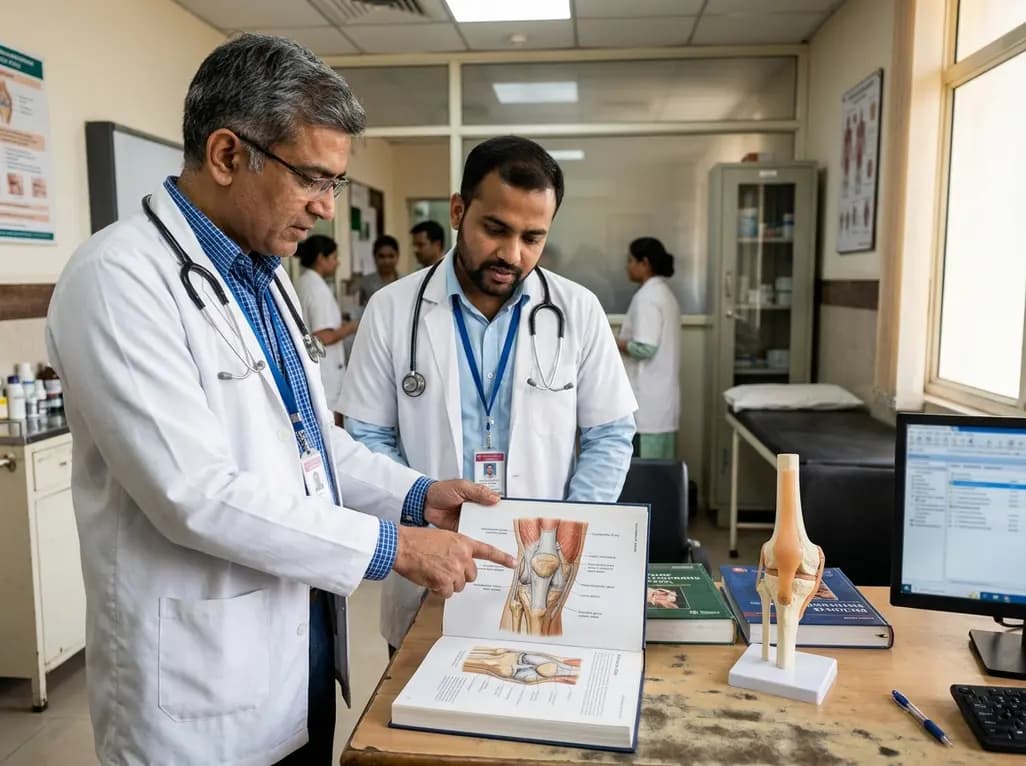
A narrative review investigates whether the articularis genus muscle functions as an independent anatomical entity or blends with the vastus intermedius. We evaluate its morphology, role in retracting the suprapatellar bursa, and direct clinical significance in anterior knee pain and arthroplasty.
Today

A Bayesian multilevel meta-analysis reveals that aerobic training combined with moderate carbohydrate restriction modestly lowers HbA1c in type 2 diabetes. However, sparse data and very low certainty leave incremental benefits over exercise or diet alone unproven, highlighting the need for individualized care.
Today
