.webp&w=384&q=75)

Loading, please wait...
Loading, please wait...
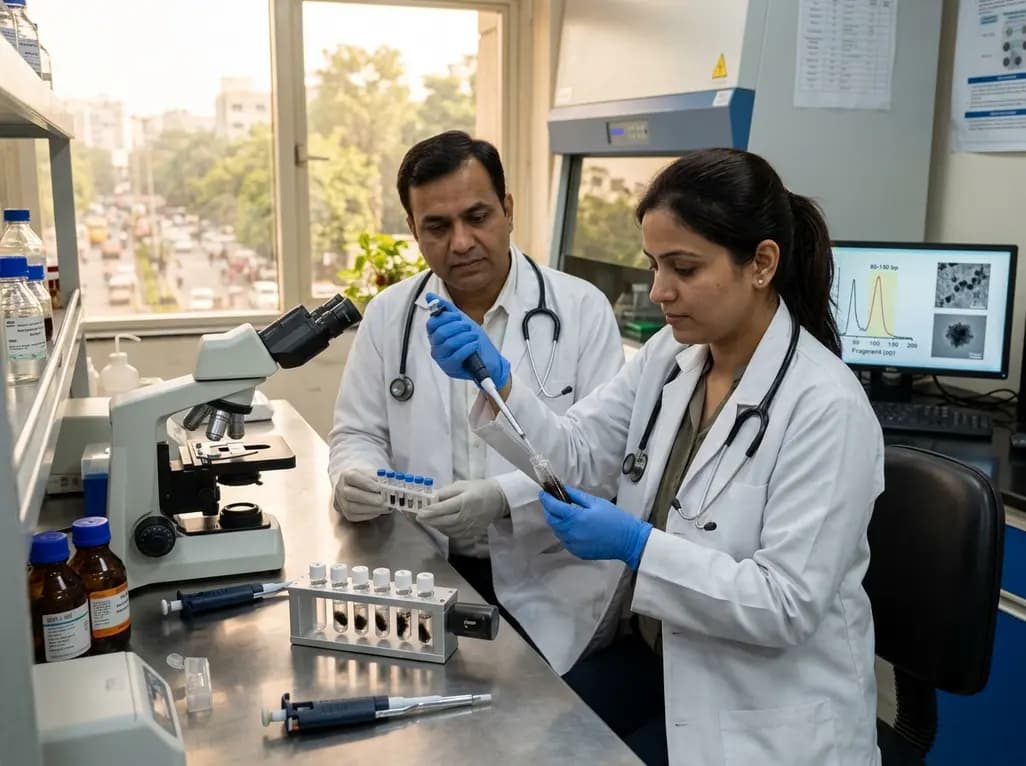
Non-invasive diagnostic modalities are reshaping modern clinical oncology and precision medicine. Among these tools, urinary cfDNA liquid biopsy offers a truly patient-friendly method for tracking genomic alterations without venipuncture or surgical interventions. However, isolating cell-free DNA from urine presents significant biochemical hurdles. Urinary DNA is exceptionally dilute, prone to rapid degradation, and heavily fragmented. Recently, bioengineers engineered an innovative extraction platform utilizing nature-inspired magnetic nanoparticles. Consequently, this breakthrough significantly simplifies pre-analytical isolation and dramatically enhances the recovery of ultra-short genetic biomarkers.
Urinary biomarkers provide remarkable clinical windows into both systemic malignancies and localized genitourinary pathologies. For instance, circulating fragments from bladder tumors, renal carcinomas, and trans-renal systemic cancers pass directly into urine. Nevertheless, conventional extraction platforms frequently discard or destroy these elusive molecules. Standard silica column kits rely on chaotic centrifugal forces and toxic organic solvents. Furthermore, commercial spin columns primarily target high-molecular-weight genomic material above two hundred base pairs. Because enzymes aggressively degrade trans-renal fragments into short chains, standard kits lose the vast majority of critical tumor signatures. In addition, urine exhibits tremendous physiological variability in pH, ionic strength, and solute concentration across patient populations. Therefore, laboratory scientists frequently struggle to achieve reproducible pre-analytical yields. This variability creates false-negative diagnostic outcomes in real-world clinical testing. Consequently, clinicians require robust, standardized extraction methodologies to overcome these intrinsic biological barriers in everyday diagnostics.
To resolve these persistent extraction challenges, scientists turned to biomimetic surface chemistry. Specifically, researchers synthesized iron oxide nanoparticles using an efficient coprecipitation method. They functionalized the nanoparticle surfaces with histidine and guanidine chemical moieties. These natural amino acid derivatives mimic the high-affinity DNA-binding domains found within cellular histones. At physiological and mildly acidic pH, guanidinium and imidazolium groups display strong positive electrostatic charges. Consequently, these functionalized surfaces rapidly attract the negatively charged phosphate backbone of circulating nucleic acids. Moreover, histidine provides unique buffering capability and coordinate binding behavior. This dual-functional architecture allows the magnetic beads to operate effectively in raw, unprocessed urine samples. As a result, the extraction process bypasses tedious centrifugation and aggressive chemical lysis. The magnetic core enables instantaneous phase separation using simple external benchtop magnets. Ultimately, the nature-inspired coating establishes an elegant, gentle, and highly efficient capture mechanism for translational applications.
Experimental evaluations confirm that the functionalized magnetic platform dramatically outperforms standard commercial isolation kits. Notably, the biomimetic nanoparticles achieve a two-fold increase in total cfDNA yield from fresh urine samples. In addition to elevated total yields, the platform selectively enriches short DNA fragments measuring between eighty and one hundred fifty base pairs. This specific size window is biologically vital because tumor-derived trans-renal DNA predominantly resides in this fragmented range. Conventional spin columns typically wash these short strands away, causing significant diagnostic attrition. Furthermore, the enhanced recovery directly translates into outstanding analytical sensitivity. In validation tests, the platform enabled reliable detection down to ten nanograms per milliliter using quantitative PCR. Researchers observed that downstream assay chemistry, rather than nanoparticle binding capacity, established this detection boundary. Therefore, diagnostic laboratories can successfully amplify target oncogenes even from highly dilute clinical specimens. This superior sensitivity provides clinicians with actionable insights into tumor recurrence and therapeutic response.
Standard molecular diagnostics protocols demand expensive benchtop centrifuges, vacuum manifolds, and specialized automation robots. In contrast, this magnetic nanoparticle workflow eliminates complex laboratory instrumentation entirely. Technicians simply introduce the functionalized iron oxide beads directly into collected urine containers. Next, the high-affinity surface chemistry binds target oligonucleotides within minutes. An external magnetic rack rapidly consolidates the beads against the tube wall, allowing swift aspiration of waste liquid. Afterwards, a mild aqueous buffer gently elutes purified nucleic acids for immediate downstream genomic profiling. Because the method avoids multi-step column centrifugation, it minimizes shear stress and preserves delicate fragment integrity. Additionally, the fluid-phase interaction easily scales to accommodate large urine volumes without increasing processing time. Clinicians can collect larger sample volumes from patients to capture extremely rare genetic mutations. Therefore, this scalable efficiency transforms liquid biopsy workflows into rapid, reliable, and standardized molecular operations.
The simplicity of this extraction platform opens exciting avenues for decentralized diagnostic workflows. Currently, urine specimens require immediate cold-chain preservation or specialized chemical fixatives to prevent nuclease degradation during transport. However, shipping delays still degrade fragile nucleic acids before central laboratories receive them. In contrast, magnetic nanoparticles can rapidly capture and stabilize cfDNA at the actual site of sample collection. Healthcare workers could easily perform magnetic extraction in rural health centers, outpatient clinics, or bedside settings. Furthermore, researchers envision consumer-friendly extraction cassettes for at-home longitudinal health monitoring. Cancer patients undergoing maintenance therapy could harvest urinary cfDNA at home and mail stable, dry magnetic beads to regional genomics centers. Consequently, oncologists could track minimal residual disease and clonal resistance mutations without requiring frequent hospital visits. This decentralized paradigm lowers testing burdens, improves patient compliance, and accelerates timely therapeutic adjustments across diverse socioeconomic groups.
The clinical utility of this biomimetic platform extends across multiple medical and surgical disciplines. For example, urological oncologists can leverage high-yield urine extraction for bladder cancer surveillance. Bladder tumors shed abundant cellular fragments directly into the urinary tract, making non-invasive monitoring highly effective. Similarly, nephrologists can explore urinary liquid biopsy to assess allograft rejection and acute kidney injury biomarkers. Beyond localized urogenital diseases, trans-renal fragments carry vital genetic information from distant lung, colorectal, and breast tumors. Historically, low recovery of ultra-short trans-renal fragments hindered systemic tumor profiling in urine. By capturing short fragments efficiently, this nanotechnology bridges that clinical gap. Ultimately, routine urinary liquid biopsy could supplement invasive tissue biopsies and frequent diagnostic imaging. By providing reliable molecular tracking, clinicians can detect disease relapses weeks or months before visible radiological progression occurs.
Urinary cell-free DNA presents unique analytical difficulties because it exists in markedly lower concentrations than circulating plasma DNA. Furthermore, active urinary nucleases rapidly hydrolyze nucleic acids into ultra-short fragments below one hundred base pairs. Standard column extraction kits typically lose these diminutive fragments during repetitive washing steps. Additionally, significant physiological fluctuations in urinary pH and ionic concentration interfere with standard binding chemistries, necessitating more resilient, specialized surface-capture technologies.
Histidine and guanidine functional groups emulate natural histone proteins that securely package chromosomal DNA inside cells. Positively charged guanidinium and imidazolium groups establish strong electrostatic bonds with the negatively charged phosphate backbone of free DNA molecules. Moreover, histidine provides coordinate binding capacity and adaptive buffering across varied pH levels. Consequently, these modified nanoparticles isolate ultra-short fragmented DNA directly from fresh urine without requiring harsh chemical chaotropes or high-speed centrifugation.
Yes, this simplified platform provides a viable foundation for decentralized and at-home liquid biopsy testing. Because the isolation protocol requires only gentle mixing and simple magnetic separation, patients do not need specialized laboratory devices. Target cfDNA binds rapidly to magnetic beads upon sample voiding, protecting fragile fragments from enzymatic degradation. Consequently, patients could collect urine samples at home, capture biomarkers onto beads, and safely dispatch stable samples to diagnostic laboratories for sequencing.
Disclaimer: This content is for informational and educational purposes only and should not be considered as medical advice or used for treatment purposes. Medical practices, regulations, and recommendations are subject to change. Readers are encouraged to consult certified healthcare providers and refer to the latest local and national guidelines for clinical practice.
References

Read summarized clinical updates, watch expert medical content, and earn CME certifications right from your smartphone.
Open your smartphone camera to scan and install.





A nature-inspired magnetic nanoparticle platform functionalized with histidine and guanidine doubles urinary cfDNA yield and selectively captures short 80–150 bp fragments, advancing non-invasive liquid biopsy for disease monitoring without bulky lab instruments.
Today

A large-scale study reveals that tracking longitudinal trends in routine blood tests, adjusted for age and sex, significantly improves early cancer detection in patients presenting with unexplained weight loss, outperforming traditional static laboratory reference cutoffs in primary care triage.
Today

A cross-sectional study of 700 college students highlights significant contraceptive knowledge disparities between sexually active and inactive young adults. The findings demonstrate a critical need for proactive, comprehensive sexual health counseling before sexual debut.
Today

A landmark nationwide cohort study reveals that older adults with dementia who undergo cardiac catheterization for STEMI spend meaningful time alive at home, particularly community-dwelling individuals. Cognitive impairment alone should not preclude acute invasive revascularization.
Today

A 20-year Swiss registry analysis reveals that diagnosing axial spondyloarthritis within two years of symptom onset significantly lowers spinal structural damage over 10 to 15 years. Early detection protects against syndesmophyte formation, underscoring the critical need to shorten diagnostic delays.
Today
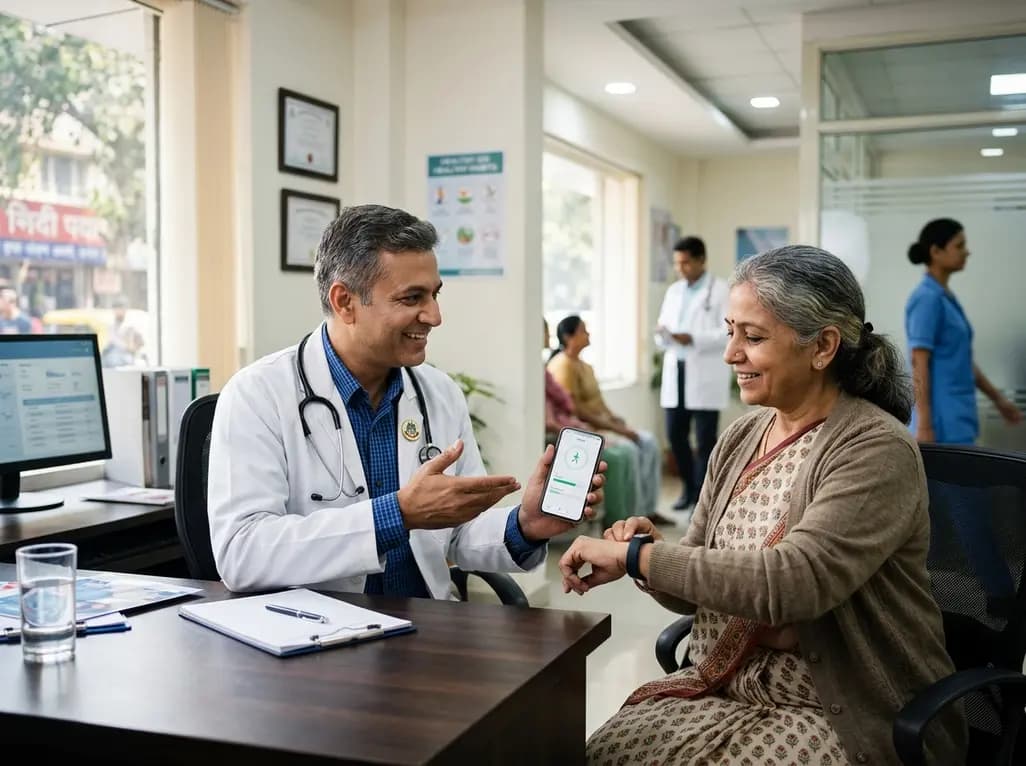
A randomized controlled trial demonstrates that theory-driven personalized mobile messaging reduces the risk of consecutive walking goal failures by 33 percent, highlighting the vital role of digital health tools in sustaining long-term exercise habits and chronic disease prevention.
Today
