

Loading, please wait...
Loading, please wait...
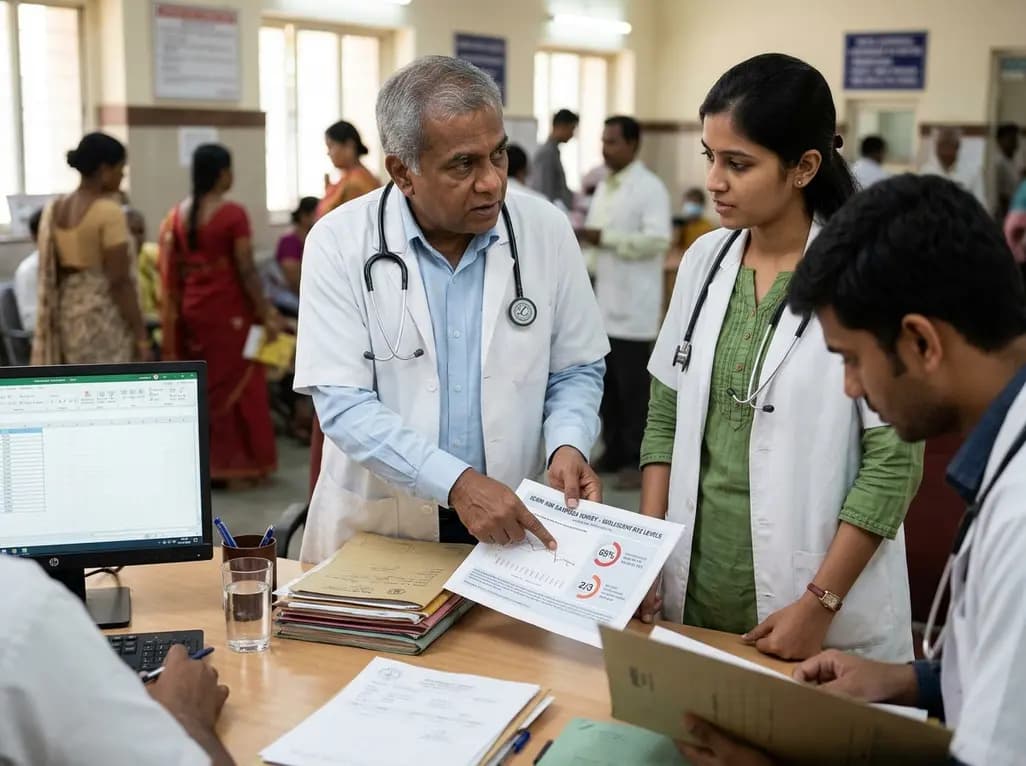
A recent nationwide investigation highlights a silent public health crisis across India. Consequently, healthcare providers must address the widespread prevalence of vitamin B12 deficiency among growing teenagers. The Indian Council of Medical Research and the National Institute of Nutrition recently presented these crucial figures. Their comprehensive findings show that young people across states suffer from persistent micronutrient deficits. Therefore, primary care clinicians should recognize these critical nutritional imbalances immediately.
The Survey for Assessment of Markers of Population Health, Activity, Diet and Anthropometry presents alarming numbers. According to the data, 66.1 percent of adolescent boys aged 10 to 19 years suffer from low serum levels. Similarly, 65.4 percent of adolescent girls in the exact same age bracket exhibit insufficient stores. Investigators defined this deficiency as any serum cobalamin concentration falling below 203 pg/mL.
Moreover, the deficit extends well beyond the teenage demographic. The survey identified deficiency in 55.2 percent of non-pregnant, non-lactating women between 20 and 59 years. Furthermore, 57.4 percent of women within reproductive age demonstrated inadequate levels. Adult men aged 20 to 59 years registered an equally concerning prevalence of 60.4 percent.
Additionally, older demographics face significant nutritional vulnerability. Approximately 41.2 percent of elderly women and 46.8 percent of elderly men exhibit subnormal concentrations. Crucially, the deficit starts during early childhood development. Researchers documented deficiency in 37.3 percent of toddlers aged 12 to 59 months. Furthermore, 46.5 percent of children aged five to nine years recorded deficient values. Consequently, these robust data points expose severe chronic deprivation. Ultimately, these widespread statistics confirm an urgent nutritional shortfall across multiple generations.
To ensure accurate public health surveillance, ICMR-NIN implemented rigorous cross-sectional sampling methods between 2023 and 2025. Consequently, the researchers surveyed more than two lakh individuals from over 81,000 households. The team collected biological specimens across 183 representative districts in 35 states and Union Territories. Thus, the resulting factsheet provides one of the most comprehensive nutritional assessments ever performed globally.
In addition, field teams gathered more than 1.7 lakh venous blood samples for advanced laboratory evaluation. Previous surveys often relied on capillary finger-prick methods that produced notable measurement variances. In contrast, SAMPADA utilized gold-standard venous collection and automated laboratory analysers. Field workers processed samples within six hours in dedicated regional field laboratories. Afterwards, technicians transported serum specimens on dry ice to Hyderabad at minus eighty degrees Celsius.
Therefore, this standardized protocol ensured high data reproducibility and precise biochemical quantification. Scientists also evaluated essential inflammatory markers, including C-reactive protein and alpha-1-acid glycoprotein. As a result, the investigators accurately controlled for subclinical systemic inflammation during biomarker interpretations. Furthermore, internal laboratory validations confirmed excellent analytic precision across all centers. Consequently, public health authorities can now rely on these validated findings for evidence-based policymaking.
The SAMPADA data highlights a fundamental clinical distinction between circulating micronutrient reserves and manifest haematological anaemia. For example, 46.3 percent of adolescent girls suffered from anaemia. However, an overwhelming 65.4 percent of girls suffered from cobalamin depletion. Similarly, while 22.8 percent of adolescent boys exhibited anaemia, 66.1 percent experienced low B12 concentrations.
Furthermore, iron deficiency showed completely different patterns compared to cobalamin deficits. Among adolescent girls, 36.3 percent had iron deficiency, whereas only 10 percent of boys had iron depletion. In comparison, folate deficiency remained remarkably uncommon, affecting only 8.6 percent of girls and 6.3 percent of boys. Consequently, cobalamin insufficiency emerges as the single most prevalent micronutrient abnormality among Indian youth.
Notably, researchers observed comparable vitamin B12 depletion rates among both anaemic and non-anaemic participants. Therefore, low serum cobalamin does not always trigger overt macrocytic anaemia in the initial stages. Instead, many adolescents display severe cellular depletion before standard red blood cell indices reveal gross morphological abnormalities. Hence, relying exclusively on routine haemoglobin tests creates a substantial diagnostic blind spot. In fact, tissue-level deficiency frequently progresses quietly for years. Physicians must therefore recognize that normal haematocrit levels can easily conceal severe biochemical exhaustion.
Cobalamin serves as an indispensable coenzyme for crucial metabolic cascades throughout human development. Specifically, the body requires methylcobalamin for homocysteine remethylation and continuous DNA synthesis. Consequently, inadequate levels disrupt standard cellular division and compromise myelin maintenance across the central nervous system. Additionally, elevated homocysteine levels trigger early endothelial vascular damage. In adolescents, prolonged depletion leads to peripheral neuropathy, persistent brain fog, and chronic muscular fatigue.
Furthermore, untreated deficiency impairs neurocognitive maturation, scholastic performance, and emotional stability during critical developmental windows. Subsequently, affected children struggle with sensory ataxia and diminished motor coordination. Meanwhile, the survey recorded alarming deficiency rates among pregnant mothers at 63.1 percent. In addition, 51.8 percent of lactating women suffered from depleted cobalamin reserves. Maternal deficiency limits intrauterine neural development and increases the long-term risk of neural tube abnormalities.
Moreover, low maternal cobalamin paired with normal folate intake creates a well-documented metabolic mismatch. Indian medical researchers have linked this specific imbalance to enhanced insulin resistance and adult-onset adiposity. In nursing infants, depleted breast milk causes irreversible neurodevelopmental delays, hypotonia, and failure to thrive. Accordingly, addressing this transgenerational vulnerability remains essential for long-term population health. Therefore, clinicians must treat adolescent and maternal cobalamin deficits before conception occurs.
To curb this widespread epidemic, healthcare systems must implement structured screening and aggressive dietary interventions. Since plants do not synthesize cobalamin, vegetarian diets naturally lack sufficient bioavailable B12. Furthermore, modern cooking practices and habitual low intake of animal-derived foods exacerbate these chronic shortfalls. Importantly, even milk products provide modest amounts that may not fulfill heightened adolescent growth requirements. Consequently, clinicians must counsel families on consuming bioavailable sources, including dairy, eggs, and fortified staples.
However, dietary modifications alone often fail to correct severe biochemical depletion quickly. Therefore, physicians should prescribe therapeutic oral cyanocobalamin or methylcobalamin supplements to restore depleted hepatic reserves. Meanwhile, treating coexisting gut infections improves small bowel absorption. In cases involving neurological symptoms or severe malabsorption, intramuscular injections provide rapid clinical recovery. In addition, routine annual screening should become standard practice in school health checkups and adolescent clinics.
At the population level, policymakers must expand existing public health frameworks like Anaemia Mukt Bharat. Currently, many national guidelines concentrate primarily on iron and folic acid administration. Nevertheless, public health initiatives must incorporate targeted vitamin B12 supplementation to protect overall metabolic health. Moreover, community health education can empower families to identify early warning signs. Ultimately, integrating universal food fortification alongside routine clinical screening will safeguard future generations from preventable neurocognitive harm.
Q1: What serum cutoff did the SAMPADA survey establish for vitamin B12 deficiency?
The SAMPADA national survey defined vitamin B12 deficiency as a serum cobalamin concentration falling strictly below 203 pg/mL. Clinicians consider this threshold a standardized biochemical marker reflecting depleted circulating stores. Notably, the study processed venous blood samples using automated laboratory analysers rather than capillary devices. Consequently, this precise measurement provides highly reproducible epidemiologic evidence. It confirms that two-thirds of Indian youth experience significant micronutrient depletion requiring prompt clinical intervention.
Q2: Why is vitamin B12 deficiency so prevalent among Indian adolescents and children?
The high prevalence primarily stems from habitual dietary patterns that rely overwhelmingly on vegetarian staples. Because plants do not produce cobalamin, individuals must obtain this micronutrient from animal sources or fortified foods. Additionally, maternal deficiency remains widespread at 63.1 percent during pregnancy, producing children with diminished baseline hepatic reserves. Moreover, common gastrointestinal infections and subclinical gut inflammation further impair intestinal absorption. Therefore, inadequate dietary consumption and poor bioavailability together fuel widespread youth deficiency.
Q3: How does vitamin B12 deficiency differ from iron deficiency anaemia in clinical presentation?
While iron deficiency directly impairs haemoglobin synthesis and manifests as microcytic anaemia, cobalamin deficiency disrupts DNA replication and neurocognitive functions. Notably, SAMPADA revealed that 66.1 percent of adolescent boys had cobalamin deficits, yet only 10 percent had iron depletion. Furthermore, cobalamin deficiency can produce severe peripheral neuropathy, paraesthesia, and memory impairment without causing obvious haematological changes. Consequently, doctors cannot rule out cobalamin exhaustion simply by observing normal complete blood counts in clinic patients.
Disclaimer: This content is for informational and educational purposes only. It does not constitute medical advice or replace professional judgment. Refer to the latest local and national guidelines for clinical practice.
References

Read summarized clinical updates, watch expert medical content, and earn CME certifications right from your smartphone.
Open your smartphone camera to scan and install.





A nationwide ICMR-NIN SAMPADA survey reveals that over 65% of Indian adolescents suffer from low vitamin B12 levels. The comprehensive study of 200,000 individuals also demonstrates widespread deficits across children, reproductive-age women, and older men, highlighting the need for dietary shifts and supplementation.
Today

A qualitative study highlights the unaddressed emotional hurdles and role uncertainty faced by men during the transition to fatherhood, calling for father-inclusive perinatal care and tailored digital health support.
Today

In a landmark public health ruling, the Supreme Court ordered the FSSAI to finalize strict front-of-pack warning rules within four months. Food companies must adopt separate red hexagonal symbols for high sugar, saturated fat, and salt within one year, advancing preventive medicine and patient dietary awareness.
Today
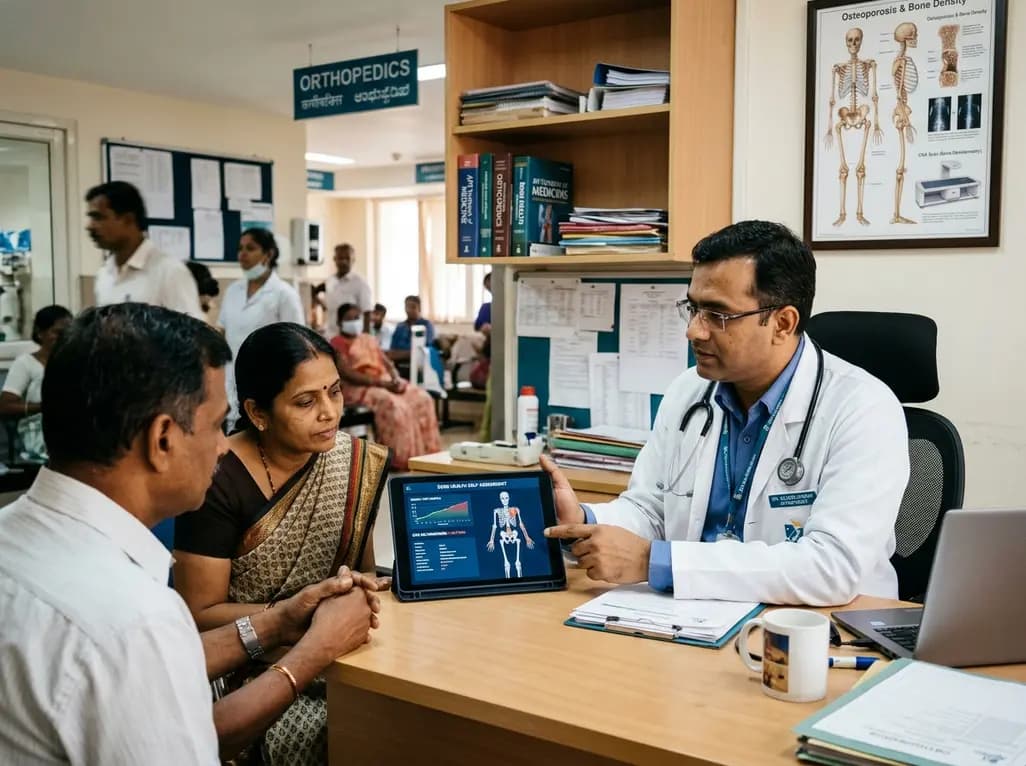
A real-world cross-sectional study in Thailand reveals that a web-based bone health self-assessment tool effectively captured clinical risk profiles, prompting DXA recommendations in 37% of users—over half of whom were below standard screening ages due to non-age clinical vulnerabilities.
Today
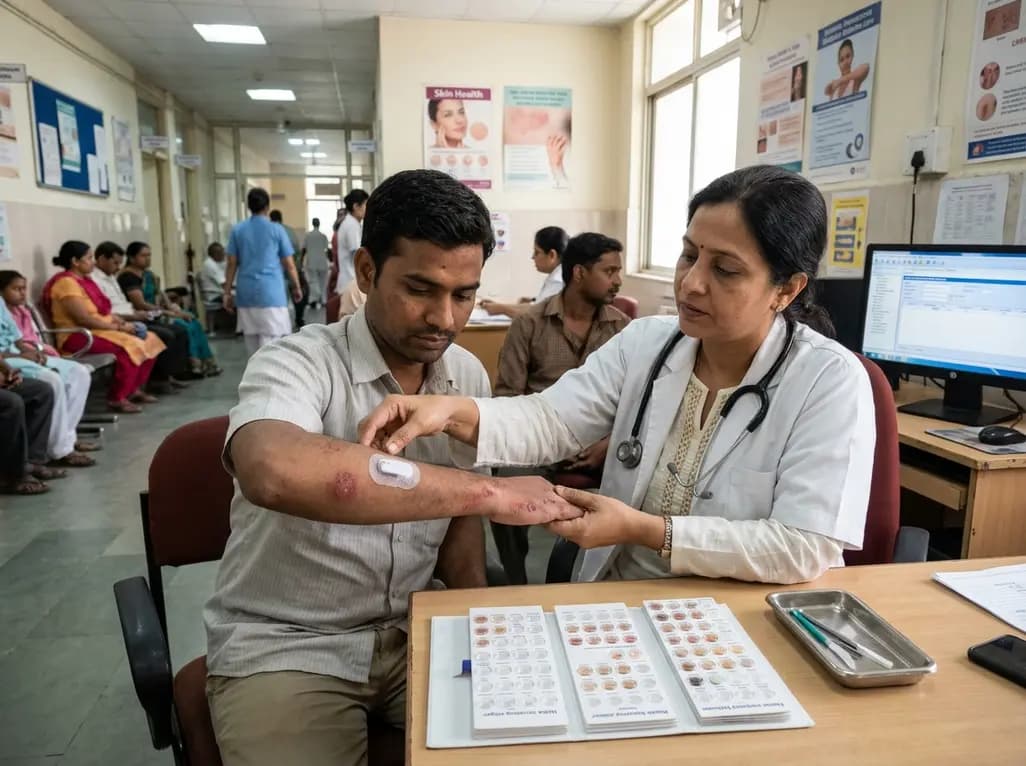
A study of 955 patients reveals that HEMA screening misses 39% of (meth)acrylate allergies, including 88% of cases linked to diabetes devices. Dermatologists must implement exposure-tailored patch test panels to accurately diagnose cosmetic and medical adhesive contact dermatitis.
Today
