.webp&w=384&q=75)

Loading, please wait...
Loading, please wait...

South-East Asia currently faces a massive tuberculosis burden, accounting for 34% of global cases. Recently, the World Health Organisation (WHO) issued an urgent call for action to address this crisis. This statement coincided with World TB Day celebrations. Dr. Catharina Boehme emphasized that political commitment and science are essential components of progress. Furthermore, community leadership remains vital for controlling the spread of the disease across the region.
In 2024, approximately 3.68 million individuals in the region developed tuberculosis. Tragically, nearly 433,000 lives were lost during this single year. These figures include 13,000 people living with HIV. Consequently, the region accounts for nearly 40% of global TB deaths. While progress exists, these statistics highlight a critical public health crisis. Healthcare systems must therefore prioritize rapid interventions and sustained funding to save more lives.
Since 2015, the South-East Asia region achieved a 23% reduction in TB-related deaths. Incidence rates also declined by 16% during this timeframe. This progress notably outpaces the global average decline of 12%. Moreover, treatment coverage has expanded to over 85% in many member states. In 2024 alone, 3.1 million people initiated life-saving therapy. These gains reflect the hard work of health workers and governments.
However, drug-resistant TB persists as a major hurdle for clinical management. Every year, 150,000 cases of multidrug-resistant TB (MDR-TB) emerge in the region. Additionally, socio-economic factors like diabetes and undernutrition drive transmission rates higher. Currently, 44% of affected households face catastrophic costs due to the illness. Addressing these social determinants is essential for achieving long-term eradication goals.
To meet global milestones, the region must accelerate the decline in incidence. Integrated approaches within primary health care are necessary for success. Physicians should utilize rapid diagnostics and shorter treatment regimens to improve patient outcomes. Similarly, digital health tools and artificial intelligence offer promising solutions for modern care. These technologies can bridge detection gaps and ensure no patient is left behind. Finally, reducing catastrophic costs for households remains a top priority for sustainable health coverage.
Q1: What percentage of global TB deaths occur in South-East Asia?
The South-East Asia region accounts for approximately 40% of global tuberculosis deaths, illustrating the severe impact of the disease in this area.
Q2: What are the main risk factors contributing to TB transmission in the region?
Major risk factors include undernutrition and diabetes. Additionally, socio-economic challenges often lead to catastrophic costs for nearly half of all affected households.
Q3: How has treatment coverage improved in recent years?
Treatment coverage has expanded significantly to more than 85%. In 2024, over 3.1 million people started treatment, which is a major milestone for national health programs.
Disclaimer: This content is for informational and educational purposes only. It does not constitute medical advice or replace professional judgment. Refer to the latest local and national guidelines for clinical practice.
References

Read summarized clinical updates, watch expert medical content, and earn CME certifications right from your smartphone.
Open your smartphone camera to scan and install.





WHO reports South-East Asia leads the global tuberculosis burden with 3.68 million cases. Learn about the urgent call for investment and innovative care....
6 months ago

Explore why official drug package inserts fail to reflect modern evidence for clozapine prescribing. Learn how legal standards of care, case law, slow titration, and vital adverse event monitoring empower clinicians to prioritize evidence-based medical practice over outdated manufacturer labeling.
Today
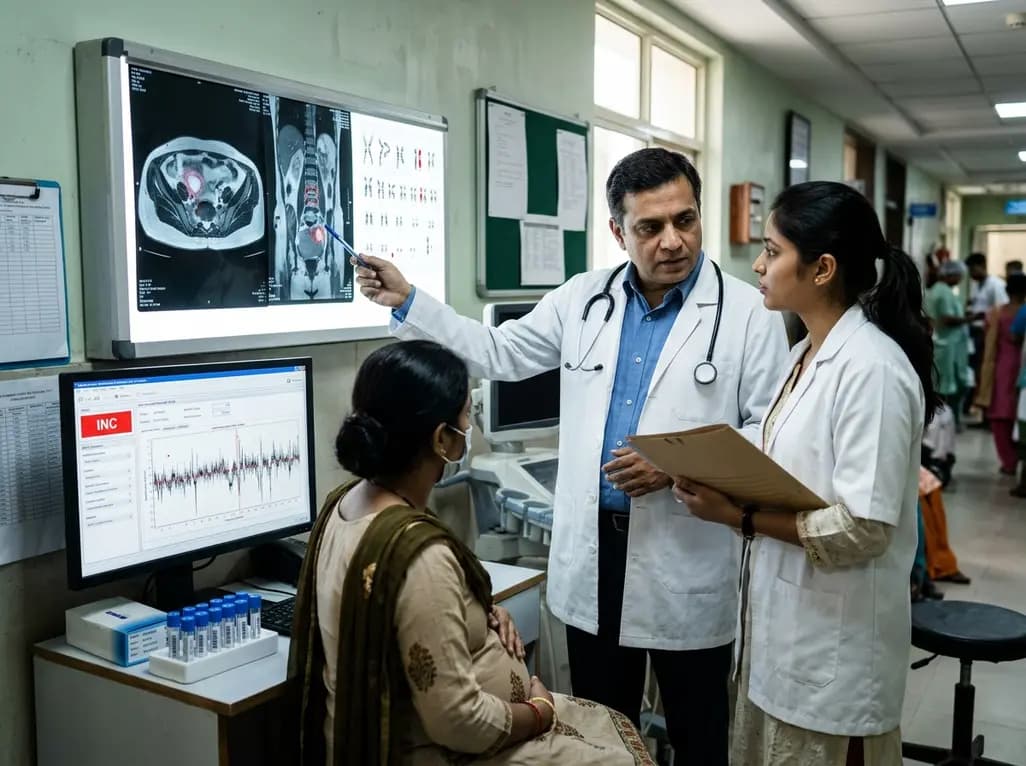
Occult maternal malignancy accounts for 3.82% of persistent unreportable NIPT results with genomic noise. Multiple chromosomal aberrations, notably on chromosome 18, warrant thorough oncological evaluation and whole-body MRI to ensure timely maternal diagnosis while preserving fetal care.
Today
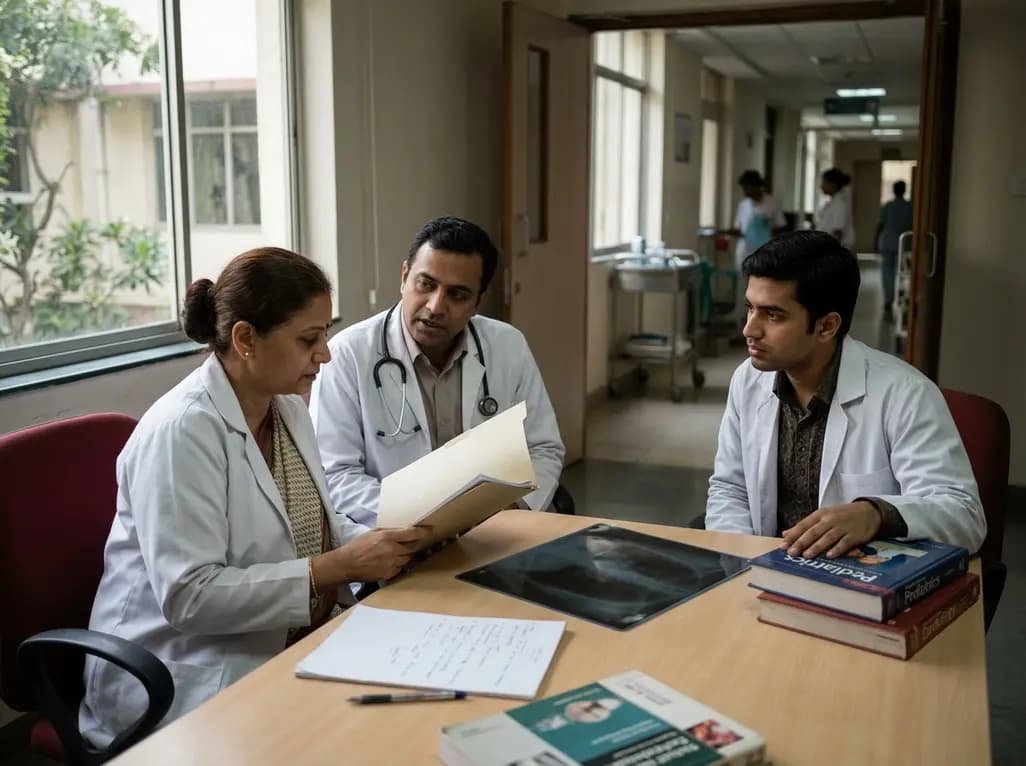
This article reviews the forensic and clinical complexities of acute myocarditis arising on left ventricular hypertrophy in children, highlighting early diagnostic red flags and multidisciplinary postmortem autopsy protocols.
Today
A randomized controlled trial demonstrates that an eight-week dual-task training intervention significantly improves static and dynamic postural control over standard balance exercises in individuals with chronic ankle instability, addressing critical neurocognitive deficits during athletic and daily activities.
Today

A retrospective cohort study of 7,716 ICU patients from the MIMIC-IV database demonstrates that Gradient Boosting Decision Trees significantly outperform traditional SOFA scores in predicting in-hospital mortality among patients with sepsis and diabetes, with SHAP analysis providing clinical interpretability.
Today
