.webp&w=384&q=75)

Loading, please wait...
Loading, please wait...
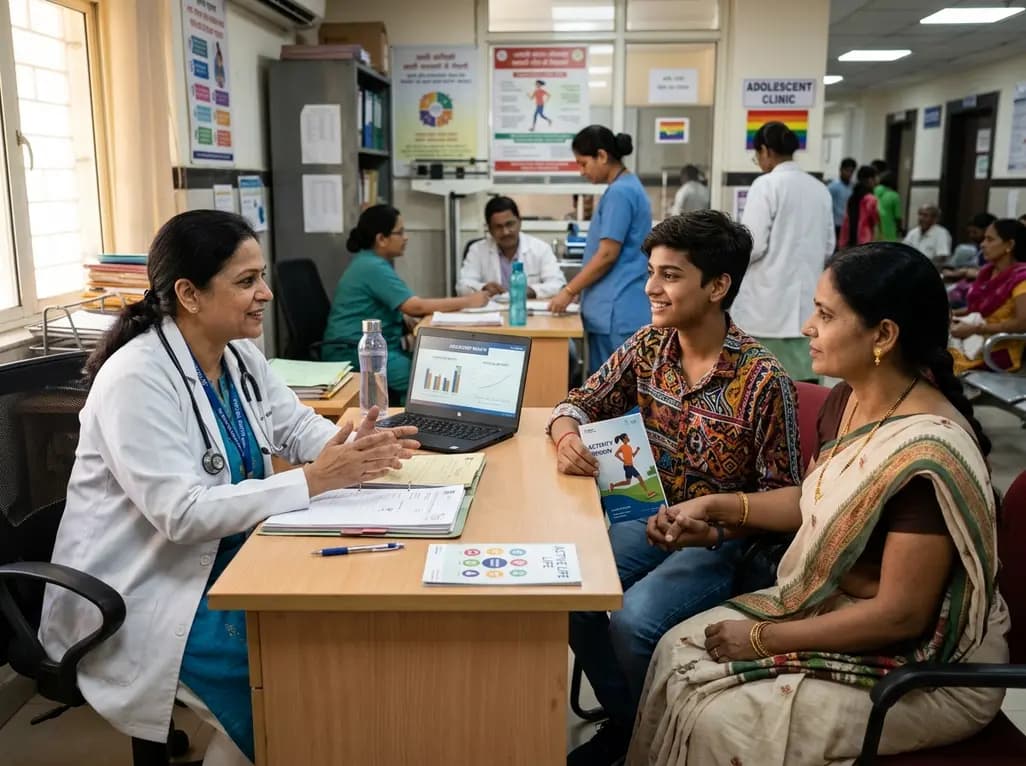
Regular exercise sustains pediatric physical and emotional health. However, healthcare providers frequently observe substantial disparities in transgender adolescent physical activity across school and community environments. Trans and gender diverse youth navigate distinct socio-ecological hurdles that discourage routine exercise. Consequently, healthcare professionals must examine these underlying obstacles to foster safe, affirming athletic environments for every patient.
Recent qualitative investigations highlight significant under-involvement of gender diverse youth in structured athletics. Clinicians frequently observe that organized sports opportunities remain exceptionally scarce for these young patients. Moreover, pediatric providers identify pervasive structural obstacles that actively deter youth participation across community programs. Traditional athletic frameworks operate almost exclusively on strict binary gender divisions. As a result, non-binary and transitioning adolescents face immediate systemic exclusion during team registration, roster allocations, and locker room assignments. In addition, adolescents report acute fears of peer harassment, bullying, and verbal abuse in sports facilities. These hostile environments force many adolescents to withdraw entirely from team athletics to preserve their mental well-being. Furthermore, standard exercise uniforms and public changing quarters intensely exacerbate gender dysphoria and bodily distress. When athletic spaces emphasize public scrutiny, vulnerable patients instinctively avoid participation to safeguard their emotional comfort. Thus, structural rigidity and unaddressed social stigma within conventional sports programs drive ongoing physical inactivity among gender diverse teenagers.
Healthcare professionals unanimously emphasize that physical conditioning provides vital systemic advantages for trans adolescents. Regular aerobic and resistance training mitigates primary cardiometabolic disease risk factors. For example, active youth display improved glycemic control, optimal blood pressure maintenance, and favorable lipid profiles. In addition, physical activity offers indispensable neurobiological benefits for adolescents experiencing minority stress. Routine movement stimulates brain-derived neurotrophic factor synthesis, reducing symptoms of generalized anxiety and major depressive disorder. Furthermore, structured group athletics cultivate meaningful peer connections that counteract chronic social isolation. When adolescents train alongside empathetic peers, they build mutual resilience, bodily competence, and enhanced self-esteem. Clinical providers note that regular exercise improves emotional regulation throughout complex pubertal transitions. Accordingly, physical fitness serves as an essential therapeutic modality alongside conventional medical and psychological support. Clinicians must actively champion routine exercise to safeguard the long-term metabolic health and psychological resilience of their young patients.
Establishing physically secure and emotionally welcoming environments is vital for sustaining adolescent participation. Locker rooms and unmonitored communal areas frequently represent sites of intimidation for transgender teenagers. Therefore, recreation facilities must establish strict anti-harassment policies alongside private, gender-neutral changing spaces. Healthcare providers emphasize that unaddressed peer hostility produces severe psychological trauma and prompt athletic avoidance. Furthermore, fitness professionals should eliminate rigid, appearance-driven performance metrics from training curricula. Traditional gym culture often glorifies hyper-muscular aesthetics or promotes unhealthy weight reduction goals. Consequently, these settings amplify body dissatisfaction and severe muscle dysmorphia among transitioning adolescents. Instead, athletic coaches should focus on movement joy, functional capacity, and personal motor skill acquisition. In addition, instructors should accommodate gender-affirming apparel, such as chest binders, by monitoring respiratory comfort and adequate hydration. By actively dismantling aesthetic pressures, sports organizations transform recreational fitness into a protective, body-affirming developmental experience for every participant.
Healthcare specialists strongly recommend designing physical activity protocols tailored directly to gender diverse youth. Crucially, successful interventions require the intentional inclusion of queer and transgender fitness leaders. When adolescents train under coaches who share similar identities, they immediately experience validation and psychological safety. Furthermore, facility directors must mandate comprehensive staff training covering minority stress, trauma-informed coaching, and gender inclusivity. Training curricula should emphasize proper pronoun usage, affirming body language, and proactive de-escalation of peer conflict. Moreover, program planners should favor non-competitive, cooperative recreational activities over traditional gender-segregated leagues. Open-division intramural sports enable non-binary and questioning participants to engage without fear of misgendering. In addition, medical and athletic professionals must collaborate directly with youth advisory councils during program design. Incorporating patient insights guarantees that exercise interventions address genuine social needs and avoid paternalistic assumptions. Ultimately, this community-driven approach fosters enduring program adherence, mutual trust, and positive athletic identity development.
Pediatricians and family physicians occupy an essential position in guiding transgender youth toward healthy lifestyle behaviors. During annual adolescent preventative visits, clinicians should routinely evaluate physical conditioning and screen for prolonged sedentary screen time. However, healthcare providers must approach these conversations with immense empathy, conscientiously avoiding weight-centric or stigmatizing language. Instead, doctors should emphasize somatic vitality, emotional stability, sleep quality, and the social enjoyment of physical movement. Furthermore, pediatric teams can establish resource directories highlighting local affirming fitness centers, queer-affirming martial arts clubs, and inclusive dance schools. When community facilities remain unavailable, clinicians can recommend validated home exercise regimens and digital workout communities. Additionally, primary care providers can communicate with school nurses and physical educators to advocate for inclusive athletic participation guidelines. By proactively addressing exercise barriers, physicians empower transgender youth to overcome chronic isolation. Therefore, clinician-led advocacy transforms routine primary care encounters into catalysts for sustainable, lifelong fitness engagement.
Transgender adolescents participate less frequently due to systemic, environmental, and psychological barriers. Traditional youth sports enforce rigid binary divisions that alienate non-binary and transitioning youth. Furthermore, unmonitored locker rooms foster pervasive fears of verbal harassment, teasing, and peer rejection. Exercise uniforms and public scrutiny can also worsen body dysphoria. Consequently, many adolescents avoid structured physical activity entirely to protect their personal emotional safety.
Fitness leaders can transform athletic settings by hiring gender diverse staff and implementing trauma-informed operational training. Staff members should respect personal pronouns and enforce strict anti-harassment standards. In addition, facilities should provide private changing stalls or gender-neutral restrooms to ease safety concerns. Furthermore, programs must minimize aesthetic, weight-focused metrics and eliminate binary gender team restrictions. These proactive modifications cultivate welcoming, affirming spaces where vulnerable adolescents feel physically secure and socially respected.
Primary care clinicians play a pivotal role by initiating affirming, non-judgmental discussions regarding regular movement and sedentary behaviors. Instead of emphasizing weight loss or body size, physicians should highlight mental health benefits, sleep optimization, and social connectivity. Additionally, providers should screen for exercise-induced dysphoria and chest binder safety. Clinicians can also recommend inclusive community athletics and advocate for supportive school physical education policies to ensure safe athletic participation.
Disclaimer: This content is for informational and educational purposes only... Refer to the latest local and national guidelines for clinical practice.
References

Read summarized clinical updates, watch expert medical content, and earn CME certifications right from your smartphone.
Open your smartphone camera to scan and install.





A qualitative study explores healthcare professionals' perspectives on physical activity for trans and gender diverse youth. Clinicians identify major social and structural barriers, emphasize cardiometabolic and mental health benefits, and advocate for affirming, trauma-informed, and non-binary exercise programs.
Today

A preclinical study demonstrates that naringin-loaded phytosomes significantly enhance oral bioavailability and provide neuroprotective efficacy in diabetic neuropathy by dampening inflammation, reducing oxidative stress, and relieving neuropathic pain.
Today
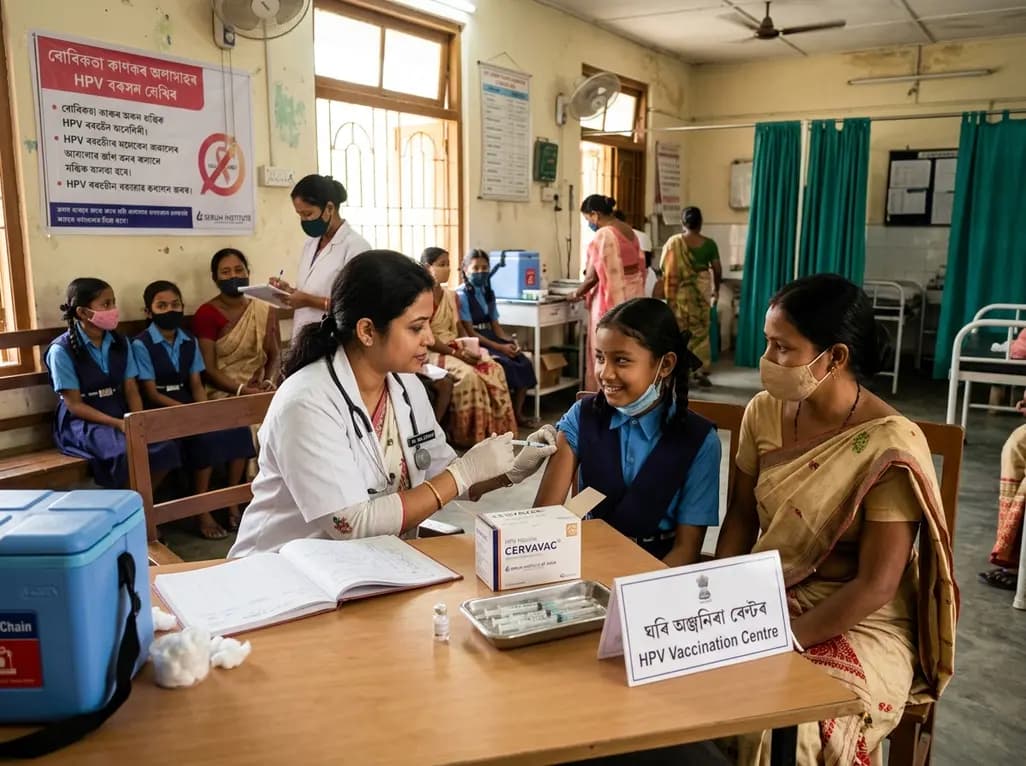
An independent clinical evaluation from Assam confirms the excellent safety profile of CERVAVAC, India's indigenous HPV vaccine. Evaluating 3,800 doses administered to 2,000 young girls, researchers documented zero serious adverse events, providing critical real-world evidence to resolve vaccine hesitancy.
Today
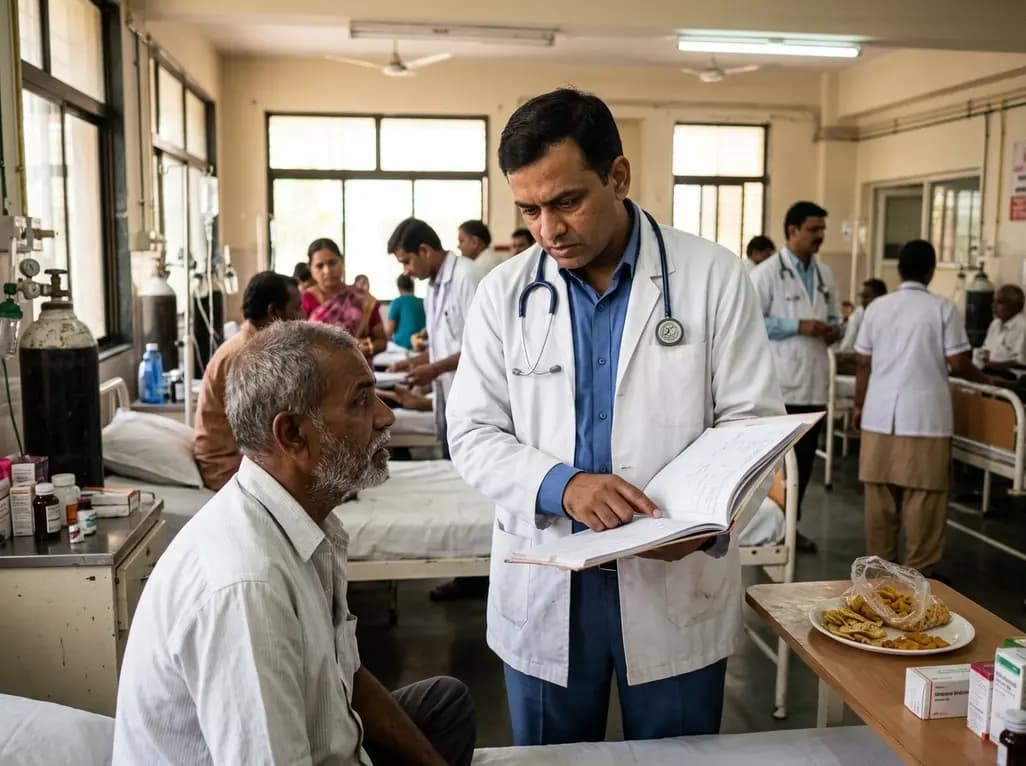
Maharashtra FDA Commissioner Tukaram Mundhe warns that widespread non-compliance with food standards is driving a surge in non-communicable diseases. Healthcare professionals must bridge clinical practice with nutritional vigilance, recognizing dietary quality as a primary driver of premature cardiometabolic conditions.
Today
A 10-year Markov state-transition model shows minimally invasive tubular decompression dominates open laminectomy for pure lumbar spinal stenosis, yielding 5.95 vs 5.91 QALYs and saving $4,167 per patient through reduced complications and lower index costs.
Today
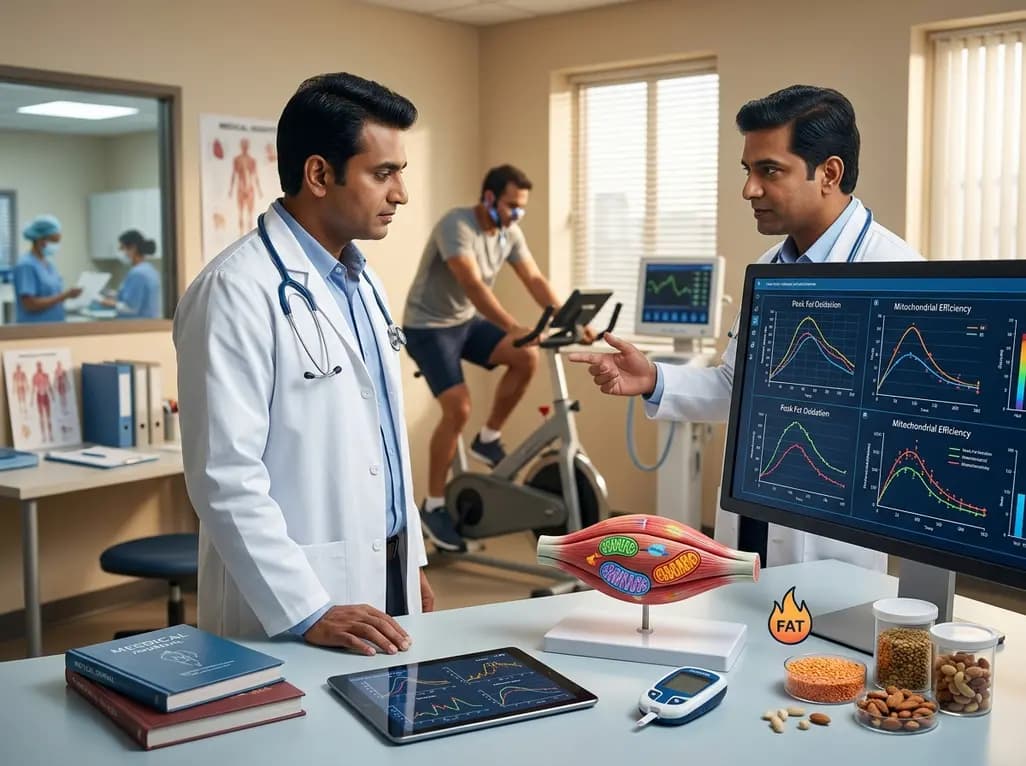
A randomized crossover study reveals that exercise-induced glycogen depletion combined with a low-carbohydrate diet significantly enhances peak fat oxidation without impairing skeletal muscle mitochondrial coupling control or efficiency in healthy trained men.
Today
