

Loading, please wait...
Loading, please wait...
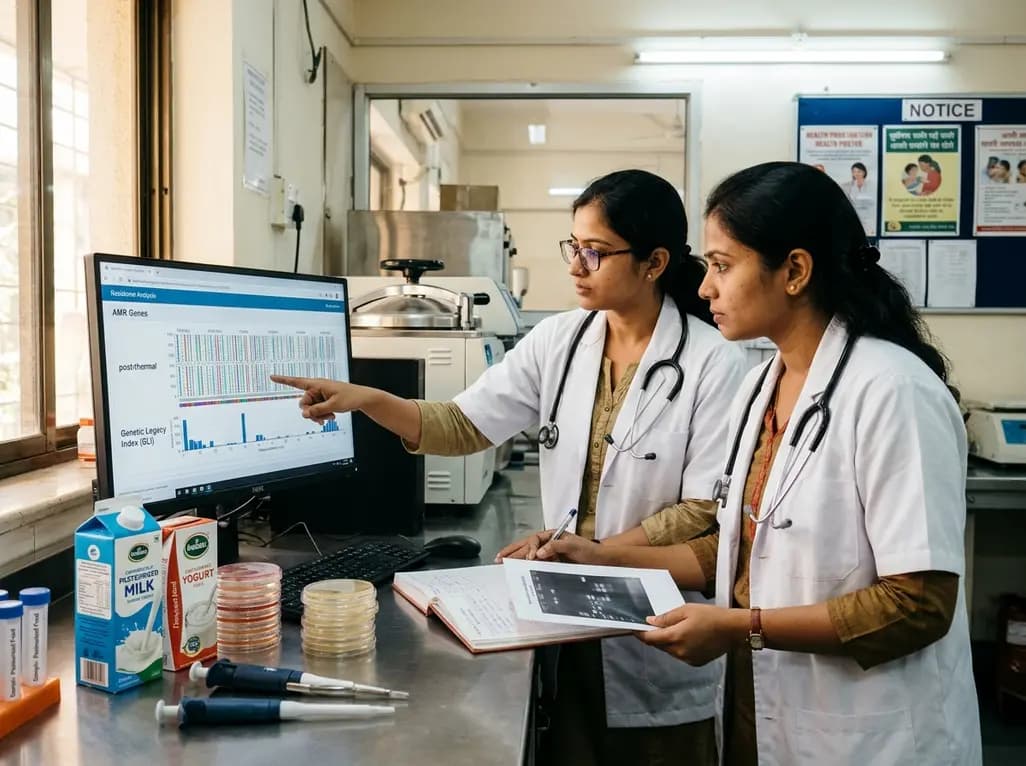
Thermal processing reliably inactivates vegetative bacterial pathogens in commercial foods, yet it leaves residual genetic material intact. Standard industrial pasteurization eliminates viable bacteria through precisely timed heat application. However, thermal energy does not uniformly degrade extracellular DNA, outer membrane vesicles, or bacteriophage particles. Consequently, heat-treated milk and cooked meats still harbor substantial loads of antimicrobial resistance genes when consumed. These genetic fragments persist because nucleic acid structures tolerate temperatures that readily denature vital cellular enzymes. Food safety regulators historically rely on microbial viability to certify finished products as safe. Nevertheless, non-viable bacterial debris remains highly prevalent throughout commercial dairy and livestock distribution networks. When pasteurization causes cellular lysis, bacteria release free nucleic acids directly into the surrounding food matrix. In addition, protective lipids and milk proteins shield these extracellular molecules against spontaneous thermal breakdown. Although pasteurization prevents immediate foodborne gastrointestinal infections, it fails to eliminate residual resistance blueprints. Therefore, modern food safety science must re-evaluate what biological safety truly means in processed animal products.
Thermal disruption of bacterial cell envelopes releases diverse intracellular structures into surrounding food substrates. Consequently, extracellular DNA floats freely or binds to colloidal milk proteins and lipid droplets. In addition, bacterial membrane vesicles frequently survive standard heat treatments intact. These nanoscale spherical bilayers encapsulate plasmid fragments and regulatory proteins, protecting enclosed genetic material against thermal and enzymatic degradation. Similarly, bacteriophages display remarkable structural stability across standard industrial pasteurization profiles. When phages survive heating, their rigid protein capsids safeguard functional resistance determinants against surrounding nucleases. Researchers evaluate the post-thermal fate of these biological structures across three explicit evidentiary tiers. First, molecular assays detect specific genetic sequences using quantitative polymerase chain reaction. Second, structural sequencing confirms whether prolonged, uninterrupted gene sequences maintain physical integrity. Third, functional experimental protocols evaluate whether living recipient bacteria can acquire these genes under realistic physiological conditions. Although target sequences remain widely detectable across diverse commercial foods, structural preservation varies significantly among bacterial species. Therefore, clinicians must recognize that bacterial non-viability does not equal complete genetic destruction.
The theoretical transfer of resistance determinants from heat-killed bacterial remnants into human gut bacteria requires several complex biological hurdles. To facilitate natural transformation, recipient intestinal bacteria must first enter a physiologically competent state. Furthermore, these living microbes must bind extracellular DNA, transport fragments across their cell membranes, and stably integrate them into their chromosomes. Alternatively, membrane vesicles can deliver encapsulated resistance determinants by fusing directly into bacterial envelopes without natural competence. Phage-mediated transduction also provides a potential transfer route if viable phages encounter receptive gut commensals. However, direct scientific evidence demonstrating functional horizontal gene transfer from heat-inactivated foodborne material remains entirely unproven in vivo. To date, every confirmed observation of food-associated resistance transfer in humans involved the ingestion of viable bacteria. In addition, gastric acid, bile salts, and pancreatic nucleases rapidly degrade naked DNA before it reaches intestinal bacteria. Consequently, while consumers ingest dead-cell genetic residues daily, functional incorporation by gut flora remains hypothetical. Therefore, medical professionals should interpret current biological risks with grounded scientific skepticism until rigorous clinical evidence emerges.
To address this unquantified exposure pathway, researchers have proposed the Genetic Legacy Index as a conceptual surveillance tool. Notably, this framework does not represent an approved regulatory release standard for commercial food manufacturers. Instead, it offers scientists an organized research paradigm to quantify post-thermal genetic persistence across the food chain. The index combines three essential biological variables into a unified mathematical model. First, it measures total extracellular DNA abundance within the final processed product. Second, it calculates the specific burden of clinically critical resistance determinants. Third, it assesses whether target genes link physically to active mobile elements, such as transposons, integrons, or plasmids. Because mobile elements govern horizontal gene transfer efficiency, linked genes carry a higher theoretical transmission risk. Furthermore, the index incorporates mathematical normalization strategies to compare findings across disparate food matrices, including fluid milk and cooked meats. Consequently, the Genetic Legacy Index outlines a structured scientific validation agenda. By establishing measurable baselines, this metric helps epidemiologists evaluate post-processing resistomes within broader surveillance programs.
Current food safety standards rely almost universally on culture-based methods that count colony-forming units of viable pathogens. In India, regulatory authorities establish strict safety thresholds for live bacterial contamination, but they maintain no standards for extracellular genetic material. However, integrated One Health surveillance programs increasingly recognize the value of molecular and metagenomic diagnostics. Animal agriculture heavily utilizes antibiotics, creating vast reservoirs of resistant bacteria before animals undergo commercial slaughter or milking. Thermal processing successfully eliminates live pathogens, yet persistent resistance genes reflect systemic antibiotic overuse in veterinary settings. Therefore, Indian healthcare leaders must view persistent foodborne resistomes as an important One Health indicator. Preserving gut microbiome diversity through rational antibiotic prescribing remains critical, as balanced microbiota competitively inhibit foreign genetic colonization. Furthermore, clinicians must advocate for national agricultural policies that strictly restrict non-therapeutic livestock antimicrobials. Reducing antibiotic use at farms directly lowers the baseline accumulation of resistance cassettes throughout the human food supply. Ultimately, cross-sector collaboration between physicians and food safety authorities will strengthen national antimicrobial resistance containment strategies.
Current scientific literature confirms that intact resistance sequences survive pasteurization in milk and meat products. However, functional transfer of this dead-cell genetic material into living human gut bacteria has never been demonstrated in vivo. Hostile gastric acid, digestive nucleases, and complex mucosal barriers significantly hinder foreign DNA uptake. While this transfer remains biologically plausible in laboratory models, it remains an unproven hypothesis in real-world human digestion.
The Genetic Legacy Index is a conceptual research framework designed to evaluate the persistence of genetic material in thermally processed foods. Rather than serving as a commercial release standard, it combines extracellular DNA concentration, antibiotic resistance gene abundance, and linkage to mobile genetic elements into a single metric. This standardized approach allows food safety researchers to quantify exposure risks and benchmark post-processing genetic hazards across diverse livestock supply chains.
Traditional culture-based methods exclusively measure viable bacteria that form visible colonies on growth media. Consequently, these assays completely miss non-viable bacterial fragments, extracellular DNA, and bacteriophage particles that persist after thermal processing. Because molecular resistance determinants can theoretically facilitate horizontal gene transfer, modern surveillance requires metagenomics and quantitative PCR. Integrating molecular monitoring alongside culture assays provides a comprehensive One Health assessment of foodborne resistance hazards.
Disclaimer: This content is for informational and educational purposes only and does not constitute medical advice or establish a doctor-patient relationship. Diagnosis and treatment decisions should be guided by qualified healthcare professionals based on individual clinical evaluation and relevant diagnostic testing. Readers should independently verify all information before making healthcare or prescribing decisions. The views expressed are those of the authors and do not necessarily reflect the official policy or position of any affiliated institution or publisher. While information is vetted, medicine evolves rapidly; hence, guidelines and clinical best practices may change over time. Healthcare professionals are advised to exercise their independent judgment. Refer to the latest local and national guidelines for clinical practice.
References

Read summarized clinical updates, watch expert medical content, and earn CME certifications right from your smartphone.
Open your smartphone camera to scan and install.





While thermal pasteurization effectively eliminates viable bacteria, antimicrobial resistance genes and cellular debris persist in food products. A newly proposed Genetic Legacy Index provides an innovative surveillance framework to quantify post-thermal resistomes and guide One Health antimicrobial policies.
Today

The GendAge weight loss study investigates how sex hormones, age, and menopausal status modulate caloric restriction response. By comparing metabolic adaptations across younger and older cohorts, this controlled feeding trial aims to refine precision dietary guidance for effective obesity management.
Today
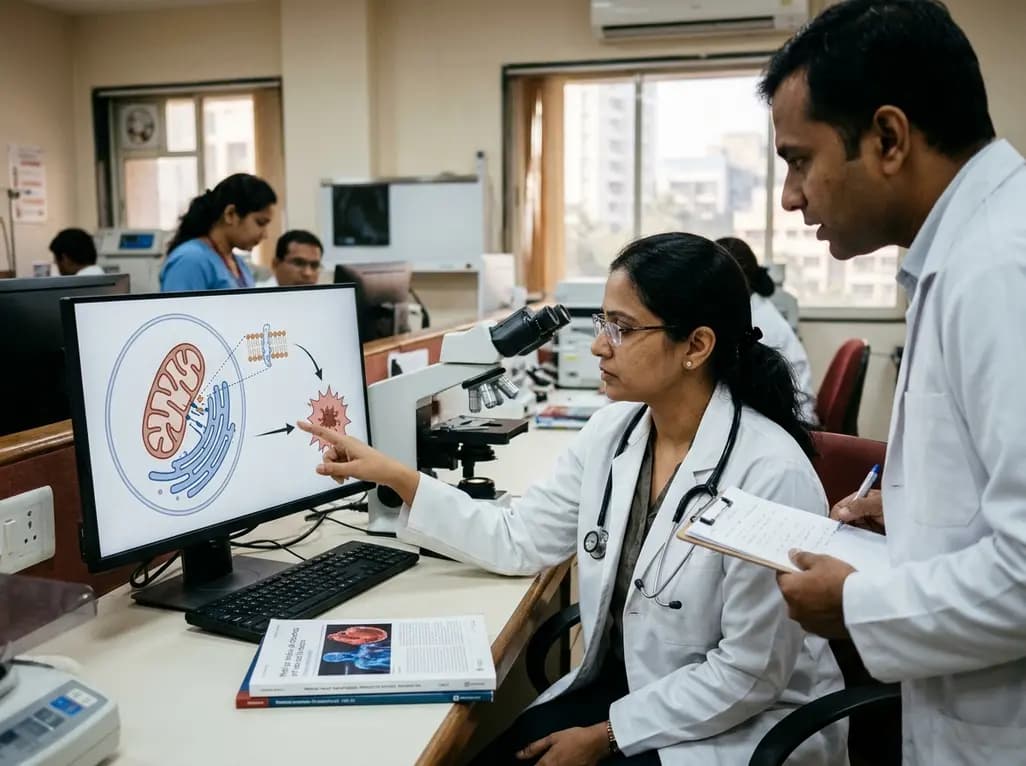
Recent research highlights how endoplasmic reticulum and mitochondrial interactions at contact sites regulate ferroptosis in cardiovascular diseases. This article explores lipid peroxidation, organelle crosstalk, and potential therapeutic strategies for ischemic heart disease and heart failure.
Today

A systematic review demonstrates that teriparatide significantly improves healing in medication-related osteonecrosis of the jaw (MRONJ), especially when combined with surgical and non-surgical therapies. This review explores clinical evidence, biological mechanisms, and treatment protocols for clinicians.
Today
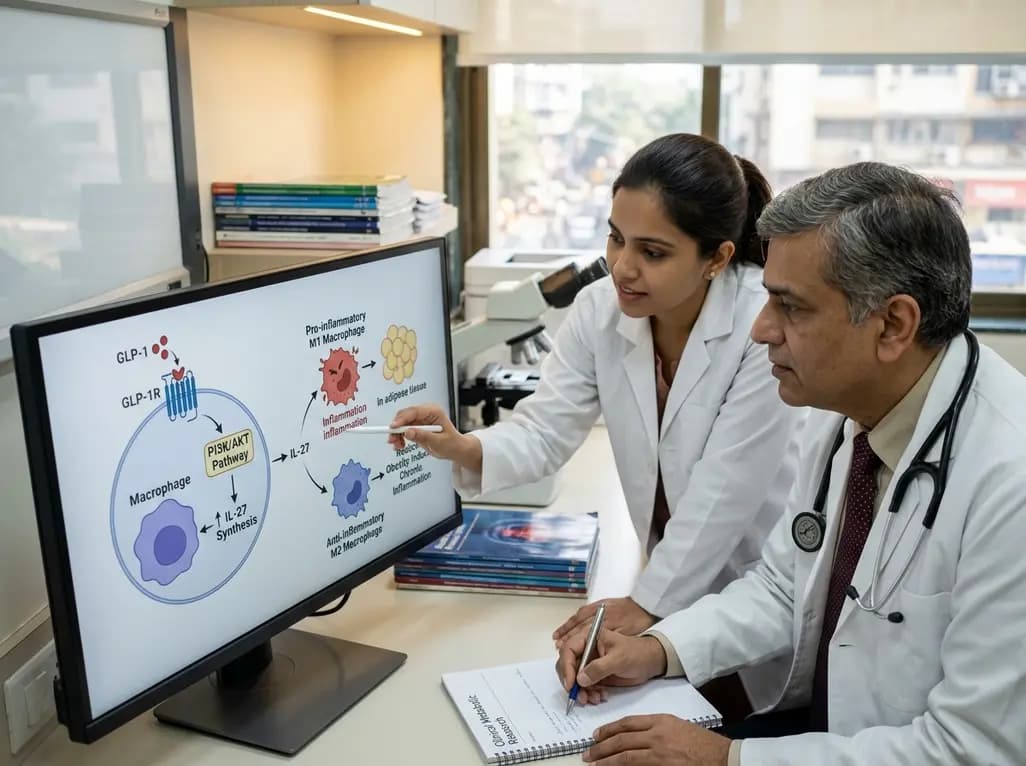
A recent investigation reveals that GLP-1 induces IL-27 synthesis in macrophages via the PI3K/AKT signaling cascade. This axis regulates immune polarization and contextual inflammation, offering valuable perspectives for managing obesity-induced metabolic disease and chronic systemic inflammation.
Today
