.webp&w=384&q=75)

Loading, please wait...
Loading, please wait...
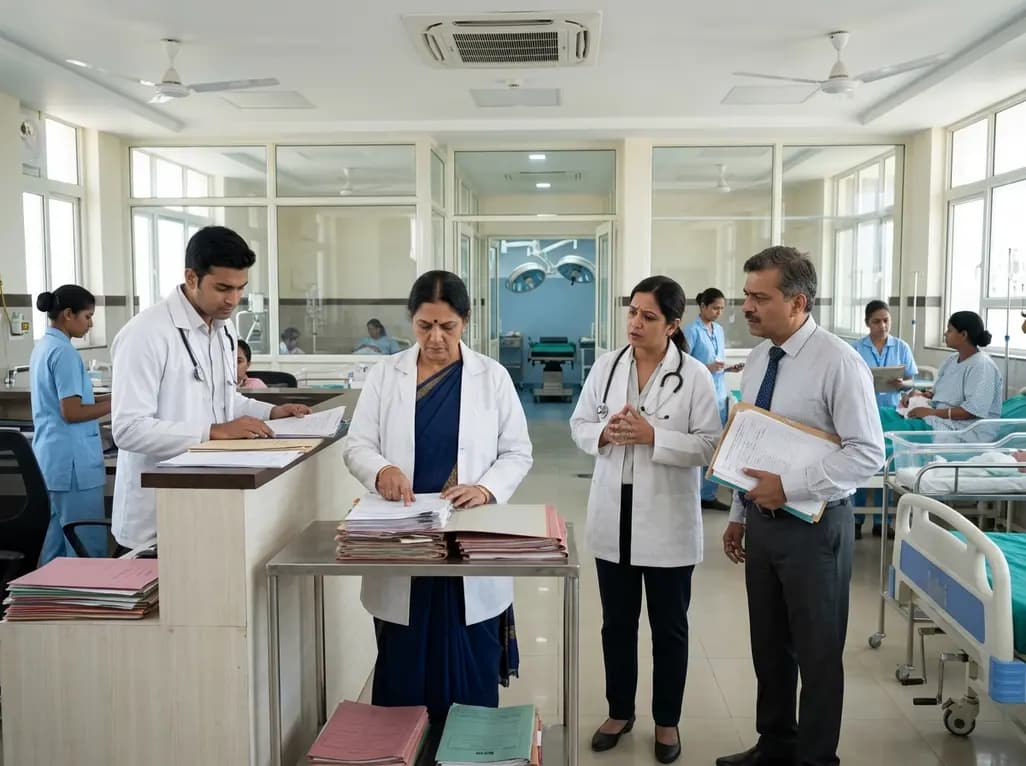
The latest National Family Health Survey (NFHS-6) highlights a dramatic rise in C-section deliveries across India. Specifically, Telangana currently leads the nation with the highest overall rate of surgical births. Consequently, private hospitals in the state report that over 83% of births occur via surgery. Therefore, this alarming trend has triggered strict regulatory warnings from the state health ministry.
Indeed, several non-clinical factors drive this surge in private healthcare facilities. First, many private hospitals prioritize scheduled births for administrative convenience. Second, surgical procedures yield higher revenues than normal deliveries. Furthermore, cultural preferences like auspicious "muhurtam" timings play a major role in family choices. Consequently, these systemic practices have widened the gap between medical necessity and actual clinical implementation.
In response, the Telangana government has introduced strict monitoring measures. For example, the health minister directed officials to inspect private facilities and conduct regular audits. Consequently, hospitals performing surgeries without clear medical indicators may face license cancellation under the Clinical Establishments Act. In addition, the state is actively promoting midwifery training in public colleges to encourage natural deliveries.
Q1: Why is Telangana's surgical birth rate so high?
The high rate stems from financial incentives in private clinics, cultural demand for specific birth times, and counseling that overstates the risks of natural labor.
Q2: What penalties do hospitals face for unnecessary surgeries?
Hospitals performing surgical deliveries without valid medical indications face severe penalties, including license cancellation under the Clinical Establishments Act.
Disclaimer: This content is for informational and educational purposes only. It does not constitute medical advice or replace professional judgment. Refer to the latest local and national guidelines for clinical practice.
References

Read summarized clinical updates, watch expert medical content, and earn CME certifications right from your smartphone.
Open your smartphone camera to scan and install.





NFHS-6 data reveals a dramatic rise in surgical births across Telangana, triggering strict government audits and license warnings for private hospitals....
4 months ago

Explore why official drug package inserts fail to reflect modern evidence for clozapine prescribing. Learn how legal standards of care, case law, slow titration, and vital adverse event monitoring empower clinicians to prioritize evidence-based medical practice over outdated manufacturer labeling.
Today
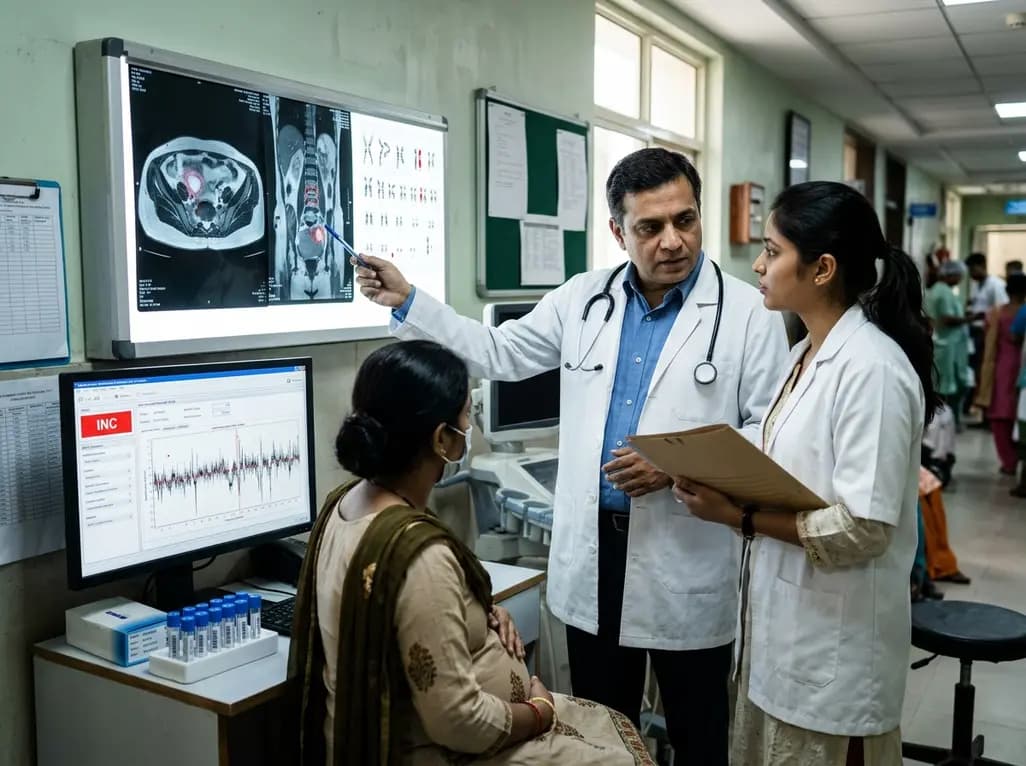
Occult maternal malignancy accounts for 3.82% of persistent unreportable NIPT results with genomic noise. Multiple chromosomal aberrations, notably on chromosome 18, warrant thorough oncological evaluation and whole-body MRI to ensure timely maternal diagnosis while preserving fetal care.
Today
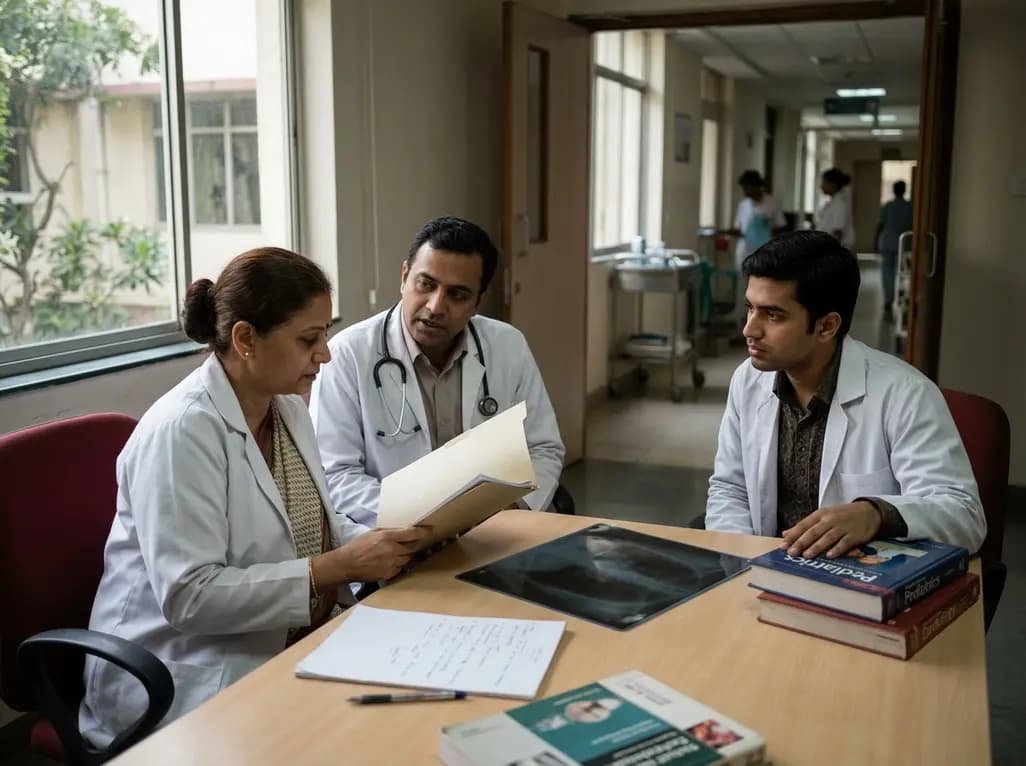
This article reviews the forensic and clinical complexities of acute myocarditis arising on left ventricular hypertrophy in children, highlighting early diagnostic red flags and multidisciplinary postmortem autopsy protocols.
Today
A randomized controlled trial demonstrates that an eight-week dual-task training intervention significantly improves static and dynamic postural control over standard balance exercises in individuals with chronic ankle instability, addressing critical neurocognitive deficits during athletic and daily activities.
Today

A retrospective cohort study of 7,716 ICU patients from the MIMIC-IV database demonstrates that Gradient Boosting Decision Trees significantly outperform traditional SOFA scores in predicting in-hospital mortality among patients with sepsis and diabetes, with SHAP analysis providing clinical interpretability.
Today
