

Loading, please wait...
Loading, please wait...
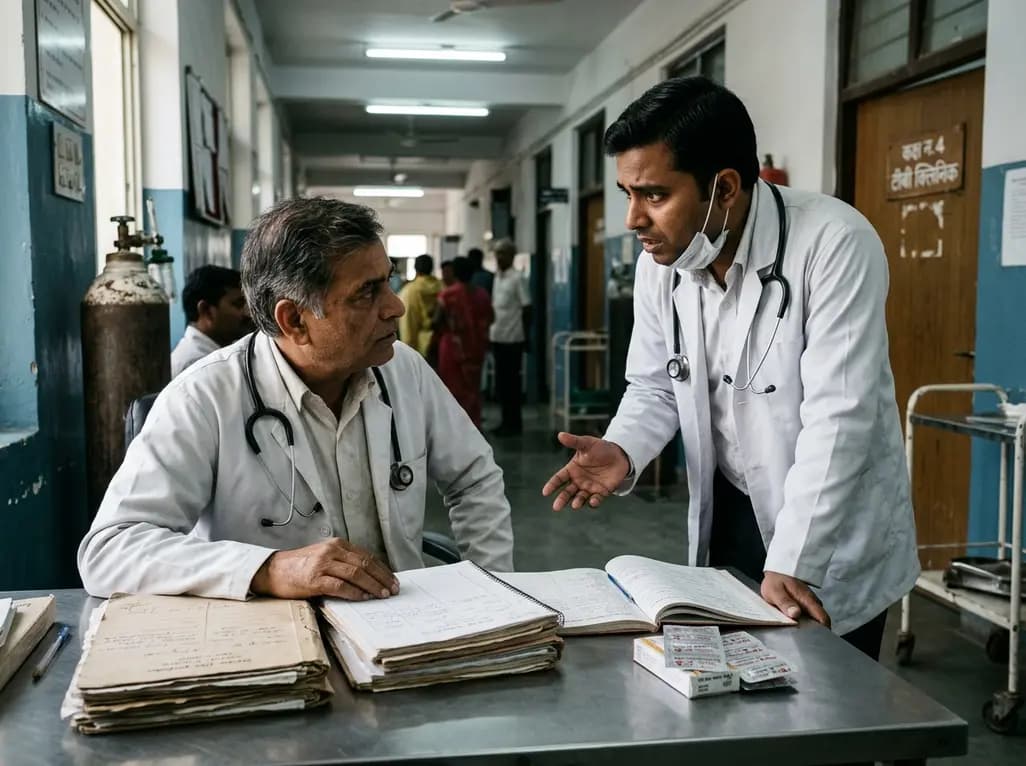
Public health advocates have raised critical concerns regarding the continuing TB burden in India. Although official communications highlight substantial declines in mortality, significant transmission challenges persist across the country. Furthermore, clinicians face ongoing diagnostic uncertainties and drug procurement hurdles. Therefore, medical professionals must evaluate epidemiological data critically to maintain treatment efficacy and safeguard vulnerable patient communities.
The World Health Organization recently released its Global Tuberculosis Report 2026. This extensive publication documented that 10.6 million individuals developed tuberculosis globally during 2025. Furthermore, 1.13 million people died from this infectious condition worldwide. India continues to carry a disproportionate share of this international burden. Specifically, the nation accounts for roughly 25 percent of global cases and 23 percent of fatalities. However, Indian healthcare initiatives have achieved notable progress over the past decade. The country recorded a commendable 38 percent drop in tuberculosis mortality since 2015. Consequently, India outpaced the global average mortality reduction of 35 percent. Nevertheless, community transmission remains high across many states. Public health network Jan Swasthya Abhiyan India recently submitted a formal representation to the Union Health Ministry. The group emphasized that lower mortality alone cannot signify complete control over tuberculosis. In addition, high disease prevalence continues to overwhelm public outpatient clinics. Treating physicians must therefore maintain heightened clinical suspicion during patient evaluations. Early case detection through modern molecular testing remains vital to interrupt ongoing community transmission effectively.
Accurate surveillance data forms the foundation of modern infectious disease epidemiology. Currently, international health agencies have kept India's latest tuberculosis incidence estimates under formal review. This delay occurs while experts finalize data from sentinel surveillance surveys conducted across 50 representative districts. As a result, epidemiologists cannot yet publish definitive longitudinal incidence trends. Public health groups have voiced serious apprehensions regarding these delayed estimations. Moreover, the Central TB Division has not updated its public annual India TB Report since 2024. The absence of current state-wise and district-wise performance records severely limits independent public accountability. Consequently, local clinical teams cannot accurately gauge whether notification gaps stem from missed diagnoses or true transmission declines. Specifically, clinicians require transparent local epidemiological indicators to guide differential diagnoses in respiratory clinics. Without granular district data, healthcare systems risk underestimating disease transmission among vulnerable socio-economic groups. Furthermore, robust surveillance allows administrative bodies to allocate molecular cartridges and hospital beds rationally. Transparent metrics empower medical practitioners to coordinate clinical responses with regional epidemiological realities.
Continuous pharmaceutical distribution remains indispensable for successful tuberculosis treatment. Unfortunately, supply chain disruptions have severely affected anti-TB medication availability in recent years. Investigative disclosures documented sharp reductions in centralized medicine dispatches across multiple states. For instance, central dispatches of intensive-phase fixed-dose combinations dropped 56.5 percent in 2023 compared to 2022. Similarly, supplies of continuation-phase regimens fell by 23 percent during that same period. These interruptions force clinicians to ration tablets or switch to unverified generic substitutes. Consequently, patients face heightened confusion and irregular dosing intervals during outpatient therapy. In addition, national audit findings highlighted alarming logistical mismanagement within central medical storage depots. The Comptroller and Auditor General reported expired medications valued at ₹40.75 crore across five facilities. This enormous waste accumulated between July 2017 and February 2023 due to inefficient inventory distribution. Therefore, healthcare networks demand independent assessments of national medicine availability. Transparent monthly stock disclosures at the district level will prevent critical shortages and preserve patient safety.
Treatment interruptions introduce severe microbiological risks during active mycobacterial management. When patients miss required doses, residual mycobacteria multiply rapidly within pulmonary lesions. Furthermore, erratic serum drug concentrations select for mutated, drug-resistant bacterial strains. Managing drug-resistant tuberculosis demands complex second-line regimens with significant toxicities and prolonged durations. Therefore, clinicians encounter substantial difficulties when re-treating patients after interrupted first-line regimens. Incomplete therapies also prolong patient infectiousness within crowded households and workplaces. As a result, index cases transmit resistant strains directly to family members and healthcare workers. Additionally, frequent regimen modifications impair patient trust in public health institutions. When public dispensaries experience stock-outs, impoverished patients often incur catastrophic private medical expenses. They frequently purchase loose tablets of variable bioavailability from unmonitored retail stores. Consequently, inconsistent therapy drastically increases relapse rates and treatment failure. Clinicians must actively monitor patient adherence and maintain regular follow-up schedules. Moreover, healthcare teams should promptly investigate early microbiological signs of therapeutic non-response.
Sustaining clinical progress requires comprehensive systemic overhauls within the National Tuberculosis Elimination Programme. Public health advocates urge health ministries to implement digital, real-time tracking across all drug depots. Specifically, health authorities must mandate monthly district disclosures regarding inventory levels and emergency procurement actions. Such transparency permits treating physicians to prescribe standard regimens without fear of unexpected shortages. In addition, health systems must maintain adequate buffer stocks at peripheral dispensaries. District health officers require decentralized financial authority to purchase certified generic medications during localized supply interruptions. Furthermore, health authorities must resolve inventory bottlenecks that allow valuable medicines to expire in central warehouses. Clinicians also emphasize the urgent need for expanded molecular diagnostic testing at primary centers. Nucleic acid amplification tests detect rifampicin resistance within hours, enabling appropriate therapy selection. Accordingly, early molecular confirmation avoids ineffective standard regimens. Integrating private medical clinics into digital reporting portals like Ni-kshay provides another essential intervention. Because private physicians manage substantial caseloads, seamless coordination ensures standardized patient support. Together, institutional transparency and proactive clinical care will achieve lasting tuberculosis control.
Q1: Why did the WHO place India's latest tuberculosis incidence estimates under review?
The World Health Organization placed India's tuberculosis incidence metrics under review to analyze data from a 2025 sentinel surveillance survey covering 50 representative districts. Because national prevalence surveys require immense resources, sentinel surveys offer updated calibration against historical epidemiological models. Consequently, global and national statisticians are refining these mathematical models collaboratively. WHO expects to publish finalized, scientifically validated incidence estimates for India in early 2027.
Q2: How do anti-TB medicine shortages influence treatment failure and drug resistance?
Unplanned drug shortages force patients to miss scheduled doses, allowing intracellular mycobacterial loads to rebound rapidly. Furthermore, irregular dosing produces sub-therapeutic drug concentrations that select for resistant bacterial mutants. When standard fixed-dose combinations run out, clinicians often substitute loose formulations, confusing patients and lowering therapy adherence. Consequently, medication stock-outs compromise cure rates, extend community infectiousness, and necessitate far more toxic, expensive second-line regimens.
Q3: What practical strategies can clinicians adopt during local anti-TB medicine stock-outs?
When local public dispensaries face anti-TB drug shortages, clinicians should immediately contact district tuberculosis officers to mobilize buffer supplies. Additionally, physicians should assist patients in accessing certified medications through National Health Mission emergency procurement funds. Clinicians must reinforce treatment adherence through direct counseling to prevent dose skipping. Moreover, treating doctors should utilize the Ni-kshay digital portal to track patient treatment courses and identify interruptions early.
Disclaimer: This content is for informational and educational purposes only. It does not constitute medical advice or replace professional judgment. Refer to the latest local and national guidelines for clinical practice.
References

Read summarized clinical updates, watch expert medical content, and earn CME certifications right from your smartphone.
Open your smartphone camera to scan and install.





While India achieved a 38% reduction in tuberculosis mortality since 2015, public health groups flag persistent disease transmission, delayed epidemiological reports, and drug supply gaps. Clinicians must navigate these systemic challenges to safeguard treatment adherence and prevent drug resistance across communities.
Today

Maternal codeine therapy during breastfeeding sparks debate regarding neonatal opioid toxicity. This review re-evaluates the Toronto case, explores PBPK modeling, and highlights how maternal and neonatal pharmacogenomics converge to inform safer postpartum pain management.
Today
Novel intranasal simvastatin transbilosomes demonstrate superior bioavailability and cardioprotective efficacy compared to oral suspensions in experimental heart failure induced by doxorubicin and ischemia/reperfusion injury.
Today
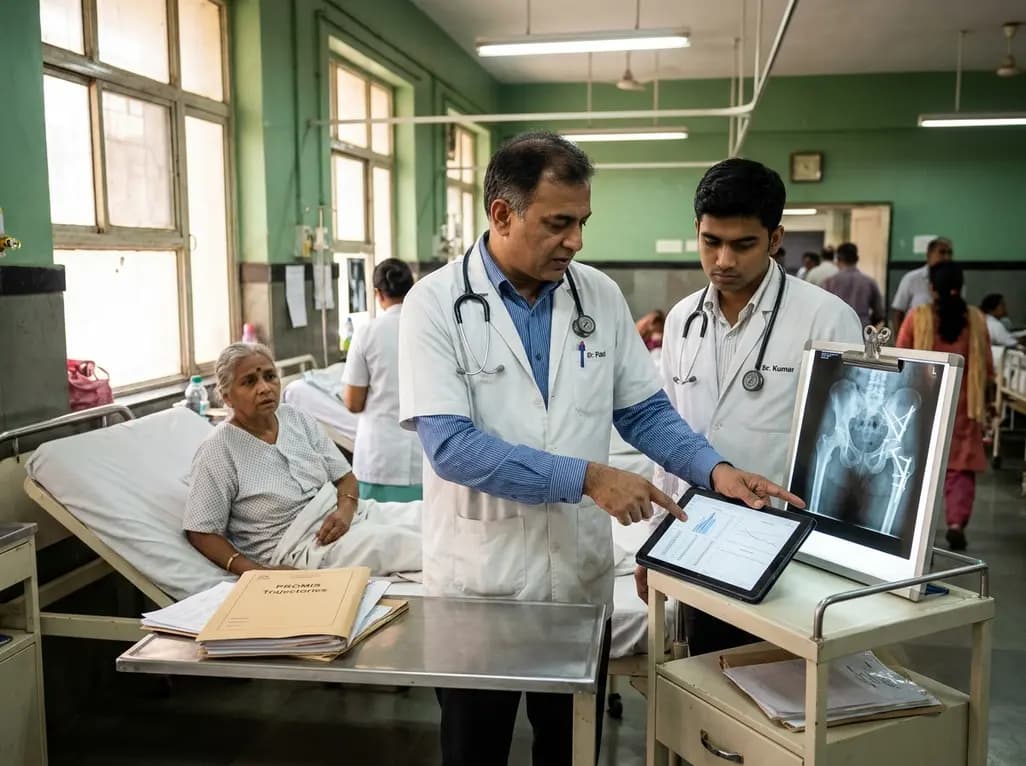
A longitudinal cohort study highlights how baseline anxiety impairs long-term pelvic fracture recovery. Tracking PROMIS scores across physical and psychological domains reveals critical windows for early psychosocial intervention.
Today
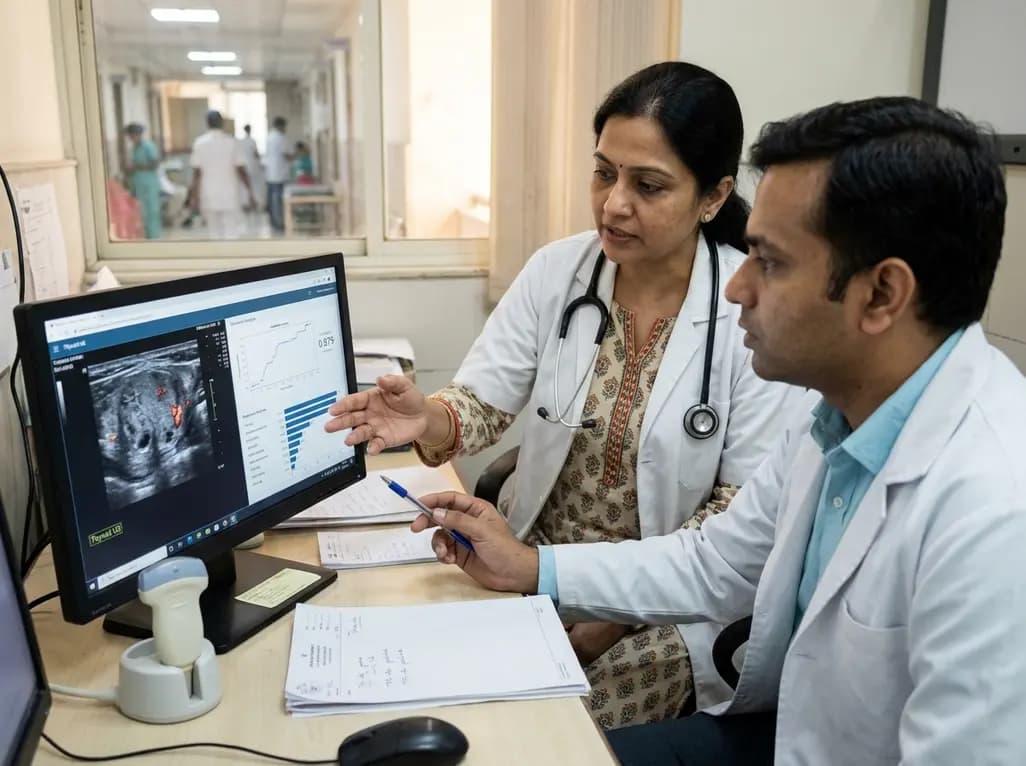
A multi-modal machine learning model integrating ultrasound radiomics, tumor morphology, TPO-Ab, and BRAF V600E accurately predicts lymph node metastasis in papillary thyroid carcinoma with concurrent Hashimoto's thyroiditis, achieving 0.879 accuracy.
Today
