.webp&w=384&q=75)

Loading, please wait...
Loading, please wait...

Stroke remains a predominant cause of long-term disability and death worldwide, particularly among elderly individuals. Evaluating stroke mortality trends offers critical insights into the effectiveness of public health interventions, diagnostic accuracy, and acute therapeutic strategies over time. A comprehensive population-based surveillance study analyzed national and subnational patterns of cerebrovascular mortality among Chinese adults aged 65 years and older between 2005 and 2020. Over this fifteen-year period, the overall burden of cerebrovascular disease demonstrated complex dynamic shifts. Specifically, while overall stroke-related deaths declined significantly, specific subtypes exhibited divergent trajectories. Understanding these epidemiological patterns is vital for clinicians and public health policymakers managing age-related vascular diseases. Aging populations face an increasing prevalence of chronic cardiometabolic risk factors, such as hypertension, diabetes, and dyslipidemia. Consequently, monitoring mortality metrics helps identify high-risk demographics that require intensified preventative efforts. Furthermore, tracking years of life lost provides a nuanced perspective on the premature mortality burden, reflecting not only death counts but also the societal impact of age-standardized life expectancy loss. By synthesizing multi-province surveillance data, medical professionals can better tailor clinical management plans and allocate healthcare resources efficiently to reduce long-term cerebrovascular mortality and improve geriatric health outcomes globally.
The epidemiological study revealed substantial progress in reducing overall cerebrovascular disease burden among older adults. Between 2005 and 2020, the age-standardized mortality rate for stroke among adults aged 65 years and older in China dropped from 1,327.30 to 1,000.69 per 100,000 individuals. Additionally, this decline in age-standardized mortality was accompanied by a 26.58% reduction in the years of life lost rate. This significant improvement reflects widespread advancements in acute stroke management, expanded access to primary care, and improved hypertension control programs across urban and rural regions. Furthermore, the expansion of primary care infrastructure enabled earlier detection of primary vascular risk factors. Elevated public health awareness also contributed to timelier hospital presentations for acute neurological deficits. However, despite these overall epidemiological gains, stroke remains the leading cause of death and physical disability in the older demographic. The persistent high absolute volume of events underscores the ongoing clinical challenge presented by an rapidly aging society. Consequently, healthcare systems must sustain momentum in primary prevention while simultaneously addressing specific stroke subtypes that have not shown similar favorable trends. Continued clinical vigilance and optimized outpatient follow-up remain essential to maintaining this downward trajectory in overall cerebrovascular mortality.
Although overall cerebrovascular mortality declined, analyzing stroke subtypes reveals striking divergent patterns. Specifically, age-standardized mortality rates for intracerebral hemorrhage decreased dramatically by 48.08% during the fifteen-year period. Similarly, subarachnoid hemorrhage mortality rates experienced a modest reduction of 7.57%. In contrast, the age-standardized mortality rate for ischemic stroke increased by 1.24%. By 2020, ischemic stroke became the dominant contributor to cerebrovascular deaths, with an age-standardized mortality rate of 610.52 per 100,000. Meanwhile, intracerebral hemorrhage and subarachnoid hemorrhage rates stood at 357.86 and 32.32 per 100,000, respectively. The sharp drop in hemorrhagic stroke mortality highlights the success of population-wide blood pressure control initiatives, as uncontrolled hypertension is the primary driver of spontaneous intracranial bleeding. Conversely, the persistent rise in ischemic stroke mortality points toward emerging lifestyle-related cardiometabolic risk factors. Increasing rates of obesity, type 2 diabetes, hyperlipidemia, and sedentary behavior significantly elevate atherothrombotic and thromboembolic risks in older adults. Therefore, while hemorrhagic stroke risk management has yielded substantial clinical success, ischemic stroke prevention demands renewed strategies focusing on comprehensive metabolic optimization, antiplatelet therapy, and early carotid artery disease detection.
Detailed sex-stratified and age-specific analyses reveal critical disparities in ischemic stroke outcomes. During the study period, age-standardized ischemic stroke mortality rates increased overall by 6.70% among men, whereas women experienced a 4.06% reduction. However, when examining specific age brackets, vulnerability markedly increased among the oldest age groups of both sexes. Specifically, ischemic stroke mortality increased by 1.95% among men aged 75 to 79 years. Even more strikingly, men aged 80 years and older experienced a 17.79% surge in ischemic stroke mortality. Women aged 80 years and older also demonstrated a notable 5.02% rise in ischemic stroke deaths. These findings demonstrate that advanced age significantly amplifies ischemic risk, particularly in elderly men. Multiple clinical factors contribute to this growing vulnerability, including higher rates of atrial fibrillation, cardiac arrhythmias, extensive multi-vessel atherosclerosis, and frailty. Additionally, elderly patients often present with atypical neurological symptoms, which can delay acute reperfusion therapies such as intravenous thrombolysis or endovascular thrombectomy. Consequently, tailored management protocols focusing on routine cardiac rhythm monitoring, appropriate anticoagulation, and aggressive lipid-lowering therapy are urgently required for octogenarians and older adults.
The study demonstrated significant geographic heterogeneity in stroke mortality across different provinces. In 2020, the highest age-standardized mortality rates for overall stroke were recorded in Tibet, Anhui, and Shaanxi. Provincial differences were equally pronounced when examining specific cerebrovascular subtypes. For instance, intracerebral hemorrhage mortality rates were markedly elevated in western regions, with Tibet and Qinghai reporting the highest rates at 1,013.64 and 742.70 per 100,000, respectively. Conversely, the highest mortality rates for ischemic stroke occurred in northern and central provinces, led by Heilongjiang at 944.54 per 100,000 and Shaanxi at 851.08 per 100,000. Subarachnoid hemorrhage mortality peaked in Tibet and Hebei. These profound regional disparities stem from complex interactions between socio-economic development, local dietary habits, high sodium intake, healthcare infrastructure density, and environmental factors such as altitude and climate. Northern provinces traditionally exhibit higher rates of hypertension and metabolic syndrome, correlating with elevated ischemic stroke rates. Western regions face challenges regarding specialized neurological care accessibility and emergency transport times. Therefore, reducing national cerebrovascular mortality requires targeted regional healthcare interventions, equitable resource allocation, and localized public health campaigns addressing region-specific risk factor profiles.
These long-term surveillance findings carry profound clinical implications for primary care physicians, cardiologists, and neurologists managing elderly populations. The sustained shift toward ischemic stroke as the primary cause of cerebrovascular mortality necessitates a paradigm shift in preventative strategy. Clinicians must prioritize aggressive management of metabolic syndrome, obesity, and diabetes, which accelerate cerebrovascular atherosclerosis. Furthermore, silent atrial fibrillation must be proactively screened using wearable or continuous monitoring devices in older adults to prevent cardioembolic events. Additionally, secondary prevention protocols must be strictly optimized, ensuring patients adhere to high-intensity statins, antihypertensive medications, and antiplatelet or anticoagulant regimens. Improving public awareness regarding acute stroke symptoms using standardized assessment scales remains essential for prompt emergency medical contact. Healthcare systems must also streamline regional stroke networks to shorten door-to-needle and door-to-puncture times for acute reperfusion therapies. Addressing the rising mortality in adults aged 80 years and older requires individualized treatment pathways that balance stroke prevention efficacy with bleeding risks and polypharmacy management. Ultimately, combining robust primary prevention, timely acute intervention, and comprehensive geriatric post-stroke rehabilitation will be key to reducing the global burden of cerebrovascular disease.
Between 2005 and 2020, overall age-standardized stroke mortality among older adults in China decreased from 1,327.30 to 1,000.69 per 100,000, accompanied by a 26.58% drop in years of life lost. However, while hemorrhagic stroke deaths declined significantly, ischemic stroke mortality increased, becoming the leading contributor to overall cerebrovascular mortality.
Ischemic stroke mortality increased due to rising prevalence of metabolic risk factors, such as diabetes, obesity, and dyslipidemia. In older men and octogenarians, higher rates of atrial fibrillation, advanced multi-vessel atherosclerosis, atypical symptom presentation, and age-related physiological frailty further contributed to increased vulnerability and higher mortality outcomes.
Geographic analysis revealed substantial regional disparities. Western provinces like Tibet and Qinghai experienced the highest mortality rates for intracerebral hemorrhage, largely driven by altitude and healthcare access challenges. Conversely, northern and central provinces like Heilongjiang and Shaanxi recorded the highest ischemic stroke mortality, reflecting regional dietary and metabolic variations.
Disclaimer: This content is for informational and educational purposes only. It does not constitute medical advice, diagnosis, or treatment. Refer to the latest local and national guidelines for clinical practice.
References

Read summarized clinical updates, watch expert medical content, and earn CME certifications right from your smartphone.
Open your smartphone camera to scan and install.





A 15-year surveillance study of Chinese adults aged 65+ shows that overall stroke mortality and YLL decreased significantly from 2005 to 2020. However, ischemic stroke mortality rose, particularly in octogenarians and men, becoming the leading cerebrovascular cause of death.
last month

Congenital unilateral absence of the pulmonary artery can remain undetected until adulthood. This case report examines a young male presenting with hemoptysis after prior PDA surgery, highlighting the critical role of CT angiography in mapping systemic collaterals and guiding appropriate clinical intervention.
Today

Perimenopausal obstructive sleep apnea often goes undetected due to atypical polysomnographic presentations and symptom overlap with menopause. This review details its neurocognitive mechanisms, polysomnography markers, and precision management strategies.
Today

Mitochondrial deubiquitinases regulate organelle turnover by editing ubiquitin tags on damaged mitochondria. Discover how targeting these enzymes, notably USP30, offers therapeutic strategies for neurodegenerative, cardiovascular, and metabolic disorders.
Today

A rare case of a pediatric pathological femoral fracture caused by occult telangiectatic osteosarcoma demonstrates the risks of misdiagnosis after trauma, where intramedullary nailing prompted iatrogenic tumor dissemination and required modular total endoprosthetic reconstruction.
Today
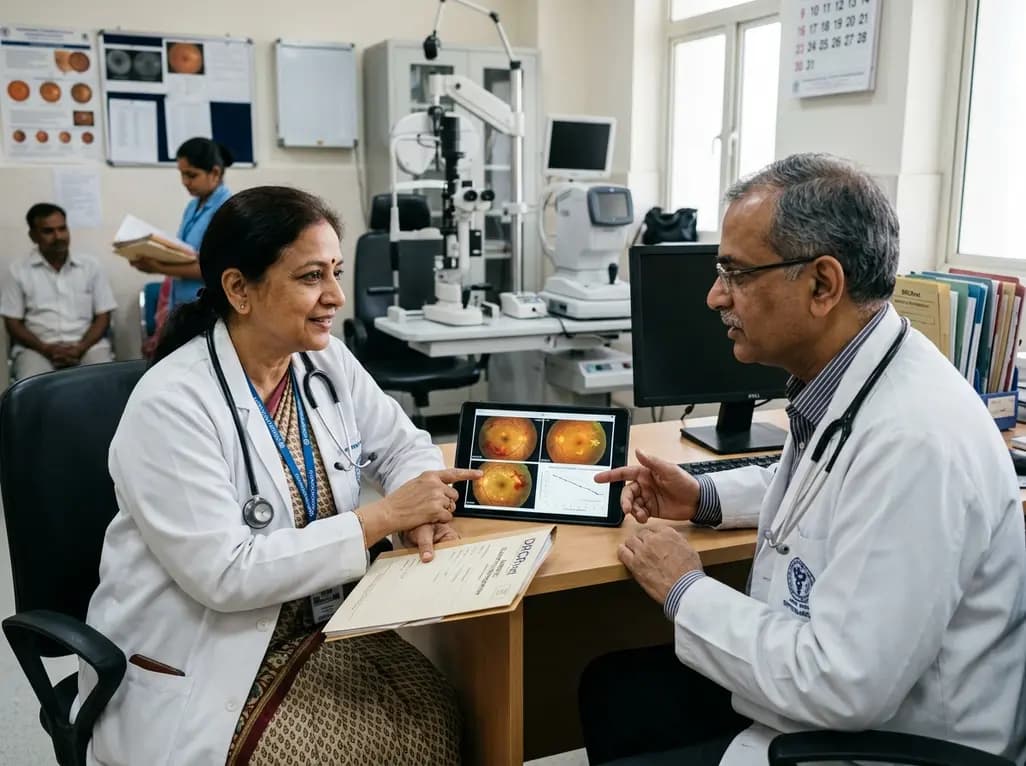
A comprehensive analysis of DRCRnet studies reveals that 15.1% of participants discontinue diabetic retinopathy clinical trials. Identifying baseline demographic and clinical predictors helps ophthalmologists and endocrinologists mitigate real-world treatment dropouts and protect long-term visual outcomes.
Today
