.webp&w=384&q=75)

Loading, please wait...
Loading, please wait...
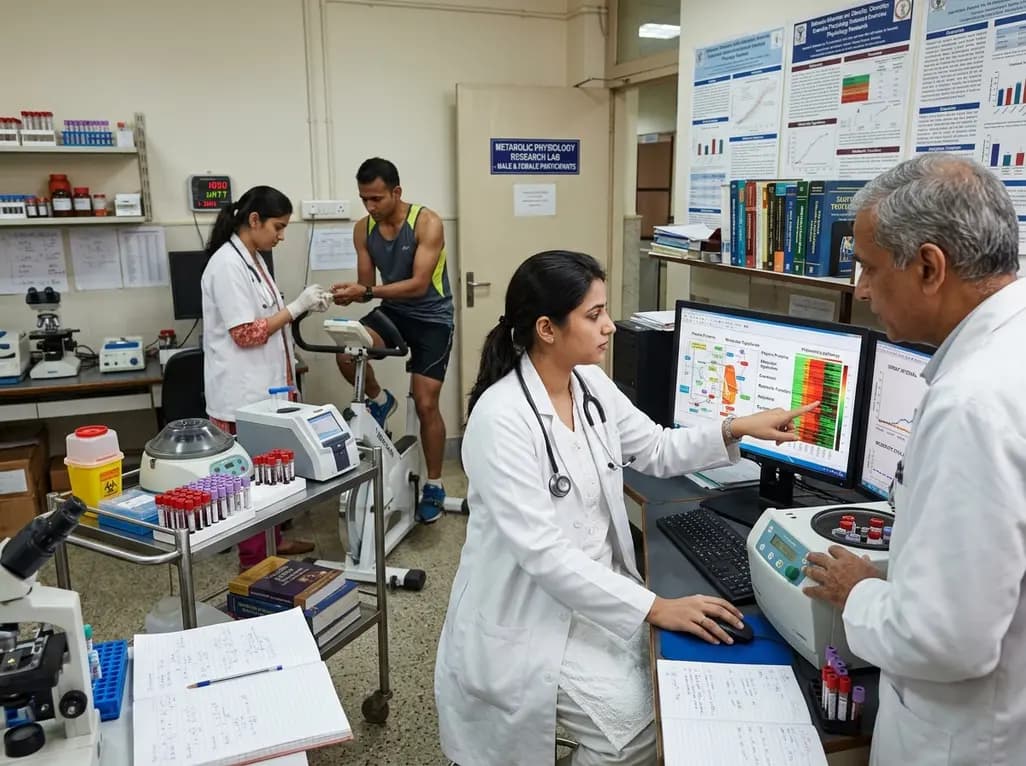
Emerging physiological evidence shows that physical activity remodels human metabolism through complex circulatory signaling networks. A landmark study published in Cell Reports Medicine highlights the profound impact of sprint interval exercise on the circulating proteome. Researchers discovered that brief, high-intensity exertion alters nearly twenty-five percent of measured plasma proteins immediately after completion. In sharp contrast, ninety minutes of moderate continuous cycling modified fewer than one-quarter of one percent of detected proteins. These findings reveal that exercise intensity serves as a primary driver of molecular secretome adaptations. Consequently, clinicians must recognize that duration alone does not determine the biological magnitude of physical exertion. For decades, traditional exercise guidelines emphasized duration over intensity to improve metabolic fitness. However, recent advances in high-throughput proteomics demonstrate that high-effort bouts induce rapid systemic signaling cascades. These signals involve acute shifts in exerkines, which are specialized proteins and metabolites released into circulation during movement. Therefore, understanding these acute proteomic shifts provides critical insights into how targeted physical activity protects against chronic cardiometabolic conditions.
During physical exertion, skeletal muscles and organ systems secrete signaling molecules that coordinate systemic homeostasis. Specifically, sprint interval exercise triggers a rapid surge of exerkines that modulate vascular tone, tissue architecture, and neuroendocrine signaling. In this investigation, researchers evaluated healthy volunteers performing six sets of thirty-second all-out cycling sprints. Immediately following this brief protocol, scientists observed significant modifications across more than seven hundred circulating proteins. Furthermore, the sprint protocol altered over two hundred metabolites within minutes of completion. Among the upregulated exerkines were critical regulators of angiogenesis, including von Willebrand factor. Additionally, tissue inhibitors of metalloproteinases, specifically TIMP3, increased markedly to support extracellular matrix remodeling. Trefoil factor 2, a key gastrointestinal signaling peptide, also demonstrated pronounced post-exercise elevation. Moreover, pro-opiomelanocortin, a precursor essential for neuroendocrine appetite and energy regulation, shifted significantly. Notably, repeated training over eight weeks did not blunt this dramatic molecular surge. This stability indicates that the intense response represents an intrinsic adaptation rather than an unaccustomed stress reaction. Consequently, short bursts of maximal effort generate a unique molecular signature across human plasma.
The physiological disparity between exercise modalities becomes remarkably clear when comparing cellular secretomes. While sprint intervals produced widespread proteomic alterations, ninety minutes of continuous moderate cycling elicited an exceptionally modest immediate response. In fact, moderate continuous cycling altered only seven proteins directly after the session. Even three hours post-exercise, continuous cycling altered only nineteen proteins in total. Similarly, moderate treadmill running modified more proteins than cycling, but its molecular signature remained far smaller than sprinting. Moderate exercise required up to three hours to generate a detectable wave of circulating fatty acids and liver-derived proteins. These delayed proteins primarily reflect classical endurance adaptations and energy substrate mobilization. In contrast, sprint training triggered immediate multi-organ communication pathways within minutes. Researchers emphasize that acute intensity fundamentally dictates the velocity and breadth of systemic proteomic remodeling. Therefore, time spent exercising does not correlate directly with immediate circulating protein diversity. This distinction underscores why brief high-intensity intervals can match or exceed lengthy endurance sessions in specific cardiometabolic outcomes. Consequently, clinicians should consider exercise intensity as an independent prescription variable.
To determine clinical relevance, investigators mapped the exercise-responsive proteins against large-scale population data from the UK Biobank. They evaluated proteomic profiles from more than fifty-three thousand individuals with extensive clinical follow-up. Remarkably, proteins altered by intense exertion demonstrated strong epidemiological associations with reduced risks of cardiometabolic disorders. Specifically, the analysis identified thirty-three candidate plasma proteins strongly linked to lower risks of obesity and type 2 diabetes. Of these thirty-three protective proteins, thirty-two shifted significantly following sprint interval exercise. Conversely, moderate continuous cycling modified only three of these protective markers. Furthermore, more than twenty-five percent of the sprint-responsive proteins correlated with slower biological aging. These proteins govern critical physiological processes, including insulin sensitivity, vascular repair, lipid clearance, and inflammatory moderation. Thus, intense exercise mobilizes a distinct proteomic defense system that directly counteracts metabolic deterioration. While epidemiological associations do not establish direct causality, the extensive molecular alignment suggests meaningful clinical protection. As a result, prescribing brief high-intensity bouts may offer potent preventive benefits against prevalent metabolic diseases.
Exercise does not operate in isolation within skeletal muscle fibers. Instead, circulating exerkines facilitate active communication between contracting muscles, adipose tissue, hepatic structures, and the central nervous system. To evaluate interorgan crosstalk, researchers exposed cultured human adipocytes to blood plasma collected after exercise bouts. Adipocytes exposed to post-sprint plasma underwent substantial transcriptional reprogramming. Specifically, these fat cells exhibited altered expression in genes governing nutrient sensing, hormone sensitivity, and lipid fuel processing. In contrast, plasma collected after moderate cycling induced only negligible transcriptional changes in human adipocytes. This finding indicates that sprint-induced exerkines actively instruct peripheral adipose depots to enhance metabolic flexibility. Moreover, intense exertion stimulates metabolites such as N-lactoyl-phenylalanine, which plays a recognized role in appetite regulation and energy expenditure. Tissue-level adaptations thereby extend far beyond the active muscular beds. Consequently, the secretome generated during high-intensity intervals functions as a systemic coordinator of whole-body metabolic fitness. Understanding these cellular interactions helps clarify how brief exertion produces profound whole-body therapeutic benefits.
The clinical translation of these proteomic findings holds great promise for preventive cardiology and endocrinology. Lack of time remains one of the most frequently cited barriers to regular physical activity among patients. Because sprint interval exercise achieves potent molecular signaling in minutes, it offers an efficient alternative for selected populations. Nevertheless, physicians must individualize exercise recommendations based on baseline cardiovascular risk and orthopedic tolerance. High-intensity exertion creates significant hemodynamic and shear stress during all-out intervals. Therefore, clinicians should perform appropriate risk stratification before clearing sedentary patients for unmonitored sprint protocols. For patients capable of vigorous activity, incorporating interval training can optimize glycemic control and vascular function. Additionally, hybrid exercise prescriptions combining endurance training with interval bouts may offer synergistic metabolic and cardiorespiratory adaptations. As molecular biomarkers and proteomic testing continue to advance, physicians can better tailor exercise prescriptions to patient biology. Ultimately, understanding intensity-dependent secretome kinetics elevates exercise from a generic recommendation to a precision therapeutic modality.
Q1: What are exerkines, and why are they important in metabolic health?
Exerkines are specialized signaling molecules, including proteins, peptides, and metabolites, released into the bloodstream during and after physical exertion. These molecules facilitate essential interorgan communication between skeletal muscles, adipose tissue, the liver, and the brain. Consequently, exerkines coordinate fuel metabolism, enhance insulin sensitivity, stimulate angiogenesis, and regulate systemic inflammation. Thus, exerkines serve as primary molecular mediators responsible for the widespread health benefits of physical exercise.
Q2: How does sprint interval exercise differ from moderate endurance exercise at a molecular level?
Sprint interval exercise triggers an immediate and widespread proteomic surge, altering nearly twenty-five percent of detected circulating plasma proteins within minutes. In contrast, prolonged moderate continuous exercise produces a delayed and significantly smaller proteomic response. Sprinting rapidly mobilizes proteins involved in vascular remodeling, tissue repair, and adipocyte gene regulation. Meanwhile, moderate exercise primarily alters lipid metabolites and liver proteins hours after workout completion.
Q3: Is sprint interval training safe for patients with existing cardiometabolic conditions?
While sprint interval training offers robust cardiometabolic benefits, it may not suit all patient groups immediately. High-intensity intervals induce rapid surges in blood pressure, heart rate, and vascular shear stress. Therefore, patients with known cardiovascular disease, uncontrolled hypertension, or severe joint limitations require thorough medical evaluation before starting. Clinicians often recommend gradual conditioning and supervised interval protocols to ensure patient safety and long-term compliance.
Disclaimer: This content is for informational and educational purposes only. It does not constitute medical advice or replace professional judgment. Refer to the latest local and national guidelines for clinical practice.
References

Read summarized clinical updates, watch expert medical content, and earn CME certifications right from your smartphone.
Open your smartphone camera to scan and install.





A Cell Reports Medicine study shows sprint interval exercise alters nearly 25% of measured plasma proteins immediately, compared to under 0.25% from 90 minutes of moderate cycling. These exercise-responsive exerkines correlate with reduced risks of diabetes and obesity, driving rapid systemic metabolic benefits.
last month

A nationwide English cohort study shows that interstitial lung diseases are no longer rare, with incidence jumping 30% and 200,000 active cases. This analysis highlights clinical implications for diagnosis, multi-disciplinary management, and global health priorities across respiratory and internal medicine.
Today

A nationwide South Korean study shows underreporting of smoking among women dropped from 57.4% to 36.4% between 2008 and 2021. However, over one-third of female smokers still conceal their habit, highlighting the critical role of cotinine verification in clinical risk assessment.
Today

PepsiCo and Monster Beverage have challenged the FSSAI ban on the energy drink label in Indian courts. While companies highlight supply disruptions, regulatory actions spotlight severe cardiovascular and metabolic risks associated with excessive caffeine, sugar, and taurine consumption, especially in adolescents.
Today

A new study evaluates the rheological stability of decellularized peripheral nerve matrix hydrogels under varied storage conditions. Findings show -80°C storage and freeze-drying preserve gelation kinetics and mechanical stiffness, offering key insights for shipping and translational clinical applications.
Today

A Bayesian multilevel meta-analysis reveals that aerobic training combined with moderate carbohydrate restriction modestly lowers HbA1c in type 2 diabetes. However, sparse data and very low certainty leave incremental benefits over exercise or diet alone unproven, highlighting the need for individualized care.
Yesterday
