.webp&w=384&q=75)

Loading, please wait...
Loading, please wait...
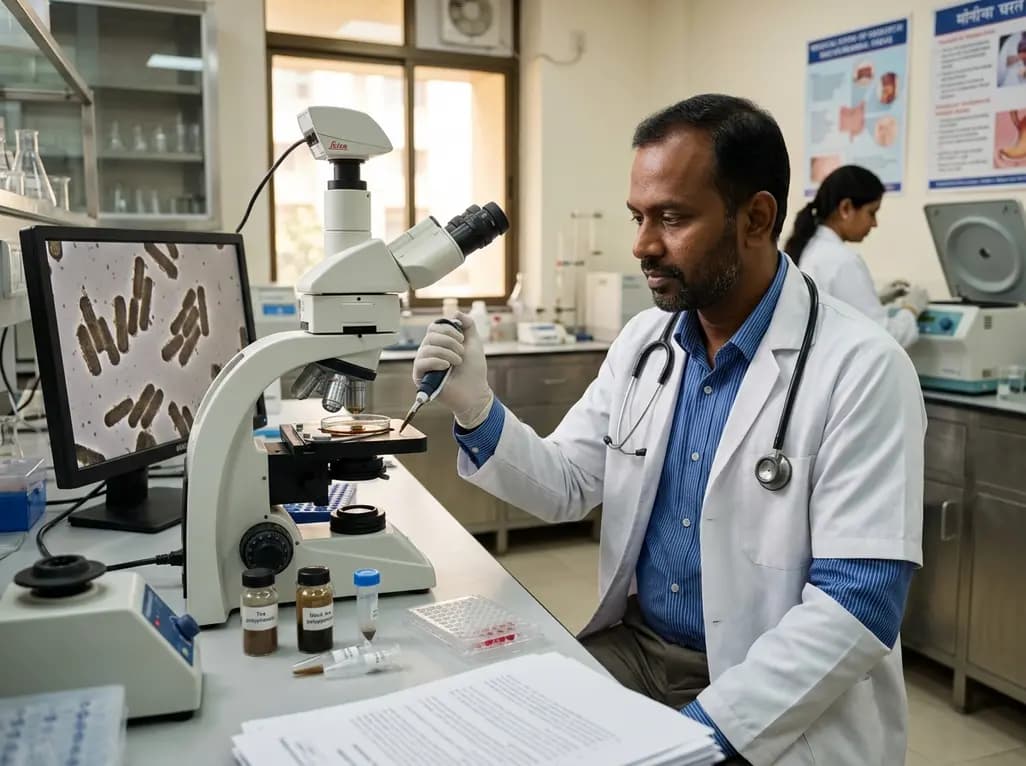
Inflammatory bowel disease represents a chronic relapsing disorder of the digestive tract that affects millions worldwide. In gastroenterology, managing mucosal inflammation in ulcerative colitis remains challenging. Excessive production of reactive oxygen species plays a central role in driving tissue destruction and mucosal ulceration. When oxidative stress overwhelms antioxidant defenses, severe disruption of epithelial tight junctions occurs. Consequently, luminal antigens and bacteria infiltrate the lamina propria, triggering aggressive inflammatory cascades. Furthermore, standard pharmacotherapy often fails to reverse local oxidative damage directly. Therefore, innovative therapeutic platforms that address mucosal inflammation while restoring microbial balance are essential. Scientists are actively investigating how spent black tea polyphenols can serve as potent antioxidant vectors for gastrointestinal healing. By leveraging agro-industrial byproducts, researchers extract rich phytochemical compounds with remarkable safety and biocompatibility. These natural molecules exhibit robust radical scavenging capacities that shield intestinal tissues from oxidative injury. In addition, neutralizing free radicals mitigates cellular apoptosis in inflamed colons. Thus, combating oxidative stress provides an indispensable foundation for resolving mucosal inflammation.
Probiotics, particularly therapeutic strains such as Escherichia coli Nissle 1917, demonstrate remarkable potential for intestinal repair. However, oral administration faces formidable physiological hurdles before reaching distal target sites. Gastric acidity, digestive proteases, and bile salts rapidly diminish bacterial viability during transit. Consequently, unencapsulated probiotics often exhibit poor survival and brief mucosal retention in clinical settings. Moreover, the hostile microenvironment of active colitis generates toxic free radicals that destroy viable bacteria. To overcome this limitation, clinicians require robust encapsulation strategies that protect live microorganisms without compromising biological activity. Traditional synthetic microcapsules often introduce foreign polymers that might provoke tissue irritation or lack antioxidant capabilities. In contrast, natural biomaterials offer intrinsic biochemical synergy. By coating therapeutic microbes in bioactive matrices, researchers ensure safe transit through harsh gastric conditions. Additionally, extended mucosal adherence allows therapeutic strains to colonize inflamed crypts effectively. Therefore, developing functional surface shields represents a critical step toward maximizing probiotic efficacy.
To address delivery barriers, researchers coordinated spent black tea polyphenols with ferric ions to engineer functional bio-coatings. Spent black tea represents an abundant, food-grade byproduct from commercial processing that contains high concentrations of catechins and theaflavins. Hot water extraction isolates these natural antioxidants efficiently without requiring toxic chemical solvents. Subsequently, scientists coordinated these polyphenols with ferric ions on the cellular surface of Escherichia coli Nissle 1917. This process creates a self-assembled metal-polyphenol network designated as ECN@SBT-Fe. This biomimetic layer functions as both a physical shield and an active therapeutic agent. Furthermore, the coating significantly enhances bacterial resilience against simulated gastric juice and bile salts. Additionally, the nanostructured exterior improves adhesion to intestinal epithelial cells, prolonging retention in the colon. Crucially, the external polyphenolic layer neutralizes cytotoxic free radicals before they damage bacterial membranes. As a result, this platform repurposes agricultural waste into a high-value pharmaceutical vehicle that protects living therapeutics.
In preclinical models of dextran sulfate sodium-induced colitis, coated bacterial formulations demonstrated profound therapeutic efficacy. The hybrid metal-polyphenol shell actively consumed excessive reactive oxygen species across inflamed colonic tissue. Consequently, oral administration of the formulation led to substantial reductions in disease activity, mucosal ulceration, and colon shortening. Furthermore, the local scavenging of free radicals suppressed pro-inflammatory cytokines, including tumor necrosis factor-alpha and interleukin-1 beta. Histological evaluations confirmed that the therapy significantly attenuated crypt loss and immune cell infiltration within the lamina propria. In addition, sustained release of polyphenols upregulated endogenous antioxidant enzymes, reinforcing cellular defense mechanisms. Therefore, the combination of living probiotics and active polyphenolic coatings provides dual-action therapeutic synergy. While polyphenols quench oxidative cascades, the underlying commensal bacteria secrete essential metabolic factors that promote mucosal re-epithelialization. Thus, this integrated approach delivers rapid tissue stabilization and accelerates recovery in experimental colitis.
Beyond radical scavenging, the therapeutic platform promotes structural restoration of the intestinal epithelial barrier. Chronic colitis typically degrades critical tight junction proteins, specifically zonula occludens-1 and occludin. As a result, increased intestinal permeability permits continuous endotoxin translocation, which perpetuates chronic systemic inflammation. Coated probiotic administration markedly restored tight junction architecture, thereby sealing the compromised epithelial barrier. Furthermore, the therapy orchestrated beneficial remodeling of the colonic gut microbiota. Colitis-induced dysbiosis usually causes severe depletion of microbial diversity alongside the expansion of pathogenic taxa. Notably, treatment with the polyphenolic coated bacteria expanded overall alpha diversity and promoted beneficial commensal genera. These enriched bacterial populations produce vital short-chain fatty acids, such as butyrate, which nourish colonocytes and modulate immune responses. In addition, suppressing pathogenic overgrowth helped prevent secondary infections and restored healthy host-microbe crosstalk. Consequently, structural healing and ecological rebalancing occur concurrently.
The valorization of spent black tea polyphenols opens compelling avenues for sustainable gastroenterological therapeutics. Agro-industrial waste streams provide an ethical, inexpensive, and abundant source of clinical-grade biomaterials. Therefore, transitioning from synthetic encapsulation polymers to food-derived polyphenolic matrices aligns with green biomedical engineering principles. Moreover, this versatile metal-polyphenol assembly method can readily adapt to diverse probiotic strains and biologics. Clinicians may eventually utilize such multifunctional platforms to complement standard anti-inflammatory therapies in refractory ulcerative colitis. However, translating these preclinical findings into clinical practice requires rigorous human pharmacokinetic and safety evaluations. Researchers must optimize standardized extraction protocols to guarantee batch-to-batch consistency and reliable metal coordination. Additionally, future clinical trials should assess long-term mucosal healing and patient tolerance. If validated across clinical phases, this sustainable bio-coating strategy could revolutionize probiotic delivery and provide cost-effective relief for inflammatory bowel disease.
Spent black tea polyphenols coordinate with ferric ions to form a self-assembled, resilient supramolecular shell around probiotic cells. This biomass coating acts as a physical barrier against severe gastric acidity and bile salts during digestion. Furthermore, the outer polyphenolic network actively neutralizes toxic reactive oxygen species. Consequently, the coated bacteria survive gastrointestinal transit at substantially higher rates and achieve prolonged retention within inflamed intestinal tissue.
Excessive reactive oxygen species drive chronic mucosal inflammation by damaging cellular lipids, proteins, and DNA within the colon. This severe oxidative stress disrupts tight junction proteins, which increases gut permeability and triggers intense immune reactions. By neutralizing free radicals directly, antioxidant therapies reduce pro-inflammatory cytokine expression, protect epithelial cells from apoptosis, and accelerate mucosal healing in active colitis lesions.
Conventional probiotics often suffer from low viability in harsh gastric environments and poor retention in inflamed mucosal areas. In contrast, ECN@SBT-Fe utilizes a multifunctional metal-polyphenol coating derived from sustainable spent tea waste. This formulation simultaneously shields the living bacteria, scavenges localized free radicals, promotes beneficial gut microbiota diversity, and accelerates intestinal epithelial repair, providing superior therapeutic synergy.
Disclaimer: This content is for informational and educational purposes only. Refer to the latest local and national guidelines for clinical practice.
References

Read summarized clinical updates, watch expert medical content, and earn CME certifications right from your smartphone.
Open your smartphone camera to scan and install.





Researchers engineered a functional bio-coating using spent black tea polyphenols and ferric ions to shield Escherichia coli Nissle 1917. The novel platform protects probiotics through gastrointestinal transit, scavenges reactive oxygen species, and alleviates colitis in preclinical models.
last month

A nationwide English cohort study shows that interstitial lung diseases are no longer rare, with incidence jumping 30% and 200,000 active cases. This analysis highlights clinical implications for diagnosis, multi-disciplinary management, and global health priorities across respiratory and internal medicine.
Today

A nationwide South Korean study shows underreporting of smoking among women dropped from 57.4% to 36.4% between 2008 and 2021. However, over one-third of female smokers still conceal their habit, highlighting the critical role of cotinine verification in clinical risk assessment.
Today

PepsiCo and Monster Beverage have challenged the FSSAI ban on the energy drink label in Indian courts. While companies highlight supply disruptions, regulatory actions spotlight severe cardiovascular and metabolic risks associated with excessive caffeine, sugar, and taurine consumption, especially in adolescents.
Today
A new study evaluates the rheological stability of decellularized peripheral nerve matrix hydrogels under varied storage conditions. Findings show -80°C storage and freeze-drying preserve gelation kinetics and mechanical stiffness, offering key insights for shipping and translational clinical applications.
Today

A qualitative meta-synthesis highlights the complex interplay between gender dysphoria, minority stress, and eating disorders in transgender and gender-diverse individuals. Clinicians must recognize these distinct drivers to offer supportive, gender-affirming, and interdisciplinary eating disorder care.
Today
