

Loading, please wait...
Loading, please wait...

Modern oncology has transformed many malignant diseases into chronic conditions. Consequently, clinical survivorship care now prioritizes quality of life alongside recurrence prevention. Sleep disruption represents a pervasive and distressing challenge across various tumor entities. In this context, researchers closely study how sleep quality cancer survivors experience correlates with long-term prognosis. Many patients report persistent insomnia, nighttime awakenings, and unrefreshing rest following multimodality therapy. Therefore, oncologists must understand whether chronic sleep impairment directly affects patient longevity. Previous studies frequently linked poor rest with inflammation, metabolic dysregulation, and neuroendocrine stress. However, broad population-based data examining diverse malignancies over extended follow-up remained sparse. The Netherlands PROFILES registry provides valuable clinical data to answer these vital survivorship questions. By tracking thousands of patients across different cancer types, researchers can identify distinct survival trajectories. Moreover, understanding these patterns helps clinicians determine targeted supportive interventions during post-treatment surveillance.
The investigators analyzed dynamic data from the population-based PROFILES registry in the Netherlands. Specifically, the team examined adult cancer survivors diagnosed between 1990 and 2014 across 11 distinct cancer types. The primary cohort enrolled 7,195 participants to evaluate patient-reported outcomes alongside validated tumor registry metrics. Furthermore, researchers linked subjective responses directly with clinical variables from the Netherlands Cancer Registry. They assessed sleep quality through the insomnia scale of the European Organisation for Research and Treatment of Cancer Core Questionnaire. In addition, a detailed subset of 1,245 colorectal cancer survivors completed the comprehensive Pittsburgh Sleep Quality Index. Investigators categorized sleep quality into three distinct tiers: no impairment, non-clinically important impairment, and clinically important impairment. The study followed participants over a median period of nine years, recording all-cause mortality systematically. Consequently, the extensive longitudinal follow-up provided robust statistical power to evaluate overall survival across heterogeneous survivor populations.
During the nine-year follow-up period, 36% of the 7,195 study participants died. Notably, the initial statistical analysis revealed a significant association between baseline sleep disruption and mortality. Cancer survivors reporting clinically impaired sleep quality exhibited a 17% higher hazard of death compared to good sleepers. Specifically, the unadjusted hazard ratio was 1.17, indicating that severe sleep deficits negatively influence survival. Stratified analyses across individual cancer diagnoses demonstrated remarkably consistent patterns across solid and hematologic tumors. Therefore, chronic sleep disturbance serves as an important general marker of compromised physiological resilience. Furthermore, poor sleep compromises circadian rhythmicity, alters immune surveillance, and promotes systemic inflammatory pathways. Consequently, patients experiencing persistent nocturnal disruption face compounding health risks over time. Clinicians must recognize that self-reported sleep complaints provide meaningful prognostic clues during routine follow-up. Thus, systematic sleep assessment delivers critical value beyond standard oncological disease staging.
Although initial estimates linked poor sleep to increased mortality, confounding psychosocial factors require meticulous evaluation. Specifically, depressive symptoms frequently coexist with insomnia in oncological patients. When the researchers adjusted their multivariable Cox regression model for depressive symptoms, the mortality association changed markedly. The adjusted hazard ratio for sleep quality dropped to 1.10 and lost statistical significance. Therefore, depressive symptoms appear to drive much of the observed mortality risk linked to subjective insomnia. Depressive disorders induce neuroendocrine dysregulation, reduce physical activity, and impair treatment compliance among cancer survivors. Moreover, negative affective states promote chronic low-grade inflammation that accelerates biological aging. Consequently, clinicians cannot view sleep disturbance as an isolated physical complaint. Instead, physicians should consider impaired sleep as part of a broader psychoneuroimmunological symptom cluster. Comprehensive survivorship care therefore demands simultaneous screening for both mood disorders and sleep dysfunction.
The researchers conducted a deeper sub-analysis among 1,245 colorectal cancer survivors using the Pittsburgh Sleep Quality Index. Interestingly, this detailed exploration uncovered findings that persisted despite full psychological adjustment. In this cohort, excessive daytime dysfunction remained significantly associated with reduced overall survival. Furthermore, prolonged sleep duration independently predicted higher mortality among these colorectal cancer survivors. Notably, these specific associations retained statistical significance even after controlling thoroughly for depressive symptoms. Prolonged sleep often signals underlying systemic fatigue, sarcopenia, occult metastatic progression, or metabolic decline. Similarly, severe daytime dysfunction reflects functional impairment that prevents healthy physical activity and nutritional maintenance. Therefore, distinct sleep components carry independent prognostic value in gastrointestinal oncology. Clinicians should specifically question survivors about their daytime functioning and total bed rest hours rather than simply asking about nocturnal wakefulness.
These findings provide clear guidance for multidisciplinary oncological and primary care practice. First, healthcare providers must routinely screen cancer survivors for chronic sleep disturbances and daytime dysfunction. However, practitioners should never treat persistent sleep complaints without evaluating concurrent psychiatric health. Because depressive symptoms largely explain the mortality association of generic insomnia, addressing psychological distress remains paramount. Evidence-based interventions such as cognitive behavioral therapy for insomnia simultaneously alleviate depressive symptoms and improve sleep architecture. In addition, clinicians should investigate prolonged sleep duration as a potential red flag for metabolic or physical decompensation. Promoting structured physical exercise and balanced daily routines helps restore natural circadian timing. Consequently, proactive survivorship care can enhance both functional recovery and long-term health outcomes. Integrating structured sleep evaluations into routine cancer follow-up visits ultimately ensures holistic, patient-centered survivorship management.
Impaired sleep quality initially associates with a seventeen percent increased mortality hazard in cancer survivors. However, depressive symptoms largely account for this broad relationship. Nonetheless, persistent sleep problems diminish physiological recovery, heighten inflammatory stress, and indicate significant underlying psychosocial vulnerability during long-term cancer survivorship.
Depressive symptoms frequently overlap with sleep disturbance and strongly influence survivor longevity. Depression causes neuroendocrine imbalance, unhealthy behaviors, and poor treatment adherence. When researchers controlled for depressive symptomatology, the standalone statistical impact of insomnia dissipated, showing that psychological distress drives much of the observed mortality risk.
Among colorectal cancer survivors, marked daytime dysfunction and abnormally long sleep duration independently predict lower overall survival. Unlike general insomnia, these two components retain statistical significance after adjusting for depression. Consequently, clinicians should regard prolonged sleep and daytime exhaustion as critical clinical indicators of systemic physical decline.
Disclaimer: This content is for informational and educational purposes only and does not constitute medical advice, diagnosis, or treatment. Healthcare professionals should exercise their independent clinical judgment when interpreting or applying this information. Clinical decisions must always be tailored to individual patient circumstances, adhering to prevailing standards of care, regulatory requirements, and institutional guidelines. The authors and publishers assume no liability for any direct, indirect, or consequential damages resulting from the use of this content. Refer to the latest local and national guidelines for clinical practice.
References

Read summarized clinical updates, watch expert medical content, and earn CME certifications right from your smartphone.
Open your smartphone camera to scan and install.





A Dutch PROFILES registry study reveals that impaired sleep quality in cancer survivors links to reduced overall survival, largely mediated by depressive symptoms, while daytime dysfunction and long sleep independently predict mortality in colorectal cancer.
Today

The Food Safety and Standards Authority of India has issued an urgent advisory against food business operators violating mandatory labelling standards for nutraceuticals and botanicals. Regulators prohibited therapeutic claims while mandating clear advisory warnings to prevent patient toxicity and medical misuse.
Today

Biotechnology researchers in India are developing an automated liquid biopsy platform to detect cervical malignancy from blood samples. Supported by the MAHA MedTech Mission, this initiative applies nanopore sequencing and piRNA biomarker detection to eliminate invasive speculum exams and expand rural screening.
Today
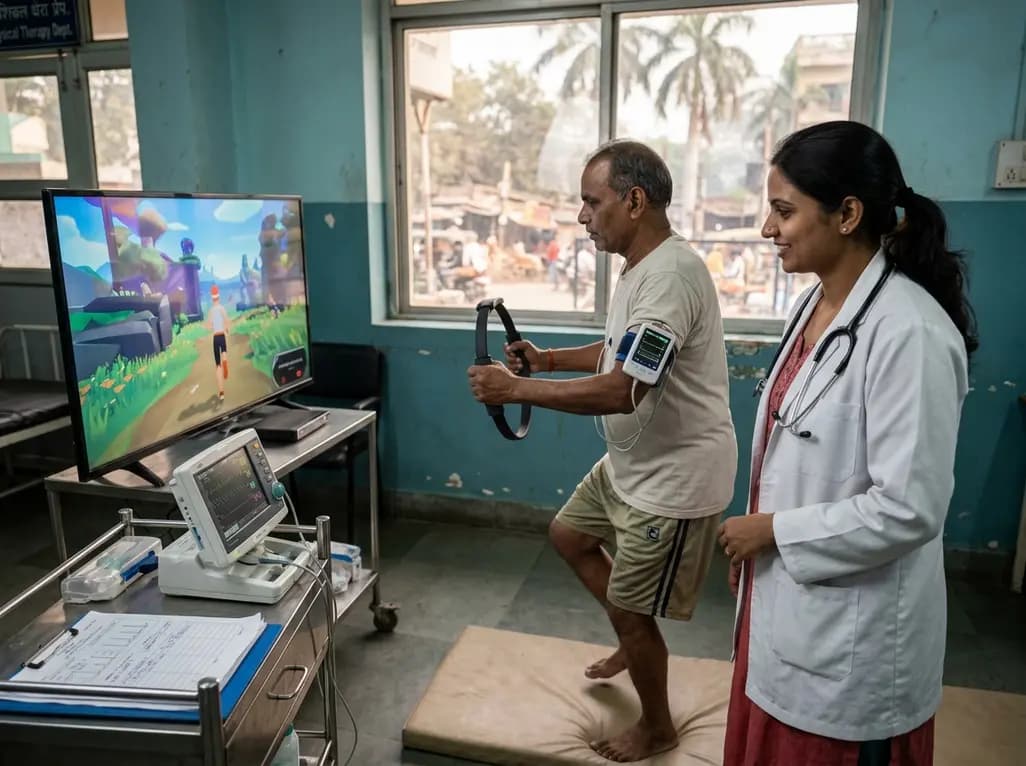
A clinical study evaluated Ring Fit Adventure in adults with chronic conditions, revealing that exergaming achieves moderate-to-vigorous exercise intensity while maintaining hemodynamic stability, high enjoyment, and zero adverse events.
Today

A retrospective cohort study reveals that selecting the touched vertebra as the lowest instrumented vertebra in thoracic adolescent idiopathic scoliosis yields a 20.8% distal add-on rate, driven by remnant motion segments and axial rotational discrepancies.
Today
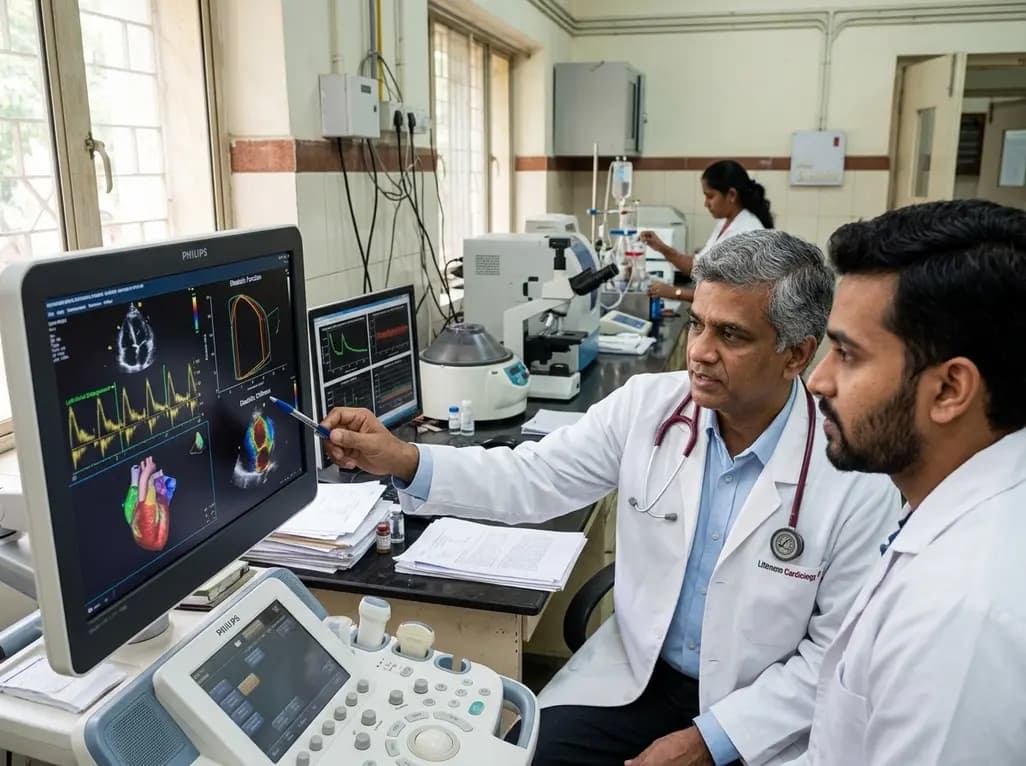
A study evaluates a cardiometabolic HFpEF model combining metabolic stress with chronic mineralocorticoid excess. The findings reveal profound diastolic stiffness, endothelial dysfunction, and pulmonary hypertension, illuminating key pathophysiological mechanisms for targeted cardiopulmonary therapies.
Today
