

Loading, please wait...
Loading, please wait...

The sleep problem acceptance questionnaire serves as a valuable clinical tool for assessing how patients respond to chronic sleeplessness. Chronic insomnia affects millions of individuals worldwide and presents complex psychological challenges. Traditional therapeutic models often focus heavily on direct symptom reduction and sleep hygiene. However, modern behavioral medicine emphasizes psychological flexibility and acceptance. Patients frequently struggle against nighttime sleeplessness, which unintentionally heightens physiological and cognitive arousal. Acceptance and Commitment Therapy addresses this cycle by encouraging willingness to experience insomnia without judgment. Therefore, measuring sleep-related acceptance has become fundamental for clinical sleep researchers. Clinicians need reliable instruments to evaluate patient attitudes toward sleep difficulties.
Furthermore, sleep researchers originally adapted acceptance principles from chronic pain models to target sleep difficulties. Assessing acceptance provides crucial insights beyond conventional subjective sleep logs. When patients learn to stop resisting insomnia, daytime functioning frequently improves. Therefore, clinicians gain significant prognostic information by measuring these psychological constructs directly. International validation of such instruments remains critical across diverse linguistic and cultural groups. Consequently, recent psychometric investigations have extended this assessment framework to Asian populations.
Researchers recently evaluated the psychometric properties of the Japanese version of the scale in a large clinical cohort. Specifically, the investigative team enrolled 861 adult participants presenting with notable insomnia symptoms. They used rigorous forward-backward translation protocols with permission from the original developers. Subsequently, investigators conducted confirmatory factor analysis to explore the structural integrity of the instrument. The analysis confirmed that the translated questionnaire successfully retained the original two-factor model. These two underlying dimensions represent Activity Engagement and Willingness. In addition, statistical goodness-of-fit indices supported this robust structural model.
Moreover, the confirmatory factor analysis revealed favorable comparative fit indices across the entire sample. The Comparative Fit Index reached 0.972, while the Tucker-Lewis Index attained 0.958. Similarly, the root mean square error of approximation remained acceptable at 0.082. The standardized root mean square residual was 0.059. Crucially, measurement invariance analyses demonstrated stable factor structures across sex and age subgroups. Consequently, clinicians can utilize the scale reliably across varied demographic groups without measurement bias. These robust structural findings affirm that Japanese adults conceptualize sleep acceptance through two distinct psychological domains.
Psychometric evaluation requires careful assessment of both internal consistency and temporal stability. In this validation study, the Japanese instrument demonstrated strong internal consistency across both primary subscales. Specifically, the Activity Engagement subscale achieved a Cronbach alpha of 0.868 and McDonald omega of 0.870. Furthermore, the Willingness subscale exhibited excellent internal consistency, with both alpha and omega reaching 0.895. These elevated coefficients confirm that individual items within each dimension measure a cohesive construct. Therefore, clinicians can trust the internal cohesion of the questionnaire when assessing patients.
However, test-retest reliability assessments revealed findings that fell slightly below standard clinical thresholds. Specifically, the intraclass correlation coefficient was 0.586 for Activity Engagement and 0.589 for Willingness. These values indicate moderate temporal reproducibility over the retest interval. Nevertheless, researchers suggest that psychological acceptance states may fluctuate based on current nocturnal distress. In addition, acute sleep quality changes during the testing window may influence patient ratings. Consequently, clinicians should interpret single-point assessments cautiously when monitoring long-term treatment response.
Construct validity represents another vital dimension in validating behavioral health assessment instruments. The researchers administered established scales measuring experiential avoidance, dysfunctional beliefs, and insomnia catastrophizing. Furthermore, participants completed assessments measuring pre-sleep arousal and maladaptive sleep-related safety behaviors. Correlational analyses revealed that the Willingness subscale maintained moderate correlations across all related psychopathological measures. Conversely, the Activity Engagement subscale demonstrated moderate-to-weak correlations with these symptomatic indicators. These divergent correlations provide important insights into how different facets of acceptance operate in chronic insomnia.
Additionally, hierarchical multiple regression analysis provided compelling evidence for the incremental validity of the instrument. Adding the acceptance subscales significantly enhanced the statistical explanation of sleep disturbance severity. Thus, sleep-related acceptance accounts for unique variance beyond general experiential avoidance and catastrophic thoughts. Moreover, these findings highlight that willingness to tolerate distress directly dampens sleep-related anxiety. Therefore, the construct of sleep acceptance serves as an independent predictor of overall sleep-related well-being.
The introduction of validated acceptance scales significantly enriches clinical practice in sleep medicine. Historically, cognitive behavioral therapy for insomnia primarily emphasized cognitive restructuring and strict behavioral conditioning. While highly effective, many patients struggle with persistent sleep-focused anxiety despite traditional interventions. Therefore, third-wave behavioral approaches, particularly Acceptance and Commitment Therapy, have gained widespread clinical momentum. These therapies teach patients to cease struggling against sleeplessness and pursue meaningful daytime activities. Clinicians can utilize acceptance questionnaires to identify individuals caught in exhausting struggles with sleep. Consequently, therapeutic teams can design personalized interventions targeting psychological inflexibility.
Furthermore, separating Activity Engagement from Willingness offers actionable diagnostic clarity during therapy. For instance, low Willingness scores indicate that patients actively fight wakefulness and amplify bedtime distress. Conversely, low Activity Engagement indicates that patients abandon daily pursuits due to sleep fatigue. Therapists can therefore direct specific mindfulness exercises toward bedtime willingness or daytime engagement. In addition, tracking these subscales during therapy helps clinicians quantify psychological transformation over time. Ultimately, integrating acceptance metrics into routine sleep assessments promotes more compassionate and effective patient care.
The questionnaire evaluates psychological flexibility regarding sleep difficulties through two primary dimensions: Activity Engagement and Willingness. Specifically, it assesses whether individuals continue pursuing meaningful daytime activities despite poor sleep, while also measuring their willingness to experience insomnia symptoms without engaging in counterproductive struggles or distress.
Test-retest reliability may fall below optimal thresholds because psychological acceptance naturally fluctuates alongside transient sleep quality and acute daily stressors. Furthermore, participants may experience varying levels of bedtime frustration between assessments, which temporarily alters their perceived willingness to tolerate insomnia during short retest intervals.
Sleep problem acceptance guides Acceptance and Commitment Therapy by identifying whether a patient struggles with daytime disengagement or bedtime avoidance. Consequently, clinicians can tailor specific mindfulness exercises, reduce counterproductive sleep-related safety behaviors, and support patients in resuming valued personal activities regardless of nighttime wakefulness.
Disclaimer: This content is for informational and educational purposes only and does not constitute medical advice. Healthcare professionals should exercise their independent clinical judgment. Refer to the latest local and national guidelines for clinical practice.
References
Bando M et al. Reliability and validity of the Japanese version of the Sleep Problem Acceptance Questionnaire. PLoS One. 2026. doi: 10.1371/journal.pone.0358990. PMID: 42886717.
Bothelius K, Jernelöv S, Fredrikson M, McCracken LM, Kaldo V. Measuring Acceptance of Sleep Difficulties: The Development of the Sleep Problem Acceptance Questionnaire. Sleep. 2015;38(11):1815-1822. doi: 10.5665/sleep.5170.
Rafihi-Ferreira RE, Carmo M, Paulos-Guarnieri L, Pires MLN. Psychometric examination of the Sleep Problems Acceptance Questionnaire with a Brazilian sample: Insights on validity and measurement invariance. Trends Psychiatry Psychother. 2025. doi: 10.47626/2237-6089-2025-1136.

Read summarized clinical updates, watch expert medical content, and earn CME certifications right from your smartphone.
Open your smartphone camera to scan and install.





A psychometric validation study of the Japanese Sleep Problem Acceptance Questionnaire confirms its two-factor structure and internal consistency among adults with insomnia, underscoring the clinical utility of measuring psychological flexibility and acceptance in evidence-based sleep medicine.
Today

The Food Safety and Standards Authority of India has issued an urgent advisory against food business operators violating mandatory labelling standards for nutraceuticals and botanicals. Regulators prohibited therapeutic claims while mandating clear advisory warnings to prevent patient toxicity and medical misuse.
Today

Biotechnology researchers in India are developing an automated liquid biopsy platform to detect cervical malignancy from blood samples. Supported by the MAHA MedTech Mission, this initiative applies nanopore sequencing and piRNA biomarker detection to eliminate invasive speculum exams and expand rural screening.
Today
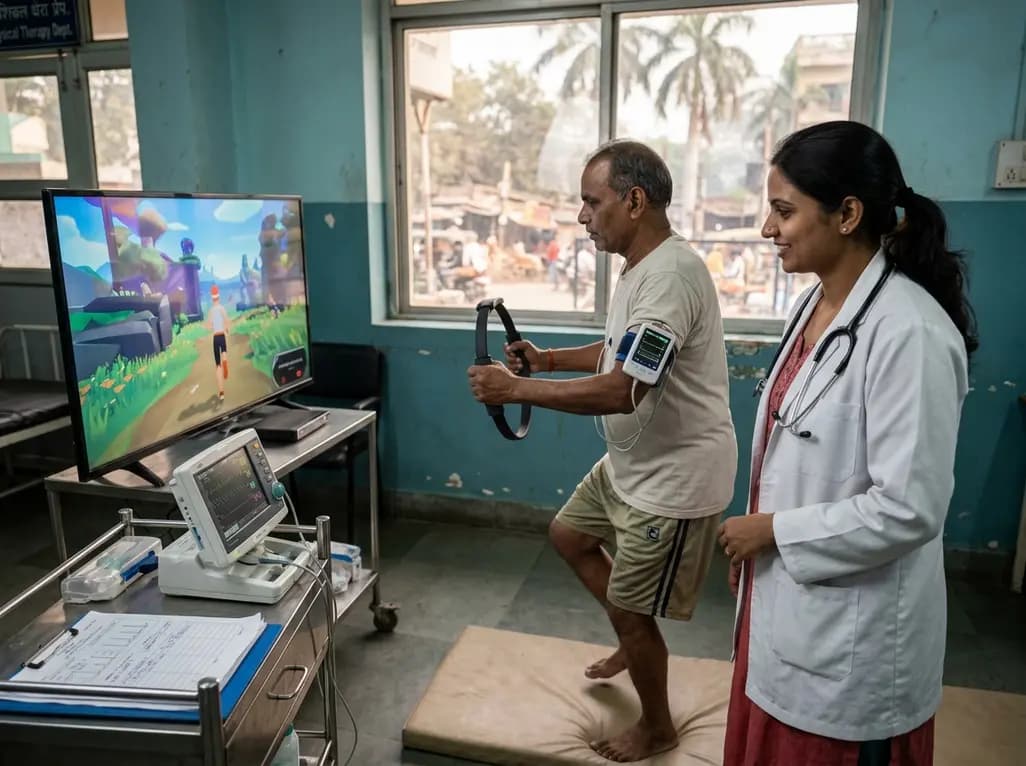
A clinical study evaluated Ring Fit Adventure in adults with chronic conditions, revealing that exergaming achieves moderate-to-vigorous exercise intensity while maintaining hemodynamic stability, high enjoyment, and zero adverse events.
Today

A retrospective cohort study reveals that selecting the touched vertebra as the lowest instrumented vertebra in thoracic adolescent idiopathic scoliosis yields a 20.8% distal add-on rate, driven by remnant motion segments and axial rotational discrepancies.
Today
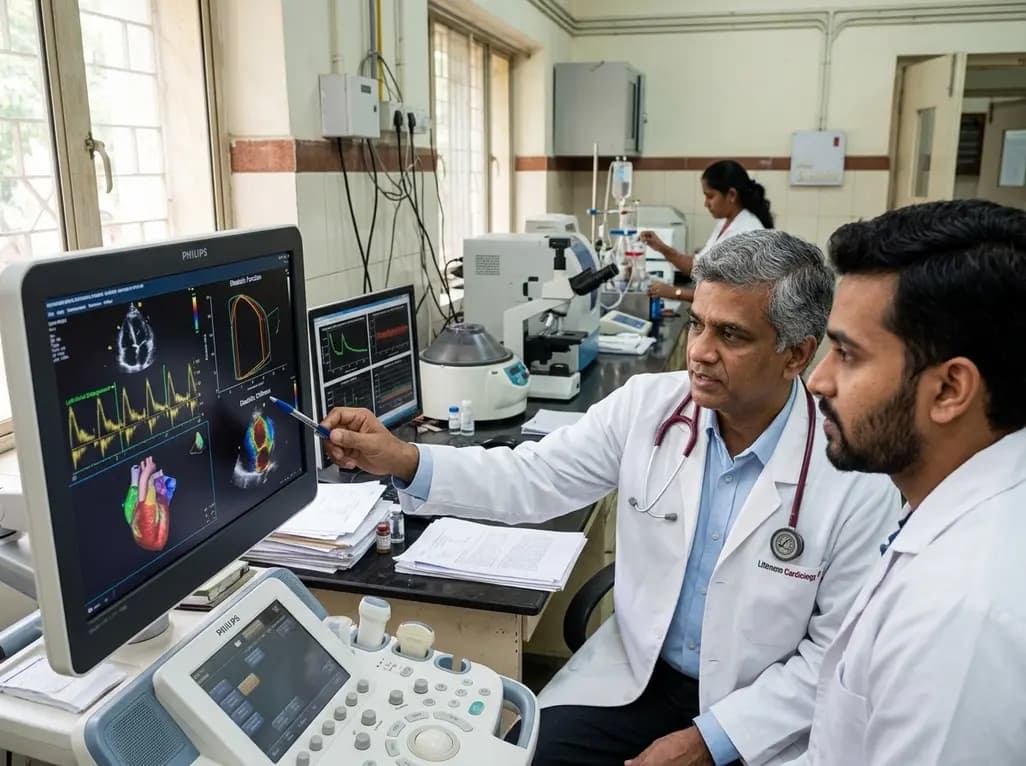
A study evaluates a cardiometabolic HFpEF model combining metabolic stress with chronic mineralocorticoid excess. The findings reveal profound diastolic stiffness, endothelial dysfunction, and pulmonary hypertension, illuminating key pathophysiological mechanisms for targeted cardiopulmonary therapies.
Today
