

Loading, please wait...
Loading, please wait...

The skin functions far beyond a passive physical shield against external insults. Recent scientific breakthroughs establish the cutaneous envelope as a dynamic immunological headquarters that directly shapes whole-body physiology. Specifically, researchers now recognize that skin-derived systemic immunity coordinates distant physiological functions across multiple organ systems. Cutaneous tissue continuously encounters foreign antigens, environmental toxins, and commensal microbes. Consequently, epidermal cells synthesize bioactive chemical communicators that enter circulation. In addition, activated skin cells guide distant immunological responses in the bone marrow, gut, lungs, and joints. This paradigm shift fundamentally redefines dermatological biology. Clinicians must now understand how cutaneous reactions impact multisystem disorders and overall organismal homeostasis.
Skin tissue hosts a dense network of specialized immune cells that actively patrol the periphery. When physical barriers suffer trauma or pathogen invasion, epidermal Langerhans cells and dermal dendritic cells rapidly capture foreign antigens. Subsequently, these antigen-presenting cells mature and migrate via lymphatic channels to draining lymph nodes. Importantly, these migratory populations do not remain confined to local nodal stations. Instead, cutaneous dendritic cells instruct naive T lymphocytes with distinct homing programs. These programs direct effector cells toward distant mucosal and visceral tissues. Furthermore, skin-resident memory T cells can re-enter systemic circulation during sustained inflammatory episodes. Keratinocytes simultaneously release alarmins such as interleukin-33, thymic stromal lymphopoietin, and interleukin-1 alpha. These alarmins stimulate group 2 innate lymphoid cells and prime circulating monocytes. Therefore, localized cutaneous excitation rapidly amplifies into coordinated systemic leukocyte activation. This cellular relay demonstrates that the skin operates as a central dispatcher for systemic immune responses across distant tissues.
Beyond cellular transit, the skin generates powerful metabolic mediators that travel through the bloodstream. Epidermal keratinocytes and cutaneous adipocytes produce a diverse repertoire of specialized lipid species during barrier restoration. For example, bioactive sphingolipids, oxidized free fatty acids, and eicosanoids readily permeate dermal microvessels. Consequently, these cutaneous lipids modulate systemic vascular tone and metabolic signaling pathways in distant organs. In addition, sunlight exposure stimulates cutaneous synthesis of active vitamin D metabolites and neuroendocrine hormones. These cutaneous photoproducts circulate systemically and reprogram monocyte precursors within the bone marrow. As a result, cutaneous metabolic states directly tune systemic myeloid cell differentiation and baseline inflammatory readiness. Furthermore, local skin inflammation alters systemic lipid metabolism, promoting dyslipidemia and pro-atherogenic vascular profiles. Cellular energy shifts within inflamed skin also deplete circulating nutrients, altering whole-body glucose regulation. Thus, epidermal metabolic output exerts direct control over endocrine balance and vascular health throughout the human body.
Chronic inflammatory dermatoses clearly illustrate the broad reach of cutaneous signals. For instance, atopic dermatitis often initiates the atopic march, predisposing pediatric patients to allergic rhinitis, food allergies, and asthma. Defective epidermal barrier function allows persistent allergen penetration, which triggers systemic type 2 cytokines like interleukin-4 and interleukin-13. Consequently, circulating inflammatory mediators prime distant airway mucosal surfaces for hypersensitivity reactions. Similarly, psoriasis represents much more than an isolated cutaneous plaque disorder. Activated keratinocytes and dermal T helper 17 cells continuously secrete interleukin-17, interleukin-23, and tumor necrosis factor. These potent inflammatory mediators leak into systemic circulation and reach cardiovascular tissues, hepatic parenchyma, and synovial joints. Therefore, patients with severe psoriasis frequently experience psoriatic arthritis, accelerated atherosclerosis, and increased myocardial infarction risk. Clinicians must recognize that cutaneous inflammation serves as a persistent generator of vascular inflammation. Treating skin disease aggressively can reduce the burden of severe systemic comorbid pathologies across multiple organs.
Deciphering cutaneous immune pathways creates unprecedented opportunities for therapeutic innovation, especially in preventive immunization. The skin possesses a far higher concentration of professional antigen-presenting cells than deep muscle tissue. Consequently, delivering vaccines via the dermis provokes robust humoral and cellular protection using significantly lower antigen doses. Researchers currently develop microneedle patches and needle-free jet injectors to exploit this immunological advantage. Furthermore, cutaneous vaccination stimulates durable mucosal immunity in the respiratory and gastrointestinal tracts through targeted cellular homing imprinting. In addition, transdermal platforms eliminate cold-chain storage requirements, which proves invaluable for widespread immunization initiatives across diverse regions. Scientists also engineer synthetic cutaneous adjuvants that specifically stimulate skin dendritic cell subsets. These targeted formulations generate potent antigen-specific cytotoxic T lymphocyte responses against viral pathogens and cutaneous malignancies. Thus, skin-targeted delivery systems promise to transform global vaccination access and therapeutic cancer vaccine efficacy in clinical practice.
The realization that skin commands systemic immunity demands a comprehensive overhaul of traditional clinical practice paradigms. Primary care physicians, dermatologists, rheumatologists, and cardiologists must collaborate closely when managing chronic dermatological diseases. Routine clinical evaluations of patients with chronic plaque psoriasis should incorporate cardiovascular risk stratification and metabolic screening. Similarly, physicians treating refractory pediatric atopic dermatitis should proactively monitor patients for early pulmonary symptoms. Furthermore, clinicians can utilize cutaneous biomarkers to forecast systemic disease trajectories before overt organ damage emerges. Targeted biologic therapies and small-molecule inhibitors that suppress skin inflammation simultaneously alleviate systemic inflammatory indices, including high-sensitivity C-reactive protein. Educating patients about the link between skin barrier integrity and systemic health encourages greater adherence to barrier-restoring topical therapies. Ultimately, prioritizing comprehensive cutaneous care protects both the epidermal envelope and essential internal organ systems over the long term.
Cutaneous inflammation triggers systemic disease because inflamed skin releases large amounts of pro-inflammatory cytokines into the bloodstream. Mediators like interleukin-17, interleukin-6, and tumor necrosis factor travel through microvessels to distant tissues. Consequently, these circulating signals stimulate vascular endothelial cells, activate hepatocytes, and promote hepatic acute-phase protein synthesis. Migratory immune cells also exit the skin to infiltrate distant organs, accelerating atherosclerotic plaque formation, metabolic dysregulation, and joint inflammation across multiple organs.
Intradermal delivery outperforms intramuscular injections because the dermis contains exceptionally high densities of professional antigen-presenting cells. Dermal dendritic cells and Langerhans cells capture vaccine antigens much more efficiently than skeletal muscle tissue. Consequently, these specialized cells migrate directly to regional lymph nodes, stimulating powerful B-cell and T-cell responses with smaller antigen doses. Furthermore, this route imprints specific mucosal homing receptors on activated lymphocytes, conferring superior systemic and mucosal immune defense against pathogens.
Yes, robust evidence confirms that effective topical treatments substantially reduce systemic inflammation. Restoring the epidermal barrier with regular emollient therapy prevents environmental allergen penetration and calms cutaneous cytokine generation. In addition, potent topical anti-inflammatory agents like corticosteroids and calcineurin inhibitors suppress localized alarmin release. Consequently, fewer inflammatory mediators enter circulation, leading to measurable drops in circulating C-reactive protein and pro-inflammatory interleukins. This localized intervention thereby protects distant vascular and metabolic tissues from ongoing inflammatory damage.
Disclaimer: This content is for informational and educational purposes only... Refer to the latest local and national guidelines for clinical practice.
References

Read summarized clinical updates, watch expert medical content, and earn CME certifications right from your smartphone.
Open your smartphone camera to scan and install.





Recent discoveries reveal that the skin acts as an active systemic immune regulator. Skin-derived metabolic signals, inflammatory cytokines, and migratory dendritic cells modulate distant organ pathology, offering therapeutic opportunities for inflammatory diseases and needle-free transdermal vaccine innovations.
Today
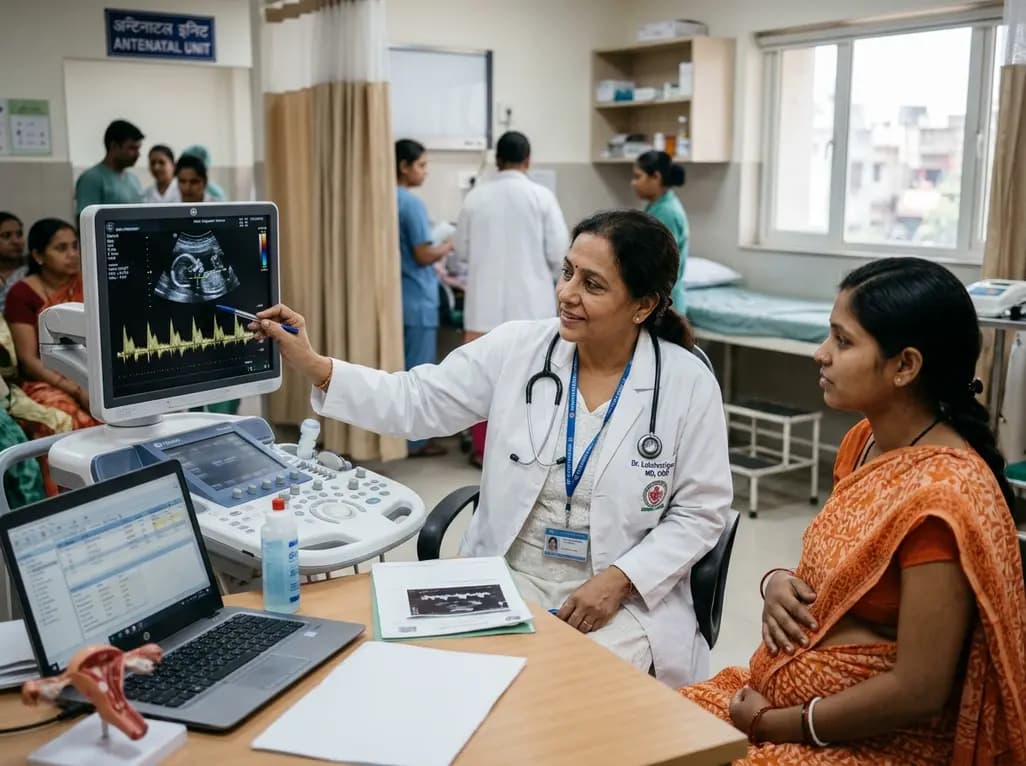
Non-RhD alloimmunization poses an emerging challenge in modern obstetric care as RhIG reduces RhD cases. This review highlights key non-RhD antigens, Doppler monitoring, and neonatal management strategies.
Today

New phase I data evaluate the impact of food and beverages on enlicitide, the first oral PCSK9 inhibitor. While food reduces peak absorption, model simulations demonstrate robust LDL-C lowering of approximately 60%, confirming meaningful pharmacokinetic forgiveness and flexible real-world administration.
Today

A large registry study reveals that postoperative dysphagia occurs more frequently and persists longer after multilevel anterior cervical spine surgery than single-level procedures. Key risk factors include baseline dysphagia, diabetes, upper cervical segment involvement, and medical comorbidities.
Today

A landmark UK Biobank study by Karolinska Institutet researchers reveals that optimal rest mitigates neurodegeneration in cardiometabolic illness. Patients maintaining high sleep quality demonstrated superior cognitive scores and larger brain volumes, highlighting sleep optimization as an actionable clinical strategy.
Today
