.webp&w=384&q=75)

Loading, please wait...
Loading, please wait...
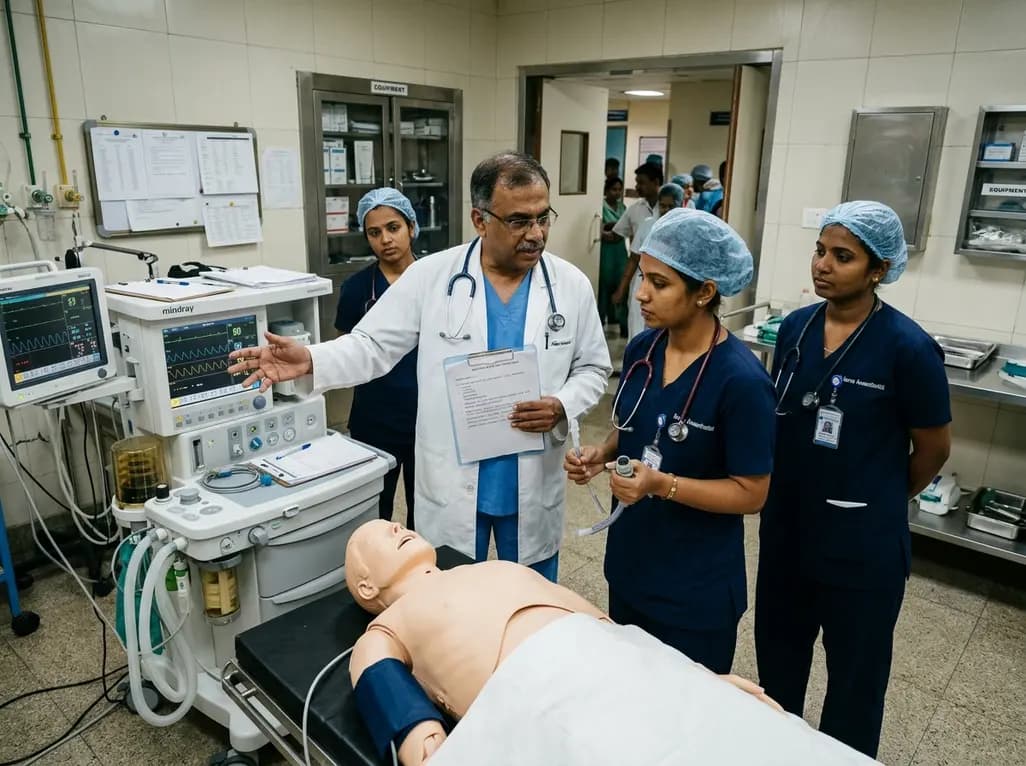
Simulation education is a cornerstone of modern perioperative learning, yet translating classroom competencies into operating theatre performance remains challenging. A recent qualitative study investigates the precise mechanisms governing simulation-based training transfer among nurse anaesthetists. Using the Transfer of Training Theory framework, researchers explored how individual characteristics, instructional design, and workplace environments interact to influence clinical application. Consequently, medical educators and clinical leaders must recognise that technical practice alone does not guarantee superior patient care. Instead, successful translation requires structured pathways that connect simulated drills directly to everyday perioperative workflows.
Individual practitioner characteristics strongly influence how effectively trainees implement new knowledge in acute clinical settings. The study demonstrated that intrinsic motivation to safeguard patient safety serves as the primary driver for clinical adoption. When nurse anaesthetists recognise direct links between simulated scenarios and real-world crisis prevention, their engagement increases significantly. Furthermore, high baseline self-efficacy empowers clinicians to execute critical interventions under pressure without hesitation. Reflective adaptability also plays a crucial role in clinical decision-making. Clinicians who routinely self-reflect can modify learned protocols to suit dynamic operative conditions. Conversely, anxiety and fear of failure often hinder the adoption of novel practices. Therefore, clinical educators must nurture psychological safety and self-efficacy alongside procedural competencies to facilitate seamless skill application in high-stakes environments.
Instructional design characteristics determine whether learners perceive simulation exercises as authentic representations of their clinical reality. In this investigation, limited contextual realism emerged as a major barrier to successful educational transfer. When simulation scenarios lack authentic team dynamics or realistic equipment constraints, learners struggle to map their responses to real operating rooms. Therefore, curriculum designers must create high-fidelity scenarios that mirror actual anaesthetic nursing workflows and interprofessional communications. Moreover, educational programs should incorporate multidisciplinary team members, including senior anaesthesiologists and surgical staff. This collaborative approach reflects true crisis resource management dynamics. By replicating realistic environmental stressors and clinical nuances, simulation centres can bridge the gap between artificial practice and authentic operative interventions.
Debriefing represents the vital cognitive engine of simulation education, transforming raw experience into meaningful, actionable insights. However, the study identified generic and insufficiently individualised debriefing sessions as critical weaknesses in current curricula. When debriefers offer only superficial feedback, trainees fail to internalise underlying clinical reasoning frameworks. Consequently, structured debriefing models led by experienced clinician educators are indispensable for sustainable learning. Facilitators must provide tailored, learner-centred feedback that addresses both technical precision and non-technical communication skills. Involving senior anaesthetists alongside experienced nurse anaesthetists in debriefing ensures rich clinical perspectives. Ultimately, personalised debriefing helps clinicians analyse cognitive biases, identify operational blind spots, and develop specific action plans for routine clinical practice.
Even the most comprehensive educational program falters if the clinical workplace does not actively reinforce new behaviours. Participants highlighted that limited organisational support, restrictive unit cultures, and excessive daily workloads frequently impede practice change. When hospital leadership fails to provide dedicated time or resources for clinical implementation, staff quickly revert to legacy habits. In contrast, supportive departments encourage constructive feedback and active peer learning. Moreover, senior clinicians and nursing supervisors must act as champions for evidence-based change. When departmental leaders welcome innovative practices, junior team members feel empowered to execute updated protocols. Therefore, healthcare institutions must foster an environment that actively embraces quality improvement and continuous professional development.
Achieving sustainable training transfer requires healthcare organisations to view simulation as an ongoing longitudinal pathway rather than an isolated educational event. Departmental managers should implement regular post-training follow-up meetings to discuss implementation barriers and celebrate clinical successes. Furthermore, clinical educators must assess practical application at three to six months post-training to evaluate skill retention. Nursing administrators should also update departmental standard operating procedures to reflect evidence-based practices taught during simulation. Incorporating these protocols into institutional policies ensures consistent clinical execution across surgical specialties. Consequently, combining structured post-training evaluation with clear policy integration creates a reliable framework that safeguards patient outcomes across all perioperative care settings.
The primary objective is ensuring that technical skills, critical thinking, and non-technical crisis resource management learned during simulation are consistently and effectively applied during real-world perioperative patient care to maximise clinical safety.
Generic debriefing fails to address specific cognitive errors, individual knowledge gaps, and nuanced emotional responses. Without tailored, actionable feedback from experienced educators, clinicians struggle to translate simulated lessons into practical bedside interventions.
Leaders can support implementation by establishing open communication cultures, updating standard operating procedures, conducting formal follow-up evaluations at three to six months, and providing protected time for peer-led clinical reviews.
Disclaimer: This content is for informational and educational purposes only and does not constitute medical advice. It is not intended to be a substitute for professional medical advice, diagnosis, or treatment. Always seek the advice of your physician or other qualified health provider with any questions you may have regarding a medical condition. Please note that medical practices, guidelines, and regulations may vary by jurisdiction. Refer to the latest local and national guidelines for clinical practice.
References

Read summarized clinical updates, watch expert medical content, and earn CME certifications right from your smartphone.
Open your smartphone camera to scan and install.





A qualitative study investigates factors affecting the clinical transfer of simulation-based training among nurse anaesthetists. Key determinants include personal readiness, debriefing quality, workflow alignment, and longitudinal workplace support to enhance perioperative safety and clinical performance.
4 weeks back
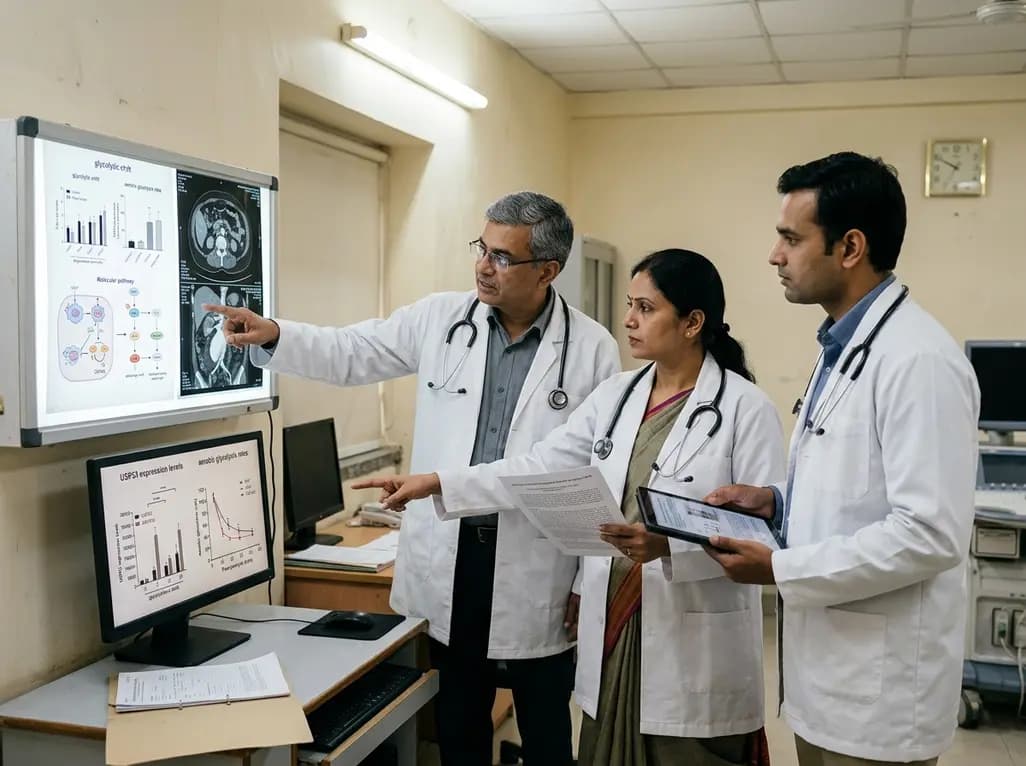
Abdominal aortic aneurysm rupture remains a catastrophic vascular emergency. Groundbreaking research reveals that USP53 accelerates aneurysm progression by reprogramming smooth muscle cell metabolism toward aerobic glycolysis, highlighting a promising target beyond conventional diameter-based surveillance.
Today

A pharmacometric and machine learning study reveals that specific vaginal bacteria alter cervical antiretroviral exposure, highlighting the need for precision HIV PrEP strategies.
Today
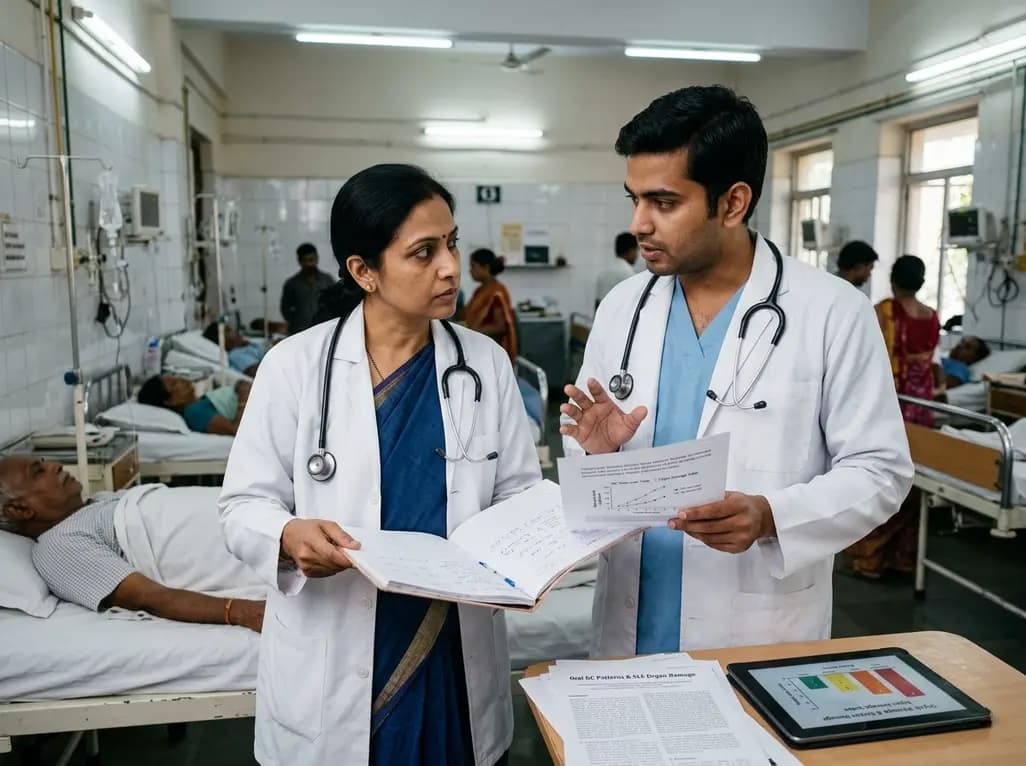
A nationwide Swedish cohort study shows oral glucocorticoid exposure over 1-2 years strongly predicts overall organ damage in SLE, while cardiovascular risk reflects cumulative doses across 3 years. These findings reinforce early steroid minimization and cautious long-term maintenance.
Today
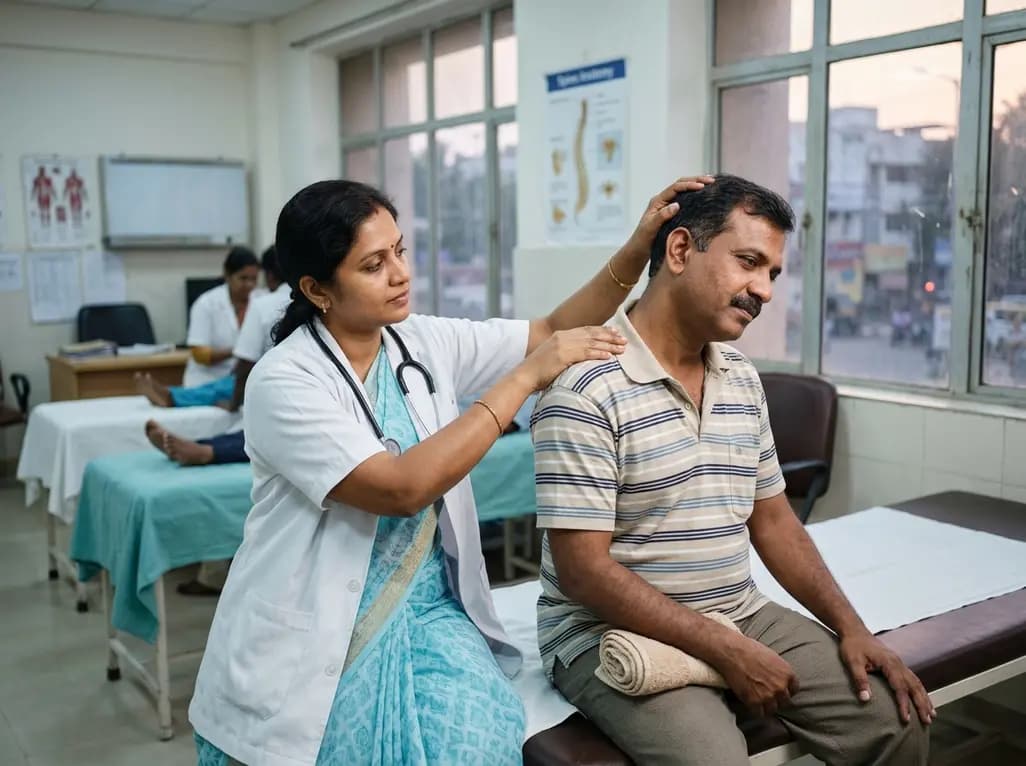
A scoping review highlights neural mobilization as a promising adjunct in managing cervicogenic headache. Integrating neurodynamics into multimodal physical therapy improves pain, range of motion, and posture, though standardized protocols and larger clinical trials are still needed.
Today
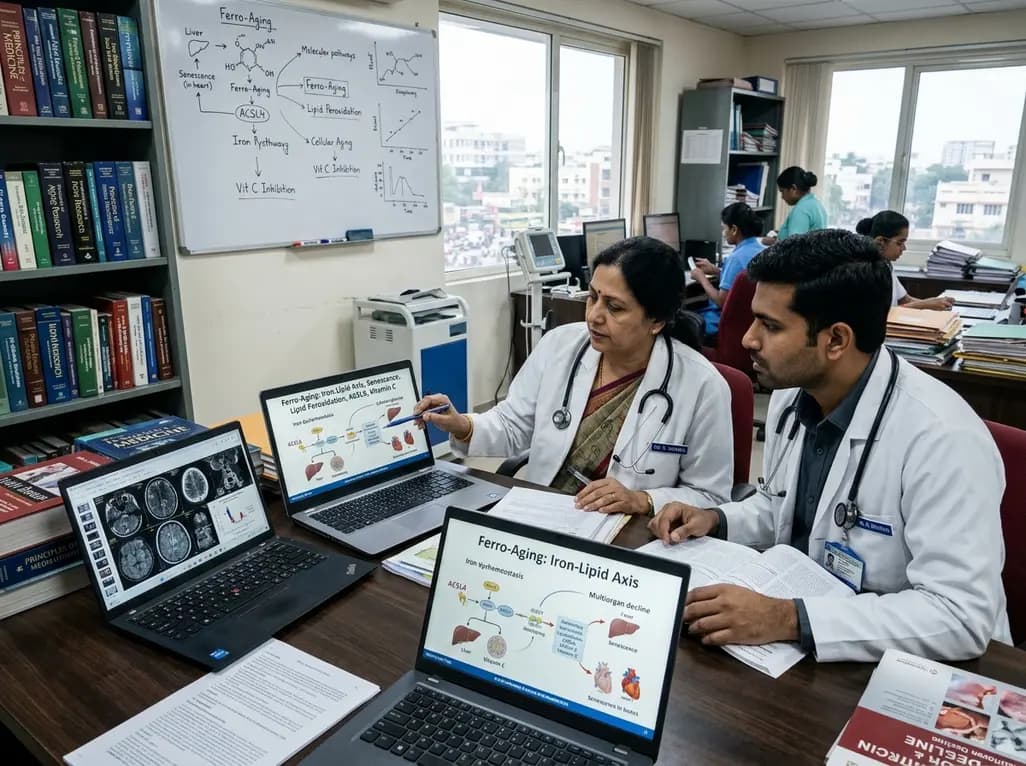
Recent research defines ferro-aging as a conserved iron-lipid axis driving organ decline across primates. Age-related iron dyshomeostasis stimulates ACSL4-mediated lipid peroxidation, promoting cellular senescence. Notably, vitamin C directly inhibits ACSL4, suppressing phospholipid oxidation and multi-organ decay.
Today
