.webp&w=384&q=75)

Loading, please wait...
Loading, please wait...
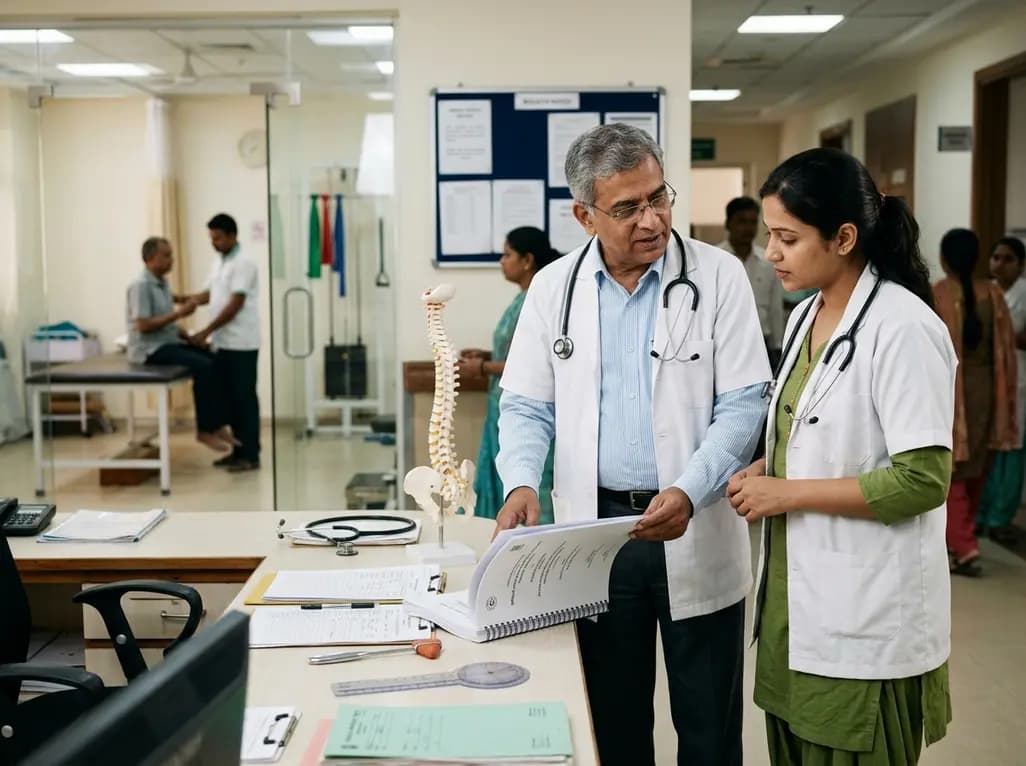
The Italian Society of Physical and Rehabilitation Medicine (SIMFER) recently published the 2026 Clinical Practice Guideline on chronic pain physical modalities for primary pain management. Chronic primary pain remains a leading cause of disability worldwide. Therefore, doctors require a multimodal management approach to achieve better clinical results. In addition, the society developed the guideline following the GRADE methodology to help clinicians navigate complex cases. Consequently, this framework assists in treating complex regional pain syndrome, fibromyalgia, and primary bone marrow edema syndromes effectively.
The panel issued a conditional recommendation in favor of adding instrumental physical therapies to conventional treatment plans. Specifically, evidence suggests modest to large improvements in pain and disability for modalities like TENS and low-level laser therapy. Moreover, electromagnetic field therapy shows promising results for chronic primary pain patients. Because adverse events are generally mild and transient, clinicians find these adjunctive interventions highly acceptable for daily practice. Furthermore, patient satisfaction typically increases when using these non-invasive technologies.
However, the overall certainty of evidence currently ranges from moderate to very low. This is because methodological limitations and heterogeneity in existing studies impact the strength of the data. Consequently, while the current findings are encouraging, clinicians must await high-quality trials with standardized protocols. Furthermore, long-term follow-up remains essential to strengthen future clinical recommendations. In summary, by integrating these chronic pain physical modalities into a comprehensive rehabilitation plan, healthcare providers can offer holistic care for their patients.
The guidelines evaluated several instrumental therapies, showing significant interest in TENS, low-level laser therapy, and electromagnetic field therapy for their clinical benefits in pain reduction.
The SIMFER panel recommends these as adjunctive treatments for chronic primary pain syndromes, including fibromyalgia, complex regional pain syndrome (CRPS), and primary bone marrow edema syndromes.
According to the guidelines, the adverse events associated with these physical modalities are generally mild and transient, leading to high patient acceptability and low risk of complications.
Disclaimer: This content is for informational and educational purposes only. It does not constitute professional medical advice, diagnosis, or treatment. Always seek the advice of your physician or other qualified healthcare provider with any questions you may have regarding a medical condition. Refer to the latest local and national guidelines for clinical practice.
References
1. Iolascon G et al. SIMFER guidelines on physical modalities for chronic primary pain management. Eur J Phys Rehabil Med. 2026 Jun 09. doi: 10.23736/S1973-9087.26.09631-0. PMID: 42262745.
2. WHO guideline for non-surgical management of chronic primary low back pain in adults in primary and community care settings. World Health Organization; 2023.
3. American College of Occupational and Environmental Medicine. ACOEM Chronic Pain Guideline. Reed Group; 2025.

Read summarized clinical updates, watch expert medical content, and earn CME certifications right from your smartphone.
Open your smartphone camera to scan and install.





SIMFER guidelines 2026 offer conditional recommendations for using instrumental physical therapies as adjunctive treatments for chronic primary pain conditi...
4 months ago

Review how tailored exercise programs benefit frail older patients with heart failure. Explore pathophysiological mechanisms, individualized training prescriptions, and strategies to overcome adherence barriers in clinical practice.
Today

Leucine Rich Bio has introduced South Asia's first comprehensive vaginal microbiome test, BugSpeaks. By profiling microbial dysbiosis, pathogens, and antimicrobial resistance, this next-generation diagnostic platform provides clinicians with deeper insights into recurrent infections, fertility, and reproductive health.
Today

In high-risk pulmonary embolism complicated by severe anemia and active uterine bleeding, systemic thrombolysis is contraindicated. Large-bore aspiration thrombectomy provides rapid hemodynamic rescue without fibrinolysis, supported by inferior vena cava filter placement and multidisciplinary critical care.
Today

This comparative study evaluates posterior labral tears with and without glenohumeral instability, highlighting distinct demographic patterns, MRI underestimation in stable shoulders, and successful arthroscopic repair outcomes.
Today

A clinical study demonstrates that early intervention with tocilizumab, either as monotherapy or bridged with corticosteroids, achieves significant proptosis reduction and resolves active inflammation in treatment-naive thyroid eye disease.
Today
