

Loading, please wait...
Loading, please wait...
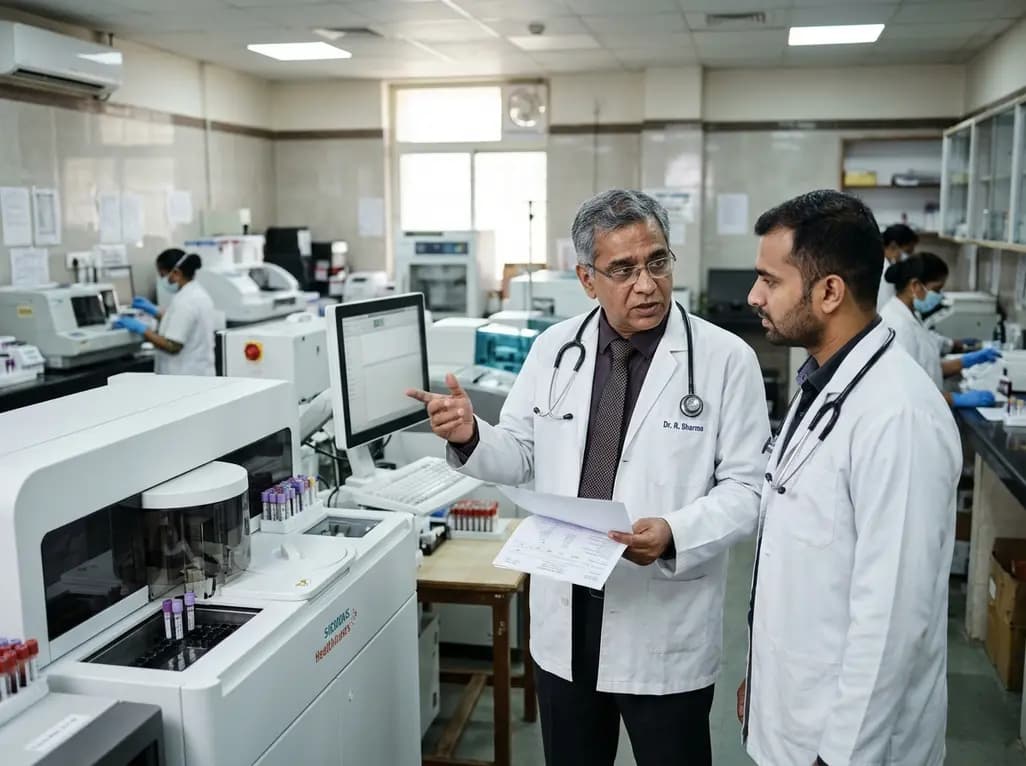
German medical technology leader Siemens Healthineers has officially initiated the formal carve-out of its diagnostics division. The company announced that this pivotal segment will rebrand as Olyrian Diagnostics ahead of a planned future divestment. Healthcare systems worldwide rely heavily on automated laboratory assays for daily clinical decision-making. Consequently, structural adjustments at such an influential medical supplier draw substantial attention across hospital networks. The separation process has commenced immediately and expects full completion by mid-2028. Meanwhile, Siemens Healthineers is simultaneously rebranding its core enterprise as Healthineers. This comprehensive transformation aims to sharpen corporate focus while granting the specialized diagnostics branch strategic agility to thrive independently.
Corporate leadership previously indicated that complete structural separation requires approximately two years to execute thoroughly. Moreover, current corporate roadmaps project that the diagnostic business may completely exit the group framework by 2030. Parent group Siemens AG originally outlined intentions to deconsolidate its healthcare holdings to concentrate on core industrial engineering. In response, Healthineers decided to disentangle its capital-intensive laboratory instrument division from its primary medical imaging portfolio. Therefore, this strategic maneuver unlocks substantial operational autonomy for both independent entities.
Carving out distinct corporate divisions allows executive leadership to allocate resources with much greater precision. Medical imaging, advanced therapies, and clinical laboratory medicine present fundamentally divergent capital needs and sales cycles. Consequently, establishing an unencumbered organization provides dedicated management teams with clear operational mandates. In addition, the separate structure allows customized capital investments into next-generation immunoassay platforms and molecular microbiology solutions. Such financial clarity reassures global diagnostic stakeholders about long-term institutional stability.
The new commercial entity, Olyrian Diagnostics, enters the medical arena with immense operational capabilities and established global scale. Currently, this diagnostic powerhouse manufactures more than 16 billion diagnostic laboratory tests every single year. Furthermore, the unit commands approximately 20% of the aggregate Healthineers international workforce. Finely integrated assay platforms and clinical chemistry analyzers also generate nearly 17% of total company revenues. Thus, Olyrian Diagnostics represents an established enterprise with an extensive installed footprint.
During the multi-year transition period leading into 2028, the business unit remains firmly anchored within Healthineers. Management deliberately introduced the dedicated brand identity to establish early market autonomy before executing final external transactions. Specifically, the transitional branding allows laboratory directors, healthcare administrators, and clinical staff to recognize the specialized diagnostic portfolio. Meanwhile, executive leadership emphasizes that customer-facing operations, equipment maintenance contracts, and technical support services will continue without interruption. Laboratory personnel can therefore expect seamless analytical consistency throughout everyday diagnostic workflows.
Modern clinical medicine depends fundamentally on rapid, dependable in vitro diagnostic testing. Physicians require prompt blood work, tumor markers, and endocrine panels to guide critical patient management protocols. Pathologists and clinical biochemists frequently operate high-throughput analyzers manufactured by this veteran diagnostic division. Consequently, maintaining unbroken reagent manufacturing pipelines remains essential for tertiary healthcare facilities and accredited reference laboratories. Executive leaders have affirmed that existing long-term supply agreements and service commitments will remain completely intact.
Healthcare providers in expanding economies, including India, operate under substantial sample volume pressures. Diagnostic laboratories in these healthcare ecosystems require reliable calibration standards, uninterrupted reagent shipments, and rapid instrument servicing. Fortunately, the extended transition window guarantees that local technical support structures remain fully operational. Furthermore, as an autonomous entity, the diagnostic firm can streamline its direct customer service protocols. Laboratory directors can therefore expect greater responsiveness regarding equipment maintenance and custom assay menu expansion. Such focused attention ultimately helps clinical laboratories maintain high diagnostic precision.
The global in vitro diagnostics landscape is advancing rapidly toward comprehensive laboratory automation and digital integration. In addition, artificial intelligence is increasingly transforming pre-analytical specimen sorting and post-analytical data validation. Operating as a dedicated organization enables the diagnostics team to accelerate proprietary research pipelines. Specifically, developing point-of-care testing devices and automated immunoassay analyzers requires nimble engineering frameworks. Unburdened by unrelated medical imaging priorities, the standalone enterprise can direct capital directly toward novel diagnostic biomarkers.
Moreover, modern healthcare systems demand connected diagnostic informatics that integrate seamlessly with hospital electronic health records. Clinical pathologists increasingly rely on real-time middleware to track specimen journey times and flagged critical values. Therefore, focused research investments will likely enhance cloud-based laboratory management software and remote instrument monitoring tools. Such technological improvements directly benefit diagnostic turnaround times for acute clinical settings like intensive care units. Ultimately, targeted diagnostic innovation empowers clinicians to initiate evidence-based therapeutic interventions much faster.
Supply chain reliability remains a prominent priority for healthcare leaders managing high-volume clinical laboratories. The complex logistics of shipping refrigerated reagents, proprietary controls, and calibration standards require sophisticated distribution networks. Management has clearly communicated that existing global manufacturing facilities and supply pathways will remain functional. Consequently, procurement officers can anticipate standard delivery schedules without fears of abrupt portfolio discontinuations. In addition, the organization plans to maintain its active research collaborations with academic institutions.
Looking ahead toward 2028 and beyond, the clinical diagnostics sector will experience sustained structural expansion. Aging populations, chronic metabolic disease burdens, and preventative screening drives continue to amplify global test volumes. Therefore, a focused, standalone diagnostics provider remains well-positioned to address emerging public health challenges worldwide. As the multi-stage rebranding advances smoothly, healthcare systems will benefit from specialized diagnostic innovations. Clinicians and laboratory teams can confidently rely on dependable analytical platforms to safeguard optimal patient care.
Q1: What is the primary purpose behind the creation of Olyrian Diagnostics?
Siemens Healthineers is carving out its in vitro diagnostics business to establish a focused, standalone organization ahead of a future divestment. This strategic separation allows the diagnostic unit to rebrand as Olyrian Diagnostics, allocate capital directly toward laboratory research, and achieve greater operational agility while preparing for full corporate independence by mid-2028.
Q2: How will this corporate carve-out impact routine hospital laboratory operations?
Routine hospital laboratory operations will not experience negative disruptions during the carve-out process. The business produces over 16 billion tests annually and will maintain all existing reagent deliveries, service contracts, and instrument maintenance schedules throughout the transition. Healthcare providers and pathologists can rely on continuous equipment support and steady supply chains.
Q3: What is the projected timeline for completing the diagnostics business divestment?
The formal separation process began immediately in late 2026 and expects operational completion by mid-2028. Siemens Healthineers indicated that the diagnostics segment will operate as part of the broader parent group during this phase, with potential full divestment and complete exit from the corporate group occurring by 2030.
Disclaimer: This content is for informational and educational purposes only. It does not constitute medical advice or replace professional judgment. Refer to the latest local and national guidelines for clinical practice.
References

Read summarized clinical updates, watch expert medical content, and earn CME certifications right from your smartphone.
Open your smartphone camera to scan and install.





The global healthcare technology sector is witnessing a major transformation as Siemens Healthineers initiates the formal carve-out of its in vitro diagnostics unit. The new entity will operate under the brand name Olyrian Diagnostics, maintaining essential testing operations across clinical laboratories worldwide.
Today
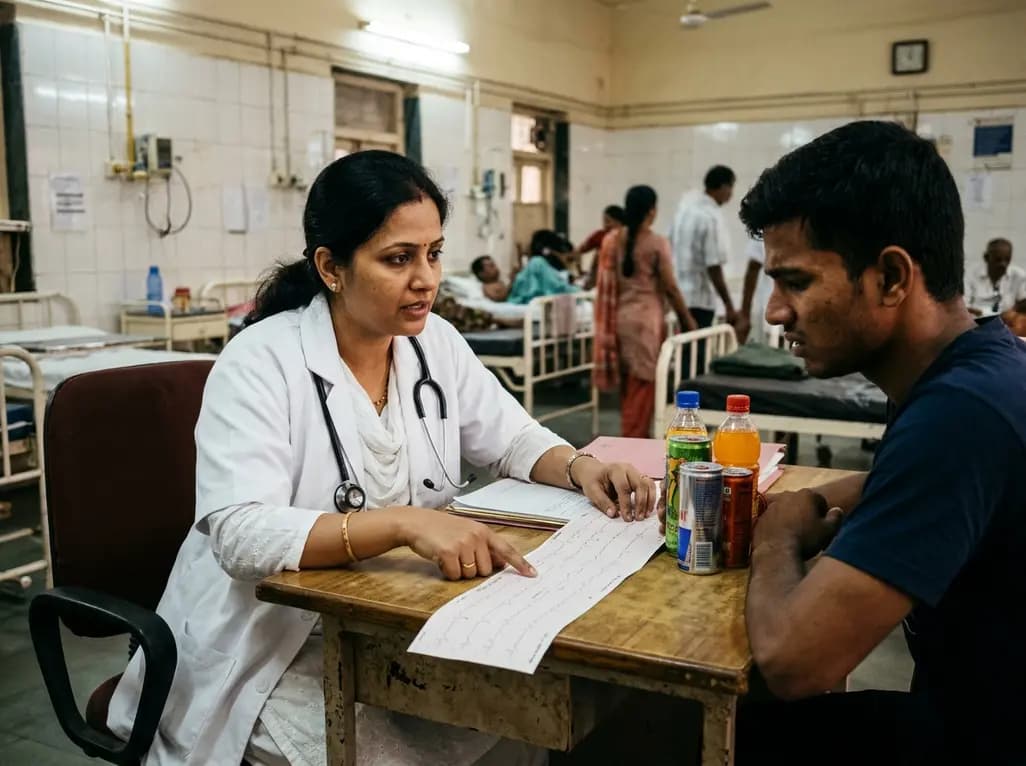
India's food safety authority is taking aggressive action against major beverage companies for marketing high-caffeine products as energy drinks. This clinical analysis examines the cardiovascular complications, metabolic risks, and pediatric concerns behind the regulator's push for truthful beverage standards.
Today
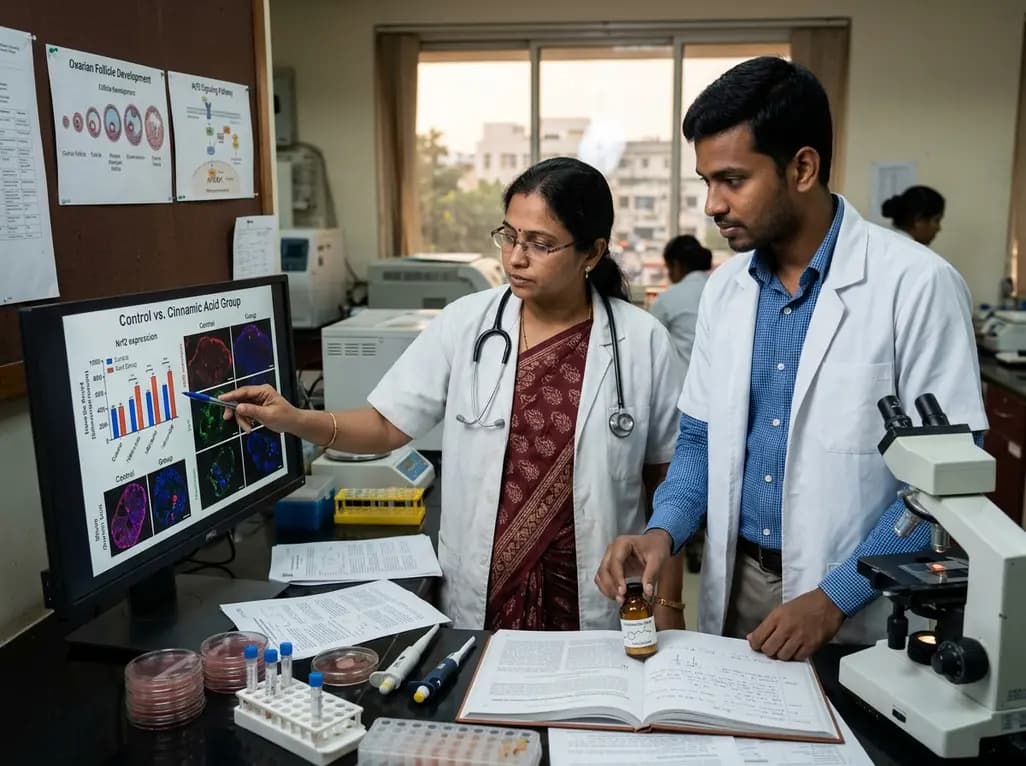
A preclinical study reveals that cinnamic acid counters D-galactose-induced premature ovarian failure in mice. By enhancing total antioxidant capacity and upregulating protective genes like Nrf2 and Foxo3a, cinnamic acid improved estrous cyclicity and follicular reserve, offering new insights into ovarian health.
Today
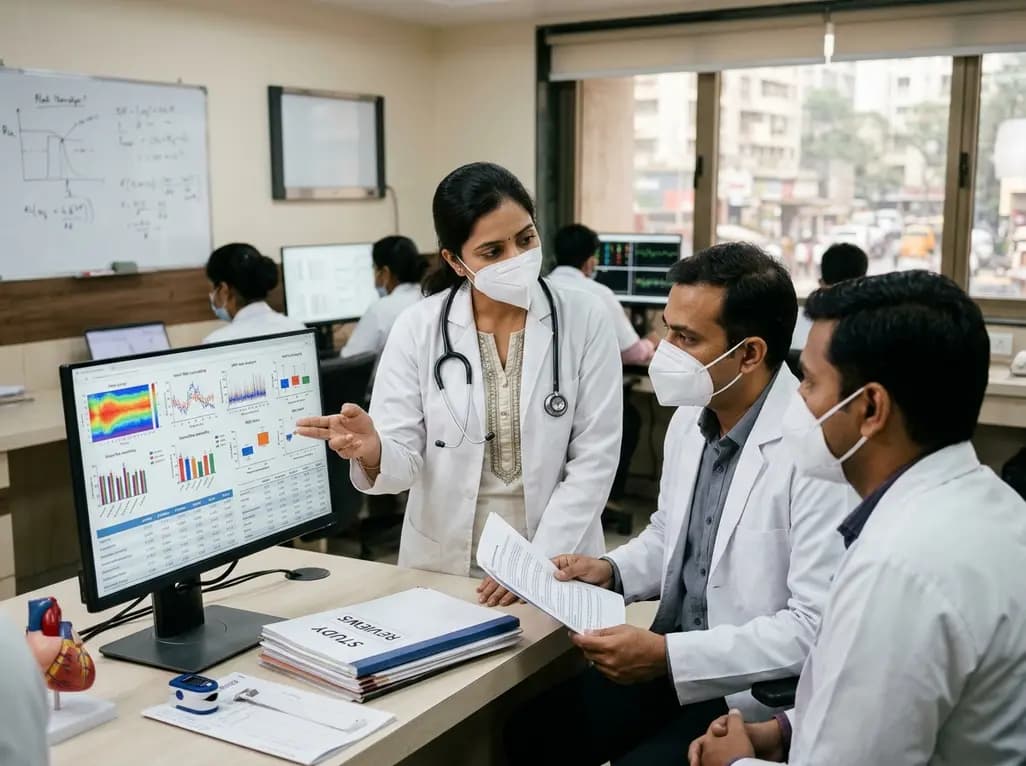
A systematic review of 18 studies reveals very low certainty evidence for cardiac autonomic modulation following intermittent normobaric hypoxia, showing insufficient data to confirm reproducible changes in heart rate variability or baroreflex sensitivity.
Today

An 8-week functional restoration program provides sustained psychological benefits at six-month follow-up for workers' compensation patients. The multidisciplinary intervention significantly improved pain self-efficacy, reduced anxiety and depression, and progressively resolved chronic insomnia severity.
Today
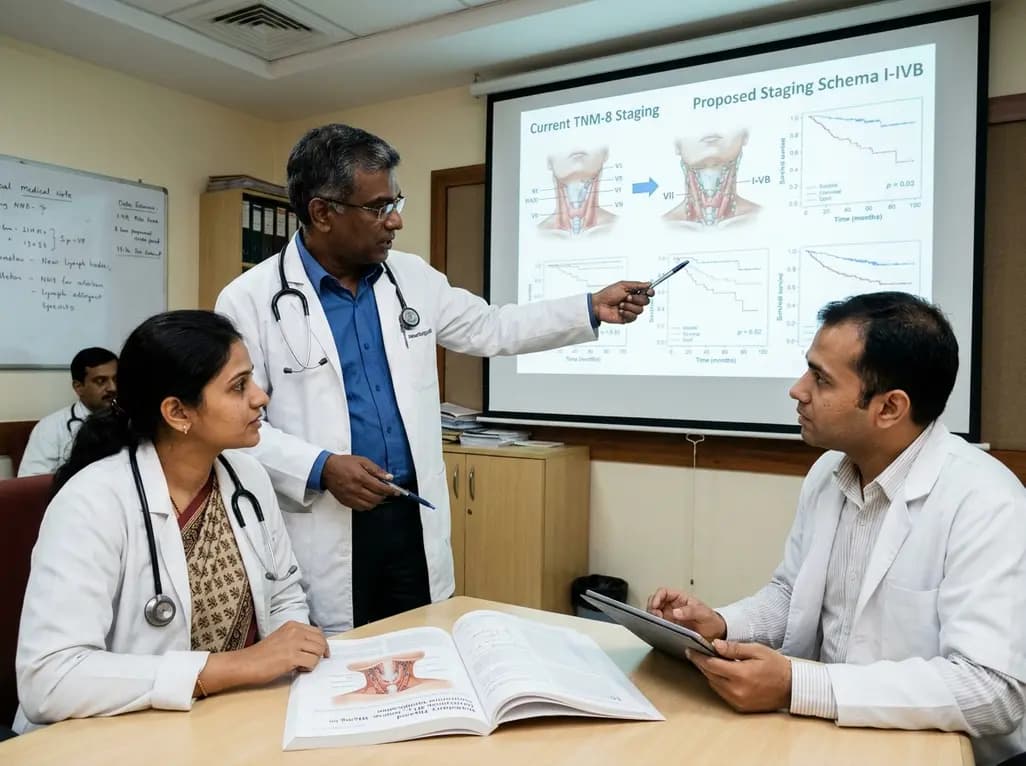
A multinational study of 2,573 medullary thyroid cancer patients refines AJCC TNM-8 staging, proposing N1c for level VII nodes and a new I-IVB schema for better survival stratification.
Today
