.webp&w=384&q=75)

Loading, please wait...
Loading, please wait...

Wearable technology is evolving rapidly, but durability remains a significant hurdle. Consequently, modern soft robotics and medical devices often fail due to mechanical damage. However, the development of self-healing wearable sensors using metal-organic framework (MOF) composites offers a solution. Specifically, these materials repair physical tears and restore sensory data collection. Indeed, they address the loss of function that previously limited device lifespan.
Furthermore, researchers are turning to MOFs because they provide unique advantages. Unlike traditional carbon nanotubes, MOFs offer tunable porosity and coordination chemistry. Therefore, they act as reservoirs for healing agents within the matrix. Moreover, the material can autonomously repair breaches through reversible bonding. Additionally, MOFs facilitate "sense-healing" where conductivity is restored after damage. Thus, the process occurs through the re-establishment of ionic pathways. Notably, their high surface area enables efficient chemical bonding sites. In addition, the properties ensure recovery is both rapid and reliable.
Similarly, these systems pave the way for resilient electronic skins. Particularly, these advancements are vital for durable prosthetics and actuators. Nevertheless, challenges like multi-cycle efficacy and scalable fabrication still persist. In conclusion, the future depends on these intelligent, responsive systems.
Sense-healing refers to the autonomous restoration of a device's electrical or electronic functionality, such as conductivity, following mechanical damage. This ensures that the sensor continues to provide accurate data even after it has been scratched or cut.
MOFs are utilized because of their high surface area and tunable chemical properties. They serve as reservoirs for healing agents and help reform electrical networks, making them superior to standard conductive fillers like carbon nanotubes.
Disclaimer: This content is for informational and educational purposes only. It does not constitute medical advice or endorse any specific technology. Refer to the latest local and national guidelines for clinical practice.
References
Rajeev S et al. Self-healing and sense-healing: metal-organic framework-filled polymers for robust and durable soft robotics. Mater Horiz. 2026 May 28. doi: 10.1039/d6mh00434b. PMID: 42207569.
Li Y et al. Self-Healing, Reconfigurable, Thermal-Switching, Transformative Electronics for Health Monitoring. Adv Mater. 2023. DOI:10.1002/adma.202207742.
Lee Y et al. Breakthrough in wearable health tech with self-healing electronic skin. Science Advances. 2025.

Read summarized clinical updates, watch expert medical content, and earn CME certifications right from your smartphone.
Open your smartphone camera to scan and install.





Innovative MOF-polymer composites now offer self-healing and sense-healing capabilities for robust soft robotics and wearable electronics....
4 months ago

Explore why official drug package inserts fail to reflect modern evidence for clozapine prescribing. Learn how legal standards of care, case law, slow titration, and vital adverse event monitoring empower clinicians to prioritize evidence-based medical practice over outdated manufacturer labeling.
Today
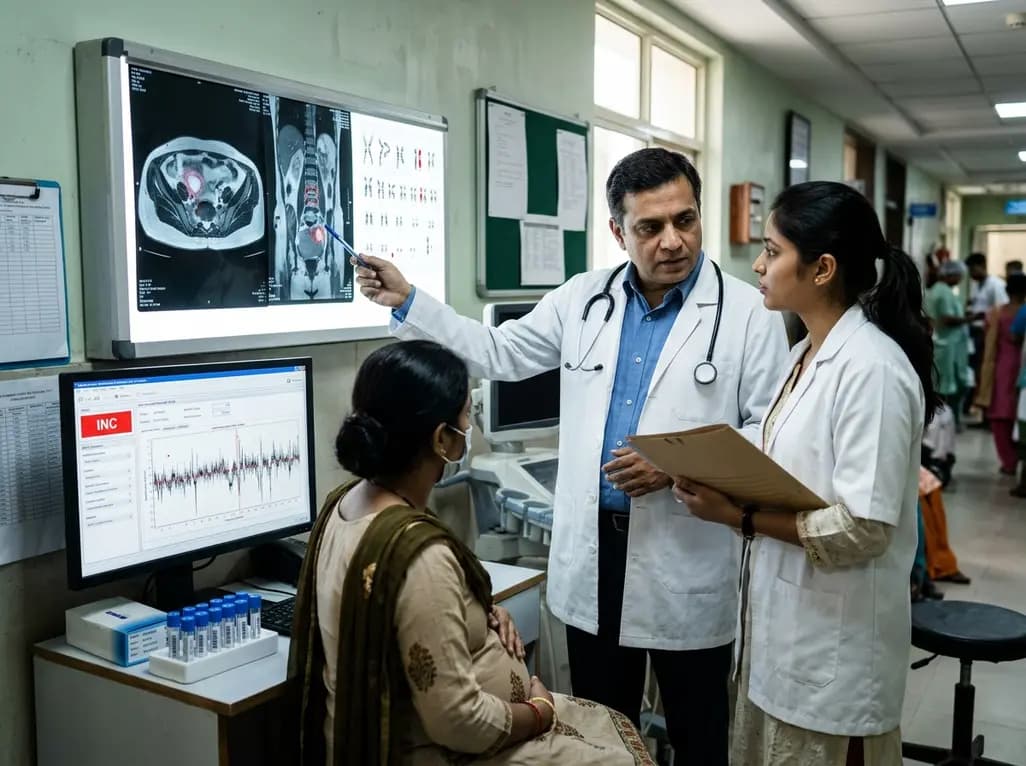
Occult maternal malignancy accounts for 3.82% of persistent unreportable NIPT results with genomic noise. Multiple chromosomal aberrations, notably on chromosome 18, warrant thorough oncological evaluation and whole-body MRI to ensure timely maternal diagnosis while preserving fetal care.
Today
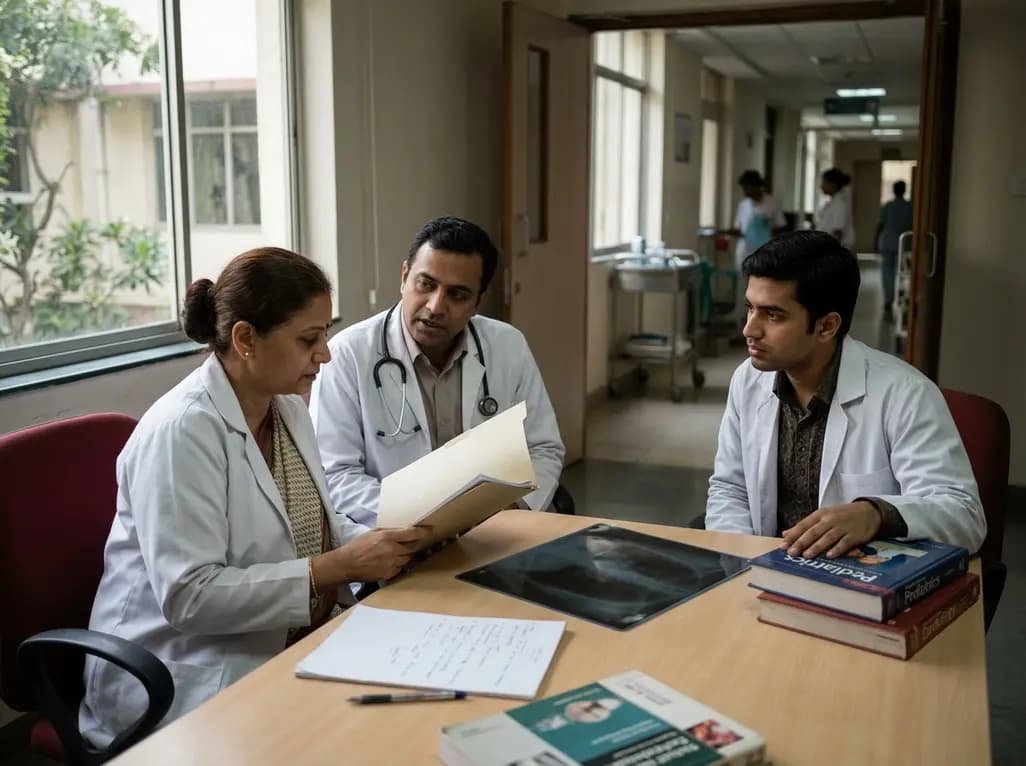
This article reviews the forensic and clinical complexities of acute myocarditis arising on left ventricular hypertrophy in children, highlighting early diagnostic red flags and multidisciplinary postmortem autopsy protocols.
Today
A randomized controlled trial demonstrates that an eight-week dual-task training intervention significantly improves static and dynamic postural control over standard balance exercises in individuals with chronic ankle instability, addressing critical neurocognitive deficits during athletic and daily activities.
Today

A retrospective cohort study of 7,716 ICU patients from the MIMIC-IV database demonstrates that Gradient Boosting Decision Trees significantly outperform traditional SOFA scores in predicting in-hospital mortality among patients with sepsis and diabetes, with SHAP analysis providing clinical interpretability.
Today
