.webp&w=384&q=75)

Loading, please wait...
Loading, please wait...
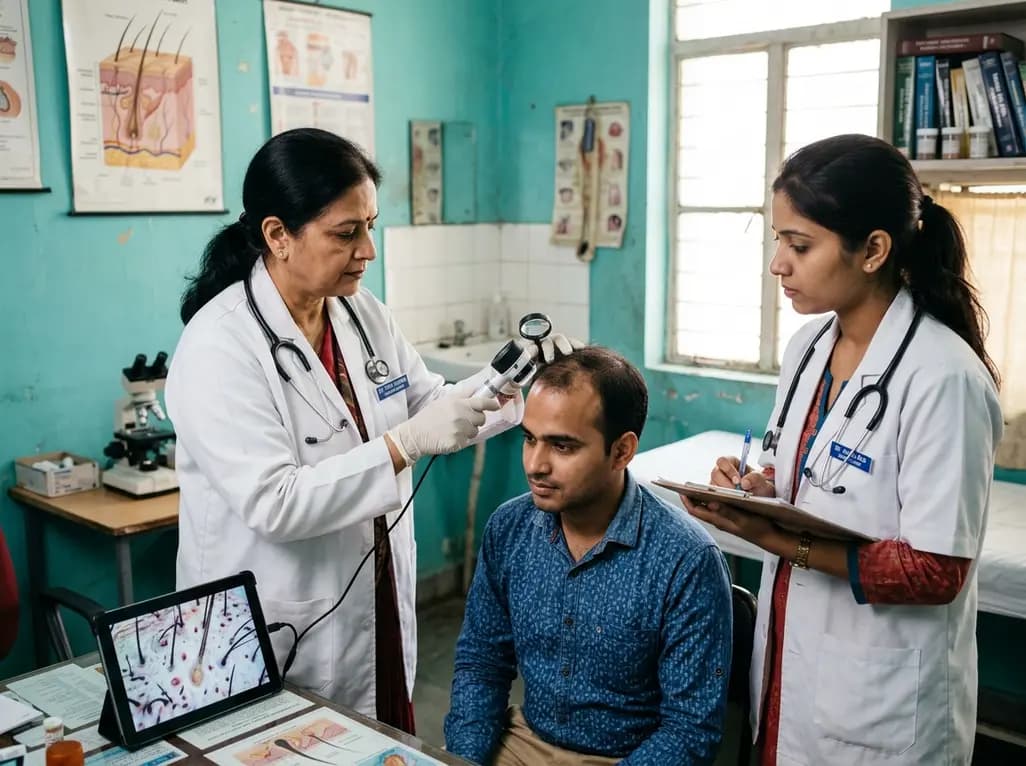
Hair loss markedly impairs quality of life across clinical populations. While conventional research focuses on genetics and endocrine drivers, emerging dermatological paradigms emphasize the scalp microbiome-hair axis. Recent discoveries demonstrate that commensal microbes dynamically regulate follicular cycling, tissue immunity, and stem cell maintenance. Consequently, decoding scalp dysbiosis offers clinicians novel pathways for targeted trichological management.
The human scalp represents a specialized physiological microenvironment characterized by high sebaceous gland density, acidic surface pH, and intricate follicular architecture. Within this unique niche, commensal microorganisms maintain a delicate equilibrium with cutaneous host tissue. Specifically, the healthy scalp microbiome is dominated by bacterial genera such as Cutibacterium and Staphylococcus, alongside lipid-dependent Malassezia yeasts.
These commensal organisms perform indispensable biochemical functions to preserve cutaneous homeostasis. First, they reinforce epidermal barrier integrity by enzymatically hydrolyzing sebum triglycerides into free fatty acids. Second, commensals modulate innate immunity by promoting physiological antimicrobial peptide expression without inducing pathogenic inflammation. Third, microbial metabolites supply critical biochemical cues that maintain hair follicle stem cells within their regenerative niche.
When microenvironmental balance is maintained, hair follicles cycle seamlessly through anagen, catagen, and telogen phases. However, external triggers, hormonal fluctuations, or immunological disturbances can rapidly destabilize this microecology. Consequently, microbial community disruption initiates follicular micro-inflammation, compromises the stratum corneum, and disrupts cyclic hair renewal across susceptible individuals.
Microbial dysbiosis manifests through distinct molecular signatures across various alopecia phenotypes. In androgenetic alopecia, heightened androgen stimulation fuels excessive sebum production. This altered lipid milieu selectively favors aggressive Cutibacterium acnes phylotypes and reduces overall microbial diversity. Consequently, this androgen-lipid-microbiome interplay provokes chronic follicular infundibular micro-inflammation, accelerating follicular miniaturization.
In contrast, alopecia areata exhibits profound microbial perturbations that correlate with autoimmune pathogenesis. Cutaneous dysbiosis stimulates pattern-recognition receptors, promoting inflammatory cytokine release. Ultimately, this inflammatory cascade drives the collapse of hair follicle immune privilege, prompting cytotoxic T-cell attacks against follicular autoantigens.
Furthermore, seborrheic dermatitis-related hair loss stems from a Malassezia-driven inflammatory ecology. Fungal lipases release irritant unsaturated free fatty acids, which disrupt stratum corneum cohesion and trigger reactive follicular shedding. Finally, in scarring alopecia and folliculitis, deep microbial invasion and dense biofilm formation incite relentless inflammatory destruction. This chronic infectious injury drives extensive tissue fibrosis, permanently eradicating regenerative stem cell reservoirs within the follicular bulge.
To elucidate how surface microflora dictate follicular fate, investigators have established a comprehensive three-tier signaling framework. Upstream microbial triggers comprise pathogen-associated molecular patterns, bacterial lipases, toxins, and metabolic derivatives. These bioactive molecules bind host pattern-recognition receptors and toll-like receptors located on follicular keratinocytes and dendritic cells.
Subsequently, this receptor engagement modulates central midstream intracellular signaling networks within dermal papilla cells. Key pathways include the NF-κB inflammatory axis, the JAK-STAT cascade, PI3K/AKT signaling, and the Wnt/β-catenin regenerative loop. Pathogenic dysbiosis stimulates intense NF-κB and JAK-STAT activation, which concurrently suppresses essential pro-growth Wnt/β-catenin signaling cascades.
Ultimately, this intracellular dysregulation generates severe downstream pathological consequences. Sustained inflammatory signaling locks hair follicle stem cells in prolonged quiescence and precipitates premature catagen entry. Additionally, dermal papilla cells suffer functional impairment, accompanied by microvascular regression and immune privilege collapse. This unified signaling cascade culminates in progressive follicular miniaturization, impaired anagen support, and irreversible hair loss.
Given the central role of dysbiosis in follicular diseases, innovative microbiome-targeted therapeutics are rapidly emerging. Probiotic formulations utilize viable beneficial bacteria to competitively exclude pathogens, disrupt destructive biofilms, and restore epidermal barrier integrity. Additionally, topical probiotics synthesize protective antimicrobial peptides that directly attenuate superficial follicular inflammation.
Furthermore, postbiotics—comprising cell-free supernatants, bacterial lysates, and short-chain fatty acids—represent a powerful therapeutic strategy. These non-viable bioactive molecules deliver targeted anti-inflammatory and pro-angiogenic signals directly to follicular structures without the formulation vulnerabilities of live bacteria. Postbiotics also enhance cellular antioxidant defenses and reactivate suppressed Wnt/β-catenin pathways within dermal papilla cells.
Concurrently, engineered living biotherapeutic systems represent the cutting edge of precision trichology. Scientists are developing genetically modified commensals programmed to deliver therapeutic peptides, growth factors, or anti-inflammatory cytokines directly into the follicular infundibulum. These living biofactories preserve local ecological balance while offering sustained therapeutic delivery, presenting compelling alternatives to conventional pharmacological approaches.
Despite promising preclinical evidence, translating microbiome-based therapies into routine dermatological practice encounters notable challenges. First, substantial methodological heterogeneity across sequencing protocols, sample collection techniques, and bioinformatic pipelines limits reproducibility. Moreover, existing clinical literature consists primarily of cross-sectional studies, which hinders the establishment of direct causality between dysbiosis and hair disorders.
Second, pharmaceutical formulation and stability present major technical obstacles. Maintaining long-term viability, strain stability, and biological activity of live biotherapeutics within topical vehicles is exceedingly difficult. Furthermore, achieving reliable penetration through the lipid-rich sebum barrier into deep follicular targets remains a formidable engineering challenge.
Third, regulatory ambiguity and manufacturing standards complicate clinical translation. Global health agencies currently lack harmonized regulatory frameworks governing live biotherapeutics, postbiotic preparations, and engineered microbial products. Therefore, standardized quality control protocols and rigorous safety assessments are essential. Dermatologists require robust evidence from randomized, double-blind clinical trials before integrating these microbial strategies into everyday patient management.
The future of trichology is shifting toward individualized, multi-omic therapeutic platforms. Integrating metagenomics, metatranscriptomics, and metabolomics will enable practitioners to map patient-specific scalp ecosystems with unprecedented resolution. Consequently, clinicians will identify distinct dysbiotic microbial endotypes, guiding personalized restorative treatments.
Furthermore, combining traditional therapies with precision microbial interventions offers powerful synergistic potential. Conventional medications like minoxidil, 5-alpha reductase inhibitors, or JAK inhibitors can be augmented by topical probiotics or postbiotics. Restoring scalp microecological balance may optimize drug bioavailability, attenuate local scalp irritation, and improve overall treatment responsiveness.
Ultimately, microbiome-guided dermatology will transform clinical approaches to alopecia. By repairing barrier dysfunction, quenching persistent micro-inflammation, and supporting follicular stem cell niches, targeted ecological interventions provide a restorative paradigm. Continued interdisciplinary collaboration among dermatologists, microbiologists, and pharmacologists will be vital to validate these cutting-edge therapies in clinical practice.
The scalp microbiome modulates hair cycling by preserving epidermal barrier integrity and regulating local immunological responses. Commensal microbes metabolize sebum lipids into anti-inflammatory fatty acids, which suppress harmful follicular micro-inflammation. However, dysbiosis activates NF-κB and JAK-STAT pathways while suppressing regenerative Wnt/β-catenin signaling. This detrimental shift promotes premature catagen transition, triggers microvascular regression, and causes hair follicle stem cells to enter prolonged quiescence, culminating in diffuse or patterned hair loss.
Malassezia species are lipid-dependent fungi that thrive on rich sebaceous secretions within the scalp microenvironment. When excessive proliferation occurs, Malassezia lipases hydrolyze triglycerides into irritating unsaturated free fatty acids, particularly oleic acid. These metabolites compromise the stratum corneum barrier, provoke substantial oxidative stress, and recruit inflammatory mediators around the hair infundibulum. This persistent local inflammatory milieu damages outer root sheath cells, accelerates telogen shedding, and exacerbates acute or chronic hair thinning.
Topical probiotics and postbiotics currently serve as adjunctive therapies rather than outright replacements for validated medical treatments. While conventional agents like minoxidil, finasteride, and JAK inhibitors target specific hormonal and immunological pathways, microbial therapeutics restore barrier function and attenuate local micro-inflammation. Combining standard pharmacological regimens with microbiome modulators may optimize therapeutic efficacy and enhance scalp tolerance. However, comprehensive randomized clinical trials are still required to establish standardized standalone treatment protocols.
Disclaimer: This content is for informational and educational purposes only and should not be considered medical advice. It is not intended to replace professional judgment, diagnosis, or treatment. Medical knowledge changes rapidly; always consult qualified health professionals and refer to the latest local and national guidelines for clinical practice.
References

Read summarized clinical updates, watch expert medical content, and earn CME certifications right from your smartphone.
Open your smartphone camera to scan and install.





This review outlines the scalp microbiome-hair axis, detailing how microbial dysbiosis drives androgenetic alopecia, alopecia areata, seborrheic dermatitis, and scarring hair loss through distinct signaling cascades and evaluates emerging microbiome therapeutics.
last month

A recent clinical case series highlights the synthetic polylactic acid matrix as an innovative local therapy for refractory pyoderma gangrenosum. The bioresorbable scaffold demonstrated complete ulcer closure and favorable scar quality across chronic wounds, presenting a viable regenerative modality.
Today
A nationwide South Korean study shows underreporting of smoking among women dropped from 57.4% to 36.4% between 2008 and 2021. However, over one-third of female smokers still conceal their habit, highlighting the critical role of cotinine verification in clinical risk assessment.
Today
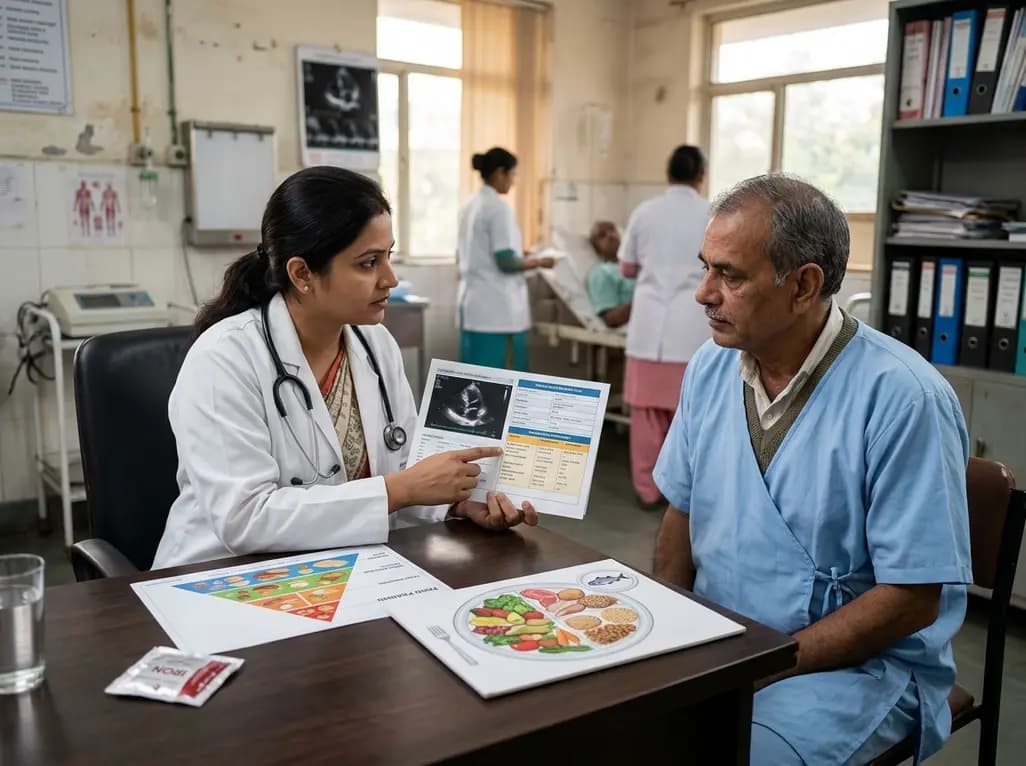
A scientific statement highlights the crucial role of nutrition in managing chronic heart failure. It emphasizes GLIM-based screening, individualized dietary patterns like the Mediterranean diet, appropriate protein and energy intake, avoiding unnecessary fluid restriction, and targeted iron supplementation.
Today
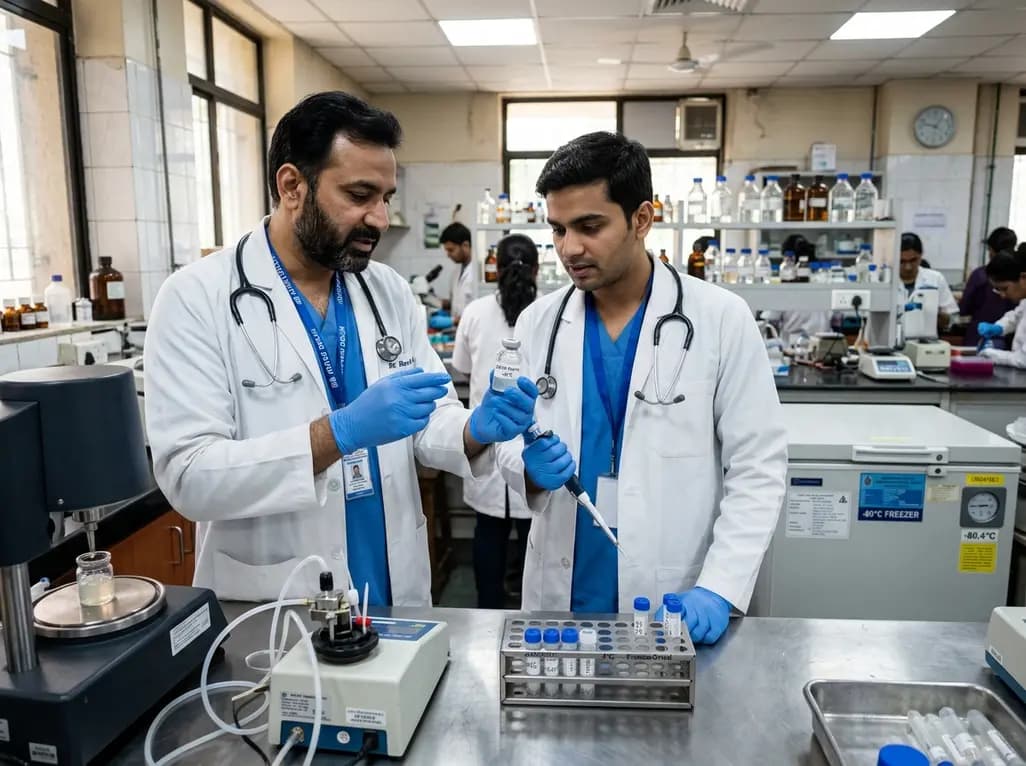
A new study evaluates the rheological stability of decellularized peripheral nerve matrix hydrogels under varied storage conditions. Findings show -80°C storage and freeze-drying preserve gelation kinetics and mechanical stiffness, offering key insights for shipping and translational clinical applications.
Today
A qualitative meta-synthesis highlights the complex interplay between gender dysphoria, minority stress, and eating disorders in transgender and gender-diverse individuals. Clinicians must recognize these distinct drivers to offer supportive, gender-affirming, and interdisciplinary eating disorder care.
Today
