.webp&w=384&q=75)

Loading, please wait...
Loading, please wait...

Alopecia areata causes sudden patchy hair loss driven by autoimmune attack against hair follicles. This condition imposes an immense psychosocial burden on affected individuals. Fortunately, targeted oral therapies have transformed dermatologic practice. In particular, the clinical introduction of JAK inhibitors in alopecia has revolutionized hair regrowth for severe disease. However, physicians frequently express reservations regarding black-box safety warnings. Because these warnings originated from older rheumatology cohorts, dermatologists must re-evaluate these risks through an alopecia-specific perspective.
The Janus kinase family comprises four intracellular enzymes: JAK1, JAK2, JAK3, and TYK2. In alopecia areata, follicular autoantigens stimulate cytotoxic T lymphocytes to release interferon-gamma and interleukin-15. Consequently, these inflammatory cytokines depend directly on downstream JAK-STAT signaling to sustain follicular destruction. Baricitinib reversibly inhibits JAK1 and JAK2 pathways to suppress interferon-gamma signaling. In contrast, ritlecitinib selectively targets JAK3 and the TEC kinase family. This dual inhibition spares other vital cytokine networks while curbing cytotoxic killer cell activity. Additionally, deuruxolitinib delivers selective JAK1 and JAK2 inhibition with enhanced metabolic stability through deuterium substitution. Therefore, differing selectivity profiles yield distinct clinical responses and safety phenotypes across patients. Dermatology teams can leverage these pharmacology differences when tailoring systemic treatment regimens. Furthermore, understanding cellular kinetics allows doctors to predict potential cytopenias or transaminase shifts. Thus, targeted enzyme selectivity directly defines both efficacy and adverse effect profiles.
Regulatory authorities initially applied broad class warnings to all Janus kinase inhibitors following the landmark ORAL Surveillance study. That pivotal trial evaluated tofacitinib specifically in older patients with active rheumatoid arthritis and pre-existing cardiovascular risk factors. Consequently, participants exhibited heightened incidences of major adverse cardiovascular events, malignancies, and venous thromboembolism. However, extrapolating these severe outcomes directly to patients presenting with alopecia areata creates an inaccurate risk appraisal. Patients presenting with alopecia are typically much younger, have significantly fewer cardiovascular comorbidities, and rarely smoke. Furthermore, alopecia areata lacks the chronic, systemic vascular inflammation characteristic of severe rheumatoid arthritis. Clinical trial data in large alopecia cohorts demonstrate remarkably low absolute rates of cardiovascular events or thromboembolism. In addition, real-world observational studies confirm that serious adverse vascular events remain exceedingly rare in this demographic. Therefore, physicians must interpret black-box warnings within appropriate epidemiological and demographic contexts rather than applying universal restrictions. Differentiating population-level risks enables clinicians to offer life-changing interventions without unwarranted hesitation.
Infectious complications represent the most frequent class-related adverse events encountered during immunomodulatory therapy. Because JAK inhibitors attenuate cytokine signaling, treated individuals display an increased susceptibility to viral and bacterial infections. Upper respiratory tract infections, nasopharyngitis, and urinary tract infections occur most commonly across clinical studies. In addition, reactivation of herpes zoster represents a well-recognized complication across all targeted agents in this class. Therefore, dermatologists should strongly encourage recombinant zoster vaccination before therapy initiation whenever feasible. Beyond viral reactivations, dermatologic adverse events often challenge patient compliance during daily administration. Acneiform eruptions occur frequently with baricitinib and deuruxolitinib due to altered follicular keratinocyte biology. However, topical retinoids and gentle antibacterial washes typically manage these mild papulopustular lesions effectively without drug cessation. Serious opportunistic infections, including active tuberculosis or invasive fungal disease, occur extremely rarely in carefully screened patient populations. Consequently, proactive baseline screening and prompt intervention preserve overall safety and maintain high therapeutic adherence throughout treatment.
Cardiovascular and oncologic safety remains the primary concern for clinicians prescribing systemic immunomodulators in outpatient practice. Clinical trials for baricitinib, ritlecitinib, and deuruxolitinib demonstrated remarkably few major adverse cardiovascular events during extended observation periods. Similarly, venous thromboembolism rates in alopecia areata trials mirrored background rates observed in healthy general populations. Nevertheless, doctors must carefully assess individual baseline risk factors prior to drug prescription. For instance, clinicians should avoid initiating therapy in patients with known thrombophilia or active cardiovascular disease. Malignancy risks also require thoughtful consideration during prolonged drug exposure. Across clinical trials, non-melanoma skin cancer and solid tumors appeared at rates comparable to age-matched controls. However, chronic immunosuppression theoretically diminishes natural immune surveillance against atypical cellular transformations. Therefore, physicians should counsel patients on rigorous sun protection and conduct regular full-body cutaneous examinations. In addition, physicians must update age-appropriate cancer screenings, including mammography and colonoscopy where indicated. Thus, individualized risk stratification ensures that cardiovascular and oncologic hazards remain exceptionally low throughout therapy.
Comprehensive laboratory surveillance establishes a vital safeguard during therapy with oral immunomodulatory agents. Baseline testing must include complete blood counts, hepatic panels, lipid profiles, renal function tests, and tuberculosis screening. Furthermore, clinicians must perform hepatitis B and hepatitis C serologies prior to writing the first prescription. During active therapy, repeat laboratory checks at four to eight weeks, and every three months thereafter. Frequent monitoring identifies asymptomatic shifts in biomarkers before clinical symptoms arise. For example, mild elevations in creatine phosphokinase occur frequently with ritlecitinib and deuruxolitinib, especially after intense physical exercise. These muscular enzyme elevations usually resolve spontaneously without requiring treatment discontinuation. In addition, baricitinib often triggers transient increases in low-density lipoprotein cholesterol, which lifestyle modification or low-dose statins manage smoothly. Special populations also demand tailored management strategies. For instance, ritlecitinib holds regulatory approval for adolescents aged twelve and older, requiring vigilant growth and infection tracking. In contrast, pregnant individuals must strictly avoid these medications due to demonstrated teratogenicity in reproductive models. Thus, robust surveillance protocols and patient selection ensure therapeutic success.
Serious cardiovascular events remain extremely uncommon in patients taking these medications for alopecia areata. Major regulatory warnings derived originally from older rheumatoid arthritis patients who possessed substantial baseline vascular risks. In contrast, alopecia areata patients are younger and possess fewer cardiovascular comorbidities. Clinical trials and registry analyses show that event rates match background rates in the general public when clinicians screen patients thoroughly.
Clinicians should order complete blood counts, comprehensive metabolic panels, and lipid profiles prior to initiation. Furthermore, screening for latent tuberculosis and viral hepatitis is mandatory before starting any oral agent. During active therapy, doctors repeat these laboratory evaluations at one month, three months, and biannually thereafter. Regular monitoring detects transient cytopenias, asymptomatic cholesterol shifts, or benign creatine phosphokinase elevations early.
Adolescents aged twelve and older can safely take ritlecitinib for severe alopecia areata under close medical supervision. Clinical trials demonstrate strong efficacy and an adverse effect profile comparable to that observed in adult cohorts. Nevertheless, pediatric specialists must diligently screen for latent infections, track normal physical development, and update age-appropriate vaccinations, especially the recombinant herpes zoster vaccine, before treatment begins.
Disclaimer: This content is for informational and educational purposes only. It does not constitute medical advice, diagnosis, or treatment and should not be relied upon as a substitute for professional clinical judgment. Healthcare professionals must evaluate individual patients based on clinical circumstances, comorbidities, and current local prescribing information. Dosage, contraindications, and monitoring protocols may vary by jurisdiction and clinical presentation. The authors and publishers disclaim any liability for adverse outcomes resulting from the application of this information. Refer to the latest local and national guidelines for clinical practice.
References

Read summarized clinical updates, watch expert medical content, and earn CME certifications right from your smartphone.
Open your smartphone camera to scan and install.





A comprehensive safety review of JAK inhibitors for alopecia areata reveals that serious cardiovascular, thromboembolic, and oncologic risks are uncommon in appropriately selected adults, cautioning against the direct extrapolation of rheumatology class warnings to younger dermatologic cohorts.
Today

A comprehensive meta-analysis of over 278,000 women demonstrates that maternal atopic dermatitis significantly increases risks of premature rupture of membranes and low birth weight. Discover essential clinical insights on disease mechanisms, serial antenatal growth monitoring, and safe therapeutic interventions.
Today

Over 60 international public health researchers have advised FSSAI to mandate front-of-pack warning labels for any packaged product high in even one critical nutrient: sugar, saturated fat, or sodium. This reform counters phased rollouts to accelerate consumer protection and address India's chronic disease burden.
Today

Apollo Global Management is in talks to acquire Johnson & Johnson's DePuy Synthes orthopedics unit in a potential $20 billion transaction. This comprehensive analysis reviews the MedTech restructuring, product lines in joint reconstruction, ongoing legal issues, and key implications for global orthopedic surgery.
Today
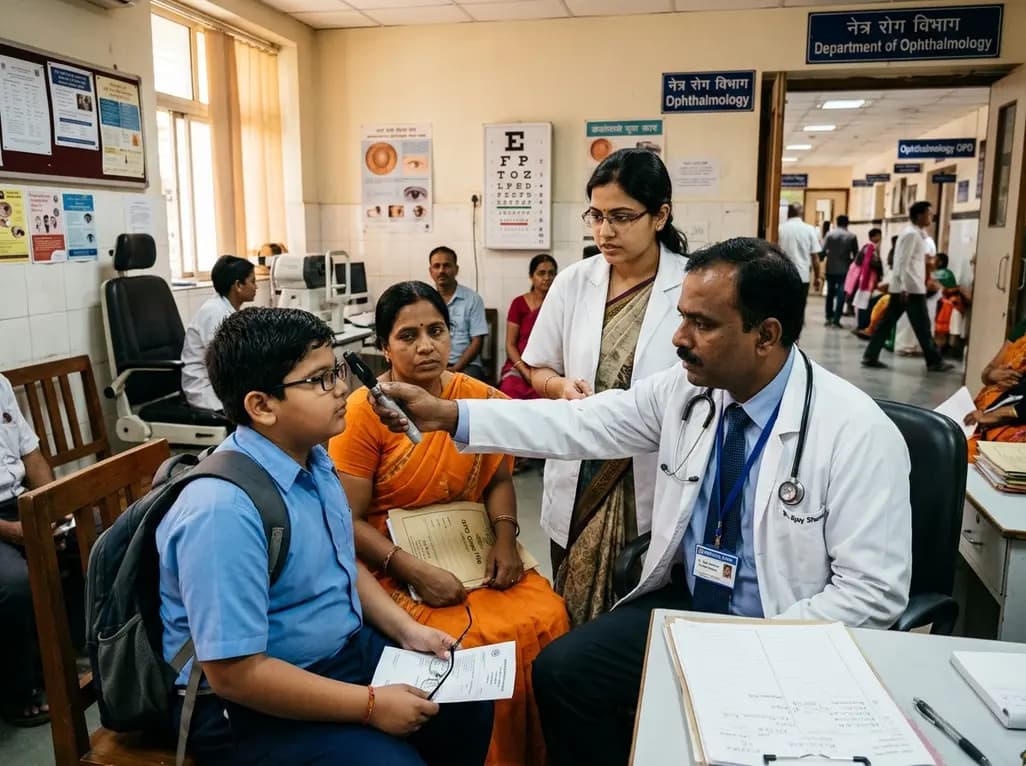
A cross-sectional study reveals that elevated METS-IR is independently associated with higher myopia odds in adolescents, showing biological synergy with obesity and highlighting the need for metabolic screening in pediatric eye care.
Yesterday
