

Loading, please wait...
Loading, please wait...
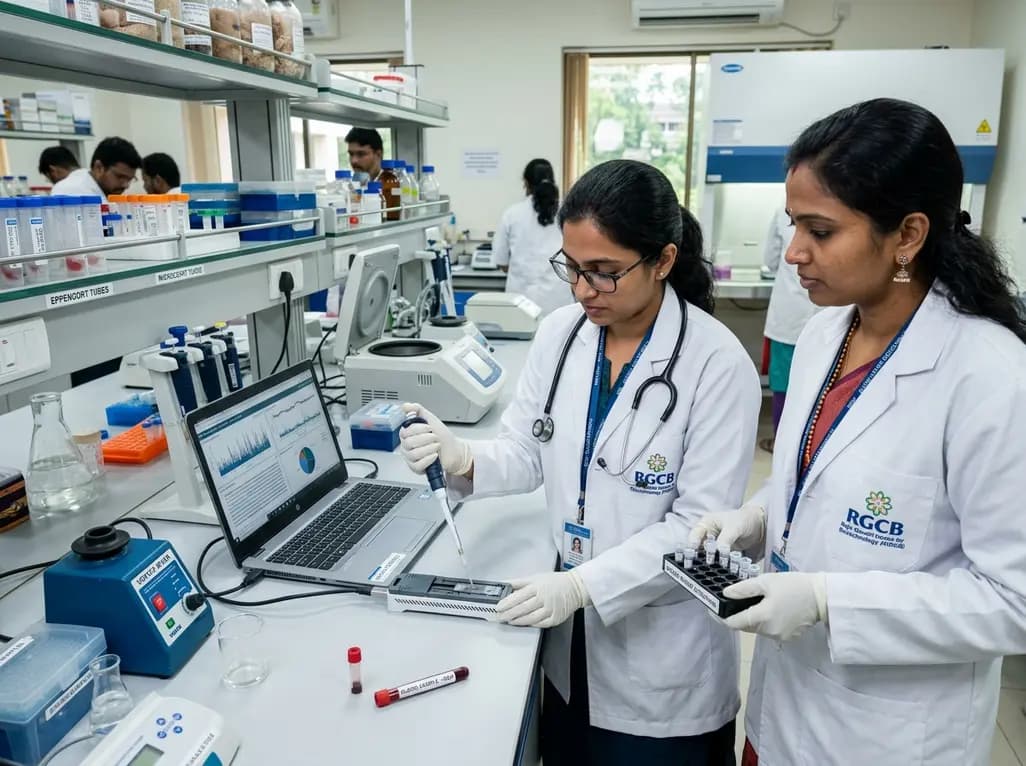
Cervical malignancy remains a prominent cause of cancer mortality among women throughout India. Fortunately, researchers at the Rajiv Gandhi Centre for Biotechnology have secured substantial financial backing to pioneer an automated solution. The emergence of a blood-based cervical cancer detection device could fundamentally transform screening accessibility. Consequently, this breakthrough may soon replace invasive pelvic examinations with simple venipuncture.
Cervical cancer represents a massive public health challenge across low- and middle-income countries. Although primary screening detects premalignant lesions effectively, clinical coverage across India remains low. In fact, conventional screening techniques require pelvic speculum examinations, specialized cytotechnologists, and well-equipped pathology suites. Consequently, social hesitation and structural healthcare deficiencies discourage millions of vulnerable women from seeking routine screening.
Furthermore, remote community health centers frequently lack the infrastructure required for high-throughput cytology or molecular HPV testing. Therefore, developing an automated cervical cancer detection device provides a compelling solution to bridge this geographic divide. By shifting clinical protocols from endocervical scrapings to blood tests, medical teams can minimize patient anxiety and procedural discomfort.
Additionally, an automated workflow reduces operational dependencies on expert cytopathologists. Primary healthcare workers can collect peripheral venous blood during routine wellness visits. Subsequently, the cartridge-based device can process the specimen autonomously on site. As a result, rural clinics can deliver timely diagnoses without sending vulnerable patients to distant tertiary medical colleges. Ultimately, decentralized screening empowers rural healthcare systems to detect dysplasia before it evolves into lethal invasive malignancy.
To detect neoplastic transformations reliably, scientists look beyond conventional serum protein markers. Specifically, researchers at the Rajiv Gandhi Centre for Biotechnology focus on PIWI-interacting non-coding RNAs, commonly known as piRNAs. These small regulatory molecules participate in transcriptional gene silencing, chromatin maintenance, and transposon regulation.
Crucially, malignant cells display distinctive dysregulation of specific piRNAs during early tumorigenesis. For example, malignant transformations alter piRNA expression signatures within dysplastic cervical tissues and adjacent microenvironments. Tumors subsequently release these epigenetic markers into peripheral blood circulation via microvesicles and extracellular lipid particles. Consequently, peripheral blood samples reflect ongoing oncogenic events inside cervical tissues.
Moreover, piRNAs possess exceptional chemical stability compared to larger messenger RNAs. Their short sequence architecture and protective protein associations shield them from rapid degradation by endogenous serum ribonucleases. Therefore, circulating piRNAs serve as resilient biological targets for liquid biopsy systems. Furthermore, quantitative shifts in piRNA expression correlate closely with distinct clinical stages of cervical neoplasia. Thus, profiling circulating piRNAs allows clinicians to capture subtle cellular changes. Early identification of these signatures enables early therapeutic interventions, dramatically improving long-term patient outcomes.
Detecting minute concentrations of circulating nucleic acids in blood has traditionally demanded bulky laboratory machines. However, the integration of solid-state or biological nanopore technology overcomes these mechanical barriers. Nanopore sensors monitor microscopic disruptions in electrical current as single biomolecules pass through a nanoscale aperture.
Consequently, the sensor directly reads distinctive biochemical signals without requiring prolonged chemical amplification. Furthermore, this electronic measurement approach generates high-precision data from microscopic volumes of patient plasma. Because nanopore sequencing requires minimal thermal cycling reagents, manufacturing costs remain modest. Therefore, diagnostic platforms built upon nanopore hardware can easily transition into compact, portable tabletop units.
In addition, the proposed system incorporates microfluidic engineering to automate sample preparation. When an operator inserts a small blood cartridge, internal channels rapidly isolate circulating small RNAs. The integrated sensor then decodes specific piRNA signatures against pre-calibrated oncogenic profiles. Because software algorithms handle interpretation automatically, operators require very little technical training. Consequently, district clinics can perform sensitive molecular screening without hiring dedicated molecular biologists. This electronic architecture establishes a robust foundation for rapid, decentralized oncology diagnostics across underserved rural districts.
Translating scientific discovery from academic laboratories to commercial healthcare delivery requires coordinated financial and industrial backing. Notably, the Anusandhan National Research Foundation selected this cutting-edge diagnostic initiative under the MAHA MedTech Mission. This ambitious national initiative operates in strategic partnership with the Indian Council of Medical Research and the Gates Foundation.
Remarkably, out of more than one thousand competitive research applications submitted nationwide, reviewers selected only thirty-three proposals for federal support. The research team secured a competitive seven-crore rupee grant to accelerate prototype engineering. Furthermore, the investigators have structured a robust public-private partnership to ensure successful clinical deployment.
Specifically, the Rajiv Gandhi Centre for Biotechnology is collaborating with start-ups IndZita Biotech and Karkinos Healthcare. IndZita Biotech delivers specialized technical expertise in point-of-care microfluidic platforms and biosensor fabrication. Meanwhile, Karkinos Healthcare provides extensive oncology clinical networks and robust digital screening infrastructure. Therefore, this tri-partite collaboration unites fundamental molecular biology, hardware manufacturing, and real-world clinical validation. By combining public research institutions with agile MedTech industry partners, the mission establishes a viable pipeline to deliver affordable, indigenous medical technology throughout India.
Before clinicians can routinely order blood-based cervical testing, the platform must satisfy rigorous regulatory benchmarks. Fortunately, the research team has already patented the core molecular technology following successful preliminary testing. Furthermore, comprehensive laboratory-scale validation has confirmed high diagnostic sensitivity in cell culture assays and animal models.
Recently, investigators concluded a promising pilot investigation using human blood specimens within controlled laboratory conditions. The scientific team, led by Jackson James, Ani V Das, and Mahendran K R, is now constructing an early-stage diagnostic prototype. Subsequently, the researchers will initiate multi-center clinical trials across diverse patient populations. These future clinical studies must evaluate diagnostic sensitivity and specificity against conventional liquid-based cytology and HPV DNA testing.
Additionally, developers must secure medical device approval from the Central Drugs Standard Control Organisation prior to commercial distribution. Once validated, this non-invasive technology could redefine routine women's health screening pathways nationwide. Primary care physicians could seamlessly integrate cervical screening into regular annual preventive health checkups. Consequently, population screening rates could rise substantially, reducing the nationwide burden of advanced cervical carcinoma through timely, accessible early detection.
Q1: How does the new cervical cancer detection device identify malignancy?
The device analyzes peripheral blood samples using advanced nanopore sensor technology. Specifically, it identifies minute quantities of circulating piRNA biomarkers released into the bloodstream by transformed cervical cells. As these non-coding ribonucleic acid molecules pass through nanoscale apertures, they produce distinct electronic signatures. The automated system decodes these signals against validated disease thresholds, delivering an accurate molecular diagnostic result without requiring tissue biopsies or cytological smears.
Q2: Why is blood-based cervical screening advantageous over conventional Pap smears?
Traditional Pap smears require speculum examinations, which often cause physical discomfort and cultural reluctance among patients. Furthermore, conventional cytology demands experienced pathologists and centralized laboratory infrastructure that are sparse in rural sectors. In contrast, blood-based screening requires only standard venipuncture. Primary healthcare workers can easily administer this rapid test at local clinics, dramatically expanding screening coverage while maintaining high diagnostic accuracy.
Q3: What stage of clinical development has this RGCB diagnostic platform reached?
The underlying molecular detection platform has achieved patent protection and completed proof-of-concept validation in cell cultures and animal models. Additionally, the investigators have successfully evaluated human blood specimens in controlled laboratory settings. The multidisciplinary team is currently assembling an early-stage diagnostic prototype. Following prototype fabrication, the researchers will conduct comprehensive multi-center clinical validation trials to obtain necessary regulatory approvals from national authorities.
Disclaimer: This content is for informational and educational purposes only. It does not constitute medical advice or replace professional judgment. Refer to the latest local and national guidelines for clinical practice.
References

Read summarized clinical updates, watch expert medical content, and earn CME certifications right from your smartphone.
Open your smartphone camera to scan and install.





Biotechnology researchers in India are developing an automated liquid biopsy platform to detect cervical malignancy from blood samples. Supported by the MAHA MedTech Mission, this initiative applies nanopore sequencing and piRNA biomarker detection to eliminate invasive speculum exams and expand rural screening.
Today

The Food Safety and Standards Authority of India has issued an urgent advisory against food business operators violating mandatory labelling standards for nutraceuticals and botanicals. Regulators prohibited therapeutic claims while mandating clear advisory warnings to prevent patient toxicity and medical misuse.
Today
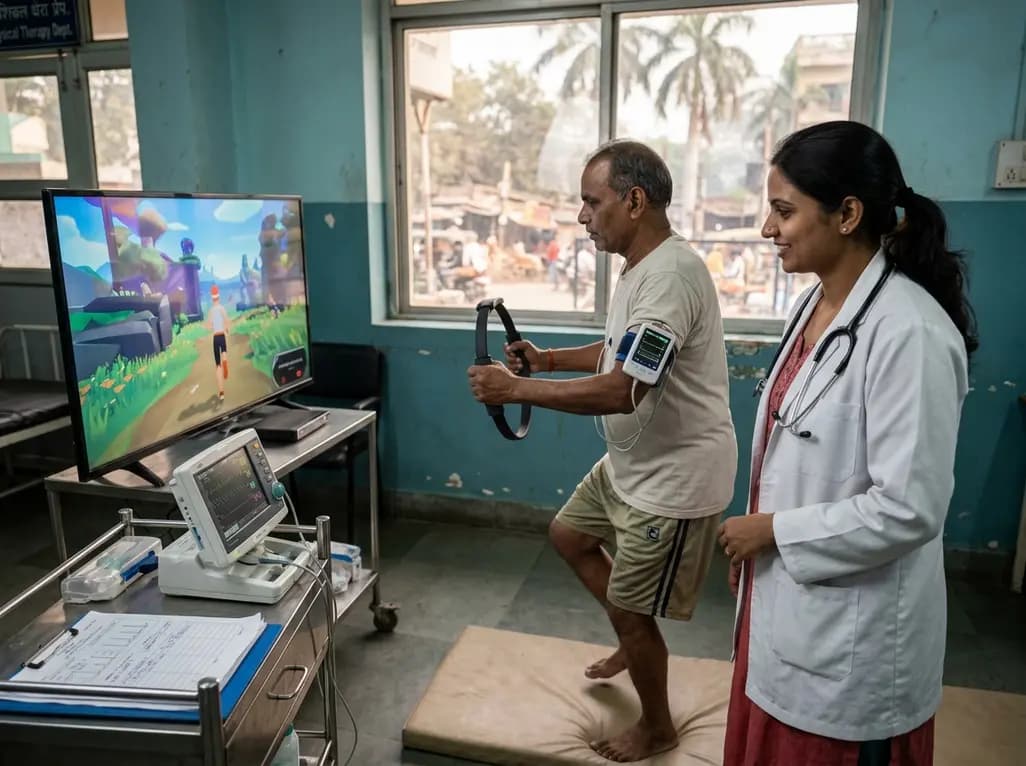
A clinical study evaluated Ring Fit Adventure in adults with chronic conditions, revealing that exergaming achieves moderate-to-vigorous exercise intensity while maintaining hemodynamic stability, high enjoyment, and zero adverse events.
Today

A retrospective cohort study reveals that selecting the touched vertebra as the lowest instrumented vertebra in thoracic adolescent idiopathic scoliosis yields a 20.8% distal add-on rate, driven by remnant motion segments and axial rotational discrepancies.
Today
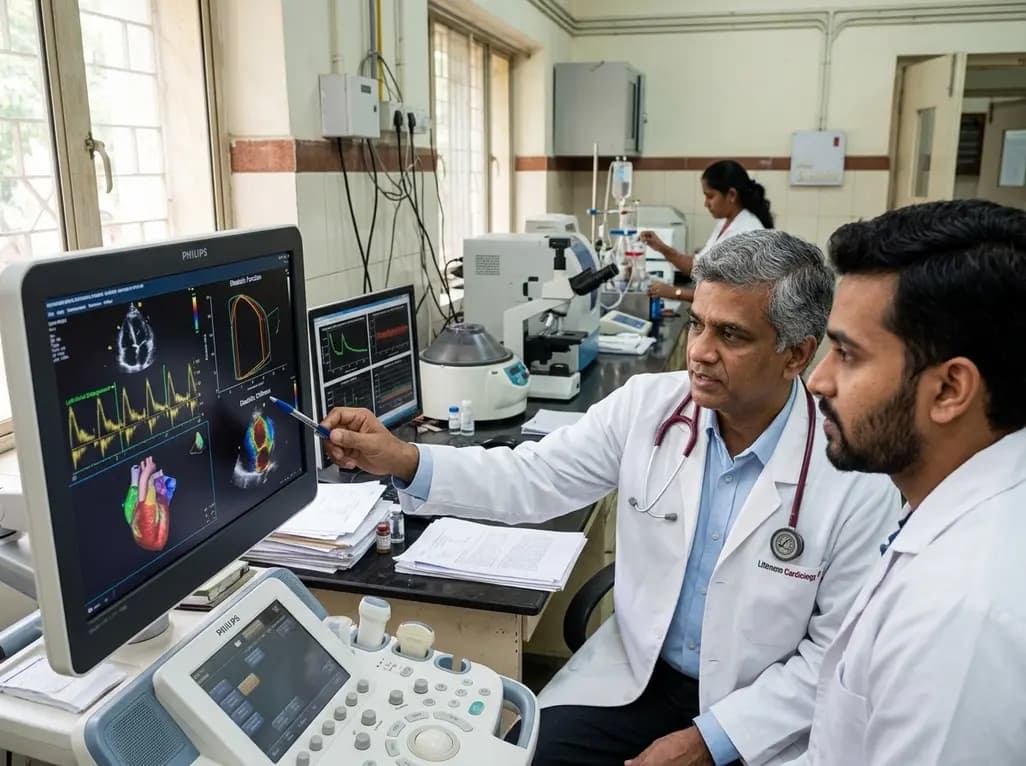
A study evaluates a cardiometabolic HFpEF model combining metabolic stress with chronic mineralocorticoid excess. The findings reveal profound diastolic stiffness, endothelial dysfunction, and pulmonary hypertension, illuminating key pathophysiological mechanisms for targeted cardiopulmonary therapies.
Today
